

Hongze Lake travel takes you to the largest freshwater lake in Jiangsu and one of the great wetlands of eastern China. Ringed by reed beds, fish farms, and quiet water towns, the lake is a place to slow down, watch migratory birds, and eat some of the finest freshwater cuisine in the Yangtze delta. It sits in the north of Jiangsu, fed by the Huai River and linked to the Grand Canal, and it has shaped local life for more than a thousand years.
Unlike the famous tourist lakes further south, Hongze keeps a working, lived-in feel. Fishermen still set out at dawn, lotus roots are harvested through summer, and the shoreline villages fry river fish on roadside stoves. For travelers who want nature and culture without heavy crowds, this is a rewarding stop between the big cities of the region. The lake also plays a quiet economic role: its fish, crabs, and lotus products supply markets across the delta, and the dikes that hold back the Huai have been engineered and rebuilt across dynasties.
Best time to visit Hongze Lake
The best time to visit Hongze Lake is autumn, from September to November, when the heat lifts, the lotus leaves turn, and the harvest of crabs and fish peaks. The local hairy crab season runs through autumn and is a major draw, with travelers making special trips just to eat the crabs at their fattest. Spring, from March to May, brings mild weather and good birdwatching as migrants pass through the marshes. Summer is hot and humid, though the lotus blooms are spectacular across the shallows and the green expanses are photogenic. Winter is cold but excellent for spotting overwintering waterbirds on the protected wetlands, when the reed beds turn silver and the light is soft.
Getting there from Nanjing
Most visitors base themselves in Nanjing and make a day or overnight trip northeast. The drive from the Nanjing travel guide routes to the lake takes about two and a half hours by car or bus. High-speed rail reaches Huai’an, a convenient gateway town on the northern shore, and local buses or taxis cover the final stretch to the lakefront. The area is also woven into the China Grand Canal travel guide network, because the lake has long been managed as part of the canal irrigation and flood system that keeps the delta fertile. Boats once carried grain from here along the canal to the old capitals, and you can still see the sluice gates and old wharves that did the work.
Things to do at Hongze Lake
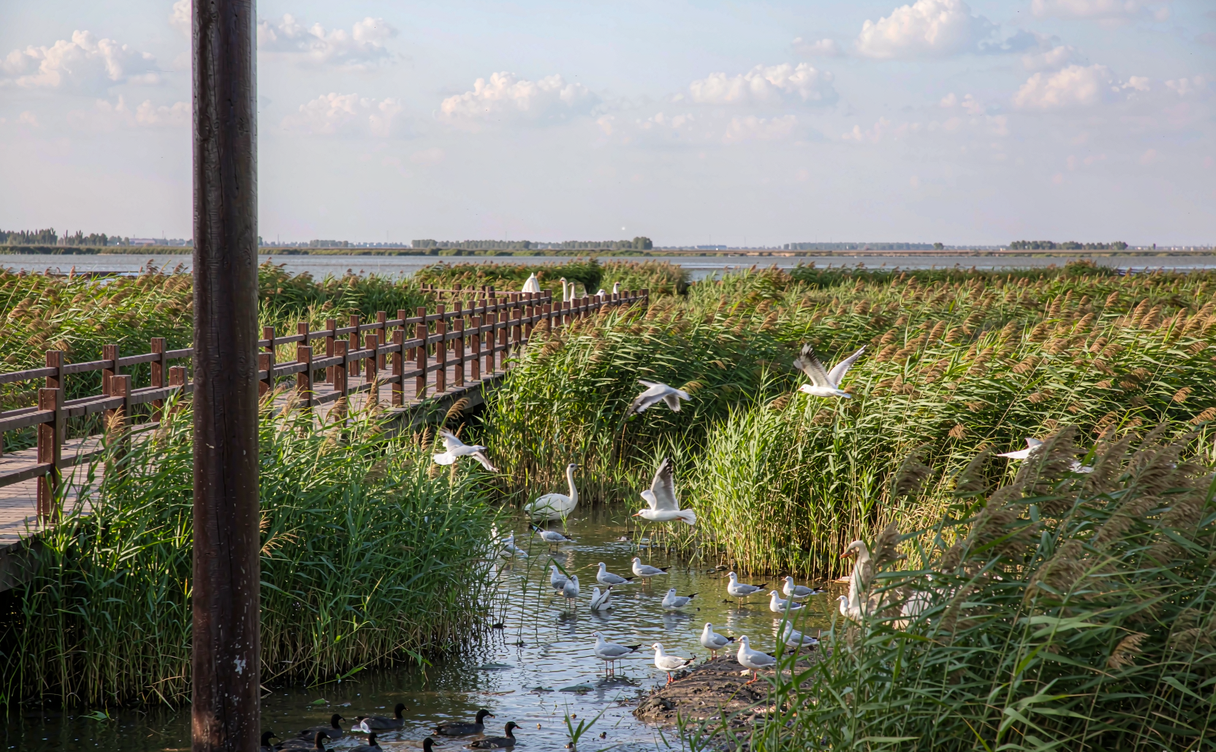
Things to do at Hongze Lake center on the water. The Hongze Lake Wetland National Park, on the northern shore near Huai’an, is the main destination for visitors. Wooden boardwalks and a long dike road let you walk out over the reeds, and a boat trip carries you deeper into the marsh where egrets, cranes, and cormorants feed. The Hongze Lake wetland birds include many protected species, and the park runs viewing hides for photographers in the early morning, when the light is best and the birds are most active.
A visit to the lakeside town of Jiangba is worthwhile for its dike culture and the giant statue of the Ming-dynasty official who tamed the Huai floods. The lakeside dike road itself is a pleasant cycle or scooter route, with fishing villages and snack stalls along the way. In summer the lotus gardens open to visitors, and you can pick or simply photograph the vast pink fields that stretch toward the horizon. Renting a bike in Huai’an and riding the quiet lanes is a good way to meet villagers and see the working lake up close.
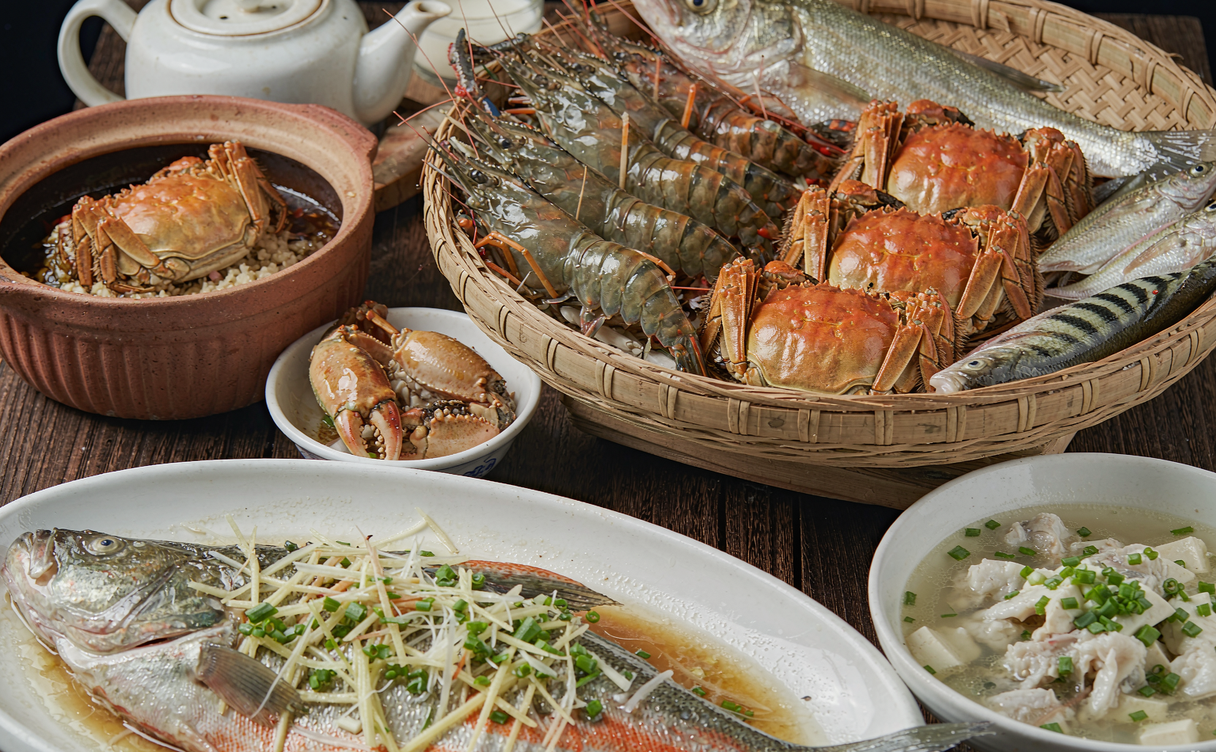
Food is the other headline. The Huaiyang cuisine guide explains why this part of Jiangsu prizes knife work and clean flavors, and Hongze is a source of many of its ingredients. Order braised fish, river shrimp, lotus root stuffed with sticky rice, and above all the autumn hairy crab, eaten with ginger vinegar and a cup of warm rice wine. Guesthouses around the park serve set meals built from the morning catch, and the crab banquets in October are the local high point of the year.
Where to stay and how long
Plan at least one full day, and prefer an overnight stay so you can catch both sunset and sunrise over the water. Options range from basic lakeside inns to mid-range hotels in Huai’an city, which also has a lively night-food scene and canal heritage of its own. Bring binoculars, a light jacket even in summer for the breezy dike, and mosquito protection in warm months. Weekends and the October holiday fill the park hotels, so book ahead if you travel then.
According to Wikipedia, Hongze Lake is the fourth largest freshwater lake in China by surface area and a key part of the Huai River basin, which helps explain its outsized role in regional food and flood control. The lake’s managed wetlands are also recognized under international bird-protection frameworks, so guided tours respect restricted nesting zones and ask visitors to keep distance from the birds.
Practical notes for visitors
Visiting the wetlands is easy, but a little planning pays off. Wear muted colors if you come for bird photography, because bright clothing spooks the waterbirds and the hides work best when you blend in. The boardwalks can be slippery after rain, so closed shoes are better than sandals. Local boats run on a loose schedule, so agree on the price and the route before you step on, and confirm whether the fare includes waiting time at the bird hides. The park entrance sells a combined ticket that covers the boardwalk and the boat; buy it at the main gate to avoid surprises.
Hongze also makes a good classroom for understanding China’s water management. The Huai River has flooded for centuries, and the lake acts as a giant regulator that stores excess flow and releases it slowly through the canal system. Visitor centers near Jiangba explain this with models and old photographs, and a short stop there turns a pretty lake into a story of engineering and survival. Combined with a boat ride and a crab lunch, that mix of nature and history is what makes Hongze Lake travel worthwhile for travelers who like to understand a place, not just photograph it. If you stay overnight in Huai’an, spend the evening at the canal-side night market, where the same fish and crab appear in simpler, cheaper forms than at the lake restaurants.
Pairing Hongze with nearby cities
A Hongze Lake trip slots neatly into a wider Jiangsu itinerary. The lake lies roughly between the canal cities and the northern hubs, so you can combine wetland mornings with historic streets and famous gardens elsewhere in the province. The nearby water towns and the Grand Canal ports make easy half-day add-ons, and the regional rail network keeps everything within a few hours of each other. Travelers who enjoy slow food will find the lake a natural anchor for a culinary route through the Yangtze delta.
The food alone justifies the detour. Huaiyang cooking is one of China’s established culinary traditions, and eating it at the source, by the lake that supplies much of it, the experience is different from a city restaurant. Time your visit for crab season if you can, and build a meal around the morning’s catch.
Whether you come for birds, lotus, or the table, Hongze Lake travel offers a calmer, greener side of Jiangsu. Build in a night by the water and let the rhythm of the lake set your pace, away from the crowds of the famous southern lakes.