

I have helped enough friends secure a Forbidden City entrance ticket to know that the hardest part is not the price or the language — it is the timing. Visitors arrive assuming they can stroll up to the gate with a credit card, and instead find that the day they planned has been sold out for a week. The system is manageable once you understand its few fixed rules: a seasonal price, a release exactly seven days ahead, and a passport check at the door. Here is what I tell people before they book, accurate as of 2026.
Forbidden City ticket price in 2026
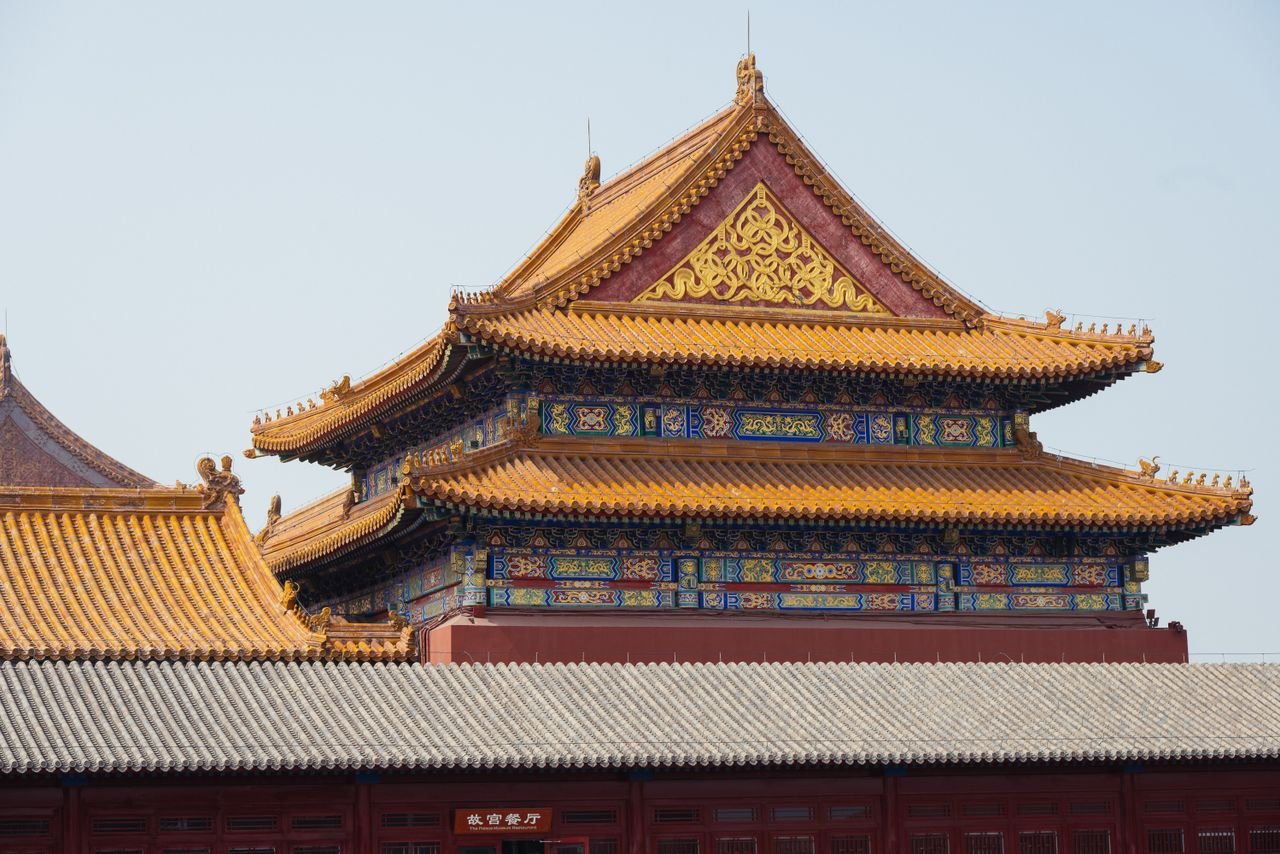
The Forbidden City ticket price depends only on the season, not on the day of the week or how famous the date is. Peak season runs from April 1 to October 31 and costs ¥60 per adult. Off-season runs from November 1 to March 31 and drops to ¥40. That is the entire main-gate price structure, and it has been stable long enough that you can budget confidently. Two small supplements exist for the museum’s special galleries, and they are covered below.
| Ticket type | Season / dates | Price as of 2026 | Notes |
|---|---|---|---|
| Standard entrance | Peak: April 1 – October 31 | ¥60 | Includes the central axis and most open palace courtyards |
| Standard entrance | Off-season: November 1 – March 31 | ¥40 | Shorter opening hours in winter |
| Treasure Gallery | All year | ¥10 extra | Ningshou Palace area and the Nine Dragon Wall |
| Clock Gallery | All year | ¥10 extra | Mechanical clocks in Fengxian Hall |
Discounted tickets exist for children, students and seniors, but the rules are narrow and the documentation is checked, so most foreign adults should simply plan around the standard price. I would also treat any site offering a suspiciously cheap “skip the line” ticket with caution; the museum controls capacity tightly, and genuine inventory is limited.
The 20:00 release is the detail that matters
Tickets go on sale exactly seven days before the visit date, at 20:00 Beijing time. Not 9 a.m., not midnight — 8 p.m. In practice, popular spring and autumn dates can be gone within minutes, so I set an alarm rather than relying on memory. If you are booking from Europe or North America, convert carefully: 20:00 in Beijing is midday in London and early morning on the US East Coast, which means a slightly unusual alarm but a much better chance of success. On the day of release I log in a few minutes early, have my passport beside me, and fill in the visitor details in advance so the checkout is fast. Booking a few hours later almost always means choosing a different date.
How to book Forbidden City tickets with a foreign passport
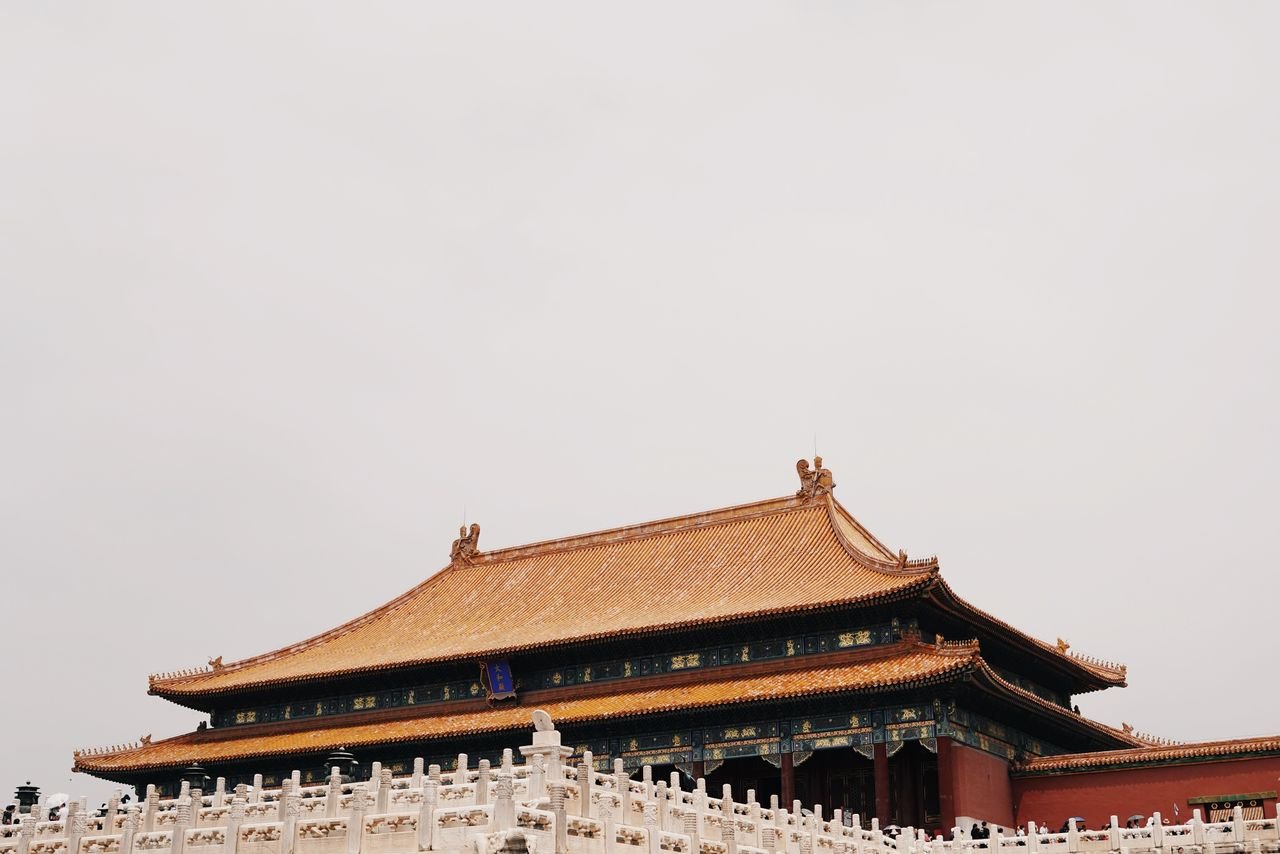
The official channel is the Palace Museum’s own ticketing system, reachable through its official website or its WeChat mini-program. I have used both; the website has enough English to get through the process, while the mini-program is faster once you are comfortable with it. The sequence is always the same:
- Create an account with an email address or a phone number you can access while traveling.
- Add each visitor using the exact English name and number printed in their passport. A nickname, a middle name you never use, or a digit transposed will cause problems at the gate.
- Select your visit date and a morning or afternoon entry slot. The slot controls when you may enter, not when you must leave.
- Add Treasure Gallery or Clock Gallery tickets if you want them; they are purchased alongside the main ticket, not separately at the door.
- Pay through Alipay or WeChat Pay linked to an international card, or through a Chinese bank card. Direct foreign-card payment on the official system has been inconsistent, so I keep a linked wallet ready before the release time.
- Save the confirmation and QR code, then carry the physical passport on the day. The name on the ticket and the name in the passport must match exactly.
If you want a broader explanation of the country’s booking habits — why some sites demand local phone numbers, why QR codes matter so much, and how other attractions handle foreign passports — I have written a guide to how to book attraction tickets in China that covers the patterns behind this one system.
Opening days, Monday closures and entry logistics
The Forbidden City is closed on Mondays, except on official public holidays, when it may stay open. This catches a surprising number of itineraries because a five-day Beijing trip can easily place the palace on a Monday. Check the calendar before you fix anything else around it. The museum also operates reduced winter hours, so an afternoon slot in January gives you noticeably less time than the same slot in May. Entry is through the Meridian Gate on the south side, with exits at the Shenwu Gate to the north or the Donghua Gate to the east. There is no re-entry once you are inside, and security screening at the approach can take a while because the palace sits beside Tiananmen Square. I aim to arrive 30 to 45 minutes before my slot and use the extra time for the walk rather than a last-minute queue. The nearest metro stations are Tiananmen East and Tiananmen West, both a manageable walk but with security checks along the way.
Are the two extra galleries worth ¥10?
In my view, yes. The Treasure Gallery sits in the Ningshou Palace complex in the eastern part of the grounds, an area that feels calmer than the central axis and includes the glazed Nine Dragon Wall. Its rooms display gold, jade and lacquer objects that give a much clearer sense of court wealth than the big ceremonial halls do. The Clock Gallery, in Fengxian Hall, holds a collection of mechanical clocks from Europe and China, and on certain days staff demonstrate one of the larger pieces. Each costs ¥10 as of 2026, and both are easy to add during booking. They can sell out independently of the main ticket, so decide at the same moment you book rather than hoping to buy at the gate. If your time is limited, I would choose the Treasure Gallery first.
Building the rest of the day around it
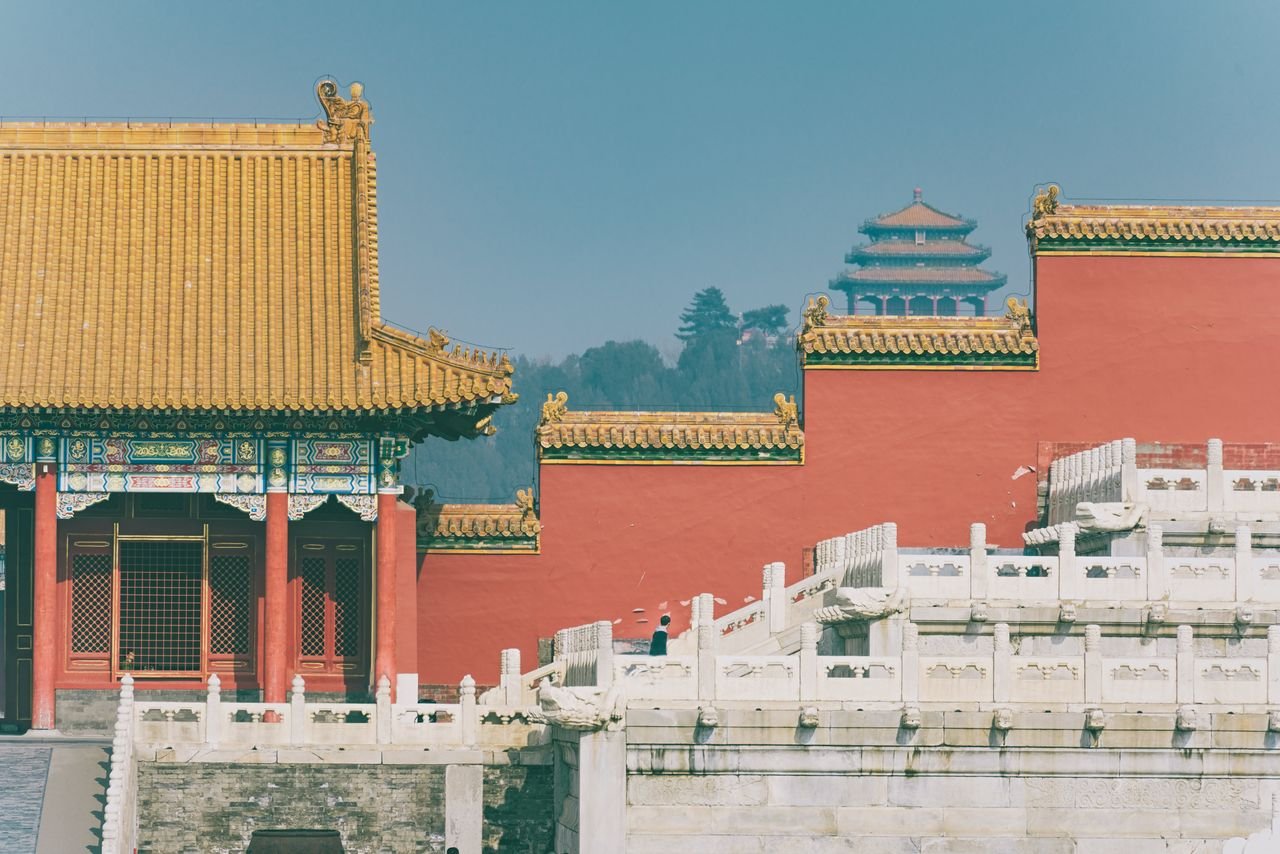
A palace visit takes three to five hours at an unhurried pace, which leaves the rest of the day open. Location is a real advantage here: the central Beijing neighborhoods around Dongdan, Wangfujing and the hutong lanes north of the palace put you close enough to return after lunch on foot or by taxi. I have a longer write-up on where to stay in Beijing that explains the trade-offs between those areas, including how much time you lose commuting from the outer districts. If you want to pair the palace with a second major sight, the northern wall sections make a demanding but rewarding follow-up; plan it as a separate early start using my Great Wall hiking guide, because trying to squeeze both into one day usually means experiencing neither properly. For dinner afterward, the food near the palace is surprisingly good once you step away from the immediate tourist strip, and my Beijing food guide points to the dishes and neighborhoods worth the short trip.
The mistakes I see most often
Booking a Monday, arriving with a photocopy instead of the passport itself, and misspelling a name are the three errors that ruin plans outright. A smaller one is assuming the afternoon slot lets you arrive at any point in the day — it does not. Guard the details, give yourself a quiet morning before the visit, and the palace itself does the rest. The buildings are vast, but the experience is better when you are not watching the clock.
Written by Karl Huang, a travel writer who books and visits Beijing’s historic sites regularly and writes practical planning guides for independent travelers.