

Before you memorise the Forbidden City opening hours, memorise this: China travel emergency numbers are short, universal, and free from any phone, including a locked smartphone’s emergency dialer. We have walked travelers through two ambulance calls in Chengdu and a lost-passport report in Shanghai, and in every case the difference between panic and a quick fix came down to having the right number open in their notes app. This guide lists the numbers that actually work for foreign visitors, what to say when you call, and the embassy and hotline contacts that solve the problems tourists uniquely face.
The core numbers to save before you land
These four are the backbone of China emergency phone numbers and they work everywhere on the mainland:
- 110, Police. Use for theft, scams, lost documents, and any situation where you need an officer.
- 119, Fire and rescue.
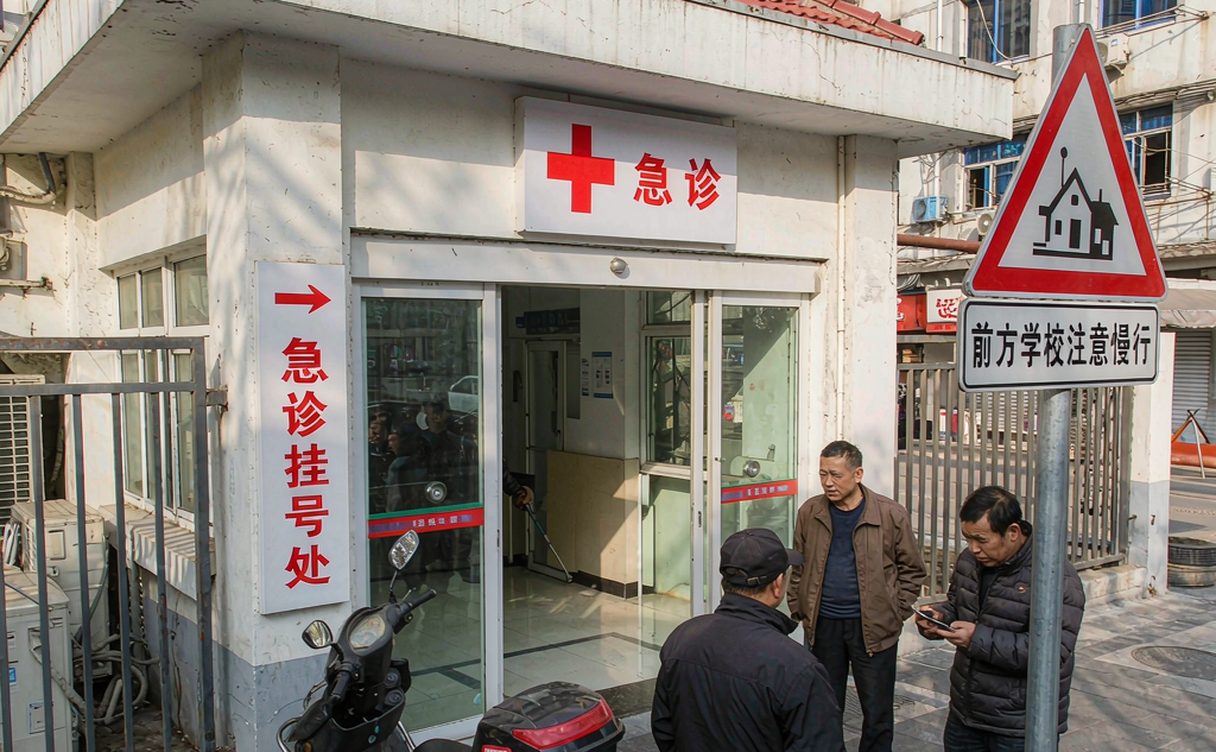
- 120, Ambulance (medical emergency). Dispatch sends the nearest public hospital van.
- 122, Traffic accident line, also reachable through 110.
Two more save visitors specifically. 12345 is the government service hotline; in Beijing, Shanghai, and Guangzhou it has English operators for non-urgent complaints like a dishonest taxi meter. 12367 is the National Immigration Administration hotline with English service for visa, residence, and entry-exit questions. The full national numbering plan is documented on Wikipedia if you want the complete list beyond these.
We tell every traveler to screenshot these onto their phone lock screen. A phone with no signal can still dial 110 or 120, and a panicking brain forgets a seven-digit consulate number.
How to call an ambulance (120)
When someone is seriously hurt, call 120, not 110. Speak slowly: give the street address, the nearest landmark in Chinese if you have it, the patient’s age, and the main symptom (heart, bleed, faint). Operators often speak limited English, so we coach travelers to keep a translation app open and to show the hotel’s Chinese address card to whoever calls for them. Ambulances are not free; a city ride with basic care runs 100 to 300 RMB, and hospital treatment is charged on top, so travel insurance with evacuation cover matters more than people expect.
One trick that has saved time: pre-write your hotel’s full Chinese address and a phrase like “need ambulance, address is…” in your phone notes before you go out. In a panic, reading from the screen beats translating on the spot, and dispatchers locate you faster from a street name than from a confused description of a landmark.
Police (110) and what they actually handle
For foreigners, 110 is the front door to the two problems we see most: lost passports and street scams. If your passport vanishes, call 110, get a police report (报案证明) at the station, then take it to your embassy for a replacement travel document. That report is also what your insurer needs. For a dodgy tea-house scam or a rigged taxi meter, call 110 and ask for the tourism police; major cities have English-speaking officers who handle tourist complaints daily. Keep calm, show your hotel card, and let the officer mediate, it works faster than arguing with a vendor.
Medical care and where to go
For anything beyond a scrape, go to a public hospital’s international department (国际医疗部) in big cities; Beijing United Family, Shanghai East International Medical Center, and similar private clinics take foreign insurance and speak English, though a consultation runs 500 to 1,500 RMB. Public ERs are far cheaper, about 50 to 200 RMB to be seen, but the language barrier is real. Our China medical care and pharmacy guide explains which medicines are over the counter, how to describe symptoms, and what to carry from home. Knowing this ahead of time is a core part of China travel safety, because the worst moment to learn the system is at 2 a.m. with a fever.
The immigration hotline (12367) for foreigners
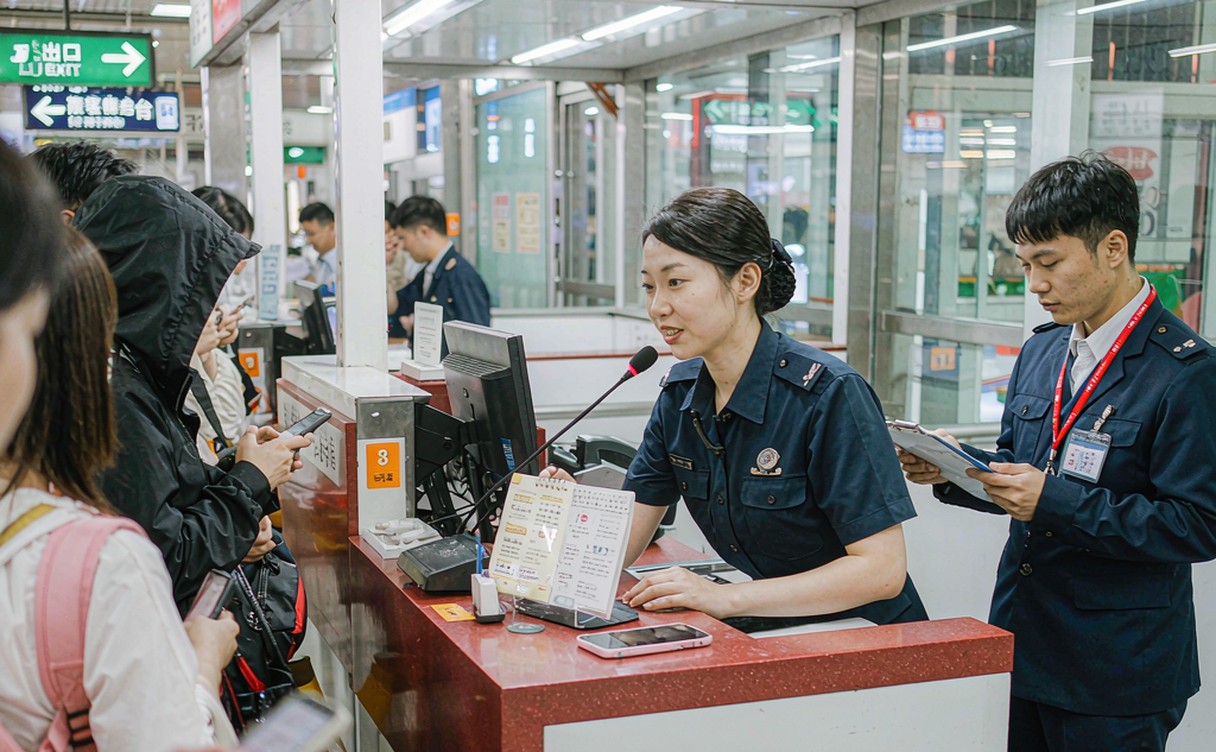
This number is the one most guides miss. If your visa status, entry stamp, or residence permit raises a question, 12367 connects you to the immigration authority in English, usually within a few rings. We have used it to clarify a transit visa timing and to report a lost arrival card. It is free, operates nationally, and spares you a confusing trip to an entry-exit bureau. Save it next to 110.
Travel insurance and a pre-trip safety checklist
No number replaces good preparation. Buy insurance that covers medical evacuation before you fly; many cheap policies exclude China or cap evacuation too low for a flight home. Save your embassy’s 24-hour line, photograph your passport and visa, and store the Chinese address of every hotel. A simple habit we push: email yourself a “China kit” with passport scan, insurance policy number, and the three core numbers, so a wiped phone still leaves you covered.
These steps belong on your list of things to know before visiting China, right beside SIM cards and payment apps. Travelers who do them sleep better, and when trouble hits they move fast instead of freezing.
Also enable emergency SOS on your phone; both iPhone and Android let you set a medical ID and emergency contacts that show on the lock screen without unlocking. We have seen ER staff use a traveler’s Medical ID to spot an allergy in seconds. Small setup steps like this are why we treat safety prep as part of the itinerary, not an afterthought.
What your embassy can and cannot do
Your embassy or consulate is your backstop, not your travel agent. If your passport is lost or stolen, the consular line issues an emergency travel document so you can fly home, and most Western missions keep a 24-hour duty phone for exactly this. What they will not do is pay your hospital bill, intervene in Chinese legal cases, or get you out of a visa overstay. We tell travelers to register their trip with the embassy’s online system before departure; it takes five minutes and means officials already have your details if a crisis hits. Keep the consulate number in the same notes file as 110 and 120, because the two often work together after a theft or accident.
Common scenarios and the number to dial
Lost passport: 110, then embassy. Suspected food poisoning: 120 if severe, otherwise the pharmacy guide above. Altitude sickness in the highlands of Sichuan or Yunnan: descend and call 120; our China altitude sickness guide prepares you before you climb. Road accident: 122 or 110. Scam or dispute: 110, then 12345 for follow-up. The pattern is simple: life-threatening goes to 120, security goes to 110, paperwork goes to 12367 or 12345.
Lost or stolen phone: call your bank’s freeze line first, then 110 to report; a police report helps with insurance and any replacement. Train or flight cancelled: 12345 can point you to the right carrier desk, though the app you booked through is usually faster. Stranded late at night after a scam: 110 for a safe escort to your hotel, which officers will often provide for a foreign visitor who clearly does not speak the language.
A good China travel guide prepares you for the trip you hope for and the one that surprises you. Keep these numbers close, and the surprises stay small.