

A China hostels guide has to open with a warning most travel blogs skip: not every hostel in China is licensed to take foreign guests. The country requires any hotel or hostel to register a foreign visitor’s passport with the local police, and smaller unlicensed guesthouses simply can’t — so you’ll occasionally arrive to a polite “sorry, no foreigners.” The fix is simple: book through international platforms that flag foreigner-friendly properties, and confirm by message. Once you’re in a good one, China’s hostels are cheap, social, and a brilliant base for solo and budget travel. This guide compares dorm vs private pricing in RMB and US dollars, names the reliable hostel cities and brands, and covers the registration rule you must know. Start by weighing hostels against hotels in China to decide if this style fits your trip.
What a Chinese Hostel Is Like
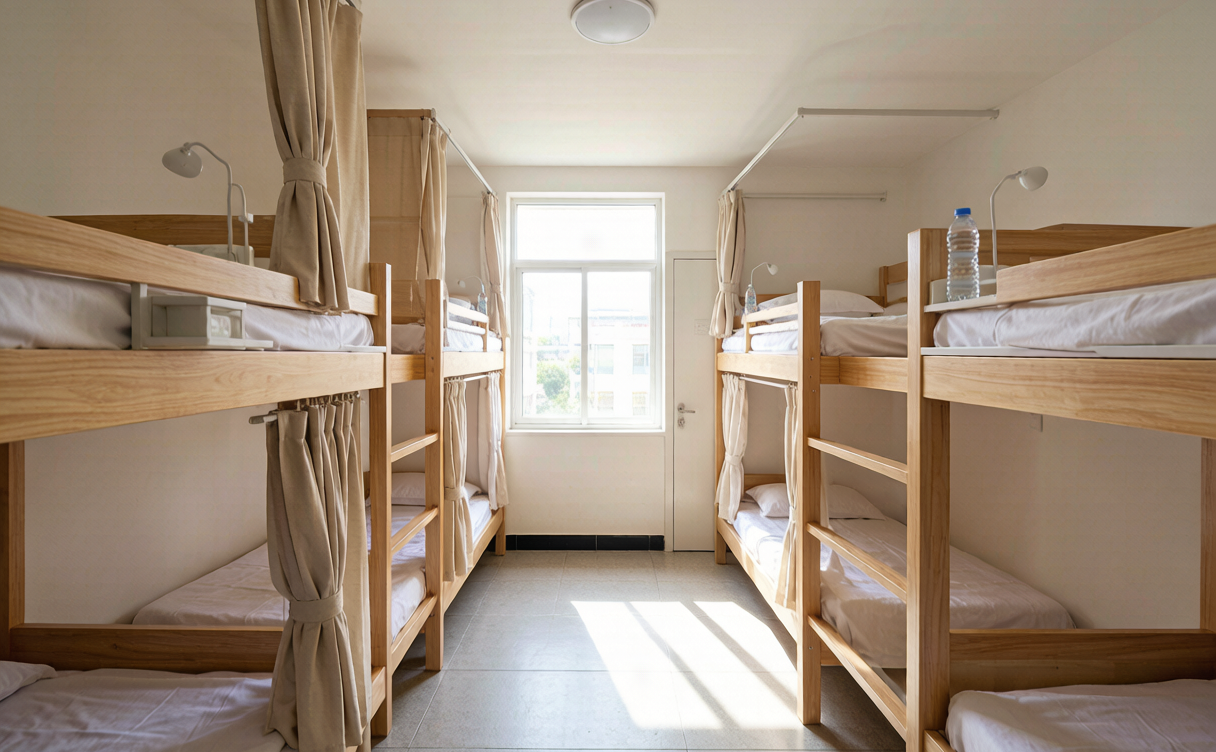
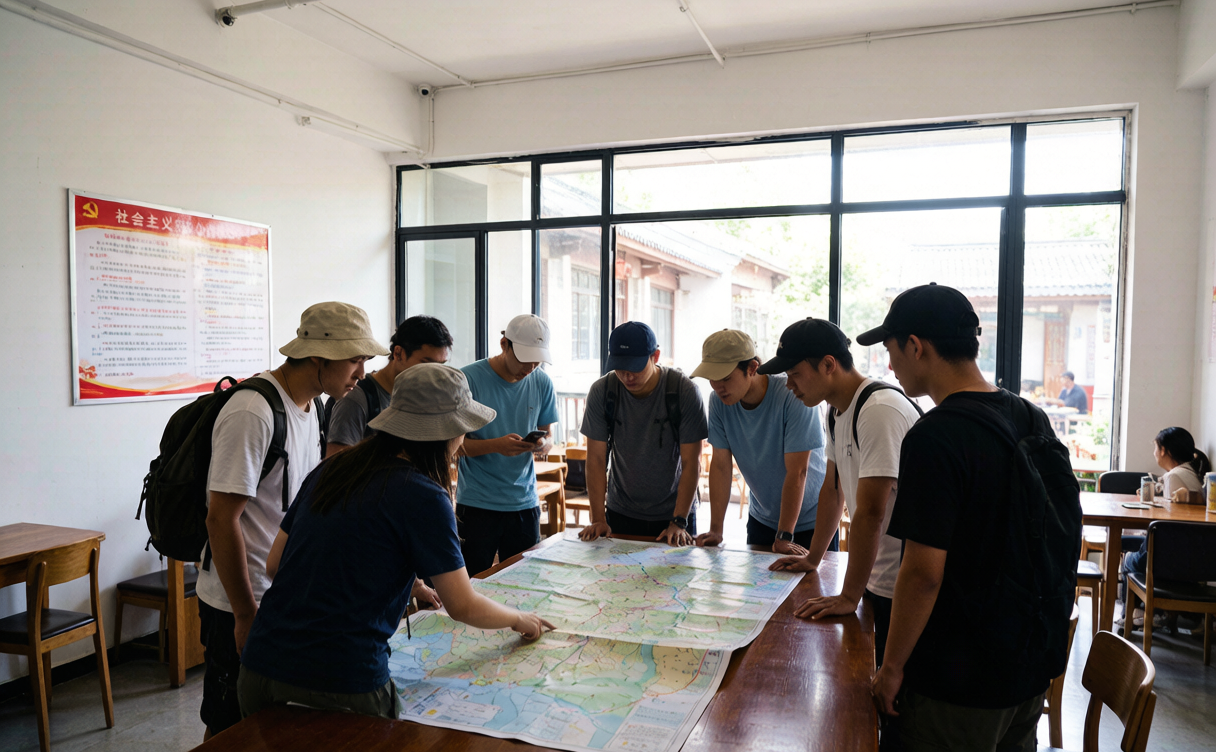
Expect a reception with limited English, a lively common room, free (slow) WiFi, and dorms with individual reading lights and lockers. The social scene is real: nightly dumpling runs, hike meetups, and trip-planning boards are common. Private rooms (double or twin) are often available for not much more than two dorm beds, which many couples and light sleepers prefer.
Dorm vs private: the numbers
| Room type | Typical price/night | Who it suits |
|—|—|—|
| 6–10 bed dorm | RMB 50–120 (US$7–17) | Solo budget travelers |
| 4-bed dorm | RMB 80–150 (US$11–21) | Small groups, more privacy |
| Private twin/double | RMB 150–350 (US$21–49) | Couples, light sleepers |
| Pod / capsule | RMB 90–160 (US$13–22) | City stopovers |
Best Time to Hostel-Hop
The best time to visit China shapes both price and atmosphere. Hostel demand spikes with domestic backpackers in summer (July–August) and around the May 1 and Oct 1 holidays — book ahead then. Spring and autumn are the sweet spot: full social calendars, manageable crowds, and mild weather for the day trips hostels organize. Winter is the cheapest and quietest, great for skiing trips to the north or a near-private Yunnan hostel.
Where to Stay: Cities and Brands That Work
| Hostel / Brand | City | Notes | Dorm from |
|—|—|—|—|
| Panda International Youth Hostel | Beijing | Hutong location, foreigner-friendly | RMB 70 (US$10) |
| Leo Hostel | Beijing | Courtyard in old town | RMB 65 (US$9) |
| Mix Hostel Garden | Chengdu | Big social scene, garden | RMB 55 (US$8) |
| Mingtown Hostels | Shanghai | Several central branches | RMB 75 (US$11) |
| Yangshuo hostels | Guilin (Yangshuo) | Climbing/karst hub | RMB 50 (US$7) |
| Lijiang Old Town hostels | Yunnan | Wooden courtyards | RMB 55 (US$8) |
Beijing is the easiest test case: our where-to-stay-in-Beijing guide maps hostel clusters near the Lama Temple and Qianmen that put you on the subway in minutes. Chengdu and Yangshuo have the strongest social calendars; Yunnan’s old-town hostels trade nightlife for atmosphere.
The Registration Rule You Must Know
Under Chinese law, any foreigner staying at a hotel or hostel must have their passport details registered with the public security bureau, usually within 24 hours of arrival. Licensed hostels do this automatically at check-in — you hand over your passport, they scan it, you’re compliant. Two pitfalls: (1) if you stay at an unlicensed guesthouse, you’re technically not registered, which can cause trouble later; (2) if you switch to a friend’s apartment mid-trip, you must register at the local police station yourself. The National Immigration Administration explains the temporary residence rules at en.nia.gov.cn, and it’s worth a read before you travel.
How to Book
- Platforms: Hostelworld and Booking.com both list foreigner-friendly Chinese hostels; filter by “accepts foreigners” reviews.
- Direct: many hostels take WeChat deposits; your hotel or the hostel’s own site can arrange it.
- Confirm: message “do you accept foreign passport holders?” before paying — saves a ruined evening.
- ID: always carry your passport; hostels cannot check you in without it (no photocopy substitute at check-in).
- Deposit: small cash or Alipay refundable deposit for the locker key/card.
One more practical note: screenshot your hostel’s address in Chinese before you arrive, because taxi drivers almost never read Latin script and Google Maps is blocked. Show the screenshot to the driver or to a metro attendant. Doing this once saves the classic “40 minutes circling the wrong block” mistake that eats a travel day.
A Sample Hostel Day (Chengdu)
- 8:00 Breakfast noodles with dorm mates; hostel noticeboard lists a panda-base trip.
- 9:30 Join the hostel shuttle to Chengdu Research Base of Giant Panda Breeding.
- 14:00 Back; nap, then a Sichuan cooking class booked at reception.
- 19:00 Group hotpot arranged by the hostel; split the bill via Alipay.
- 22:00 Rooftop planning session for the next city.
This is exactly the social, low-cost rhythm that makes a first China trip memorable on a modest budget.
Hostel Types: Pick Your Vibe
Not all China hostels feel the same, and picking the wrong vibe is the most common reason travelers leave disappointed. The party hostel — common in Chengdu and Yangshuo — runs bar nights and group outings; great for solo travelers in their twenties, less so for early risers who want a quiet night before a hiking day. The boutique hostel, often in a renovated courtyard or warehouse, trades the late-night noise for design and a calmer common room, usually at a small premium over a bare-bones dorm. The courtyard hostel, typical in Beijing’s hutongs and Lijiang’s old town, is the atmospheric choice: wooden beams, a planted inner yard, and the sound of a real neighborhood rather than a sound system. Read recent reviews for the words “quiet” or “loud” before booking, because the same brand can vary sharply between branches.
When a hostel isn’t the right call
If you’re traveling with a partner and a tight schedule, a private hostel room often costs close to a budget hotel but gives you less soundproofing and smaller space — a cheap hotel may actually be the better deal. Likewise, if you need a reliable early checkout for a dawn flight, a hotel with a 24-hour desk beats a hostel where the night clerk speaks little English. Hostels shine for solo travelers, social butterflies, and anyone building a route on the fly; they’re a tool, not a rule.
Practical Tips
- WiFi & the Great Firewall: Google, Instagram and WhatsApp are blocked; install a VPN before you arrive (they don’t download easily inside China).
- Payment: hostels take Alipay/WeChat; link a foreign card in advance or carry cash.
- Lockers: bring your own padlock; don’t leave passports in them — carry it.
- Quiet hours: Chinese hostels can be lively; earplugs help in party cities.
- Safety: hostels are generally safe; still review street-level advice before you go.
- Reviews: trust recent ones; China’s hostel scene churns and a great place can change hands.
FAQ
Are hostels in China safe for solo travelers?
Yes. They’re widely used by domestic and foreign backpackers, with reception and lockers. Standard city precautions apply.
Why do some hostels reject foreigners?
They lack the police-registration license required to host non-Chinese passport holders. Always confirm in advance.
Do I need to show my passport every time?
At check-in, yes — it’s legally required for the registration scan. Keep it on you; don’t leave it in a locker.
Can I pay with cash or card?
Alipay/WeChat dominate; international cards now link to both. Cash works as backup. Foreign cards at the counter are hit-or-miss.
Are there hostels outside big cities?
Yes — Yangshuo, Lijiang, Dali, Fenghuang and Zhangjiajie all have traveler hostels, great for off-the-beaten-path routes in the countryside.
Is a private room worth it?
Often yes — the price gap over two dorm beds is small, and you get quiet and storage. Good for couples or after a long train.
Written by Karl Huang, updated August 2026.