

Updated July 2026
The China high-speed rail 2026 network keeps stretching, and for foreign travelers it’s the single best reason to skip domestic flights. Once you know how to get to China and clear entry, the train is often the fastest, cheapest, and most scenic way between cities. This update covers the new lines and speed-ups worth planning around, plus the practical booking steps that still trip up first-timers.
For the ground-level how-to, our China high-speed train guide for foreigners remains the companion to everything below.
What’s New in China High-Speed Rail 2026
Two trends define the year: the map keeps filling in the west and southwest, and top speeds on several flagship lines have ticked up. The result is more city pairs reachable in under three hours, which quietly reshapes any China itinerary you might build. A route that needed an overnight train a few years ago is now a relaxed morning ride, and that changes which cities are worth your time.
New Lines and Speed-Ups
The China new high speed rail projects opening through 2026 extend service into places that were rail-poor not long ago — more of Guizhou, Gansu corridors, and links feeding the major hubs. Several China train 2026 upgrades also raised cruise speeds on existing trunk lines, trimming already short journeys by another 10–20 minutes and adding frequency at peak hours, so you’re less likely to be stuck on a sold-out departure.
Practically, that means you can now day-trip more confidently: Beijing to a nearby town, Shanghai to Huangshan, Chengdu deeper into Sichuan. Check the live schedule on the official app rather than old blogs, because new sections open on their own timelines and a line “coming soon” in spring may well be running by summer.
Booking as a Foreigner: 12306 and Passport Pickup
The official channel is 12306, and there’s now an English interface that handles search and payment without a translation struggle. You register with your passport number, and the name you enter must match it exactly — a missing middle name is the classic reason a gate scanner rejects your ticket, and arguing at the barrier is a poor way to start a trip.
On the official English site at www.12306.cn/en, you can buy up to 15 days ahead and choose e-ticket or paper. If you pick paper, collect it from any staffed counter or the red self-service machines using your passport — the blue machines often don’t read foreign IDs, so head to a human window if the kiosk errors out. Our China travel guide for first-timers covers the ID and app setup you’ll want before you arrive, which saves real friction on day one.
Classes and Comfort
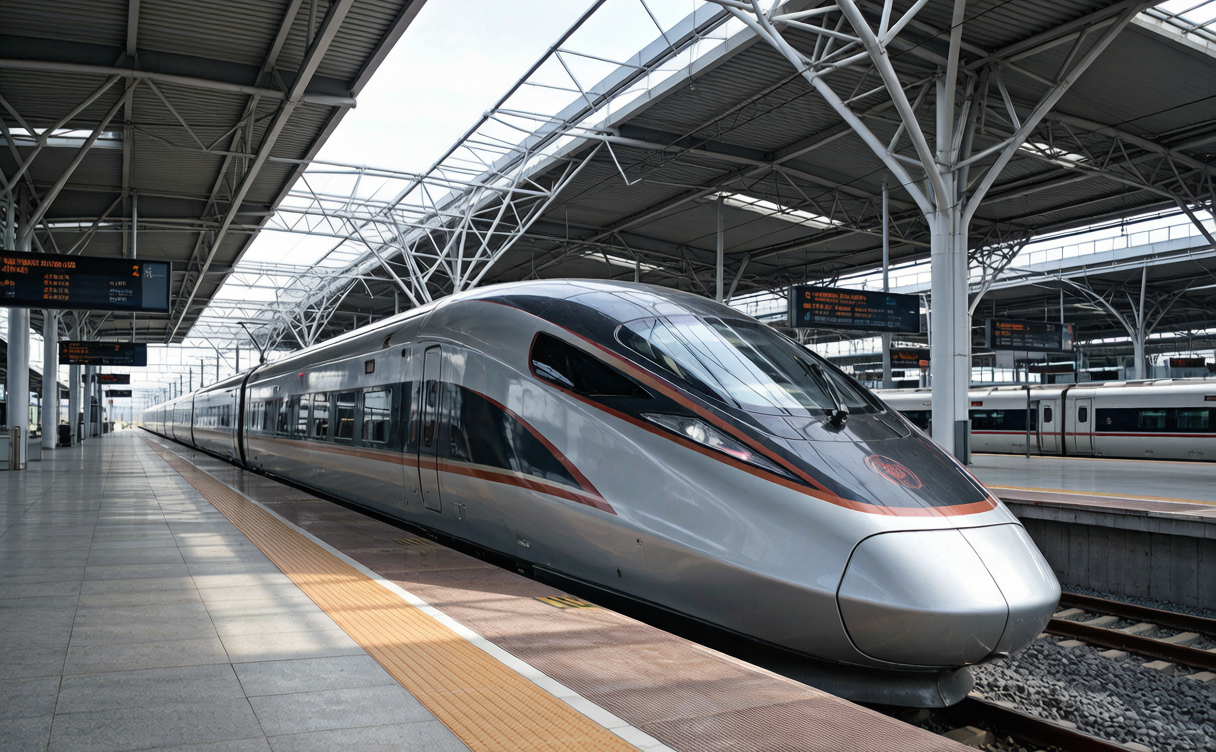
Second class is the default and is genuinely comfortable: three-abreast seats, power at every row, and a tray. First class adds a roomier 2+2 layout and quieter cars. Business class, on the longest lines, gives lie-flat seats and a lounge — worth it for a four-hour haul if the fare sale hits. For most foreign travelers, second class is the sweet spot, and the money saved funds another destination.
Navigating the Station
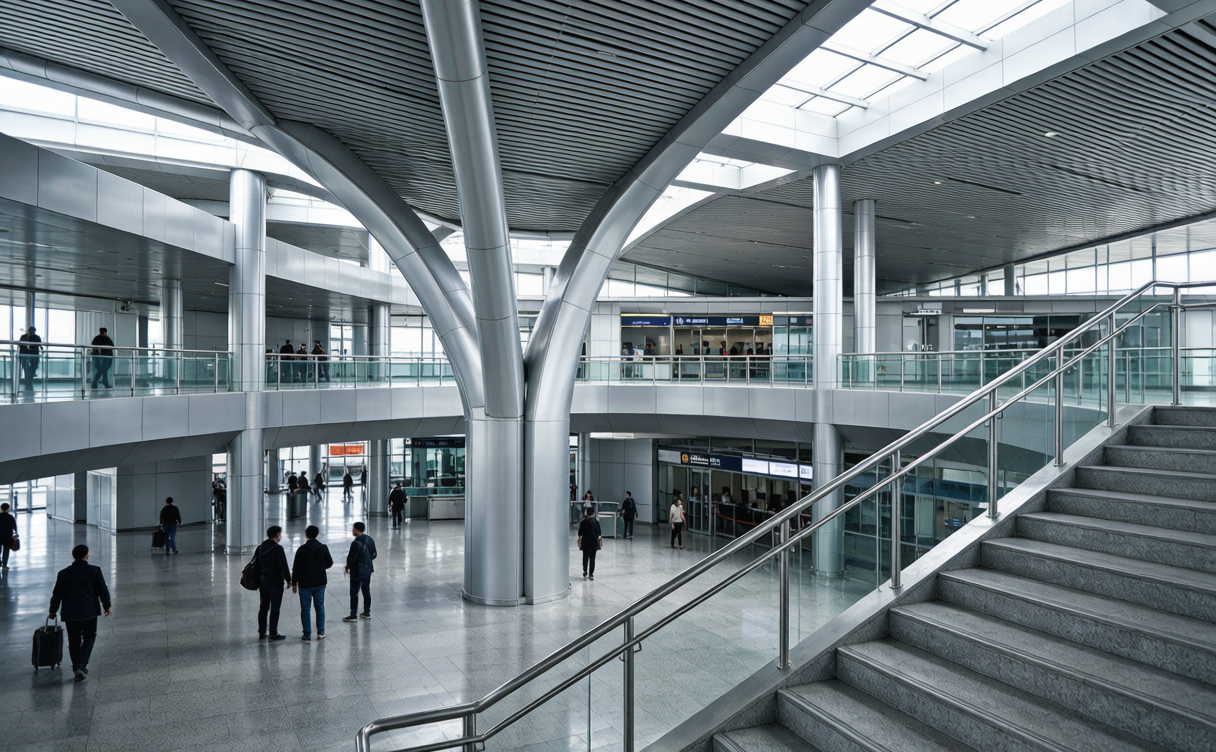
Chinese stations are big and signage is in English and Chinese, but the gates close a few minutes before departure, so arrive 30–40 minutes early your first time. Security is airport-style: bags go through a scanner, and you’ll show your passport at the gate along with the ticket. Find your gate on the overhead board, then follow the color-coded floor lines — blue for the platform side you need.
Scenic Lines Worth a Detour
Not every ride is just transport. The line from Guilin to Yangshuo threads limestone peaks you’ll want on the right-hand side; the Chengdu–Lijiang route opens onto high plateau light; and the coastal run down to Xiamen rewards a window seat with sea views for long stretches. When the itinerary allows, pick the slower scenic routing over a red-eye flight — you’ll arrive rested and with photos instead of a stiff neck.
Build at least one long train day into your plan on purpose. A four-hour business-class ride costs less than many flights, includes a meal, and lets you watch the countryside change from rice paddies to gorges. It’s the kind of slow travel that makes the rail network more than a way to get somewhere — it becomes a reason to go in its own right. If you’re torn between flying and riding, choose the train whenever the journey is under five hours; the math and the view both favor the rail.
Luggage, Food, and Onboard Life
Each seat has space above and behind for a standard suitcase; oversized bags go at the car ends. The dining car and the trolley sell noodles, coffee, and heated rice boxes at fair prices, but a convenience-store haul before boarding beats the trolley for choice. Trains are quiet, spotless, and punctual to the minute — a calm contrast to the stations that feed them.
Tips for Riding the Network
A few China travel tips that save headaches: book the moment the window opens for holiday travel, aim for seats in cars 1–4 near the entrance if you have luggage, and download the 12306 app’s English mode before you need it offline. Trains board by scanning the paper or e-ticket QR plus a passport check, so keep both ready and don’t pack your passport in the suitcase you stowed above.
The best time to visit China is also the best time to ride — spring and autumn bring clear views from the window and lighter load factors outside holiday weeks. If you must travel during a holiday, the best time to visit China guide explains which shoulder windows to target, and the China budget backpacking guide has strategies for grabbing seats when everything looks sold out, including the trick of checking for cancellations at odd hours.
FAQ
Can I use my foreign passport on 12306? Yes. Register with the exact passport name, buy on the English site, and carry the same passport to the gate. Mismatches between the booking name and the document are the usual failure point, so double-check spelling at registration.
Do I need to print my ticket? Not always — e-tickets work on many lines — but if you do print, use a staffed counter or red machine with your passport, since blue machines often reject foreign IDs and will strand you at the gate.
Are trains cheaper than flights? Usually, yes, for mid-range distances, and they put you city-center to city-center without airport transfers. For very long hauls, compare both, as promotional airfares sometimes undercut the rail.
How early should I book around holidays? The full 15-day window if you can; popular routes on the first and last holiday days sell out within hours, and standing room is not the experience you want on a four-hour ride.
What if my train is delayed? Bullet trains are punctual, but if one is, the app rebooks you on the next available and staff at the red desk sort it out — keep your passport and the original ticket QR handy.