

If there’s one live performance we tell every first-time visitor to China not to skip, it’s an acrobatics show. The discipline has roots going back more than two thousand years, and the modern troupes — state-funded and private alike — train kids from childhood to do things your brain tells you are physically impossible: stacking human pyramids on rolling globes, spinning a dozen plates on thin poles, drilling a motorcycle through a transparent globe packed with other riders. A China acrobatics show is the rare evening that works for grandparents, toddlers, and jaded teenagers simultaneously, which is exactly why we build it into so many itineraries. This guide covers where to watch, what to expect, and how to buy without getting scalped.
What acrobatics actually is (and isn’t)
A quick note for newcomers, because the China acrobatics vs circus question comes up constantly. Western circuses lean on animals, clowns, and ringmasters; Chinese acrobatics (za ji) is pure human physical theater — contortion, balance, juggling, aerial silks, diabolo, and bicycle towers — with music and lighting doing the storytelling. No animals, no ringmaster. In our experience, travelers who expected a Big Top are pleasantly surprised and travelers who expected Cirque du Soleil find it more old-school and more jaw-dropping in equal measure. The form’s long history is well summarized on Wikipedia’s Chinese acrobatics page if you want the dynasties and the disciplines before you go.
Where to watch in Shanghai
For most travelers, Shanghai is the easiest and best place to see it. The Shanghai Circus World (not a circus in the Western sense — the name stuck) hosts the long-running “ERA: Intersection of Time,” a 90-minute production that fuses acrobatics with a bit of water and light theater. We’ve sent dozens of people there; the finale — a motorcycle cavalcade inside a steel sphere — gets a standing ovation every night. Tickets run CNY 180–580 depending on seat tier, and the Shanghai first-time guide has the metro directions. This is the best acrobatics show in Shanghai by a wide margin for a first visit.
Where to watch in Beijing
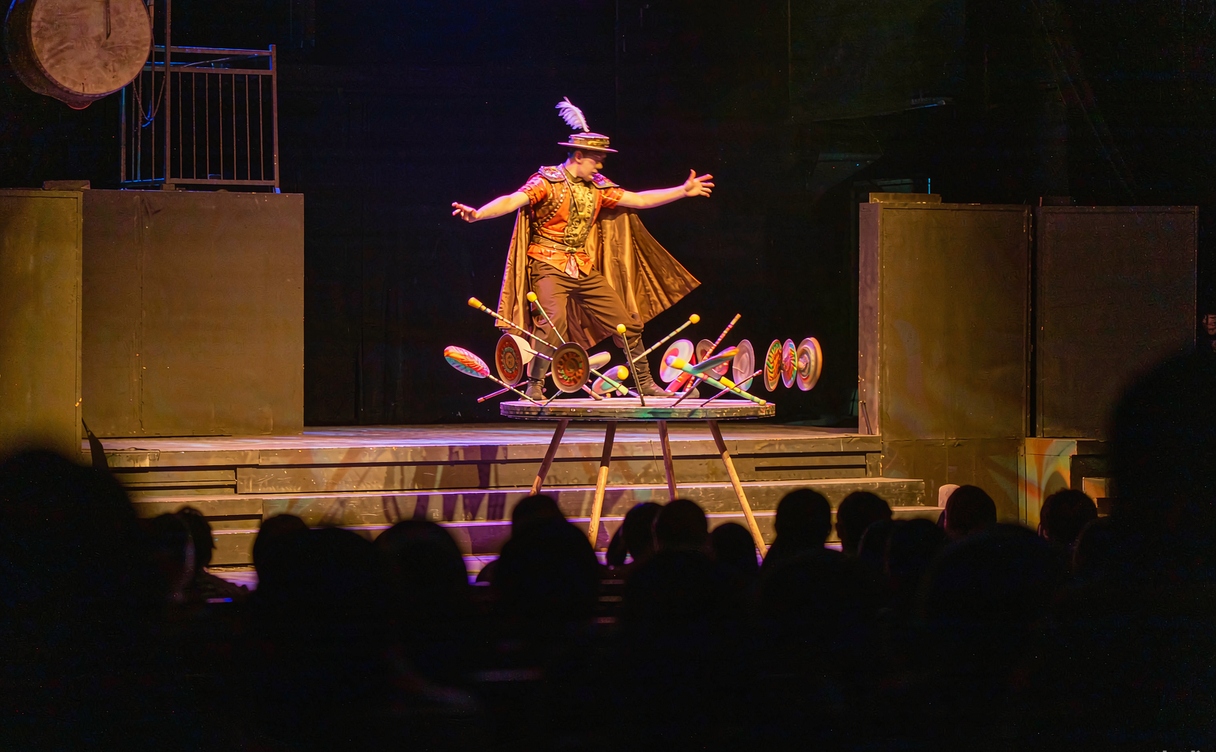
Beijing’s classic is the Tiandi Theatre near the northeast corner, home to performances by one of the country’s oldest troupes — the plate-spinning and chair-stacking are world-class. Tickets CNY 160–480. We like it for travelers already based in the capital and not venturing south; pair it with an evening in the hutongs. See our Beijing first-time travel guide for getting there. For a where to watch acrobatics in Beijing answer, Tiandi is the dependable default.
Other cities have strong troupes too — Wuhan, Chengdu, and Guangzhou all run nightly shows — but Shanghai and Beijing are the polished, tourist-proof versions we recommend to first-timers.
Ticket tips that actually save money
Our China acrobatics ticket tips after years of booking: buy direct from the venue box office or the official WeChat mini-program rather than the street touts outside, who inflate prices 2–3x. For Shanghai Circus World, mid-week seats are easier and sometimes cheaper than Friday–Sunday. Arrive 30 minutes early — the lobbies have photo ops and the front-of-house staff will point you to the best-angle rows. Avoid the “VIP” back rows; in these theaters the mid-center stalls are the sweet spot. Students and seniors sometimes get discounts at the box office with ID.
If you want a fuller evening out, our China nightlife and bar guide pairs a show with a post-performance drink district in either city.
Family, accessibility, and logistics
This is genuinely one of the best China family travel guide-worthy evenings you can book — no language barrier, no plot to follow, just spectacle. Most venues are stroller-accessible and have English surtitles or none at all (you don’t need them). Shows run roughly 70–90 minutes with no intermission, so hit the restroom first. Photography is usually banned during the performance but allowed in the lobby.
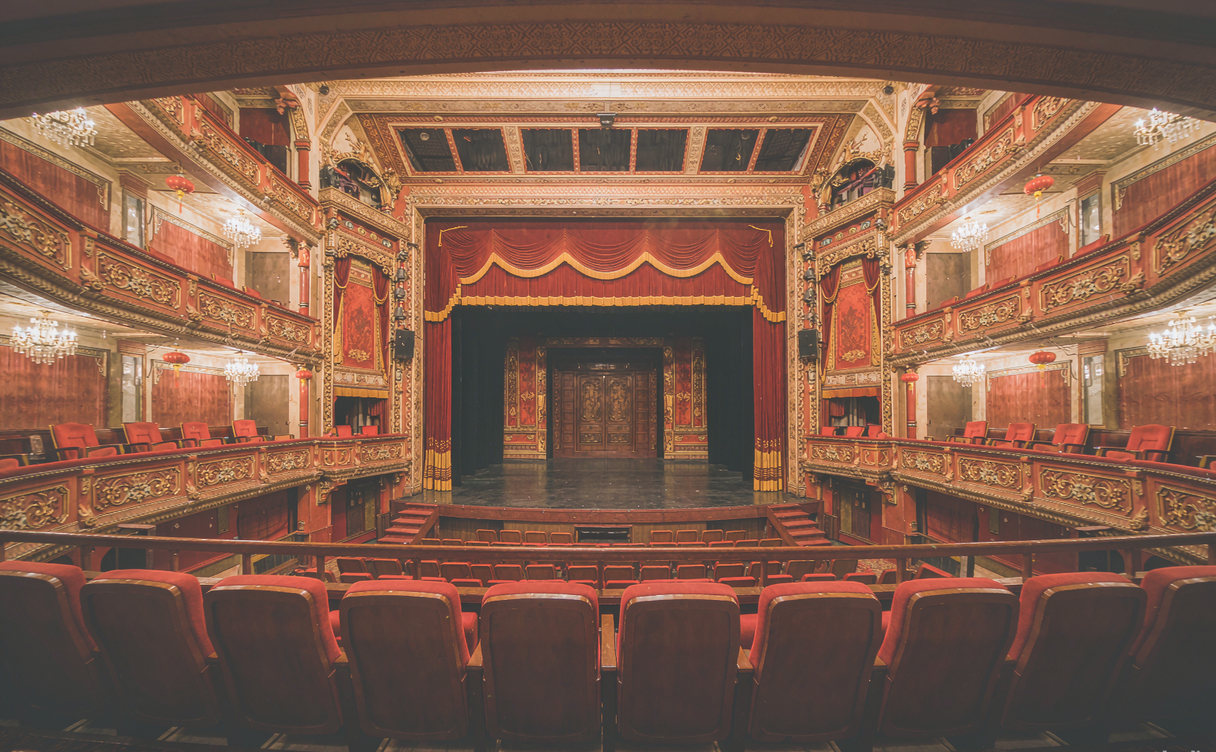
We tell families to book the 2–4 pm or 7 pm slot depending on the city, and to eat beforehand — venue snacks are pricey and limited. The whole thing is built for first-timers, which is why it is a staple of the plans we build for first-time visitors.
What to wear, and how to make an evening of it
A few practical things we’ve learned from booking hundreds of these. Dress smart-casual; the theaters are air-conditioned and the seats are theater-style, so a light layer helps if you run cold. Arrive 30 minutes early — the lobbies have costume photo ops and the staff will point you to the best-angle rows, and the box office sometimes releases unsold mid-tier seats at a discount right before curtain. Photography is banned during the show but encouraged in the lobby, so get your pictures in early.
Timing the evening matters. In Shanghai, the ERA show runs twice nightly in peak season; the 7 pm slot is the lively one and the later slot is quieter. In Beijing, the Tiandi Theatre has a single evening performance most nights, so build dinner around it — the hutong hotpot places nearby are a perfect warm-up. We tell travelers not to eat inside the venue (pricey, limited) but to plan a real meal before or after; both cities have late kitchens.
Accessibility is genuinely good. Both main venues are step-free at the stalls level, stroller-friendly, and close to the metro, so families with small kids or travelers with limited mobility are fine. There is no language barrier — the show is pure spectacle with music carrying the emotion — which is why it works for every age at once. Run time is 70–90 minutes with no intermission, so use the restroom first and buy water at the lobby.
If you want to compare the two cities: Shanghai’s ERA is the bigger, more theatrical production with water and light effects, while Beijing’s Tiandi is the more traditional troupe showcase — plate-spinning, contortion, and chair-stacking at the highest level. First-timers in Shanghai should default to ERA; travelers already in Beijing should take Tiandi. Either way, book direct, arrive early, and sit mid-center.
One more tip on photos and videos: the official videographer sells an edited clip of the performance for CNY 60–120 at the lobby desk; it is a nice souvenir but optional, because the real show is the stage, not the stands. If you are traveling with a group, ask the box office about the fourth-row bulk rate — troupes quietly discount blocks of six or more on weeknights. For sensitive ears, the live percussion is loud; earplugs for young children are a small kindness we’ve come to recommend.
Our pick and how to book
For a first trip, do Shanghai Circus World’s ERA if you’re in Shanghai, Tiandi if you’re in Beijing. Both are reliable, air-conditioned, and close to the metro. Where you sleep matters for a late show: we usually book travelers near the venue.
Add a show to your China plan — book seats and a nearby room with our best hotels in Shanghai near Circus World.
In the capital instead? Reserve the Tiandi Theatre performance using a central stay from the best hotels in Beijing.
Traveling with kids? Build the whole evening into a family plan with our China family travel guide and the right hotel.