

Baishan sits in southeastern Jilin and is the most convenient launch pad for the Changbai Mountain west slope, one of the wildest and least crowded ways to reach the famous Tianchi crater lake. If you want dramatic volcanic scenery, steamy hot springs, and some of the best autumn color in the northeast without the heavier crowds of the north slope, this is where to base yourself. Plan three to four days: one full day for the west slope, one for hot springs and forest hikes, and one for a side trip toward the Korean border counties or the food scene in nearby Yanbian. This Baishan travel guide covers how to get there, what to see, when to go, and a simple itinerary so you can build a trip that fits your pace and budget.
How to get to Baishan
Baishan is reached most easily through Changchun, the Jilin provincial capital, or through Tonghua and Baishan airports that serve regional flights. From Changchun, high speed rail and long distance buses connect to Baishan city in a few hours, and from there you transfer to shuttle buses heading south toward the Changbai Mountain west slope scenic area. If you fly into Yanji or Changchun, you can also hire a private car for the final stretch, which is the most comfortable choice when traveling with luggage or in winter. Within the city, taxis are cheap and ride apps work, but for the mountain you must join the official park shuttle because private cars cannot drive the final climb. Build buffer time into your arrival day, because mountain weather changes fast and the last shuttles leave before sunset.
Changbai Mountain west slope and Tianchi
The west slope is the quietest of the three main access points to Changbai Mountain and is favored by travelers who want clean views and fewer tour groups. The road from Baishan to Changbai Mountain west slope climbs through birch and conifer forest before opening onto high alpine meadows. From the parking area, a long staircase leads to the main viewing platform. Baishan to Changbai Mountain west slope takes roughly two to three hours by road, making it an easy half day round trip if you start early.
At the top, Changbai Tianchi from Baishan reveals itself as a deep blue crater lake ringed by a volcanic caldera. On a clear day the water is startling, and because the west slope sits lower than the north, the perspective feels wide and open. Visibility is never guaranteed, so many visitors plan two attempts or pair the trip with a second scenic stop. Below the summit, the west slope also has the Jinchi (Golden Pond) and the giant kaleidoscope of alpine flowers in summer. This is a strong centerpiece for any northeast China nature guide, because the combination of volcano, lake, and forest in one park is rare. For deeper background on routes and permits, see the Changbai Mountain guide.
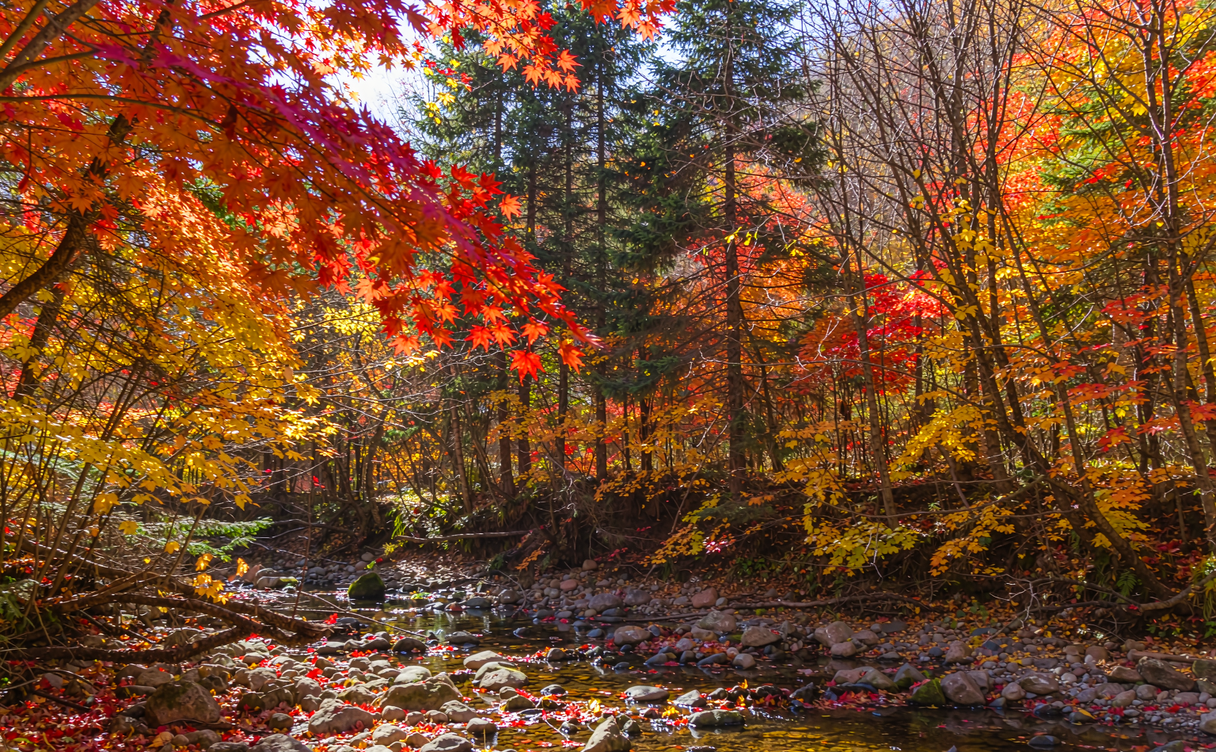
Autumn foliage near Baishan
For many visitors, the foliage is the real draw. Jilin autumn foliage near Baishan peaks from late September to mid October, when the mixed forests turn red, orange, and gold against dark pine. The west slope road and the hills around the city are excellent for slow drives and short walks, and the light in early morning is best for photography. Because the season is short and popular with domestic tourists, book transport and lodging a few weeks ahead. Maps and color reports are published by regional tourism offices, and you can track timing through local bulletins before you depart. If you want a broader nature framework, this area fits neatly into any northeast China nature guide focused on seasonal travel.
Hot springs and forest relaxation
After a cold morning on the mountain, the local hot springs are the perfect reward. Several spring resorts sit within easy reach of Baishan, fed by the same geothermal system that runs under Changbai Mountain. Outdoor pools surrounded by autumn leaves or light snow are the signature experience, and most resorts offer rooms so you can soak at night. Pair the springs with a gentle forest hike on the lower trails, where boardwalks keep the walking easy and the air stays fresh. This is a good rest day between bigger outings and works for families and older travelers.
Food: Korean cuisine in nearby Yanbian
Baishan borders Yanbian Korean Autonomous Prefecture, so the food scene leans heavily Korean. Within Baishan you will find cold noodles, kimchi, savory pancakes, and grilled dishes, but the fullest experience is a short trip to Yanbian. The Yanbian travel guide explains the towns, markets, and festivals worth the detour, while the Yanbian Korean cuisine guide lists the signature dishes to order. Try naengmyeon (cold buckwheat noodles) in summer, sizzling barbecue in autumn, and warm soybean stews as the weather cools. Markets sell dried fish, rice cakes, and fruit you will not see elsewhere in China. Food alone justifies a side trip, and the border atmosphere gives the region a distinct cultural layer.
Best season for Baishan
The best season for Baishan depends on what you want. Autumn, from late September to mid October, gives the most reliable scenery with clear air, colorful leaves, and comfortable hiking. Summer, from June to August, is cool and green, with wildflowers on the high meadows and the lowest chance of road closures from ice. Winter, from December to February, is harsh but beautiful, with snow covered forests and steaming springs, though some high trails close. Spring is the weakest window because the melt is muddy and views are often hazy. For most first time visitors, plan around the autumn color or the cool summer, and always check the mountain status the day before you go because weather governs access.
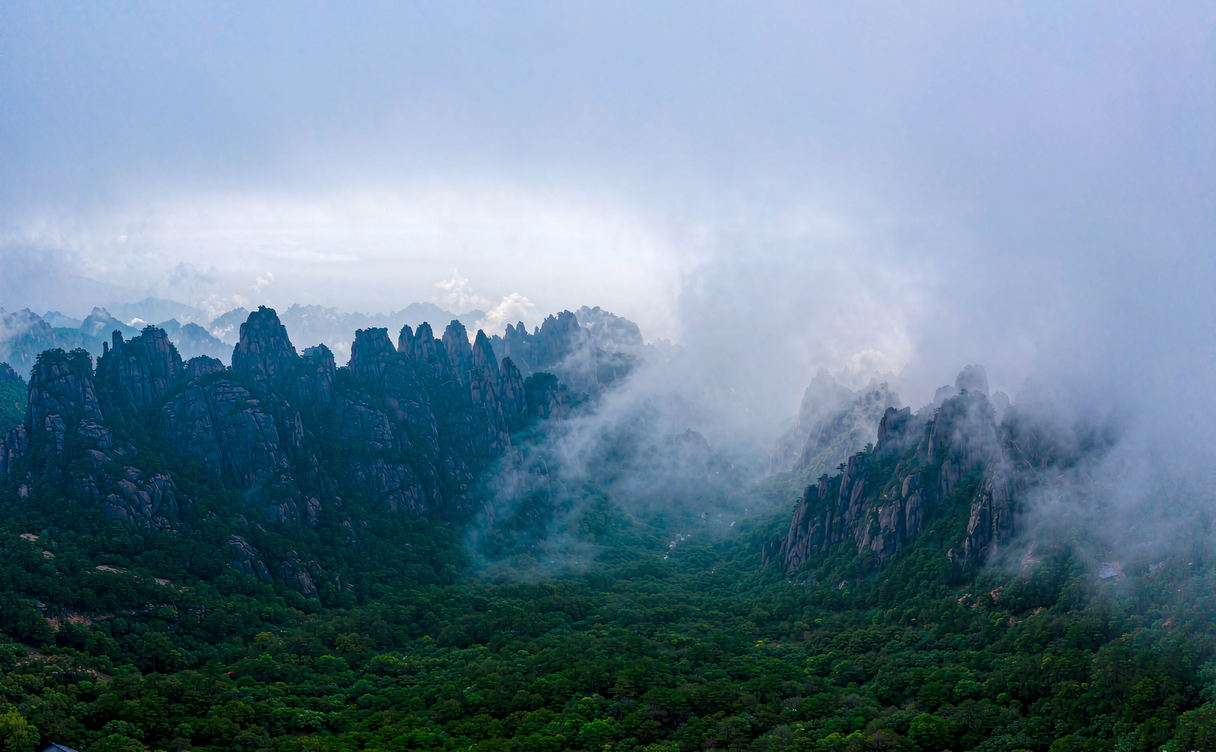
Things to do in Baishan Jilin
If you want a fuller list, things to do in Baishan Jilin go well beyond the mountain. Visit the lower forest parks for birch groves and waterfalls, explore small border towns that show daily life near the frontier, and spend an evening in a local night market sampling Korean snacks. Photography lovers should wake early for mist over the rivers, and culture seekers can tour the museums that explain the region’s volcanism and minority heritage. Add a soak in the hot springs and a drive through the autumn hills and you have a well rounded trip. This mix of nature, food, and quiet towns is exactly why Baishan works as a base rather than a quick stop.
Suggested itinerary
A simple four day plan keeps the trip relaxed. Day one: arrive in Baishan, settle in, and eat Korean food in the evening. Day two: early start for the west slope and Tianchi, returning in the afternoon to a hot spring soak. Day three: drive the autumn foliage route or take a side trip to Yanbian for markets and border town atmosphere. Day four: a slow morning in a forest park before heading out via Changchun or Yanji. If you have only two days, cut the Yanbian leg and focus on the mountain plus hot springs. Travelers who want winter scenery can swap autumn hikes for snow views and then continue north for the famous rime ice formations found elsewhere in Jilin.
Planning tips and official information
Baishan rewards slow travel, so resist cramming the mountain, food, and foliage into one rushed day. Buy park tickets online where possible, carry layers because the summit is far colder than the city, and keep cash for small vendors in rural stops. Cell coverage is good in town but weaker on the high slope, so download maps in advance. For current opening hours, shuttle times, and conservation rules, consult the official provincial tourism portal at Visit Jilin tourism before you depart. With a little flexibility around the weather, Baishan delivers one of the most complete nature and culture experiences in Jilin.
Base yourself at Changbai Mountain guide for the west-slope access.
Add Yanbian travel guide for Korean culture and food nearby.
See winter ice scenery with our Wusong Island Jilin guide.