

Dali sits in western Yunnan, a place where the mountains meet a vast freshwater lake and where the Bai people have built a kitchen that is as layered as the landscape around it. Most travelers arrive for the old town, the stone bridges, and the unhurried rhythm of lakeside life. Yet the memory that tends to linger longest is often what was served at the table. Bai food is intimate, ingredient-led, and quietly confident. It rarely raises its voice the way some of China’s better-known regional cuisines do, but it rewards anyone who sits down in a local restaurant and orders with a little curiosity.
This Bai food guide is written for exactly that kind of traveler. We will look at the ingredients that shape the cuisine, the dishes worth seeking out, how it compares with neighboring food traditions, and the practical details of finding a good meal. Consider it your starting point for exploring Bai cuisine Dali style, whether you are planning a dedicated food trip or simply hoping to eat well between sightseeing stops.
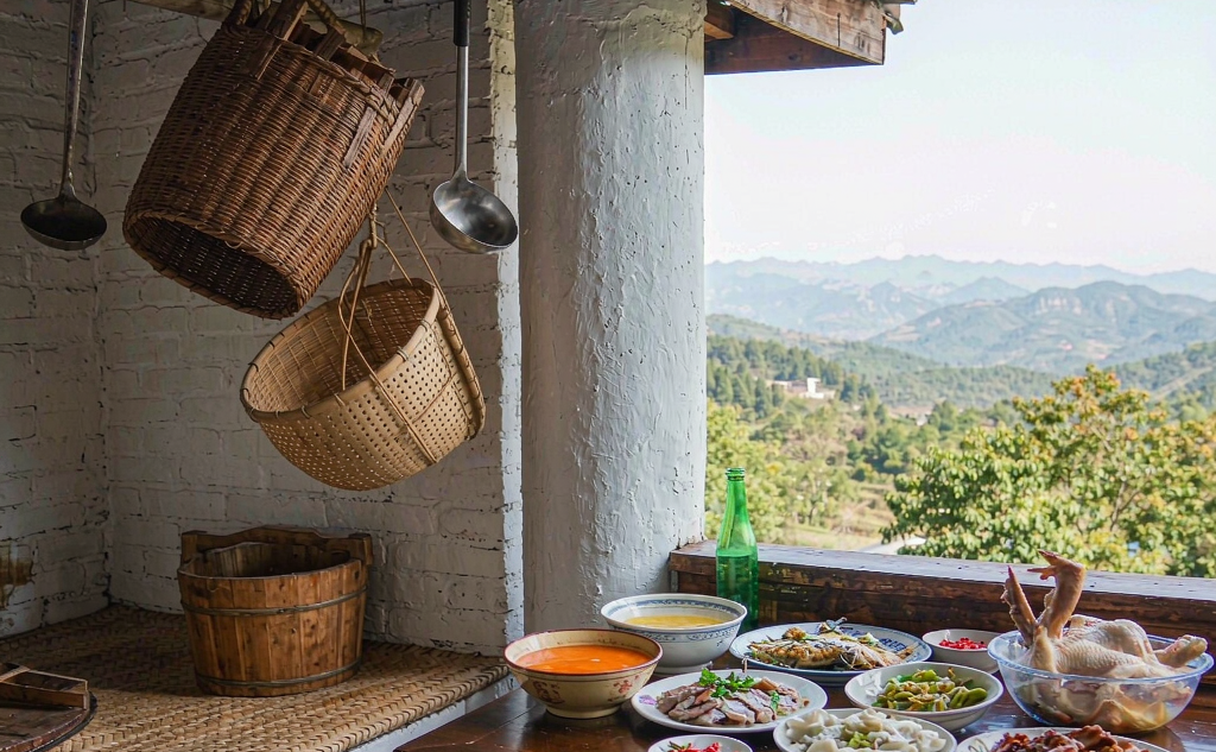
What Makes Bai Food Distinct?
Bai food is rooted in the fertile flatlands around Dali and in the clear waters of the lake beside the city. It is one of the distinctive ethnic cuisines of southwestern China, shaped by centuries of farming, trading, and festival cooking. You can read a little of that history in broader surveys of Chinese regional cooking, but the Bai kitchen has a character all its own.
The Land and the Lake
The single most important influence is the water. Erhai Lake has fed the region for generations, supplying fish, lotus roots, and the moisture that makes local vegetables so crisp. The surrounding fields add broad beans, pumpkins, chilies, and a distinctive local cheese. Travelers who know only the noodle shops of eastern China are often surprised by how much of this cuisine is built around fresh produce and dairy rather than heavy sauces.
Sour, Spicy, and Aromatic
The flavor profile leans bright. Fermentation plays a quiet but vital role: pickled vegetables and bean pastes bring a tangy depth that lifts simple stir-fries. Chilies appear, but usually to perfume rather than to scorch, and herbs are used generously. The result is food that feels clean and lively. If you enjoy the sour-and-spicy balance found across the province, the flavors here will feel both familiar and refreshingly distinct. Cultural context helps too, and the background on China.org.cn offers a useful introduction to the people and traditions of the region.
Traditional Bai Dishes You Must Try
A good first meal is a shared one. Rather than ordering a single main, gather a few plates and taste across them. These traditional Bai dishes are the ones locals are most likely to recommend.
The Signature Plates
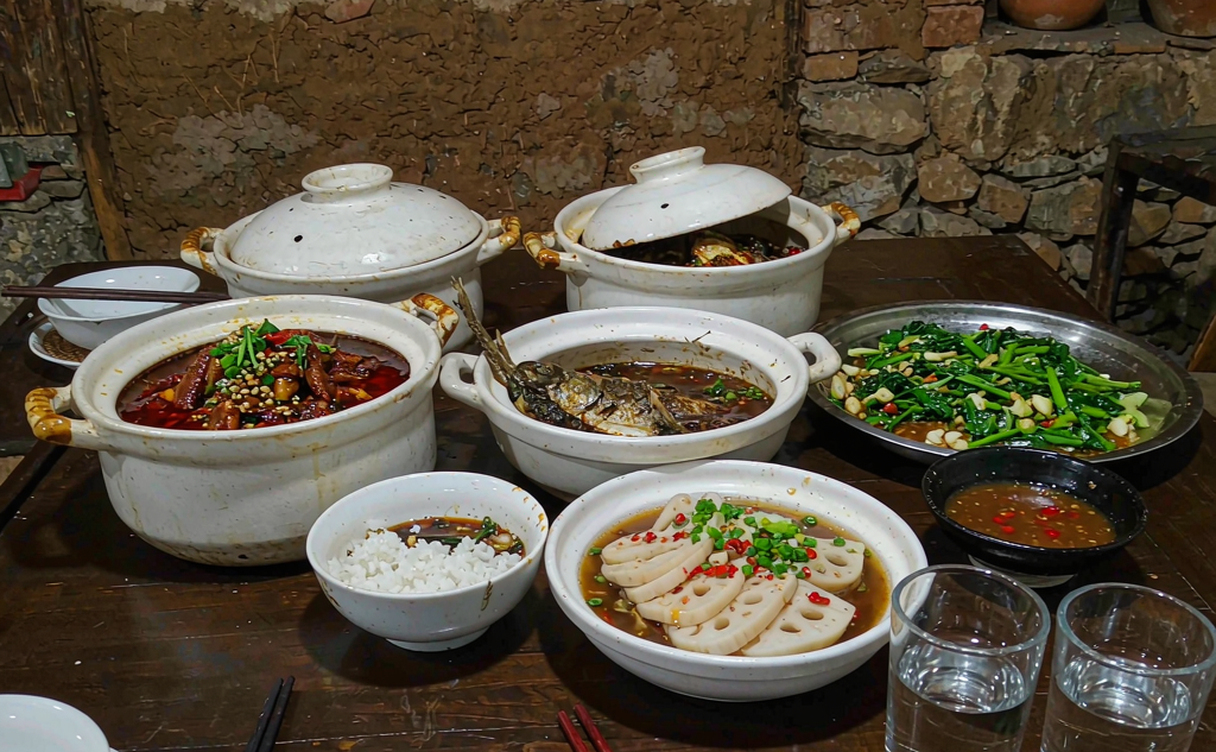
Sour and spicy fish is the dish most associated with the Bai table. A whole fish is typically scored and simmered with pickled greens, chili, ginger, and a splash of local wine or vinegar. It is fragrant, tangy, and distinctly lake-fed. Bai-style pork with preserved vegetables is another staple, slow-braised until the fat turns silky and the pickled mustard greens cut through the richness. Milk fan, a delicate sheet made from skimmed milk, is gently warmed and eaten with sweet or savory accompaniments; it is a small, memorable expression of the local dairy tradition. Lotus root stuffed with sticky rice and braised in a light syrup shows the softer, sweeter side of the kitchen.
Noodles, Snacks, and Street Food
No exploration of the cuisine is complete without noodles. The region has its own versions of the rice noodle bowl, served in a clear broth with herbs, pickles, and slices of meat. For a wider view of what Yunnan does with noodles, see our guide to Yunnan rice noodles. Along the old streets you will also find grilled tofu, sesame flatbreads, and sweet pastries sold from small stalls. These simple snacks are inexpensive and perfect for grazing between sights.
Bai vs Naxi Food: How Do They Differ?
Yunnan is home to many ethnic kitchens, and two of the most visited are those of the Bai around Dali and the Naxi around Lijiang. Understanding Bai vs Naxi food is a nice way to sharpen your palate as you travel north.
The comparison comes down to ingredients and intensity. Bai cooking, as described above, leans on lake fish, dairy, pickled vegetables, and bright acidity. Naxi food, by contrast, tends toward heartier mountain fare: cured pork, potatoes, wild mushrooms, and robust seasonings, with less emphasis on dairy. Both traditions use fermentation, but the Bai version often tastes lighter and more aromatic, while the Naxi version skews richer and more rustic. If you want to trace the Naxi side of the story through its old town and restaurants, the Lijiang food guide is a good companion read.
Neither tradition is better than the other. They simply answer different landscapes. Tasting both on a single trip makes the differences obvious in a way no description can fully capture.
Where to Eat Bai Food
One of the most common questions from first-time visitors is where to eat Bai food. The honest answer is that the best meals are often found a short walk from the tourist core.
In Dali
Start in the old town and in the villages along the lake, where family-run restaurants serve the classics to neighbors as well as visitors. Look for places with a short, seasonal menu and a crowd of local diners. Many restaurants will bring a complimentary pot of local tea and a plate of snacks before the main dishes arrive. For a broader look at the city beyond the plate, our Dali food guide covers the wider eating scene.
Beyond Dali
If your route continues through the province, you will find Bai restaurants in other Yunnan cities. The Kunming food guide explains where regional flavors gather in the capital, and is useful if Dali is only one stop on a longer journey. For a striking contrast, the Xishuangbanna food of the tropical south shows just how varied this province’s ethnic kitchens can be.
A Practical Bai Food Guide for Travelers
A few small habits will make your meals smoother and more enjoyable.
- Order to share. A table of three or four plates gives you a far better sense of the cuisine than one large main.
- Ask about the fish. Lake fish is the star, but preparations vary. Asking which is fresh that day is never a wrong move.
- Embrace the pickles. Fermented vegetables are central to the flavor profile, and many restaurants make their own.
- Go at local hours. Lunch is typically earlier and dinner is relaxed; the best home-style places can close once the food runs out.
- Carry some cash. Small family restaurants may not always accept foreign cards, even in tourist areas.
Frequently Asked Questions
Is Bai food spicy? Milder than many people expect. Chilies are used for aroma more than heat, and the defining note is usually a gentle sourness from pickled vegetables.
What is the most famous Bai dish? Sour and spicy fish is the best-known, followed closely by pork with preserved vegetables and milk fan.
Is Bai food Yunnan food? Yes, in the sense that it is one of the province’s important ethnic cuisines, but it is distinct from the better-known Han-style Yunnan dishes and from the cooking of neighboring groups. When people talk about Bai food Yunnan style, they usually mean the lake-and-farm flavors centered on Dali.
Can vegetarians eat well here? Absolutely. The emphasis on vegetables, tofu, dairy, and noodles means there are plenty of satisfying meat-free options, though it helps to ask whether a broth contains meat.
Final Thoughts
Bai cuisine is a reminder that some of the most rewarding food experiences come from places that do not advertise themselves loudly. It is a cuisine of the lake and the field, of fermentation and freshness, best understood by sharing several dishes with the people who cooked them. Seek out a small restaurant, order slowly, and let the meal unfold. That is the surest way to understand the flavors of Dali’s ethnic kitchen.