

The road from Kashgar to Tashkurgan, Xinjiang, China climbs so steadily that I did not notice I was already above 3,000 meters until the poplar trees gave way to bare Pamir granite. Tashkurgan — the name means “stone tower” in Tajik — is the last town before the Khunjerab Pass into Pakistan, and it sits in a high valley ringed by snow peaks. This Tashkurgan Xinjiang travel guide draws on my own drive along the Karakoram Highway, and it focuses on the practical hurdles (permits, altitude, fuel) that catch first-timers off guard.
Why Travel to Tashkurgan
Most foreign visitors to Xinjiang stop at Kashgar. Going further south to Tashkurgan rewards you with the Pamir Plateau (帕米尔高原), a landscape of glacial peaks and Kyrgyz-Tajik herding culture you simply do not see elsewhere in China. The town itself is small, but the day trips — Karakul Lake, the Stone Fort, Muztagh Ata’s flanks — are the point.
For context on the wider region, my Xinjiang Pamir Plateau Kashgar guide explains how to use Kashgar as your launch base and what the old city offers before you head up.
The Border Permit (边境通行证)
This is the single most important item. Tashkurgan is a border control county, and foreigners must hold a Border Area Permit (边境管理区通行证). I obtained mine at the Kashgar Public Security Bureau entry-exit window (喀什地区公安局出入境), bringing my passport and a passport photo; processing took about 30 minutes and cost nothing. Some travelers get it through a Kashgar travel agency for RMB 50–100 as a convenience.
Without the permit, the highway checkpoint at Opal (奥依塔克) will turn you back. Get it in Kashgar the day before you leave — do not assume your hotel can issue it.
Best Time to Visit Tashkurgan
The best time to visit Tashkurgan is late May through early October. I drove it in early June and the passes were clear, the apricot blossoms gone but the grasslands green. Winters are brutally cold (nights below −20°C) and some guesthouses close. July–August is pleasant but the Khunjerab road can flood in spots after rain.
For broader seasonal logic across the region, the best time to visit China guide notes that far-western Xinjiang warms up weeks later than the east.
How to Get to Tashkurgan
From Kashgar:
- Private car / driver: The standard option. A 4WD with driver for the round trip runs RMB 1,200–1,800 per day including fuel. The 290 km takes 4–5 hours each way on the G314 (Karakoram Highway). I shared a car with three others and split it.
- Public bus: Kashgar long-distance station runs a daily bus (RMB 95–120, ~6 hours) but it leaves at 09:00 and returns next morning, limiting your time.
- No train: There is no rail to Tashkurgan yet, so road is the only way.
Altitude note: Kashgar is ~1,300 m; Tashkurgan is ~3,100 m; the White Sand Lake and Karakul Lake stops hit 3,300–3,600 m. I felt lightheaded at Karakul and recommend arriving hydrated, avoiding alcohol the first night, and carrying Diamox if prone to altitude sickness.
Things to Do in Tashkurgan
1. Tashkurgan Stone Fort (石头城)
The ruined fort above town dates back over 2,000 years as a Silk Road watchtower. Entry RMB 30. I walked the ramparts at golden hour; the broken mud walls against the Muztagh Ata backdrop are unforgettable.
2. Karakul Lake (卡拉库里湖)
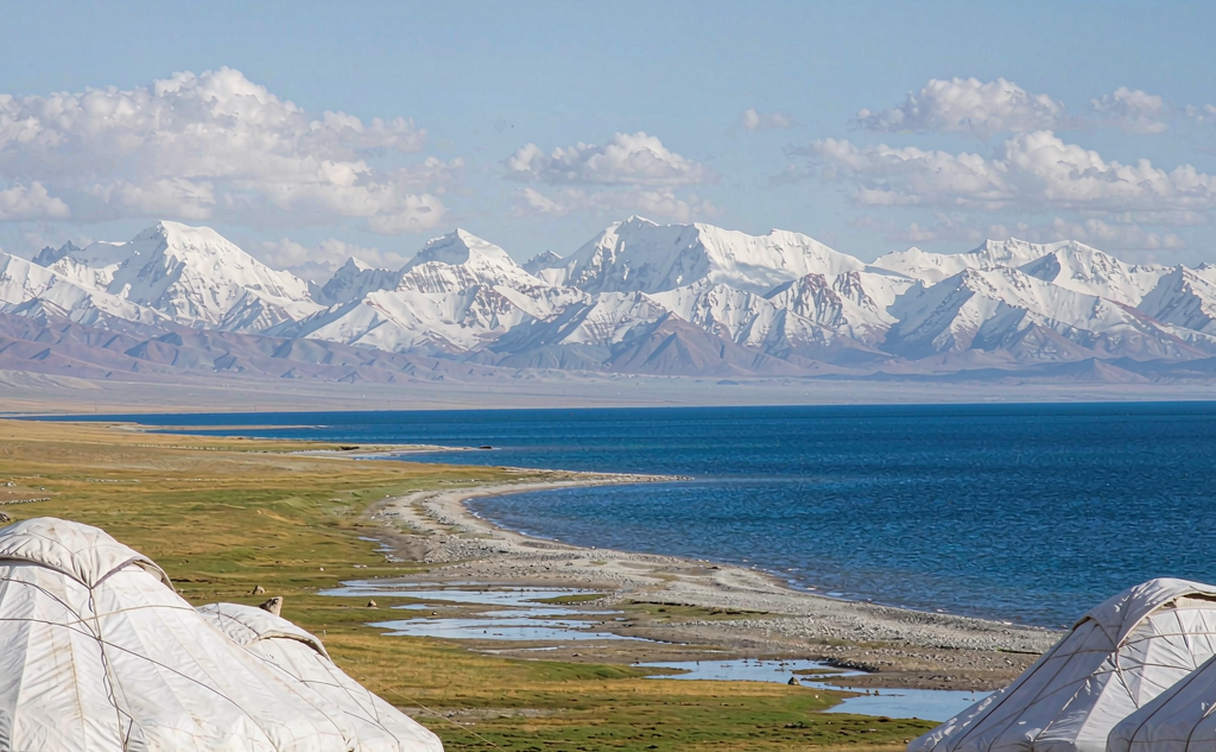
About 190 km from Kashgar, this glacier-fed lake mirrors Muztagh Ata (慕士塔格峰, 7,509 m). A yak-cart ride along the shore costs RMB 50. I paid RMB 20 to enter the lakeside area (some seasons free). Camp at the lakeside yurt guesthouses (RMB 120–200 with dinner).
3. Muztagh Ata base and White Sand Lake (白沙湖)
The white-sand lake appears suddenly on the drive, a turquoise mirror beneath a pale dune. Free to view from the road; a viewpoint fee of RMB 40 applies at the developed stop.
4. Golden Grassland (金草滩) and the Tajik villages
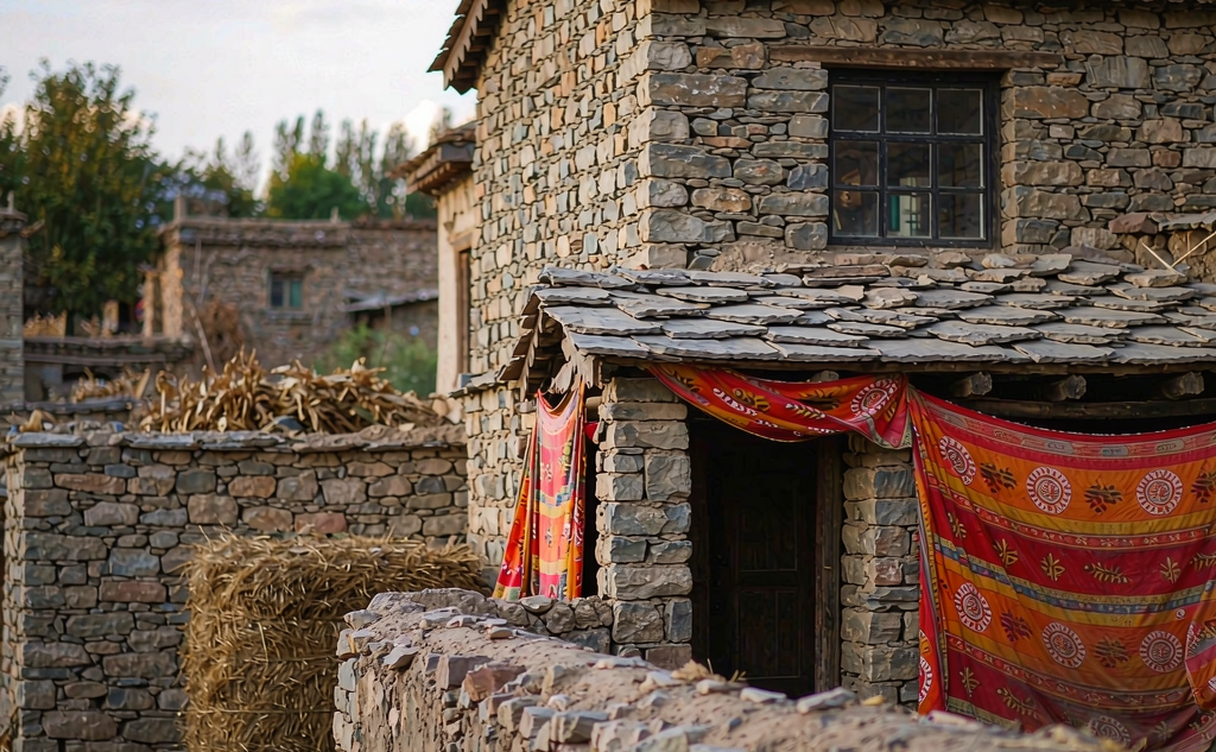
North of town, the grassland beside the Tashkurgan River turns gold at sunset. Local Tajik families sometimes welcome visitors for butter tea (RMB 10). I found this the warmest cultural moment of the trip.
5. Khunjerab Pass (红其拉甫口岸) — check status
The border crossing to Pakistan is often closed to casual tourists and altitude there reaches 4,700 m. I did not cross; most foreigners just photograph the pass marker on a guided day trip (RMB 300–500 extra). Confirm with your driver, as access varies by season and policy.
Tashkurgan Itinerary
Day 1: Leave Kashgar 09:00, stop at White Sand Lake and Karakul Lake, overnight in Tashkurgan (or a Karakul yurt).
Day 2: Stone Fort at sunrise, Golden Grassland at dusk, optional Khunjerab day trip.
Day 3: Return to Kashgar by afternoon.
If you want a wider China frame, the Pamir ranks among the top off-the-beaten-path destinations in our coverage.
Food and Culture
Tashkurgan’s food leans Tajik and Kyrgyz: hand-grabbed mutton (抓饭) RMB 25, nai Cha (milk tea) RMB 8, and nan bread RMB 3. I ate at the small halal spots on Tashi Road (塔什路); a filling meal ran RMB 30–50. Meals are simple but hearty, and the Tajik hospitality turned even a roadside noodle stop into a warm memory.
For the regional table, the Xinjiang food guide covers the wider Uyghur and Central Asian flavors you’ll meet on the way up from Kashgar.
The mountains that define this whole region are described in detail on Wikipedia’s Pamir Mountains page, a solid primer on the “Roof of the World” geography before you drive it.
Where to Stay and Booking
Tashkurgan has basic but clean hotels: the Pamir Hotel and a few local inns run RMB 200–380/night. I booked the Pamir Hotel (RMB 260) and it had heating, hot water, and an oxygen tank at reception — useful at altitude. Karakul yurt stays are bookable through your driver or Kashgar agencies, not online, so arrange the day before.
Practical Notes
- Fuel and cash: Fill up in Kashgar; petrol stations thin out. Carry RMB cash — cards and Alipay falter at small lakeside stops.
- Documents: Carry passport + permit at all times; there are two checkpoints.
- Connectivity: Signal is patchy past Karakul; tell someone your plan.
- First-timer prep: A general China first-timer guide covers permits mindset, SIM cards, and payments useful even this far west.
Tashkurgan is not easy, but the Pamir rewards effort like nowhere else I have traveled in China. Plan the permit, respect the altitude, and the stone towers and glaciers will do the rest.