

When travelers ask us where they can stand on the northern tip of China and watch the snow glow green with the aurora, we always point them to the Greater Khingan Range, China. This is Daxinganling — a vast, sparsely populated band of birch, larch, and permafrost that stretches across the northern edge of Heilongjiang and dips into Inner Mongolia. On our last scouting trip we took the overnight train north from Harbin, stepped off into –28°C air, and understood why so few foreign visitors make it this far: it is remote, rugged, and quietly unforgettable.
This Daxinganling travel guide walks through what to see, when to go, how to get there, where to sleep, and what it actually costs. It is written for independent travelers who want the real northern China, not a theme-park version of winter. If your route already covers Harbin or the northeast, Daxinganling is the natural final push toward the top of the map.
Why Visit Daxinganling
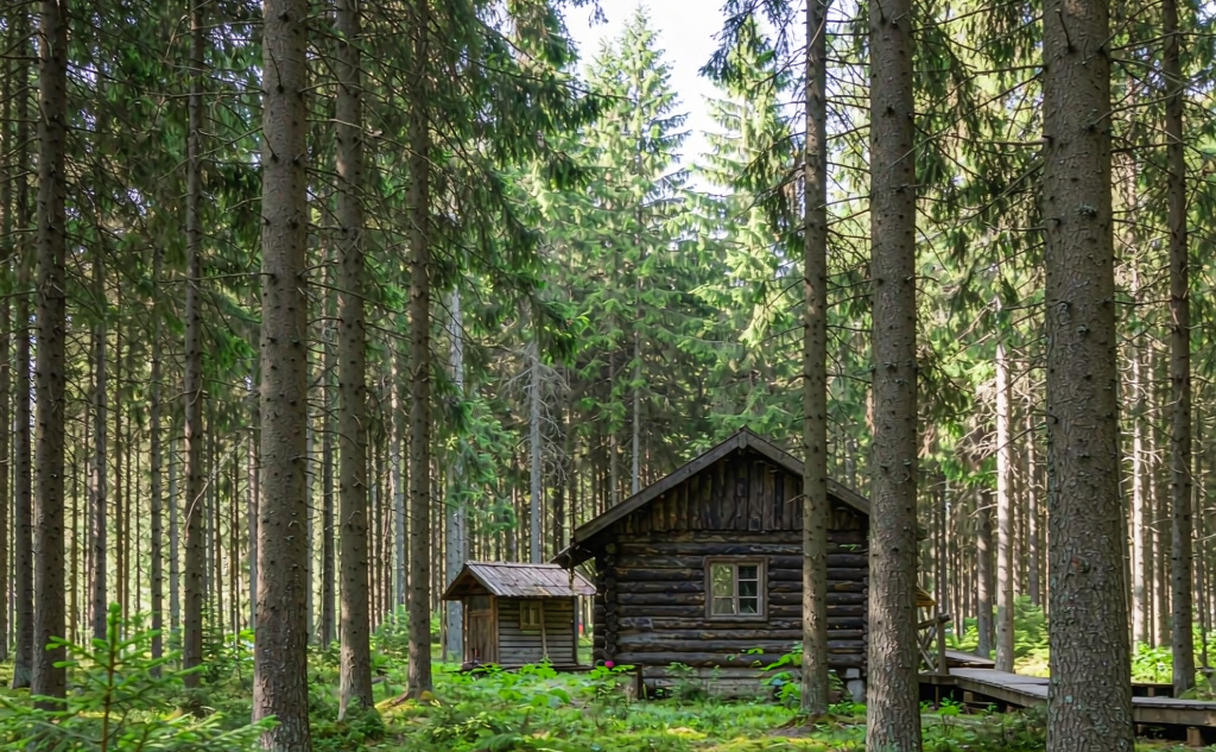
Daxinganling is the kind of place that rewards patience. The forests here are among the last great intact taiga ecosystems in the country, home to moose, red-crowned cranes in the wetlands, and brown bears in the deeper ranges. But the headline draw is geography: this is where China literally ends in the north. The town of Mohe and its Arctic Village (Beiji Cun) sit closer to the Arctic Circle’s spirit than anywhere else in the nation, and the Heilongjiang River forms the border with Russia, wide and frozen solid in deep winter.
We’ve sent travelers here for three distinct reasons. Some come for the aurora and the “find the north” monument at the northernmost point of China. Others come in July and August, when the forests turn into a cool, mosquito-light escape from the southern heat and the rivers are open for boat trips. A smaller, hardier group comes for the ice-and-snow festivals and the surreal experience of standing on a frozen international river.
Mohe and the Arctic Village
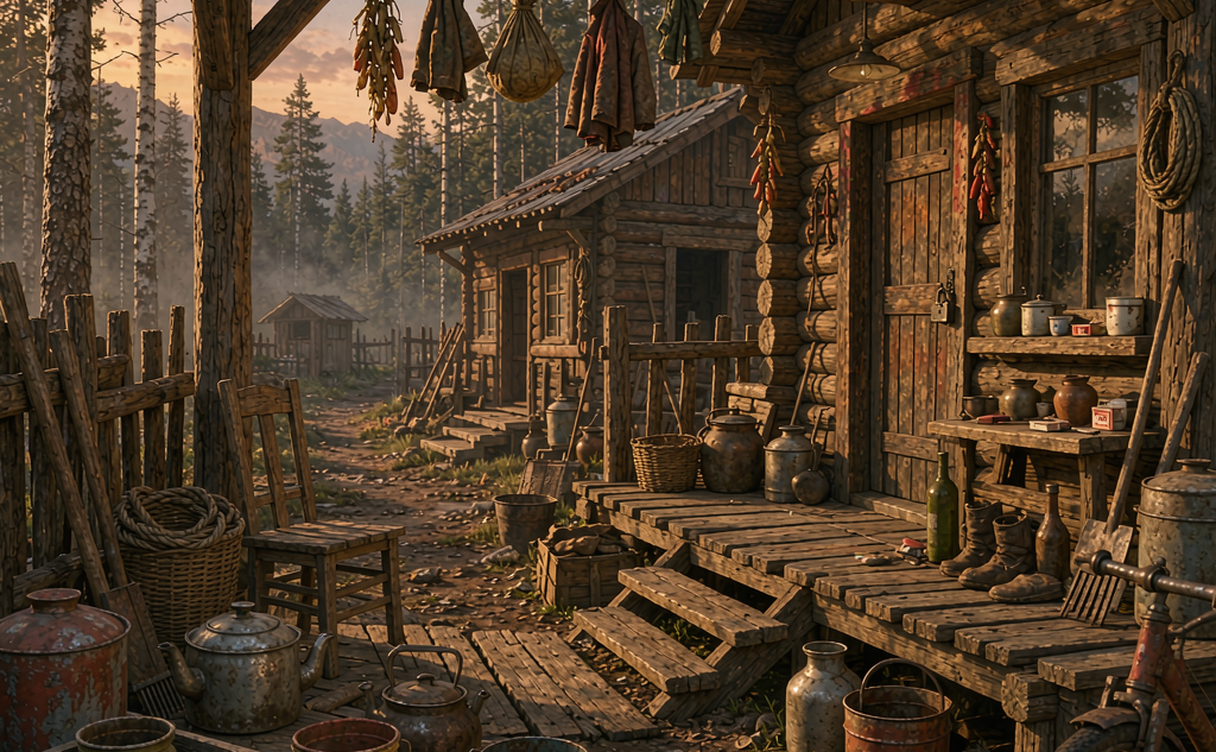
Mohe County is the gateway, and the Arctic Village (Beiji Cun) is its star attraction. The village is a cluster of timber cabins, sled-dog yards, and viewing platforms built around the claim of being China’s northernmost settlement. It is touristy in peak season, yes, but the setting is genuine: birch forests, a slow river, and skies dark enough for the aurora borealis to show on clear winter nights from roughly November through March.
Background on the mountain system that shapes this whole region is summarized on Wikipedia’s Greater Khingan Range page. For timing your trip around the rest of the country, our best time to visit China guide breaks down seasonal weather across every region.
Things to Do in Daxinganling
Beyond the Arctic Village, the range rewards travelers willing to explore slowly. Here are the experiences we recommend most often.
- Beiji Square and the “Northernmost” markers: photo stops at the stone marking China’s northern extreme, plus the northernmost post office and school — kitschy but fun.
- Heilongjiang River ice road: in January and February locals drive and walk across the frozen river; guided trips let you stand on the border itself.
- Birch and larch forest hikes: short trails near Mohe and the Tahe area give easy access to the taiga, with wooden boardwalks and wildlife signs.
- Wusuli and Huma river valleys: quieter alternatives to Mohe, good for fishing villages and summer greenery.
- Aurora watching: even when the lights stay hidden, the winter stars over the snow are worth the cold.
For a fuller northeastern plan, our Harbin travel guide covers the city most travelers use as their launch point toward the north.
Best Time to Visit Daxinganling
The best time to visit Daxinganling depends entirely on what you want. Winter, from late November to early March, brings temperatures that regularly fall below –30°C but also the best chance of aurora, the frozen-river experience, and the famous “cold pole” bragging rights. We tell clients to pack rated –40°C gear, because the wind off the river bites hard.
Summer, from mid-June to August, is the opposite extreme: daytime highs of 18–25°C, long daylight (the sun barely sets before 9 pm near the solstice), and open rivers for boating. This is the best window for forest hikes and wildlife without frostbite risk. Autumn, in September, paints the larch gold for a few short weeks before the first snow.
How to Get to Daxinganling
Getting to Daxinganling is half the adventure, and it starts in Harbin. The simplest route is a flight from Harbin Taiping International Airport to Mohe Gulian Airport, about 1 hour 50 minutes, with fares from RMB 600 in shoulder season to RMB 1,500 in winter peak. Flights sell out around the Spring Festival and National Day holidays, so book early.
The romantic option is the train. A regular sleeper from Harbin to Mohe takes roughly 18 to 21 hours, with hard-sleeper tickets around RMB 320 and soft-sleeper around RMB 500. There is no high-speed line this far north yet, so expect a slow, rattling ride through snowy plains. From Mohe town, buses and hired cars cover the final 80 km to the Arctic Village in about 90 minutes, costing RMB 40 by public bus or RMB 200–300 for a private car.
Foreign visitors should review our China high-speed train guide for foreigners even for the Harbin leg, since real-name ticketing and passport rules apply. Keep your passport on you at all times — it is the document you use to collect tickets and check into hotels.
Where to Stay and What It Costs
Accommodation in Mohe ranges from basic guesthouses to timber-cabin resorts. Expect to pay RMB 200–350 per night for a clean mid-range room in town, rising to RMB 600–900 for a heated cabin inside the Arctic Village scenic area during winter peak. The scenic-area entrance fee itself runs about RMB 60–100, with separate charges for sled rides (RMB 80–150) and aurora-viewing platform access.
Food is hearty and cheap: northeastern dumplings, frozen pears, river fish hotpot, and grilled mushrooms fill you up for RMB 40–80 per meal. The same hearty cuisine carries into Daxinganling kitchens, so the Harbin food guide dishes we recommend up north are worth knowing before you head this far east.
A Sample Daxinganling Itinerary
A realistic Daxinganling itinerary is three to four days. Day one: fly or train into Mohe, settle in, and walk the town. Day two: full day at the Arctic Village — northernmost markers, river, and an evening aurora watch if conditions allow. Day three: birch forest boardwalk and a smaller river valley such as Huma, then return south. Travelers with more time add Tahe or the wider Greater Khingan Range forests.
We’ve found that combining Daxinganling with Harbin works best: two nights in Harbin for the ice festival and architecture, then push north. This avoids the fatigue of too many back-to-back cold-weather days.
Practical Tips
- Dress in layers rated for extreme cold; cotton is useless once it gets wet with snow.
- Mobile signal is patchy outside Mohe town — download offline maps before leaving Harbin.
- The aurora is never guaranteed; treat it as a bonus, not the sole reason to come.
- Cash helps in the villages, though Alipay and WeChat Pay are spreading.
Beyond the Arctic Village
Most visitors fixate on the “northernmost” gimmick, but the quieter reward is the landscape itself. The Greater Khingan Range holds some of China’s last old-growth boreal forest, and the silence on a winter morning — no engines, no crowds, just snow creaking under your boots — is the kind of travel memory that outlasts any photo. On our scouting trip we spent an unplanned hour just watching steam rise off a frozen creek, and nobody in the group regretted it.
Final Thoughts
Daxinganling is not an easy destination, and that is precisely its value. It sits at the far edge of the travel map, demands respect for the cold, and gives back solitude, strange beauty, and the genuine thrill of standing at the top of China. Pair it with Harbin, pack for the worst weather, and you will come home with stories most visitors never collect.
Daxinganling will not be everyone’s cup of tea, but for travelers who like their China remote and real, the Greater Khingan Range, China delivers an experience few other regions can match.