

Sera Monastery in Lhasa, Tibet, China is one of the three great Gelugpa university monasteries of the Tibetan plateau, and it earns its place on almost every visitor’s list for one unforgettable reason: the afternoon debating sessions where monks stage a lively, rhythmic exchange of philosophy in the courtyard. I have stood on the terrace above that courtyard twice, once in crisp October and once in a soft June drizzle, and both times the energy was the same—sharp, joyful, and unlike anything else I saw in Lhasa, Tibet, China. This guide is built from those visits, with 2026 ticket realities, the months I would actually choose, and the permit and altitude facts that foreign travelers must plan around.
A short, grounded history
Sera Monastery was founded in 1419 by Jamchen Chöjé, a disciple of Tsongkhapa, and at its height it housed several thousand monks. The name is said to derive from the wild roses (sera) that once grew on the site. Today the working monastery preserves its white-and-ochre colleges, a protected scripture hall, and the walled debating courtyard that has become its signature. When I first arrived I expected a museum; what I found was a living institution where study continues behind the tourist paths. That distinction shaped how I recommend visiting: come to observe respectfully, not to treat it as a backdrop.
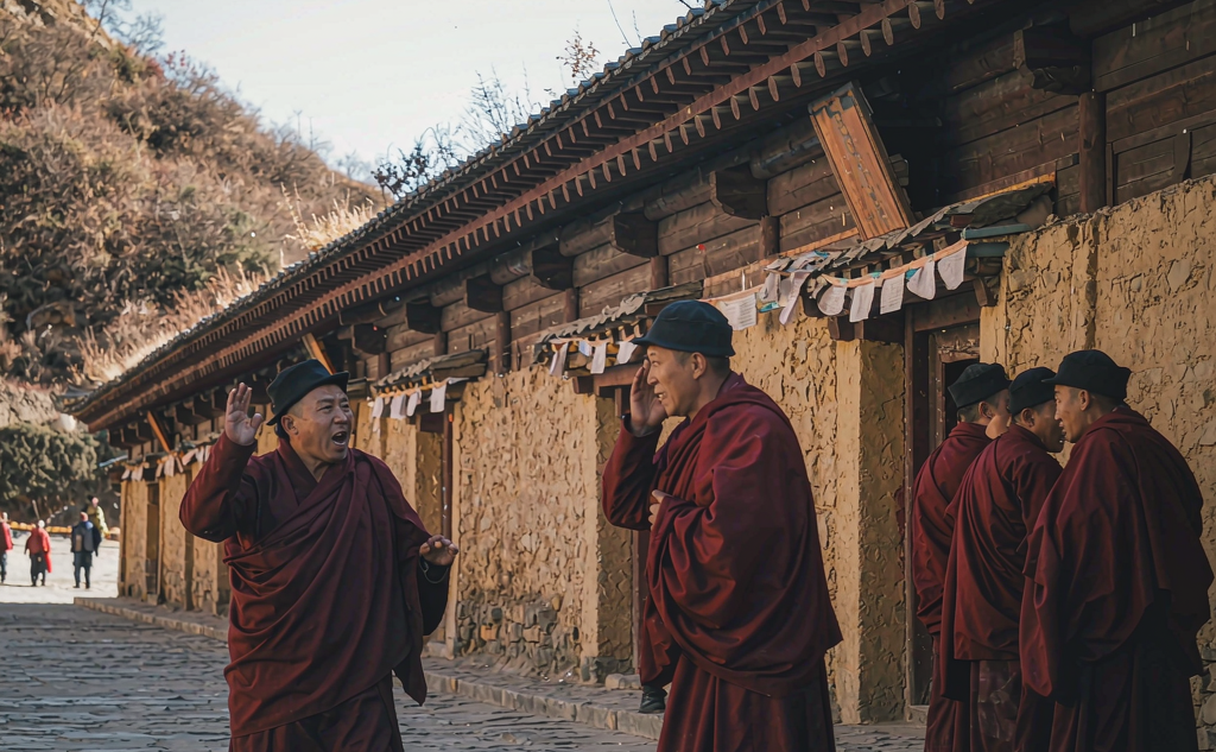
Sera Monastery debating
The famous Sera Monastery debating sessions usually run in the afternoon, historically around 15:00 to 17:00 on most days except Sunday, though the schedule shifts with seasons and monastic exams. Monks pair off—one seated, one standing and punctuating arguments with a sharp clap—and the rhythm builds into something between a debate and a performance. I arrived at 14:30 to claim a quiet corner of the terrace, and by 15:15 the courtyard was full of voice and motion. Photography is tolerated from the edges but flashes and close approaches are discouraged; I kept a respectful distance and it was far more rewarding. Check the current day’s schedule at your hotel or the Lhasa, Tibet travel guide before you go, because holiday periods can alter the times.
Sera Monastery tickets
Let me be concrete about Sera Monastery tickets. As of 2026 the standard entry is about ¥50–¥55 for adults, with a small discount for students holding valid ID; children under a set height are typically free. Tickets are sold at the gate and, in peak season, through the official Lhasa attraction booking channels. I bought mine on arrival around 13:00 and walked straight in, but in August the queue at the popular monasteries can build by mid-morning, so an early arrival is wise. The ticket covers the main courtyards and halls open to visitors; the inner debating yard is included on debate days. Keep your passport handy, since foreign visitors’ entry is cross-checked against the Tibet Travel Permit system.
How to get to Sera Monastery
Understanding how to get to Sera Monastery is simple once you are in the city. The monastery sits in the northern foothills of Lhasa, Tibet, China, roughly 30–40 minutes by bus or taxi from the Barkhor area depending on traffic. A Didi ride from central Lhasa runs about ¥20–¥35, and several city buses stop within a short walk of the entrance. I paired my visit with a morning at the Potala Palace in Lhasa guide and a taxi between them, which made for a relaxed half-day rather than a rushed loop. Note that the entrance road has a gentle climb, so give yourself a few slow minutes to adjust if you have just arrived at altitude.
Best time to visit Sera Monastery
The best time to visit Sera Monastery tracks the broader Lhasa climate: late April through June and then September through early November offer clear skies, moderate temperatures, and the most reliable debate schedule. July and August are the rainy season—afternoon showers are common but usually brief, and the debates still run. Winter (December–February) is cold but brilliantly clear and nearly crowd-free; I found January almost meditative, though some surrounding services run reduced hours. I would avoid the weeks around the major national holidays if you dislike crowds, when the whole city of Lhasa, Tibet, China fills with domestic travelers.
Things to do in Lhasa
Beyond Sera itself, the wider list of things to do in Lhasa centers on its sacred core. The Jokhang Temple in Lhasa guide covers the spiritual heart of the old town, and the Drepung Monastery in Tibet guide describes Sera’s sister monastery on the western hills. A circuit of the Barkhor pilgrimage street, a visit to the Potala, and a slow afternoon at Sera make a coherent three-part introduction. I also recommend a quiet hour at a rooftop teahouse watching the light move across the mountains—it is the cheapest, best view in the city.
A Lhasa monastery itinerary
Here is the Lhasa monastery itinerary I suggest for a first visit. Day 1: arrive, rest for altitude, and do only light walking. Day 2: Potala Palace in the morning, then Sera Monastery for the afternoon debate. Day 3: Drepung Monastery and the Jokhang Temple, with the Barkhor in between. If you have a fourth day, consider the China temple stay guide for a calmer, more immersive option, or a trip to the Songzanlin Monastery near Shangri-La guide in Yunnan on a later leg of your trip. Spacing the monasteries across days respects both your stamina and the altitude.
Permits, altitude, and respect
Foreign visitors to Lhasa, Tibet, China need a Tibet Travel Permit arranged through a registered tour operator; you cannot simply buy a train ticket and wander freely, and the permit must be organized before you fly or ride in. Sera sits at about 3,700 meters, so the first day or two should be gentle—hydrate, walk slowly, and skip heavy exertion. I spent my first afternoon doing almost nothing and it paid off for the rest of the week. Dress modestly, walk clockwise around shrines, and ask before photographing monks; the Sera Monastery page on Wikipedia offers a useful, neutral historical overview to read beforehand.
Photography and etiquette on the grounds
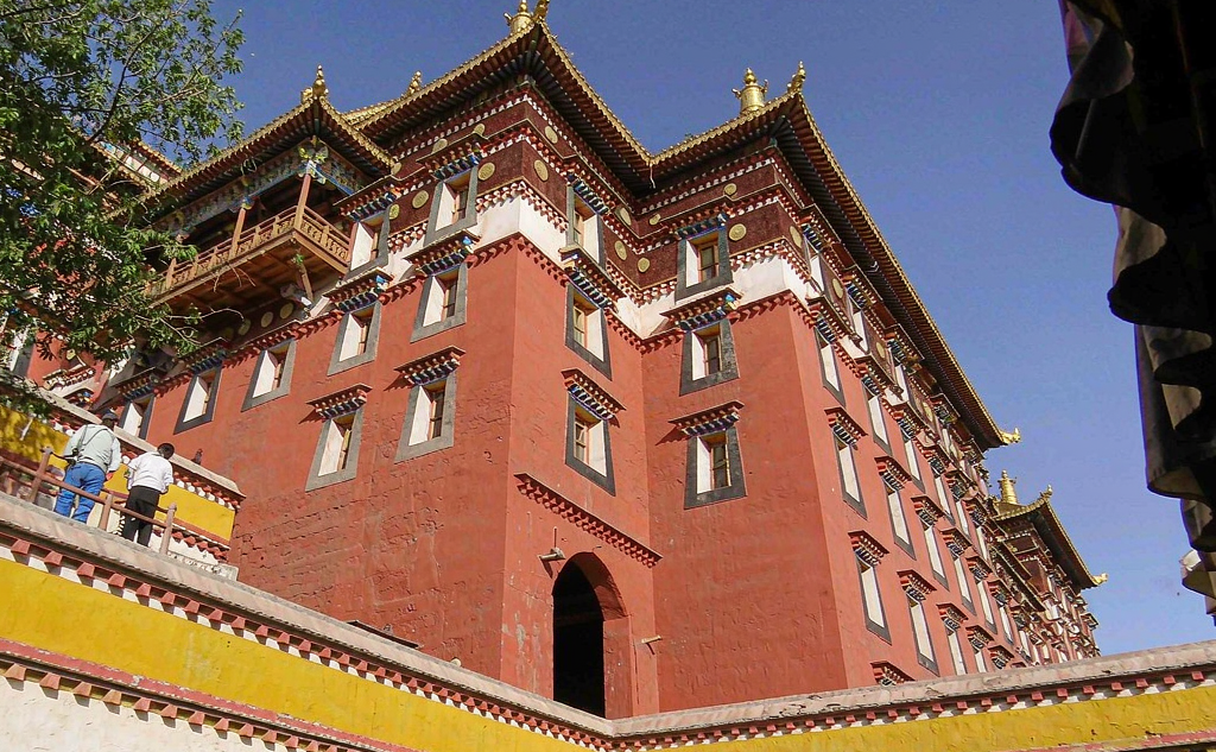
Around the courtyards and rooftops, photography is welcome from open areas, and the golden rooftops against a clear highland sky make a superb wide shot. I kept my lens away from close approaches to individual monks at prayer and never used a flash inside the halls. The China temple stay guide has broader etiquette advice that applies here too. Dress with shoulders and knees covered, walk clockwise around the shrines, and keep your voice low near the debating yard—small courtesies that made both my visits noticeably warmer, and that the resident monks clearly appreciated. I also kept my phone on silent and stepped back whenever a ceremony began, which helped preserve the calm of the courtyard for everyone there.
Practical comforts
Bring small cash for offerings and the on-site stalls, though mobile payment dominates in the city. The area around the monastery has a few simple restaurants serving noodles and butter tea; I liked a small spot just outside the gate for a post-visit bowl. If you want a fuller monastic contrast, the Drepung Monastery in Tibet guide pairs naturally with this one. For respectful behavior and quiet corners, the China temple stay guide has sensible etiquette notes I wish I had read sooner.