

Most visitors to Hubei race through Yichang on their way to the Three Gorges Dam and never learn that an hour south, the Qingjiang River curls through a quieter, greener version of the same karst country. Changyang Tujia Autonomous County is where that river becomes the Qingjiang Gallery, a stretch of emerald water flanked by steep green peaks and studded with the villages and folklore of the Tujia people. We first took the gallery cruise on a misty morning when the cliffs floated in cloud, and by the second bend we had stopped checking our watches entirely. That is the Changyang effect.
This guide explains when to visit, how to reach this riverside county, what to do, and how to fold it into a Hubei trip built around Yichang and Wuhan.
When is the best time to visit Changyang
The best time to visit Changyang is spring, from April to May, and autumn, from September to October. Spring brings fresh green terraces and comfortable warmth; autumn layers the hills in clear light and cooler air that suits the river cruise perfectly. We steer clients away from July and August, when Hubei turns hot and the rafting crowds swell, and from deep winter, when some cruise schedules are reduced and the wind off the water bites.
Rain is possible year-round, but the gallery looks dramatic in soft drizzle, so pack a light rain jacket rather than cancelling. Locals told us the river is at its clearest after a dry spell of a few days, when the turquoise really pops for photos. Whenever you come, bring sunscreen for the open deck and a layer for the shade, because the temperature swings between sun and gorge can be sharp.
How to get to Changyang
Figuring out how to get to Changyang is straightforward once you aim for Yichang first. Changyang has no airport or high-speed station of its own, but Yichang, about an hour north, has both: Yichang Sanxia Airport and Yichang East Railway Station on the Wuhan-Chongqing high-speed line. Trains from Wuhan to Yichang take around two hours, and from Yichang you take a bus or hired car south to Changyang county town in roughly 60 minutes, a distance of about 40 kilometers.
Direct long-distance buses also run from Yichang central bus station to Changyang several times a day for roughly 20 to 35 yuan. We usually arrange a private car for the final leg because it lets us stop at roadside Tujia food stalls and reach the more remote cruise piers without fuss. If you are coming from Enshi, the drive is about two to three hours west and pairs naturally with the canyon country; our Enshi Grand Canyon guide covers that route in detail.
Things to do in Changyang
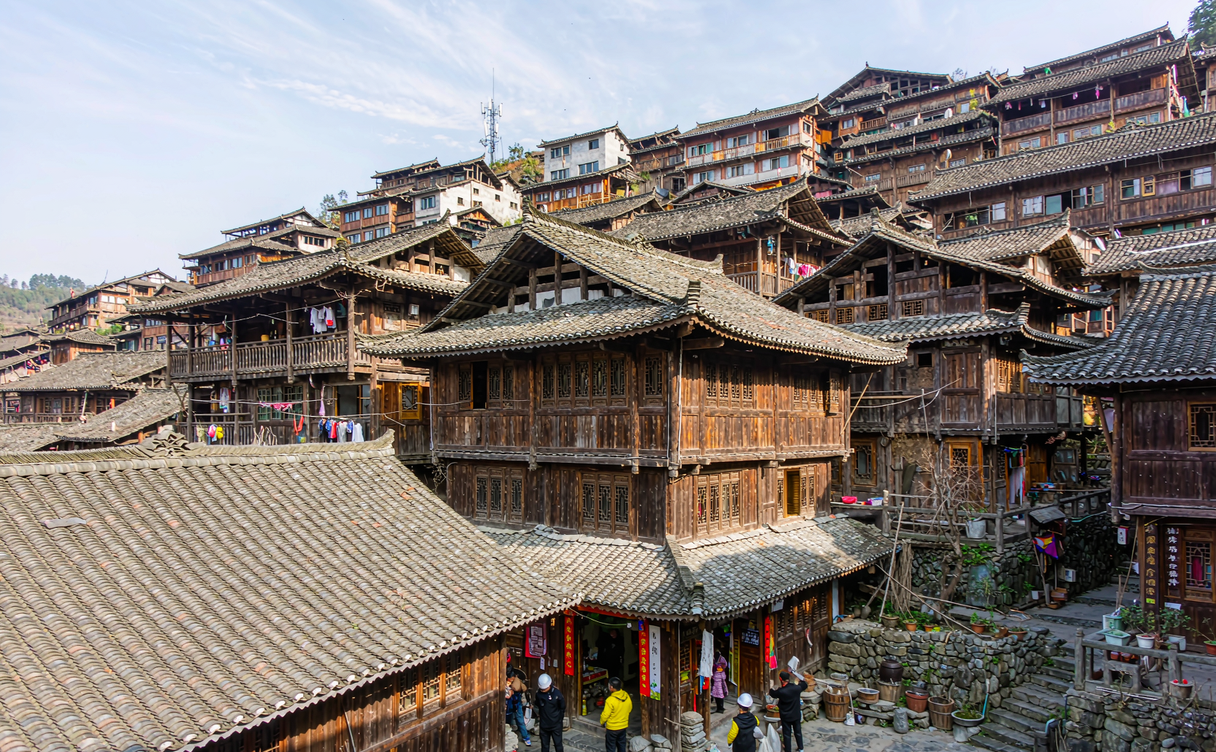
The central list of things to do in Changyang revolves around the water and the culture layered along it. The Qingjiang Gallery cruise is the headline, but the riverside county also offers Tujia villages where you can watch folk dancing, try hand-woven cloth, and eat around an open hearth. Wuluo Zhongli Mountain, honored as the legendary birthplace of the Tujia people, rises above the river with terraces, temples, and a cable car that spares the climb on hot days.
We also like the slower pleasures: a riverside walk in the county town at dusk, a bowl of “tuanzi” sticky rice cakes, and an evening of spontaneous square dancing that the locals call the “Bashan” dance and welcome strangers into. None of this is choreographed for tourists in the heavy-handed way you sometimes meet elsewhere, which is why we keep sending people who want a genuine minority-region experience without a theme-park gloss.
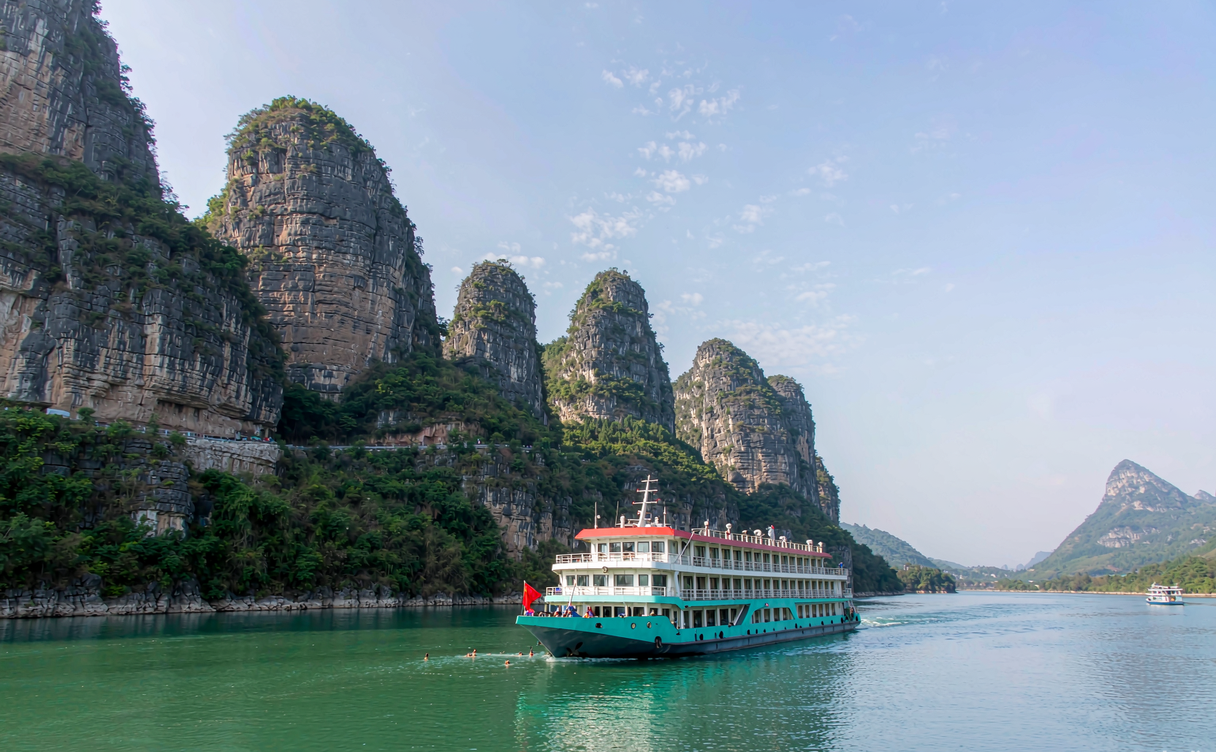
The Changyang Qingjiang Gallery
The Changyang Qingjiang Gallery is the reason the county is on the map: a scenic corridor where the Qingjiang, a major tributary of the Yangtze, runs between forested karst ridges reflected perfectly in still water. The standard cruise runs four to five hours and passes lookout points, small islands, and the foot of Wuluo Zhongli Mountain, with commentary in Chinese that your driver or a translation app can help with. Tickets including the boat usually run 100 to 180 yuan depending on the route and season.
We recommend the full-length cruise over the short loop, because the best scenery sits past the first busy bends where the big tour groups turn back. Bring snacks and water, since onboard options are limited, and sit on the open upper deck for the photographs. On our last visit the boat paused at a tiny settlement where an old woman sold mandarin oranges from a basket, and that unscripted stop is the kind of moment we remember long after the viewpoints blur.
The Changyang river cruise and beyond
The Changyang river cruise is the backbone, but summer visitors can add white-water rafting on a tributary for a livelier afternoon; the rafting runs roughly 120 to 200 yuan and is shut down in low or stormy water, so confirm ahead. We treat rafting as a supplement, not a substitute, because the gallery’s calm is the real therapy after a few days of city noise.
For culture, time your visit to a local festival if you can; Tujia weddings and harvest celebrations feature the “cry wedding” tradition and swinging bridge dances that are increasingly rare. Our Wuhan East Lake guide is useful if you are starting or ending in Wuhan, where the provincial museums hold Tujia artifacts that put the Changyang experience in context.
Where to stay and what it costs
Changyang is easy on the wallet. The county town has comfortable hotels from 180 to 350 yuan, and a few riverside guesthouses near the pier charge 200 to 400 yuan for rooms with a water view. We usually book one night in town and take an early cruise, then move on to Yichang or Enshi. A daily budget for two, including cruise tickets, a driver, meals, and a mid-range room, runs about 500 to 900 yuan.
The cruise is the main fixed cost; food and local transport are cheap. Mobile payment rules, so arrive with Alipay or WeChat Pay ready, and keep some cash for the orange-sellers and small temples. The town quietens after 9 p.m., so an early night suits the early cruise start.
A Changyang travel itinerary
Here is the Changyang travel itinerary we recommend, built for one to two days alongside Yichang. Day one: travel from Wuhan or Yichang to Changyang, check in, and take an easy riverside walk and a Tujia dinner with folk dancing. Day two: an early Qingjiang Gallery cruise, a stop at Wuluo Zhongli Mountain, and an afternoon transfer back to Yichang to see the dam or onward to Wuhan.
For a fuller Hubei loop, our Three Gorges Dam guide explains the engineering landmark 90 minutes north, while our Wuhan travel guide covers the provincial capital’s transport hubs and museums.
Changyang is the Hubei most travelers miss, a green river corridor where the Tujia story is still lived rather than displayed. For background on the people whose culture shapes the county, see the overview at Tujia people on Wikipedia. We have sent river-lovers and culture-seekers here and watched them trade their tight schedules for a slower current, which is exactly the point of coming this far south of Wuhan.