

Hunchun is the kind of place you find only by going out of your way — and that is exactly why our travelers love it. Tucked into the eastern corner of Jilin Province, this small city sits where the borders of China, Russia, and the Democratic People’s Republic of Korea converge, and the Tumen River finishes its long run to the Sea of Japan a few kilometers south. We have watched Hunchun transform from a sleepy border county into a busy trade hub, yet it has kept the frontier looseness that makes the far northeast so compelling. If a Hunchun travel guide is on your screen, you are already the sort of traveler who skips the obvious.
The pull of the tri-border
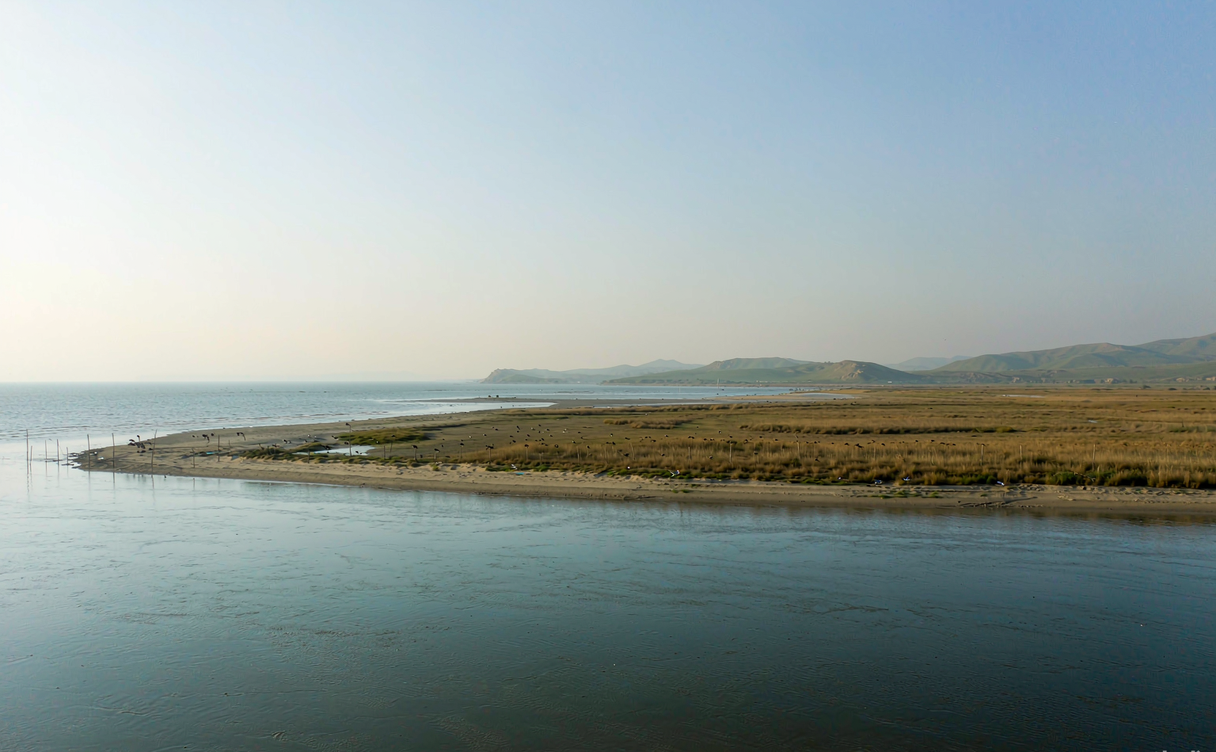
The single reason to come is the Fangchuan Scenic Area, about 70 km southeast of the city center. From the observation deck known as “One Eye Viewing Three Countries,” you can, on a clear day, see China, Russia, and North Korea at once — the Russian hills to the left, the North Korean bank to the right, and the thin silver of the Tumen River slipping toward the sea between them. It is a genuinely unusual vantage point, and the visitors’ book is full of people who drove 2,000 km just for this photograph. Arrive before 10 a.m. to beat the coach tours and catch the light lying flat across the estuary.
Things to do in Hunchun
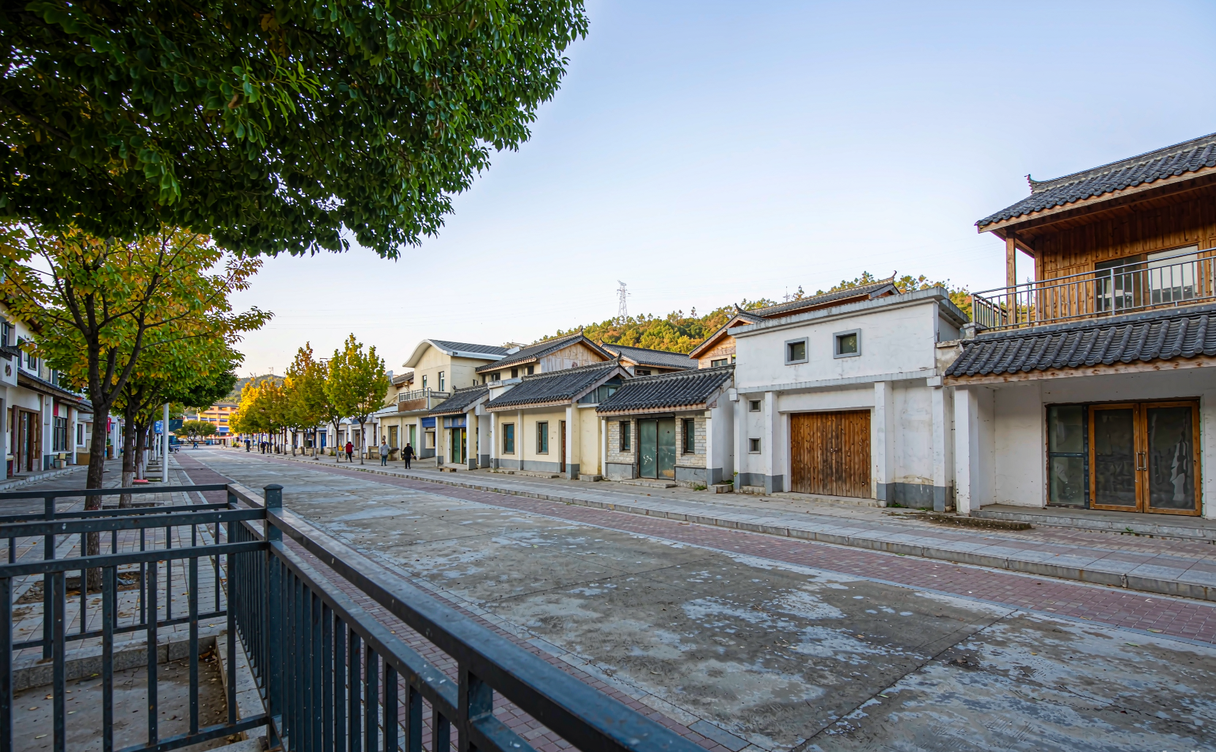
Beyond Fangchuan, the Hunchun Border Port itself is worth a slow walk. Russian tour buses idle outside the duty-free shops, and the streets carry a faint Slavic echo — Cyrillic signs, Russian-language menus, and the occasional traveler bargaining for dried squid. We tell travelers to simply wander the morning market near the central square: it is where Korean, Chinese, and Russian food cultures collide on a single pavement, with steamed corn, pickled cabbage, and Georgian-style bread side by side.
A quieter stop is the Tumen River estuary walk, where the river finally reaches the sea. There is a small monument marking China’s shortest outlet to the ocean, and in autumn the wetlands fill with migrating cranes. Birdwatchers should bring binoculars; the local guides charge around ¥80 for a half-day spotting trip, and the best sightings are at dawn when the water is still. The wooden boardwalk is free and well maintained, a calm contrast to the busy port road.
Food is where Hunchun truly surprises. The town is famous across northeast China for Russian king crab, trucked in from Vladivostok and served steamed with garlic and vermicelli for roughly ¥180–¥260 per crab depending on size. Pair it with Yanbian Korean cold noodles (¥18) and you have a meal that exists almost nowhere else on the planet. A solid dinner for two, crab included, runs ¥300–¥450, and the riverside restaurants near the port are the liveliest in the evening, with karaoke drifting out between the hotpot steam.
One underrated experience is riding the local bus from the center out to the Tumen River bridge checkpoint and back, about ¥2 each way. The route threads past Soviet-era apartment blocks in fading pastels, and you will share the seat with traders hauling boxes of Korean snacks and Russian chocolate. It is the cheapest sightseeing in town and the best way to feel how ordinary the frontier is to the people who live against it. Bring ¥10 in coins, because the fare boxes do not give change and the conductors rarely speak English. In the late afternoon the same plaza fills with elderly Koreans playing baduk and couples photographing themselves against the Russian hills — a daily rhythm most visitors never see because they leave on the morning coach.
How to get to Hunchun
Hunchun is connected to the high-speed rail network. A second-class seat from Changchun to Hunchun takes about 2 hours 40 minutes and costs ¥185; from Yanji, the prefectural capital, it is roughly 1 hour 20 minutes and ¥55. Trains are clean, punctual, and run several times daily. If you are flying in, Yanji Chaoyangchuan Airport is the nearest gateway, with a 90-minute drive south to Hunchun by taxi or shared van (¥150–¥180). For travelers building a multi-city northeast route, flying into the capital first is the usual move. Our Beijing hotel guide lists stays near the major rail stations, which makes the early-morning connection to Jilin far less painful. Once you are in the region, our Dalian travel guide shows how to loop a coastal city into the same trip for some sea air after the borderlands.
Best time to visit Hunchun
The best time to visit Hunchun is July through early October. Summer is warm and green, with the wetlands at their liveliest, while September brings crisp air and the first red maples. We especially like late September, when the light over the estuary is soft and the tourist buses thin out. Winter is severe — lows around −18°C — but the frozen river and snow-laced Russian border posts have a stark drama that photograph well if you dress for it. Spring is short and can be windy, so we steer visitors toward the autumn window when they have a choice. The crab is best from late autumn into winter, when the Russian catch is fattest.
Hunchun travel tips from the field
A few notes we always share. Carry your passport everywhere; the border zones are subject to random checks, and hotels need it for registration. If you hope to cross into Russia or North Korea, do not improvise — organize it through a licensed tour operator in Yanji or Changchun well in advance, as independent crossings are not permitted at this border. Keep small bills for market stalls; the crab restaurants take cards, but the noodle joints often prefer cash.
Plan for distance. Fangchuan is far from the city, so book a driver or join a day tour (¥120–¥200 per person including transport) rather than relying on sporadic buses. A riverside hotel room in Hunchun runs ¥160–¥280 a night; the handful of newer business hotels near the station charge ¥300–¥420 and include breakfast. And give Hunchun at least one overnight; the Russian-influenced evening street food scene is the part most day-trippers miss, and the morning market is the part they never see.
Where Hunchun fits in a China trip
Hunchun is a specialist destination, best paired with Yanji, Tumen, or a longer Jilin–Heilongjiang loop. If your wider plan leans toward China’s famous landmarks, our Great Wall of China guide helps you balance iconic history with these quiet frontier towns. Travelers who want a southern green contrast after the northeast will find karst hills and rice terraces a world away from the border posts.
For an overview of the town’s geography and border history, Hunchun is covered on Wikipedia, including its role as China’s closest point to the Sea of Japan.
A word on coastal eating
Hunchun’s crab-and-noodle fusion is unique, but if your trip swings toward the shore, a coastal city like Qingdao on the Shandong coast walks you through a completely different seafood culture, worth saving for a later leg.