

A China 16 day itinerary is what we build for travelers who finally have the time to go slow and still see the whole arc of the country — north, west, south, and east. The extra days over a two-week plan mean you can add Yunnan’s ethnic highland towns and Zhangjiajie’s peaks without ever feeling herded. On a trip we led last autumn, the group spent a full undistracted week in the southwest and told us it changed how they saw China entirely. This China 16 days plan runs Beijing, Xi’an, Chengdu, Yunnan (Lijiang and Dali), Guilin, Zhangjiajie, and Shanghai, with prices and transport you can book today, plus the practical notes we give every group before they fly.
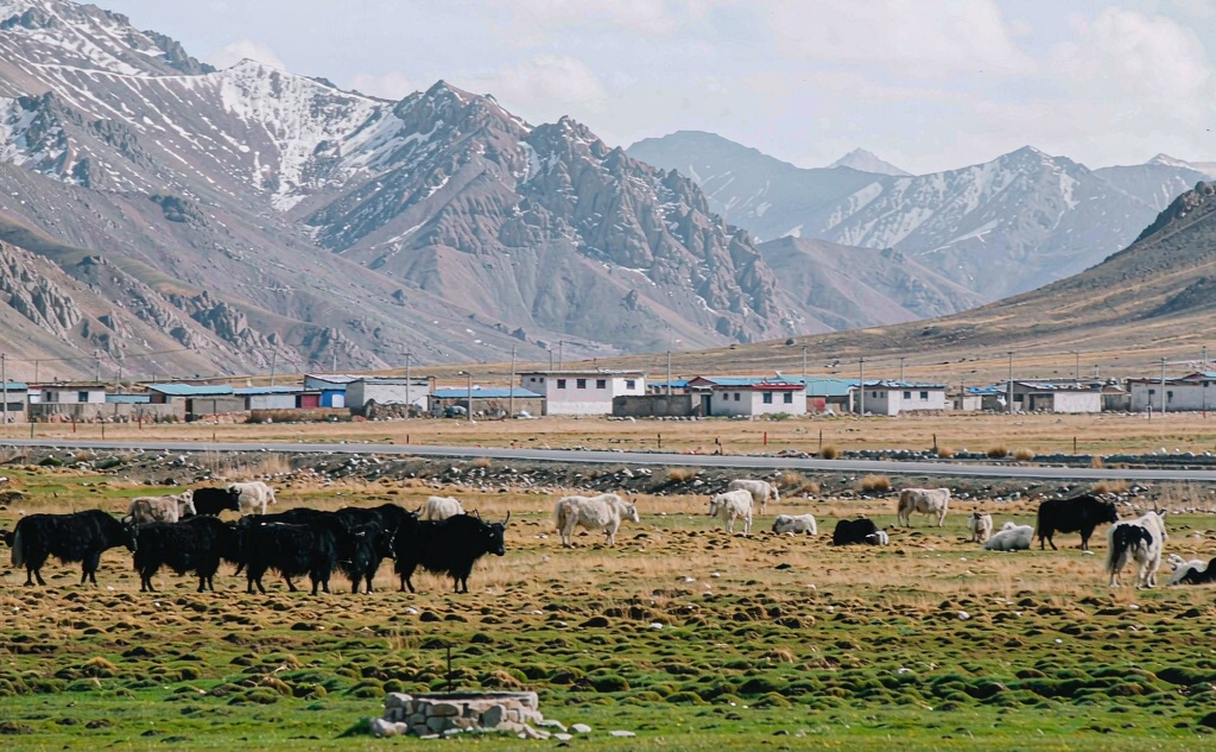
Days 1–3: Beijing, the Capital Layer Cake
Fly into Beijing and take three full days. The Airport Express train is 25–30 RMB and 25 minutes; we tell clients to skip the taxi queue and take it, then a DiDi for the last mile. Stay in Wangfujing (hotels from 400 RMB) or Gulou for character (guesthouses from 250 RMB). Day one is the Forbidden City (60 RMB peak, 40 RMB off-peak; timed slots three days ahead) and Tiananmen Square, then Gulou hutong noodles (38 RMB). Day two is Mutianyu Great Wall — 8 AM shuttle from Dongzhimen (45 RMB plus 15 RMB bus), cable car up and toboggan down (100 RMB each way), snacks packed. Day three is the Summer Palace (30–60 RMB) and the 798 Art Zone, ending with Peking duck (180–260 RMB for two).
The best season is April–May or September–October. Our best time to visit China maps this month by month so you can dodge the summer heat and winter wind.
Days 4–5: Xi’an, Where the Silk Road Started
The G-train Beijing West to Xi’an North is 4.5 hours and 515–935 RMB; second class at 515 RMB is what we book. Day four is the Terracotta Warriors (120 RMB with shuttle), arriving at the 8:30 opening; evening is the Muslim Quarter’s skewers (8–12 RMB) and biangbiang noodles. Day five is the Xi’an City Wall (54 RMB; bike 45 RMB for the 13.7 km loop) and the Giant Wild Goose Pagoda fountains; tired legs can take the 80 RMB electric cart.
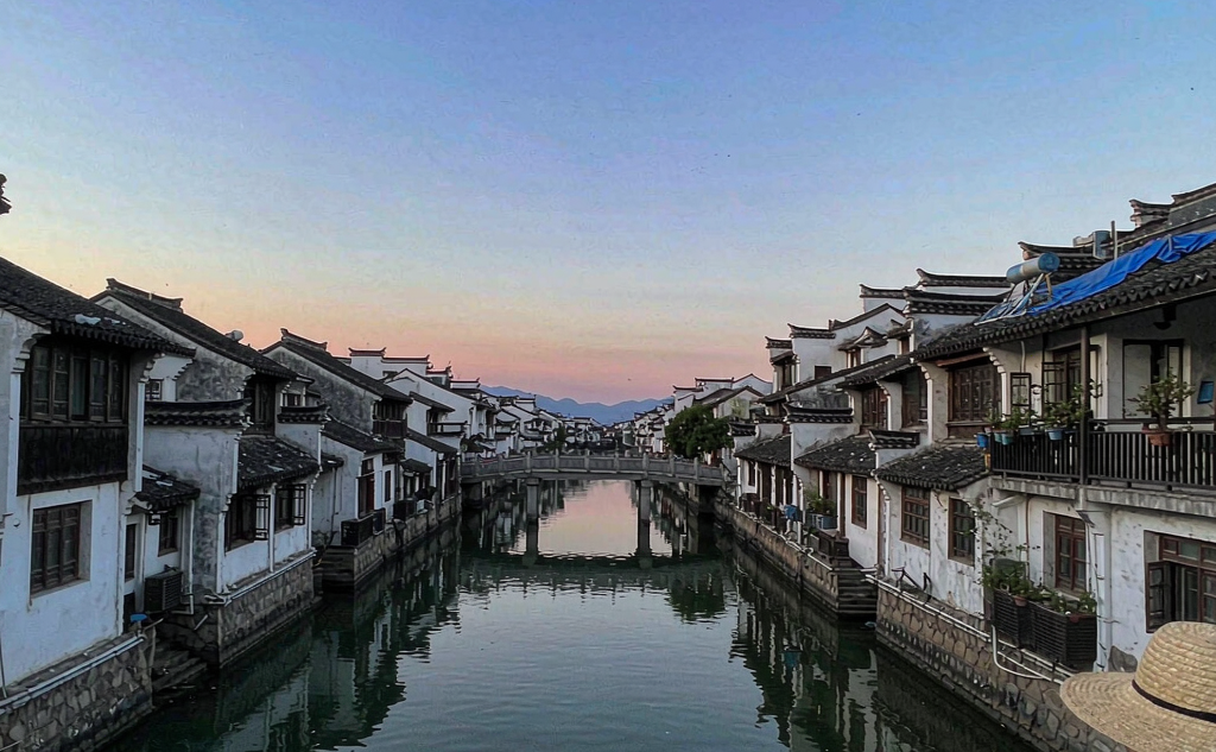
Days 6–7: Chengdu, Pandas and Slow Mornings
The Xi’an–Chengdu F-train is 3 hours (263–398 RMB). Day six is the Chengdu Panda Base (55 RMB; before 9 AM for feeding) and the Wenshu teahouse (20 RMB). Day seven is Sanxingdui Museum (72 RMB, Guanghan, 40 min by bus) or a Kuanzhai cooking class (from 280 RMB); we also send clients to People’s Park for a 30 RMB ear-cleaning. Hotpot runs 120–180 RMB per head; order the yuan yang half-and-half pot if you’re spice-shy.
Days 8–10: Yunnan — Lijiang and Dali
Fly Chengdu–Lijiang (about 1 hour, 400–700 RMB). Day eight is Lijiang Old Town (free to enter, but the Mu Residence inside is 50 RMB) and the Black Dragon Pool park (50 RMB); stay in the old town’s quieter southern lanes (guesthouses from 200 RMB). Day nine is a morning at Jade Dragon Snow Mountain — take the 7 AM shuttle (100 RMB entry plus 140 RMB cable car to Glacier Park, oxygen canisters 30 RMB at the base) and watch the altitude; we cap the visit at the lower meadows if anyone feels light-headed. Day ten is the high-speed train Lijiang–Dali (2 hours, 80–120 RMB) and a bike loop around Erhai Lake (rental 40 RMB/day); the Dali Old Town’s 45 RMB Three Pagodas sit just outside town, best photographed at opening before the coaches arrive.
Days 11–12: Guilin and Yangshuo, the Karst Dream
Fly Dali–Guilin (about 1.5 hours, 500–800 RMB). Day eleven is the Li River cruise to Yangshuo (210–360 RMB, 4 hours) — the 20 RMB note view. Rent an e-bike (40 RMB/day) for the Yulong River bamboo raft (200 RMB). Day twelve is rock climbing or the Impression Liu Sanjie show (320 RMB); if rain hits, Reed Flute Cave (90 RMB) is a dry lit cavern near Guilin.
Days 13–14: Zhangjiajie, the Avatar Peaks
Fly Guilin–Zhangjiajie (about 1.5 hours, 500–900 RMB). Day thirteen is Yuanjiajie and the Avatar Hallelujah Mountain (Wulingyuan pass 225 RMB for four days, plus 65 RMB shuttle and 72 RMB Bailong elevator) — go at 7 AM to beat the cable-car lines; the glass bridge at the Zhangjiajie Grand Canyon nearby is another 138 RMB if you want the vertigo. Day fourteen is Tianmen Mountain (261 RMB with the 745 m glass walkway and 99-bend road) on the edge of the city, with the cable car up taking 30 minutes through the cliffs.
Days 15–16: Shanghai, the Modern Finish
Fly Zhangjiajie–Shanghai (2.5 hours, 600–1000 RMB). Two days: the Bund at night, Yu Garden (40 RMB), the French Concession, and the free Shanghai Museum. Ride the Maglev from Pudong (50 RMB) for the 300 km/h run. Our best things to do in China lists more. For all the train legs, our China high speed train guide for foreigners explains the real-name system.
This is the full China 16 day route, the best China 16 day trip for travelers who want immersion over checklist. If you ask us how to spend 16 days in China with room to breathe, this China 16 day travel plan is the answer, sitting between our China 2 week itinerary and the longer China 3 week itinerary. Start with the China travel guide for first timers if the rail passes are new to you. Every hotel, train, and flight on it is bookable today — only the Yunnan and Zhangjiajie flights tighten in October.
Is This Route Right for You?
This China 16 day travel plan is for travelers who want the whole country arc — north, west, south, and east — without the fatigue of a packed three-week sprint. The China 16 day route is the first of our loops to include Yunnan’s highland towns, and clients consistently tell us Lijiang and Dali were the emotional peak of the trip. If you’ve done Beijing and Shanghai before, you can trim them and add more Yunnan or Zhangjiajie days. We’ve led this as a multi-generational family trip where the grandparents took the cable cars and the kids climbed — the pacing allows both. For anyone wondering how to spend 16 days in China with real immersion, this best China 16 day trip is the answer, and all hotels, trains, and flights are bookable today.
Practical Tips for the Whole Route
Carry your passport for every hotel and ticket counter, and download Alipay before you land — it handles subway codes, DiDi, and most vendors, and now links to foreign cards. The Yunnan legs sit at 2,000–3,200 meters, so we build a gentle ascent (Chengdu, then Lijiang, then Dali, then the high plateau) and tell clients to drink three liters of water a day up there. Book trains on the official 12306 platform three to seven days ahead; the Beijing–Xi’an leg sells out in peak weeks. Pack a refillable bottle, a daypack, and one warm layer even in summer, because Zhangjiajie and the highlands swing cold after dark. Keep 200 RMB cash for market stalls, and protect one buffer afternoon for unplanned finds.
What the Whole Loop Costs
A mid-range solo traveler should budget about 13,000–17,000 RMB excluding international flights: hotels (500–700 RMB/night) roughly 9,000 RMB across the longer stay, trains and four internal flights about 4,000 RMB, attractions about 1,500 RMB, and food (120–200 RMB/day) about 2,400 RMB. Sharing rooms cuts the hotel line nearly in half. We’ve run this route for under 1,200 RMB/day per person by booking guesthouses in Lijiang and Dali instead of chain hotels.
Before you go
Carry your passport for every hotel and ticket counter. For background on the sandstone landscape you’ll climb, see the UNESCO Wulingyuan World Heritage page.