

Our China 3 day itinerary is built for the traveler who has exactly 72 hours and wants a real, unfiltered first taste rather than a blur of airports. On our last trip with a client from São Paulo, we proved you can land, see a world-class city, eat properly, and leave feeling you actually touched China — without wasting half the time on trains. This China 3 day itinerary centers on Beijing as the base, with notes on how to swap in Xi’an or Shanghai if your flight lands there instead.
The single most important rule for three days is: do not try to see two cities. High-speed trains are fast, but a Beijing–Xi’an round trip eats a full day each way once you factor transfers and check-out. We’ve sent clients who insisted on “Beijing plus Shanghai in three days” and every one came back exhausted. Pick one base, go deep, and save the second city for the next trip. For first-timers, our China travel guide for first-timers lays out the visa, SIM, and payment setup you should sort before you fly.

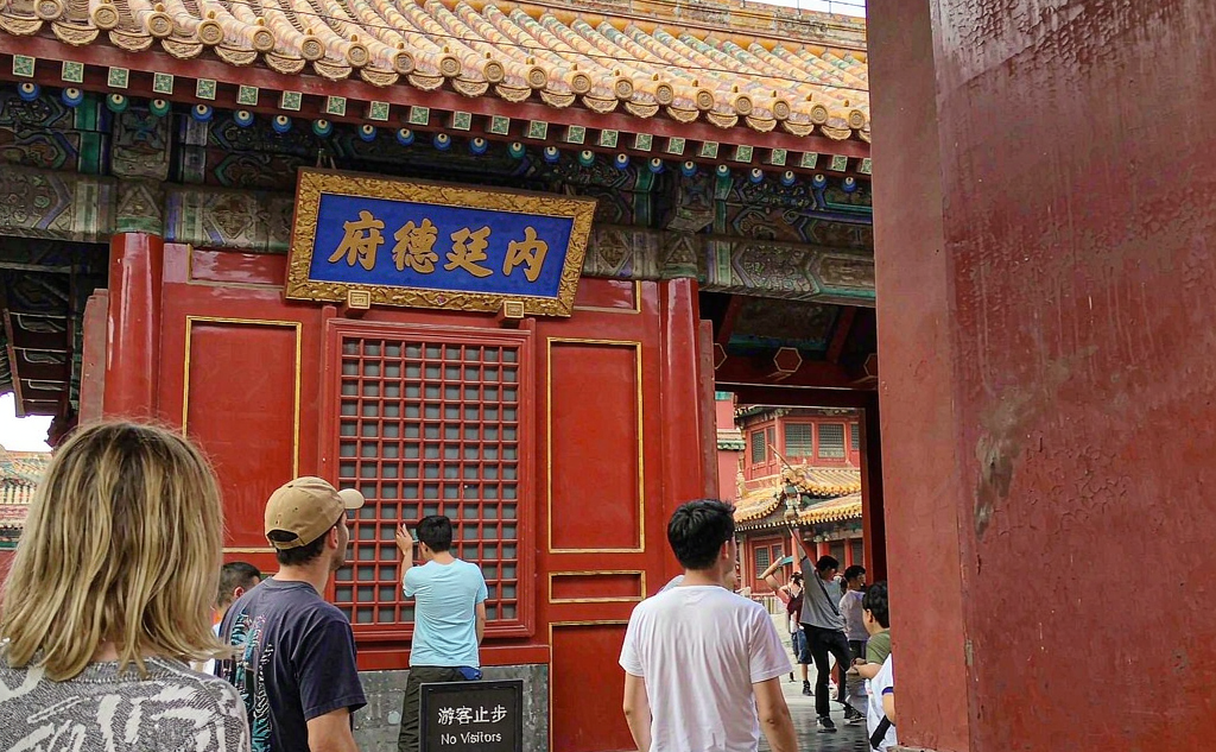
Day one is about imperial Beijing and getting your bearings. Land in the morning, drop bags at a hutong guesthouse (from RMB 220 a night) or a mid-range hotel (RMB 400–700), then walk the edges of the Forbidden City from Tiananmen Square. The Forbidden City ticket is RMB 60 in low season, RMB 80 in peak (April–October), bookable two to nine days ahead on its WeChat mini-program — we book this for every client because same-day tickets sell out. In the late afternoon, climb Jingshan Park (RMB 2) for the postcard view over the palace roofs. Dinner is a hutong hotpot or a zhajiangmian noodle shop (RMB 40–70 a head). We’ve done this exact day with a dozen clients and it never gets old.
Day two goes to the Great Wall, because a first trip without the Wall feels incomplete. The Mutianyu section is our default: fewer crowds than Badaling, a renovated path, and a toboggan run back down that clients love. Round-trip private car from Beijing runs RMB 600–900, or a guided bus tour from RMB 200 a person. The Wall ticket is RMB 45 (plus RMB 15 shuttle, RMB 100 cable car if you skip the walk up). Best seasons are spring (April–May) and autumn (September–October); avoid the week-long National Day holiday in early October when it’s shoulder-to-shoulder. The best time to visit China broadly is those two shoulder seasons, and the Wall is where it matters most.
Day three is for daily life and a second flavor of the city. We send clients to a morning at the Summer Palace (RMB 30 garden, RMB 60 with the inner courts) for a boat ride on Kunming Lake, then an afternoon in a hutong for a dumpling-making class (RMB 120–180 a person, bookable through our partners) or a tea-house stop. If your flight leaves late, add the 798 Art Zone for contemporary China. For a different three-day shape, our best things to do in China guide ranks the headline sights nationwide so you can swap the Summer Palace for a Temple of Heaven morning if temples are your thing.
What’s bookable today, without a local helper: high-speed rail to nearby towns, the Forbidden City and Wall tickets via official mini-programs, and hotels on the usual platforms. What we add is the timing — knowing that the Forbidden City needs advance booking, that Mutianyu shuttles stop at 5 p.m., and that a driver beats a tour bus for a tight schedule. The China high-speed train guide for foreigners walks through buying 12306 tickets on your passport, which you’ll want if you extend beyond three days.
If three days isn’t enough and you’re already tempted to add a day, our China 4 day itinerary shows the cleanest way to extend — usually a day trip to the Ming Tombs or a Pingyao detour if you shift your base. And if you ever come back with more time, our China off-the-beaten-path guide points to the slower provinces most visitors miss. Three days is a teaser; the point is to leave wanting more, not to check a box.
Money and logistics for the three days: budget RMB 800–1,200 a day per person all-in (hotel, food, transport, tickets) at a comfortable mid-range pace, less if you hostel and eat at noodle shops. Card and Alipay/WeChat Pay cover almost everything in Beijing; carry RMB 200 in small bills for hutong stalls and temple incense. A local SIM or eSIM and a VPN-free map app (we pre-load offline maps) keep you oriented. We’ve had clients do this solo with our pre-booked tickets and a driver, and others join a small group — both work for three days.
We also prep every three-day client with a short app checklist the week before. Install Alipay and link a foreign card before you land — the wallet verifies faster on home Wi-Fi than on a Beijing hotel connection — and download the DiDi app for taxis, since hailing on the street wastes time you don’t have. For the Great Wall day, pack a refillable bottle, real sunscreen, and shoes with grip; the Mutianyu steps are uneven and the shade runs out by noon. On our last solo three-day trip the client skipped the water bottle and bought three overpriced ones at the gate, so we now list it in every confirmation. None of this is hard, but the three-day traveler has zero slack for a wrong turn, and these small fixes are what separate a smooth 72 hours from a stressful one.
Evenings in Beijing are where the three days breathe. After the Forbidden City or the Wall, we point clients to a hutong bar street like Nanluoguxiang’s quieter side lanes, or a live music spot near Gulou, where a beer and a plate of peanuts runs RMB 30–50. If your trip lands on a weekend, book a table at a hotpot place near Lama Temple by mid-afternoon — the popular ones fill by 6 p.m. and the walk-in wait stretches past an hour. We’ve learned to treat dinner as the day’s second activity, not an afterthought, because the conversations over a bubbling pot are often what clients remember more than the morning’s monument.
One honest caveat: three days means saying no. Skip the shopping malls, skip the second Great Wall section, and skip any “China in a day” bus that promises four cities. The reward of a tight first taste is depth — a long hutong dinner, a quiet hour on the Wall, a real conversation at a tea house. On our last three-day trip the client’s favorite moment wasn’t a monument; it was a dumpling class where the grandmother running it laughed at his folding technique. That’s the China you remember, and it fits comfortably in 72 hours if you plan it right.
If you want the full picture before you commit, the China travel guide for first-timers covers arrival, money, and etiquette, while the best things to do in China ranks what’s worth your limited hours. Use both to shape the three days, then let us handle the bookings so you’re not refreshing a mini-program at midnight.
References: For a broad overview of the country’s travel landscape before you plan, see the Tourism in China entry on Wikipedia.