

Fuzhou rarely tops the typical China itinerary, yet in our experience travelers who add a night or two here are rewarded with a slower, more local side of Fujian. As the provincial capital, Fuzhou pairs a compact historic core — the lane-and-courtyard quarter of Sanfang Qixiang — with a riverside modern city and a long reputation as one of China’s great hot-spring towns. The phrase best hotels in Fuzhou covers a surprising range, from international towers to restored courtyard guesthouses, and the first decision is which district matches your plan, because the city sprawls and the Min River bridges clog during the morning and evening rush.
Where to stay in Fuzhou: the four practical zones
Where to stay in Fuzhou comes down to three or four zones that each suit a different traveler. Gulou District, wrapping Sanfang Qixiang, is the obvious base for first-timers: you walk to the lantern-lit lanes, the Fujian Museum, and the best night-snack streets. Taijiang District lines the north bank of the Min with business towers and river-view rooms; it is convenient if you are in town for trade fairs but a 15-minute taxi from the old town. Cangshan, across the river, is quieter, greener, and close to the university and the botanical garden, while Jin’an to the north holds the main hot-spring resort cluster. Our travel team has placed visitors in all four, and for a first visit we keep sending people back to Gulou because the walkability changes the whole feel of the trip. For the fuller district picture and the metro map, our Fuzhou travel guide is the place to start before you book.
Fuzhou luxury hotels: globals and the spring resorts
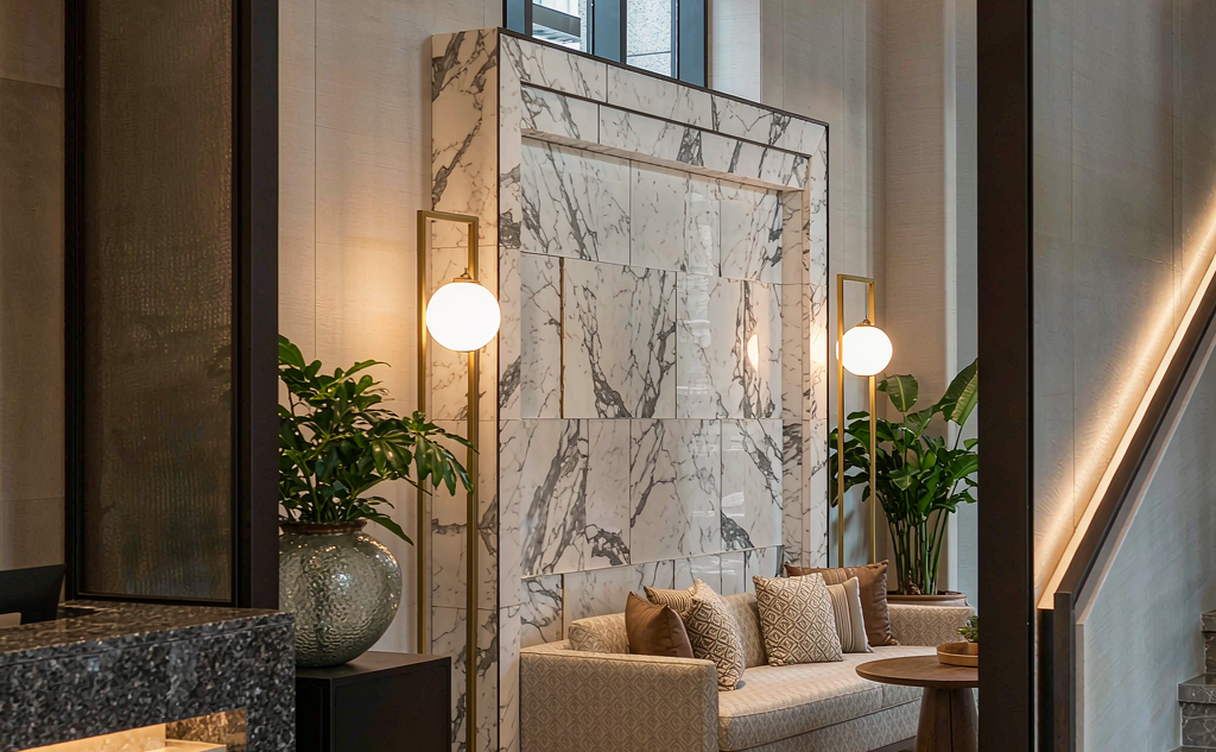
Fuzhou’s upper tier is dominated by international brands that know the China business traveler well. The Shangri-La Fuzhou sits in Gulou within walking distance of the lanes and delivers the brand’s predictable spa and pool; expect ¥900–1,400 for a deluxe room in high season. The Westin Fuzhou Minjiang on the Taijiang waterfront trades a longer walk to the old town for sweeping river views and a club lounge that fills with tea traders in the evening. On the Cangshan side, the InterContinental Fuzhou and the Fuzhou Marriott Hotel serve conference crowds but open onto quieter streets and good-value weekend rates from ¥700. For a Fuzhou luxury hotels experience with a local twist, the hot-spring resorts of Jin’an pipe naturally heated, mineral-rich water into in-room tubs — a Fuzhou specialty with roots in the Tang era — at ¥600–1,000 with evening soak access. A Fuzhou hotel near Three Lanes is almost always a Gulou property; book inside the old quarter if the lanes are your priority, and confirm “lane view” rather than just the district name, because a Gulou address can still sit a busy block from the action.
Fuzhou boutique stays: courtyard houses and design hotels
The most memorable Fuzhou boutique stays are the small conversions along the waterways — restored ming-style courtyard houses with timber screens, slate courtyards, and a single quiet tea room. These are not five-star polished, but the location is unbeatable: you step from your room into the lanes after the day-trippers leave at dusk. Rates are ¥500–900. We have steered honeymooners and photographers here and they consistently report it as a trip highlight, which is why our shortlist leads with these conversions rather than the chain product. Background on the quarter itself, and which lanes hold the guesthouses, is in our Sanfang Qixiang Fuzhou guide. Near Cangshan’s riverside promenade, newer design hotels target the young domestic crowd with co-working lobbies and rooftop bars; they are a good mid-step between boutique and chain at ¥400–650, and suit travelers who want a calm base but still plan to ride the metro into Gulou for dinner.
Fuzhou budget hotels and station picks
Fuzhou budget hotels are plentiful and clean. Look for the usual domestic chains — Atour, Vienna, HanTing, Home Inn — clustered around the two railway stations and the metro, with a private room and breakfast from ¥180–320. Fuzhou Railway Station (north) and Fuzhou South (high-speed, south) are 40 minutes apart by metro, so book near the one your train uses. Fuzhou Changle Airport is ~50 km out, linked by metro Line 6 and airport buses (¥25, 60–80 min); an airport-hotel night only makes sense on a tight connection. One practical tip for foreign guests: Chinese law requires hotels to register your passport at check-in, and a few smaller courtyards are not licensed for overseas visitors, so if your passport is non-Chinese, book a branded property or confirm “foreigner-friendly” (外宾接待) in writing before paying. We have had one or two lanes properties turn away walk-ups, so we name the license status when we book for clients. For the eating plan, our Fuzhou food guide lists the fo tiao qiang (Buddha-jumps-over-the-wall) houses and the fish-ball stalls we rate highest, all an easy walk from a Gulou room.
Timing, transport, and the price rhythm
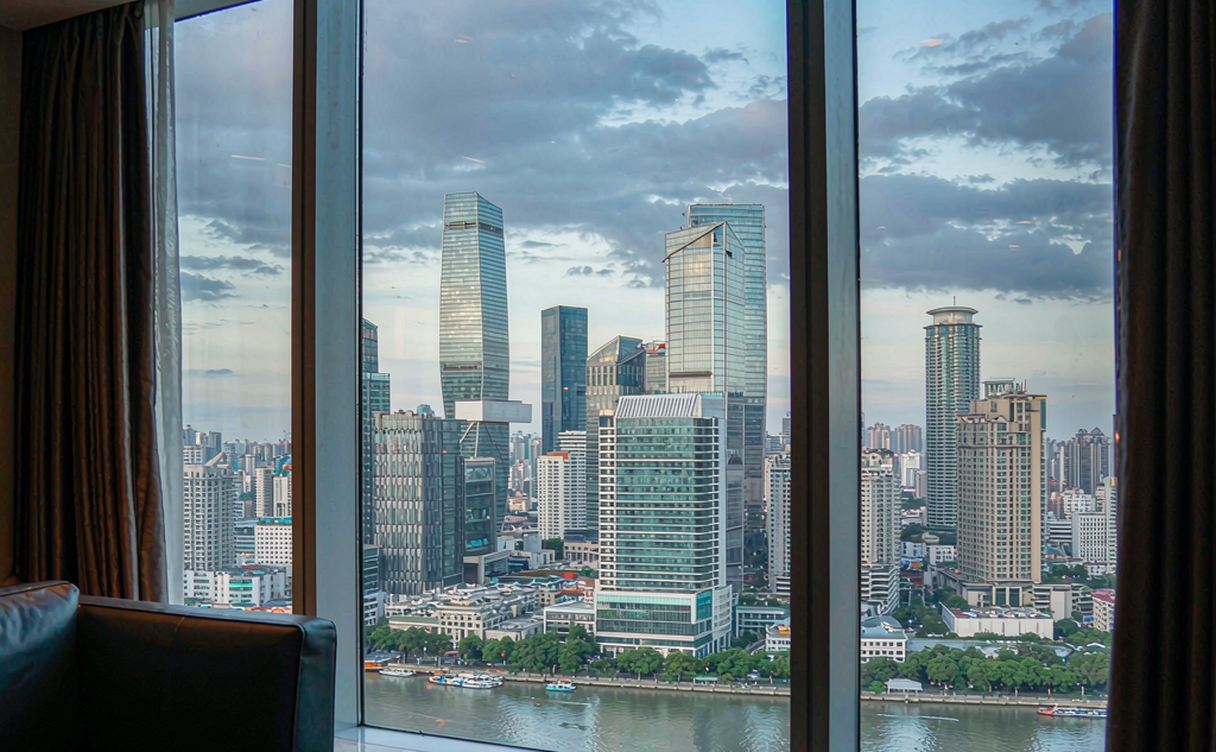
The best windows are March–April and October–November, when humidity drops and the lanes are comfortable for evening strolls. Avoid the July–August furnace (35°C+ with sticky air) and the June plum-rain weeks, when the lanes glisten but the mosquitoes come out. Prices spike during the October National Day holiday and the Spring Festival; shoulder weeks in April and November are the sweet spot, with the same rooms ¥150–250 cheaper than peak. High-speed rail puts Fuzhou 2.5 hours from Hangzhou and under 5 from Shanghai, while Mount Wuyi — a UNESCO World Heritage Site — is a scenic 2.5–3.5 hour ride west, making the city an easy add-on to a Wuyishan or Hangzhou loop for travelers who want mountains after the lanes.
What to expect in the room
Fuzhou hotels follow the national standard: kettles, slippers, and a thermos of boiled water are universal, and even mid-range properties include a free breakfast buffet heavy on congee, soy milk, and Fujian noodles. Luxury houses add a pool and a gym; the spring resorts add the in-room tub. Air conditioning is strong, which matters in summer, and soundproofing varies, so if you are a light sleeper ask for a high floor away from the lanes’ weekend music. The spring resorts are the one true Fuzhou specialty, and we steer repeat visitors toward them once they have done the lanes, because an evening soak after a day of walking the old town is the single best reason to spend a second night in the city rather than pushing on to Xiamen or Wuyishan.
A quick neighborhood cheat-sheet
If you only have one night, book Gulou and walk everywhere; if you have two, add a Jin’an spring resort for the soak. Families with kids usually prefer the Cangshan chains for the space and the pool, while solo travelers and foodies do best in Taijiang near the Old Bund-style riverfront. Business travelers on a tight schedule should default to the station hotels and DiDi across the bridges. We have refined this cheat-sheet over dozens of bookings, and the pattern holds: match the district to the plan, not the other way around, and Fuzhou rewards you with low prices and high character compared with China’s headline cities.
Ready to lock in a room? Compare neighborhoods and current rates in our best hotels in Hangzhou sister guide for a nearby benchmark, then book your Fuzhou base early for the autumn shoulder season before inventory tightens.
Pair your stay with the lanes and the springs by following our Hangzhou travel guide for a wider east-coast plan that folds Fuzhou in as a relaxed Fujian stop.
Want a longer Fujian loop? String Fuzhou together with the mountain scenery in our Wuyishan travel guide for a route we routinely recommend to first-timers with a week to spare.