

Most visitors to northwest China fly into Urumqi and bolt straight for the postcard landscapes — the lakes, the grasslands, the snow peaks. We almost always build in a slower day, and one of our favorite low-effort additions is Shihezi, a planned city about 140 km northwest of Urumqi in northern Xinjiang, China. This Shihezi travel guide is written from trips that used the city as a calm, green break between bigger adventures, and the surprise for first-timers is how leafy and livable it feels after the dust of the road.
Shihezi was founded in the 1950s as a reclamation settlement, laid out on a grid with absurdly wide, tree-shaded boulevards. Today it calls itself the “City of Forests” and “Garden City,” and on a summer evening the avenues really do live up to it. It’s not a place with UNESCO towers or famous temples — what it offers is a genuine slice of modern life in Xinjiang, China, plus one museum that tells a uniquely local story.
How to get there and the day-trip logic
Let’s deal with the key planning question first: a Shihezi day trip from Urumqi is the single most practical way to see the city. High-speed trains from Urumqi run frequently and take about 1 to 1.5 hours, costing roughly ¥40–¥65. There are also conventional trains and long-distance buses, but the G-train makes it an easy there-and-back. We’ve sent travelers who caught the 8 a.m. train, explored until late afternoon, and were back in Urumqi for dinner.
If you’re on a longer loop, Shihezi also sits on the rail line north toward the Ili region, so it can be a natural break on the way to Sayram Lake. Our Urumqi travel guide covers the hub logistics, and the city works best as a half-day or one-night add-on rather than a standalone destination. For the big picture of the region, see our Xinjiang travel guide.
The military reclamation museum
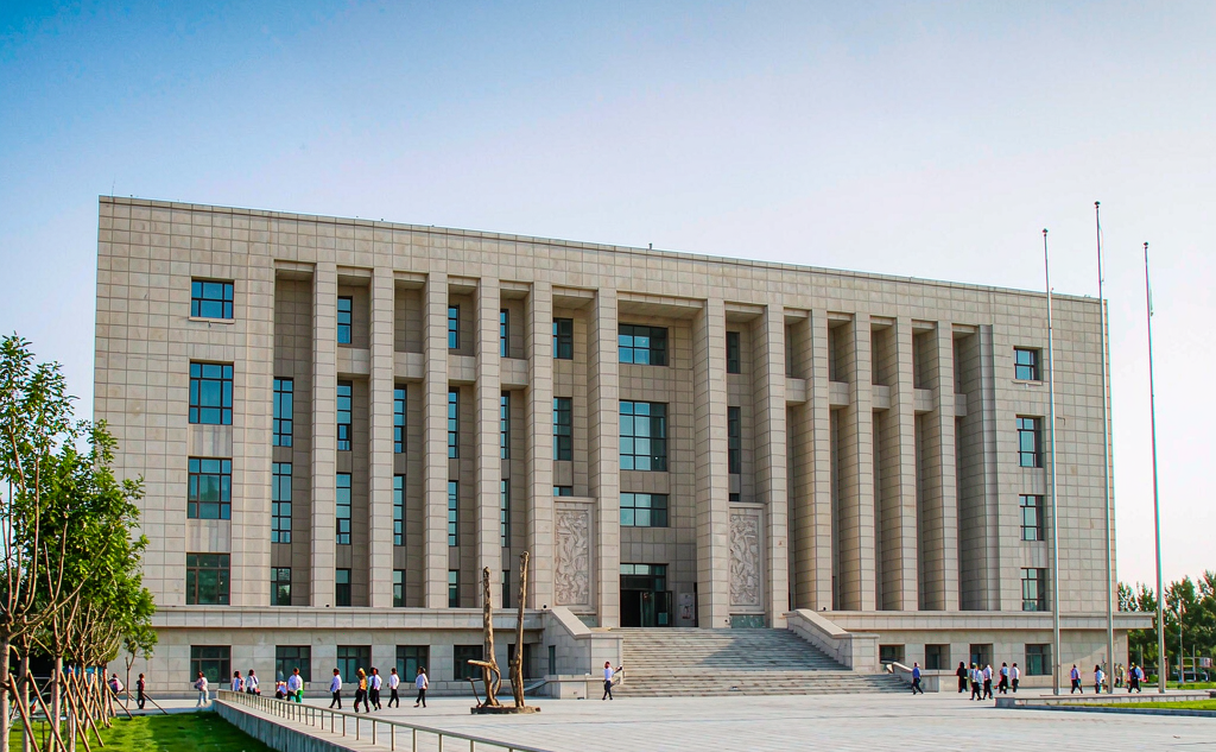
The one attraction you shouldn’t skip is the Shihezi military reclamation museum (军垦博物馆). It’s the best place in the city to understand why Shihezi exists at all. The exhibits trace the 1950s settlement of the wilderness here — the soldiers-turned-farmers, the hand tools, the photos of desert turned to orchard — and it’s genuinely moving if you read the captions rather than just walking through. Entry is free, though you’ll need to show ID and register at the desk. Allow 60–90 minutes. For visitors new to the region’s modern history, this museum is the single best hour you can spend in the city.
Around the museum is the old center, walkable and calm. The adjacent People’s Square and the reclamation monument make an easy photo stop and a natural orientation point for the rest of your walk.
Walking the tree-lined avenues
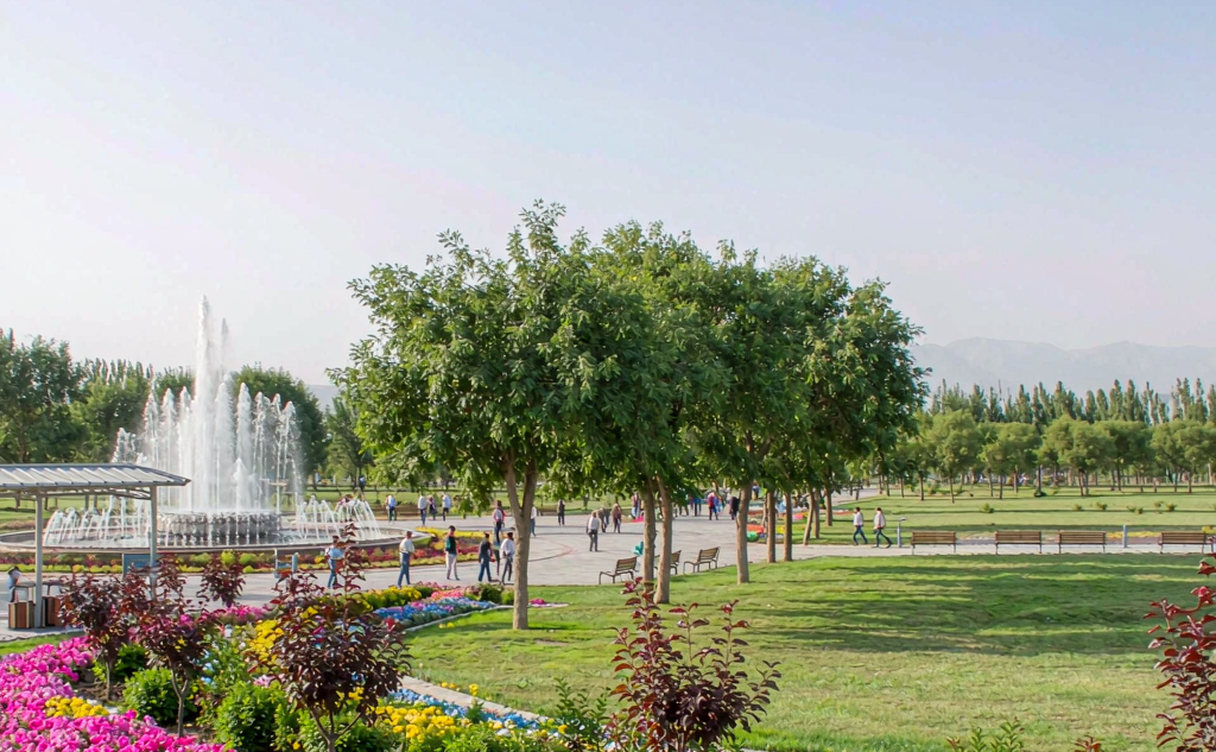
The thing that actually defines Shihezi is its layout, and you should just go walk it. The Shihezi tree-lined avenues — rows of poplar and locust planted along every major street — are the city’s signature. In July and August the canopy is so thick the boulevards feel like tunnels of green, and the whole place runs cooler than the open steppe around it. We like an early-evening stroll along Beisan Road and the ring of parks; locals bike, dance, and play cards, and it’s a relaxed, unfiltered bit of daily life in Xinjiang, China.
If you want green space with a purpose, the Shuimodong (Water Mill) Park and the smaller neighborhood gardens are where families gather. None of this is “sightseeing” in the monument sense — it’s the pleasure of a well-planned city that works for the people who live in it.
Things to do and where to eat
Beyond the museum and the walks, things to do in Shihezi are gentle: a morning at the farmers’ market, an afternoon in a teahouse, an evening of street snacks. The city is a good base for sampling northern Xinjiang, China cooking without Urumqi prices. The signature is 大盘鸡 (dapanji, big-plate chicken with belt noodles), hand-pulled 拌面 (banmian), and the region’s lamb cooked every which way. Our Xinjiang food guide runs down the dishes to know before you order; in Shihezi the 烤肉 (mutton skewers) and the cold 拌面 salads are particularly good and cheap, often ¥3–¥5 a skewer.
For a sweeter note, Shihezi and the surrounding fields are a major fruit area — in late summer the muskmelons and grapes are exceptional and sold by the roadside for next to nothing.
A slow morning in the city
A slow morning in Shihezi is its own reward. We like to be out before eight, when the avenues are still in shadow and the breakfast stalls are firing up — 包子 (steamed buns) and 豆浆 (soy milk) for a few yuan, or a bowl of 奶茶 (milky salt-tea) that nods to the wider northwest palate. Rent one of the ubiquitous shared bikes and ride the grid; in twenty minutes you can cross from the old reclamation core to the newer university district, where the streets open up and the poplars give way to lawns. It’s a calm, unremarkable routine — and exactly the kind of ordinary city rhythm that makes Xinjiang, China feel lived-in rather than staged. Pack a light layer even in summer, because the morning air rolling off the steppe carries a chill the midday sun never quite explains.
When to go
The best time to visit Shihezi is June through September, when the avenues are in full leaf and the weather is warm without being punishing. July and August are peak green and peak lively, though they can touch 35°C midday — plan walks for morning and evening. Autumn (September–October) is excellent too, with golden poplars and crisp air. Winters are long and cold, often -15°C to -20°C, and while the snowy boulevards have their own quiet charm, many outdoor pleasures shut down.
For geographical context on the wider region, the Xinjiang overview on Wikipedia is a reasonable background read before traveling.
Where to stay and a suggested plan
If you overnight, Shihezi has clean, inexpensive business hotels — ¥200–¥350 a night near the train station and the main square. Nothing fancy, but comfortable and central. A natural half-day plan: morning train from Urumqi, taxi to the reclamation museum (free, 90 min), wander the avenues and a park, lunch on dapanji, then the late train back. If you stay, add a second morning at the market and a relaxed park walk.
Travelers continuing west should note that Shihezi is a sensible launch point toward the Ili grasslands and alpine lakes. Our Xinjiang 7-day itinerary shows how to string it together, and the Sayram Lake guide covers the stunning high-altitude lake that often follows a Shihezi stop. For wide open grassland scenery, the Bayanbulak grassland guide is the other classic next step from here.
Practical notes
Bring your passport; the museum and any hotel check-in will ask for it. The city is flat and bike-friendly, and rented shared bikes are everywhere. Cash helps at small stalls, though Alipay and WeChat pay are widely accepted. And keep your expectations calibrated: Shihezi rewards the traveler who enjoys ordinary, pleasant city life more than the one chasing monuments.
Why stop in Shihezi at all
Shihezi isn’t on anyone’s bucket list, and that’s exactly why we like sending people here. It’s a chance to slow down, walk real streets, eat cheap and well, and see a side of Xinjiang, China that the highlight reels skip. As a green, easy break between bigger destinations, it earns its place on the map.