

A Beijing Olympic Park guide should be clear about what this place is: a purpose-built sports and leisure complex in the north of the city, anchored by two of the most photographed buildings in modern China. I have walked clients through here on sunny spring mornings and on freezing January nights when the lit facades reflect off the ice, and the architecture rewards both. This is a half-day to full-day outing built around sport, design and open space — not a temple or a palace, and none of the political symbolism that visitors sometimes expect. Treat it as a design-and-activity stop, and you will enjoy it more.
Olympic Park Beijing metro access
The Olympic Park Beijing metro access is the single most important logistics point. Take Beijing Subway Line 8 to “Olympic Park” (Aolinpike Gongyuan) Station, which puts you right at the south entrance of the central axis between the two main venues. Line 8 also connects south to the old city and north toward the forest park, so it is the backbone of any visit. I always tell first-timers to enter from the south plaza: you get the head-on view of the Bird’s Nest and Water Cube facing each other across the central water feature, which is the postcard shot. For the wider network and ticketing, our China metro and subway guide covers rechargeable cards and app payment that work across Beijing’s lines.
A scheduling note: the south plaza gets busy at dusk when the lights come on, so if you want uncrowded photos, arrive mid-morning. If you want the lit facades, come after 7 pm and accept the crowds. Both are valid; just decide before you leave the hotel.
Bird’s Nest stadium tickets
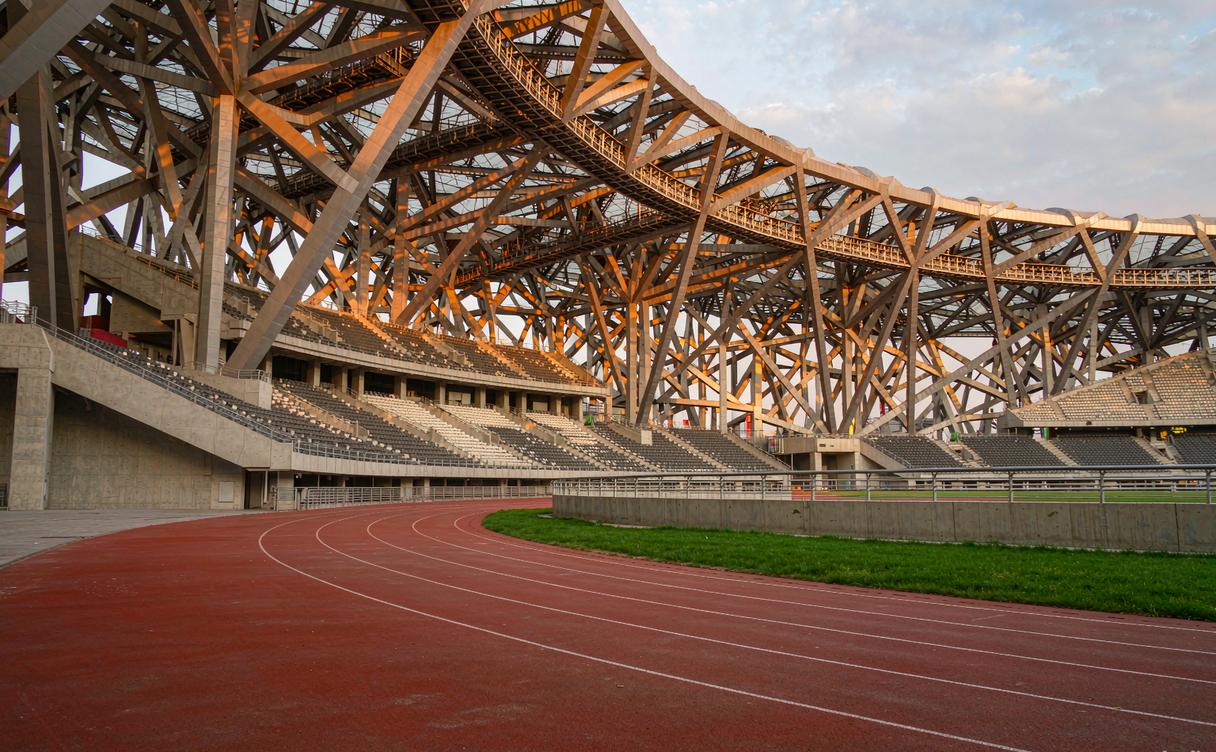
The Bird’s Nest (National Stadium) is the steel-lattice icon designed by Herzog & de Meuron with artist Ai Weiwei’s involvement in the concept. Bird’s Nest stadium tickets for the interior tour run roughly ¥50–¥100 CNY depending on whether you take the standard walk or the elevated rooftop add-on, and opening is generally 9:00 am to 5:30 pm with last entry around 5:00 pm. On my last visit I paid ¥80 for the standard route that loops the concourse, the stands and a section of the field edge — enough to feel the scale without the pricier roof climb. The exterior is free to photograph from the plaza at any hour, and the night lighting is the reason many visitors come back after dinner.
Inside, the sheer size of the bowl is the payoff; stand at the rail and look up at the crisscrossing steel and you understand why it became a symbol of modern Beijing architecture. The rooftop tour costs more and involves stairs, so I only send clients who are fit and genuinely interested in the engineering. For a fuller city plan, our Beijing first-time travel guide slots this stop into a north-side day.
Water Cube swimming visit
Across the axis sits the Water Cube, officially the National Aquatics Center, whose blue bubble-facade was engineered from ETFE cushions. A Water Cube swimming visit is genuinely possible: the public swimming pool inside opens to visitors on set sessions, typically mornings and some evenings, with day-pass entry around ¥60–¥120 CNY including lane swim, though hours shift by season and you should confirm before going. I have sent athletic clients who wanted a lane swim in an Olympic pool and they came back grinning. Bring your own cap and goggles if you can; the on-site rentals are basic. If you just want to look, the exterior light show after dark is free and the building’s blue glow against the darker Bird’s Nest makes the best pair of photos in the park.
Olympic Tower observation deck Beijing
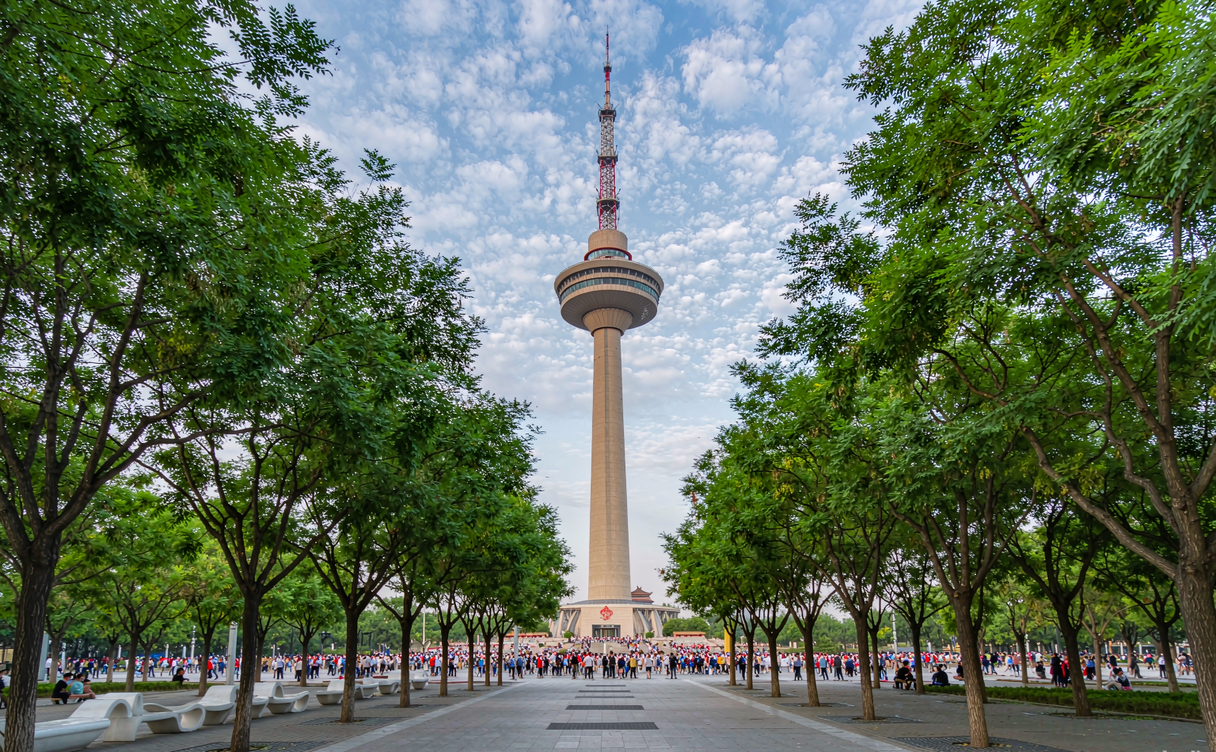
For the aerial view, the Olympic Tower observation deck Beijing offers is the highest in the park — a five-pronged tower whose top deck sits around 246 meters up, with tickets in the ¥120–¥180 CNY range and late opening that often runs to 9:00 or 10:00 pm. I recommend it at dusk: you watch the city light up while the venues below switch on. On a clear winter day the visibility reaches the distant hills; in summer haze it is softer but still worth it. The tower also has a rotating restaurant if you want to stretch the experience into a meal. This is one of the better value viewpoints in Beijing simply because the park itself is open and uncrowded compared with the central tourist core.
Linglong Tower and the Forest Park
Beyond the two headline venues, the park holds the Linglong Tower (a multi-pod broadcast tower you can walk around at ground level) and the vast Olympic Forest Park to the north, a real green escape with lakes and running paths. I often end a client’s Olympic day with a slow walk in the forest park — it is free, leafy, and a world away from the traffic. The park’s layout is generous with space, which is why it works so well for families and joggers. For a different green-and-water Beijing day, our Summer Palace Beijing guide is a natural companion, and the Beijing 798 Art District guide adds a contemporary-art counterpoint on the city’s east side.
Best time to visit Beijing Olympic Park
The best time to visit Beijing Olympic Park follows the city’s general climate more than the venues themselves. Spring (April–May) and autumn (September–October) are ideal: mild, low haze, comfortable for the long outdoor walks between buildings. Summer is hot and crowded in the evenings, though the fountains and open space help. Winter is cold but the lit facades against a clear night sky are superb, and crowds thin out. I avoid the midday summer sun here because the plazas have little shade. For a fuller seasonal picture and how this stop fits a longer stay, our Beijing 3-day itinerary page lays out the sequencing with other north-side sights.
Pairing the park with other north Beijing stops
Because the park sits at the north end of Line 8, it chains naturally with a few nearby sights and I often build a relaxed north-side day around it. The National Art Museum and the Confucian Temple lie well south on the same line for a culture counterpoint, while the forest park’s north gate opens onto quieter wetland walks that most tour buses skip. If you want a fuller design day, end at the park and take Line 8 back south rather than fighting road traffic. I have found that clients who try to bolt the park onto a Forbidden City day usually run out of steam — the two are an hour apart and demand different energy, so keep them separate.
Practical tips I give every client
Wear comfortable shoes — the axis from south plaza to the forest park north gate is a long, open walk with limited shade. Carry water in summer. Buy venue tickets at the official booths or app rather than from touts near the gates. If you only have two hours, do the south plaza photos, one venue interior (Bird’s Nest or Water Cube), and skip the tower. The architecture and the National Stadium (Bird’s Nest) entry on Wikipedia give solid background before you arrive, and they explain the design team without any need for me to editorialize.