

What Makes Napahai Yunnan Different From a Normal Lake
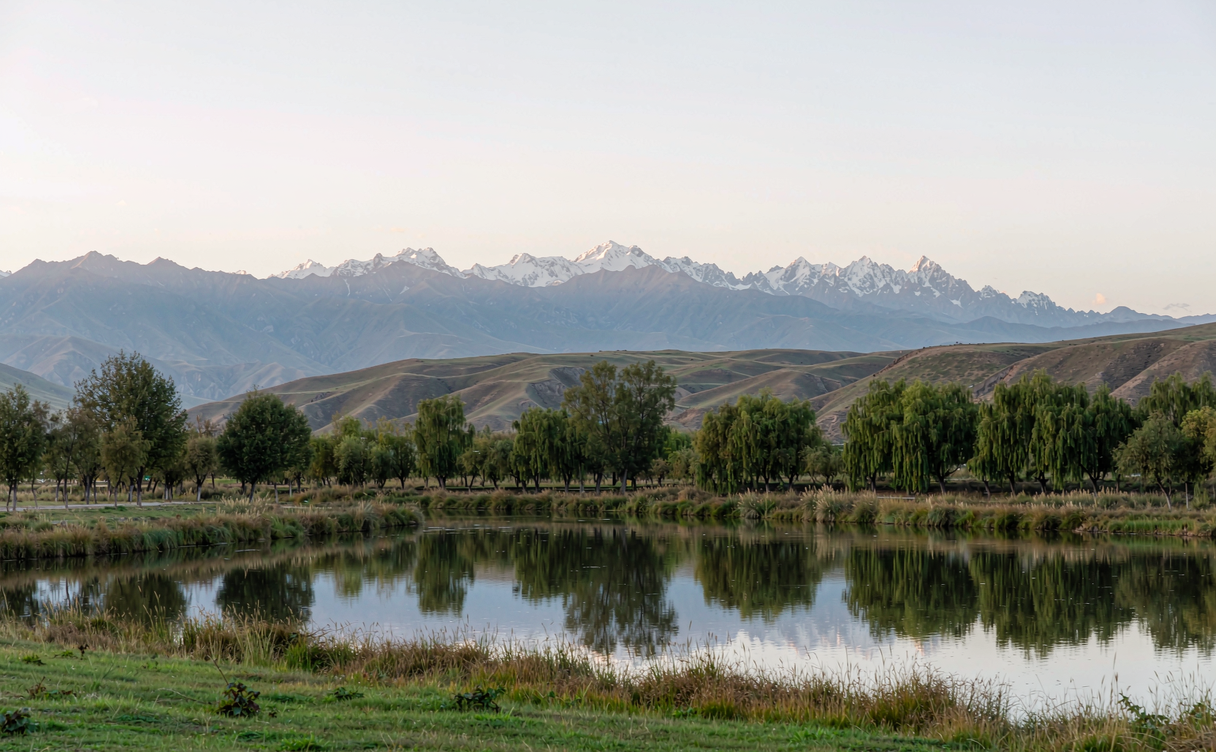
On my first drive out of the Shangri-La town center I made the mistake of expecting open water and found a golden plain instead. That is the trick of Napahai Yunnan: it is a seasonal lake basin, not a fixed sheet of water. In the summer rains the Napahai lake Shangri-La travelers photograph fills with shallow water and mirrors the Meili foothills; by the dry winter it drains to wetland and grassland where yaks and horses graze. I now tell every client to check the month before they come, because the same pull-off looks like two different places.
This Napahai travel guide is built from four trips across the seasons, including a February visit when the black-necked cranes were still on the ground. The basin sits about 3,270 m above sea level, so altitude is part of the plan from the moment you arrive in Shangri-La.
Getting from Shangri-La to Napahai
The hop from Napahai to Shangri-La town is short: the basin starts about 8 km north of the county seat and the ring road loops the whole wetland in roughly 40 km. A taxi from town costs ¥40–60 CNY one way; many drivers wait at the gate and ask ¥150–250 CNY for a half-day loop, which I negotiate down before getting in. A rented e-bike or bicycle is the better way to feel the place if you are fit for the altitude — the flat ring road is about 36–40 km and takes 3–5 hours with stops.
If you are not staying in Shangri-La itself, the nearest airport has daily flights from Kunming (¥400–900 CNY depending on season) and the bus from Lijiang takes 3.5–4.5 hours for ¥70–100 CNY. I plan a night in town for altitude adjustment before any Napahai cycling.
The Black-Necked Cranes and the Winter Grassland
From November to early March the Napahai grassland becomes one of the few places in the world where wild black-necked cranes overwinter. I counted more than sixty birds on a quiet February morning near the eastern marsh. The species is endangered and sensitive to noise, so the local rules keep vehicles on the ring road and ask visitors to stay back from the feeding areas. You can read the biology and conservation status on the Black-necked crane page at Wikipedia, which I hand to birders who want the detail.
Bring a long lens and a telescope if cranes are your goal. The best light is 8–10 a.m. when the birds work the wet meadow; by noon they drift inland.
Horse Riding, Cycling and the Ring Road
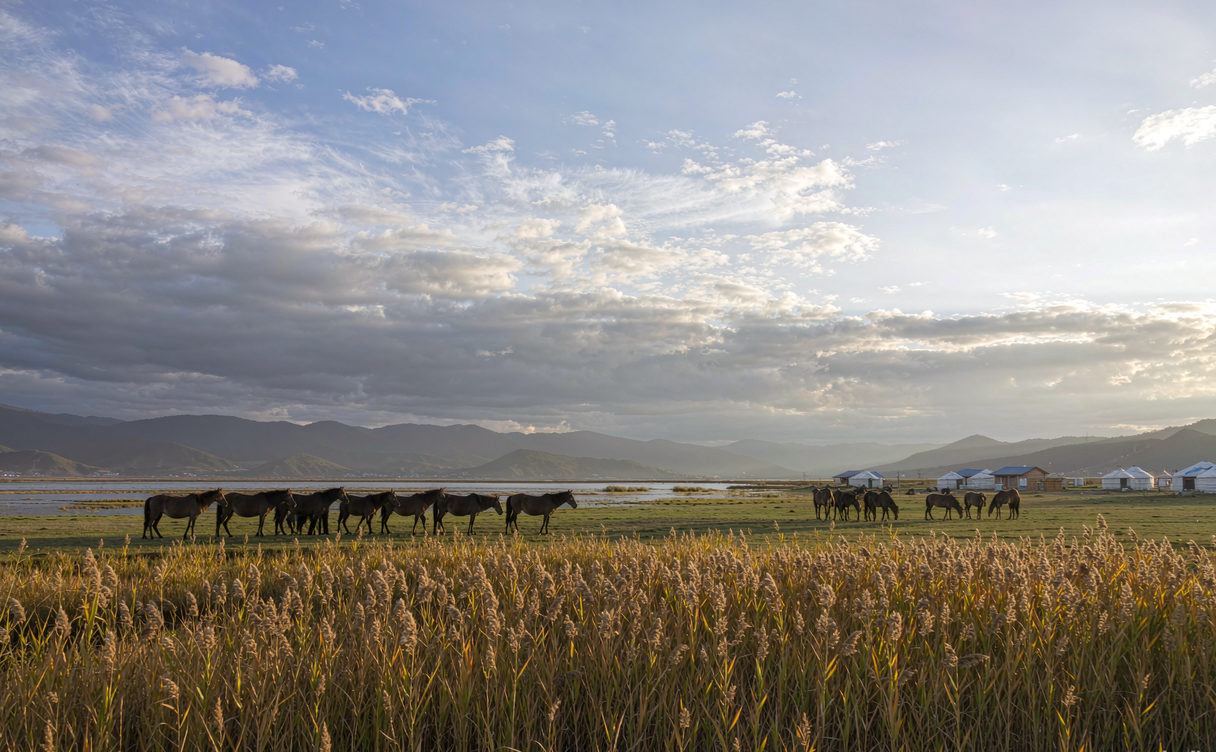
The flat Napahai grassland ring is the easiest scenic ride in northwest Yunnan. Locals rent ponies at the roadside for ¥50–120 CNY for a short loop, and full bike rental in town is ¥30–60 CNY a day. The ride itself is gentle, but the business around it is where I warn every client, because this is the one spot near Shangri-La where tourists get pressed.
Practical cautions I give in writing:
- Agree the price and the distance before you mount. A common pressure tactic is “just ride free to the next bend” and then a demand for ¥200–400 CNY to be taken back.
- Use vendors at the marked parking areas, not men who wave you down on the open road.
- Photographers offering “free” drone shots often ask ¥100–300 CNY afterward; decline or fix a price first.
- During July–August peak, pony and bike prices jump 30–50%, and touts triple near the town gate.
None of this ruins the day if you set the terms up front. The wetland is public and free to walk along the ring path.
Tickets, Opening Hours and Where to Stay
Napahai itself has no single gate fee for the ring road; you drive or ride it freely. The fenced viewing decks and the horse yards may charge ¥10–30 CNY. The nearby Songzanlin Monastery and Pudacuo National Park do charge, so I budget them separately: Songzanlin is ¥90 CNY with shuttle, Pudacuo is ¥100–138 CNY with the bus. Opening hours for the basin are daylight only; the monasteries and parks run about 8:00 a.m. to 5:30 p.m.
For a two-night plan I book a Shangri-La town guesthouse at ¥200–400 CNY or a mid-range hotel at ¥500–900 CNY. Staying in town rather than at the lake edge keeps you near food and oxygen and makes the early crane run easy. Our Dali Erhai Lake guide and the Qiandao Lake Hangzhou guide are useful if you want to compare very different Chinese lakes on the same trip.
Best Time Napahai Shows Its Two Faces
The best time Napahai rewards you depends on the view you came for. Come in June–September for the full lake and green wetland, with wildflowers and the clearest reflection of the snow line. Come in November–February for the crane grassland and golden plains, with cold, bright days and almost no crowds. I avoid the week of the October National Day holiday, when the ring road clogs. On the grassland edge, herders sell warm yak-milk yogurt and roasted barley cakes from roadside tents for ¥10–20 CNY; I treat this as the snack stop and a chance to ask about the crane count that week. The town below has Tibetan-style restaurants where a hotpot for two runs ¥120–200 CNY, useful after a cold morning on the marsh.
Combining Napahai with Pudacuo and Songzanlin
A natural Shangri-La day pairs the wetland with the two paid sites. I run it as: morning cranes or lake light at Napahai, late morning Songzanlin Monastery, afternoon Pudacuo boardwalk, back to town for dinner. That needs a car for the day (¥400–600 CNY local charter) because the three are spread across 60 km of plateau road. For the wider region, our Shangri-La Yunnan travel guide lays out the multi-day loop I use with first-timers.
Weather by Month and What to Pack
The basin sits near 3,270 m, so I have clients rest in Shangri-La the night before. Symptoms are breathlessness and a light head; hydrate, go slow, and the flat ring road is fine to cycle.
- Nov–Feb (dry winter): grassland and cranes, days -2 to 12°C, nights below freezing. Pack down jacket, hat, gloves, thermal layer, sunglasses for snow glare; crane light is best 8–10 a.m.
- Mar–Apr: thaw and mud, cranes leave by mid-April, 4–16°C. Layers and waterproof shoes.
- May–Jun: lake fills, 10–20°C, afternoon showers. A rain shell suffices.
- Jul–Aug: peak green water, 12–22°C, heavy storms and typhoon-edge risk; keep a clear day in reserve.
- Sep–Oct: golden grass, cranes return late Oct, 6–18°C.
Extra pitfalls I warn about: some drivers at the town gate claim “Napahai is closed, I’ll take you to a better lake” and then steer you to a paid pen — insist on the public ring road, and skip the roadside “blessing” stop that is not part of the wetland. Eat in Shangri-La town before the loop (yak hotpot ¥120–200 CNY for two, noodle soup ¥20–35 CNY).
Sample 1-Day Itinerary
7:30 a.m. leave town, reach Napahai east marsh for cranes or reflection (90 min). 10:00 a.m. drive the ring road south, stop at a roadside pony yard for a short, pre-priced ride. 12:30 p.m. lunch in town. 2:00 p.m. Songzanlin Monastery (90 min). 4:00 p.m. Pudacuo boardwalk until close. 6:30 p.m. back to town.
Frequently Asked Questions
Is Napahai Yunnan a lake or a grassland? Both, by season. Water in summer rains, grassland in the dry winter.
When are the black-necked cranes there? Roughly November to early March, best at dawn on the east marsh.
How do I avoid horse-ride scams? Fix price and distance before mounting, use marked yards, and never accept a “free” ride from roadside touts.
Can I cycle the whole ring? Yes, about 36–40 km on flat road, but allow for altitude; e-bikes are easier.
What is the best time Napahai for photos? Summer for reflections, winter for cranes and golden plains.
How do I handle the altitude at Napahai? Sleep a night in Shangri-La first, move slowly, and drink water; the flat ring road is fine once you adjust.
Are there restaurants at the lake? Not on the plain; eat in Shangri-La town before or after the loop, with yak hotpot and noodle soup the easy defaults.