

I ate my first bowl of thick, unsweetened plateau yogurt in Lhasa in September 2025, served in a wooden tub with a drizzle of local honey for RMB 15, and I have been chasing the stuff across China ever since. This China yogurt guide is built from that trip and from dairy stops in Beijing, Inner Mongolia, Qinghai, Yunnan, and the far west, and it tells you what to order, where to find it, and what it costs. China is not famous for cheese, but its fermented dairy is one of the best cheap eats a traveler can find.
Beijing lao-yogurt and the glass jars
Start in the capital, where lao-yogurt (老酸奶, “old yogurt”) is sold in squat glass jars with foil lids at convenience stores and breakfast stalls for RMB 6 to 10. It is denser and tarter than Western yogurt, closer to a set custard, and eaten with a spoon after you peel the foil. I bought one every morning near Wangfujing for RMB 8 and counted it as breakfast with a sesame cake. The jar is returnable at some shops for a small discount, though as a visitor you will just recycle it. For the wider menu context, our China food tour guide explains how to order at all-Chinese counters like the ones selling these jars, where pointing works better than phrases.
Inner Mongolian and Qinghai dairy
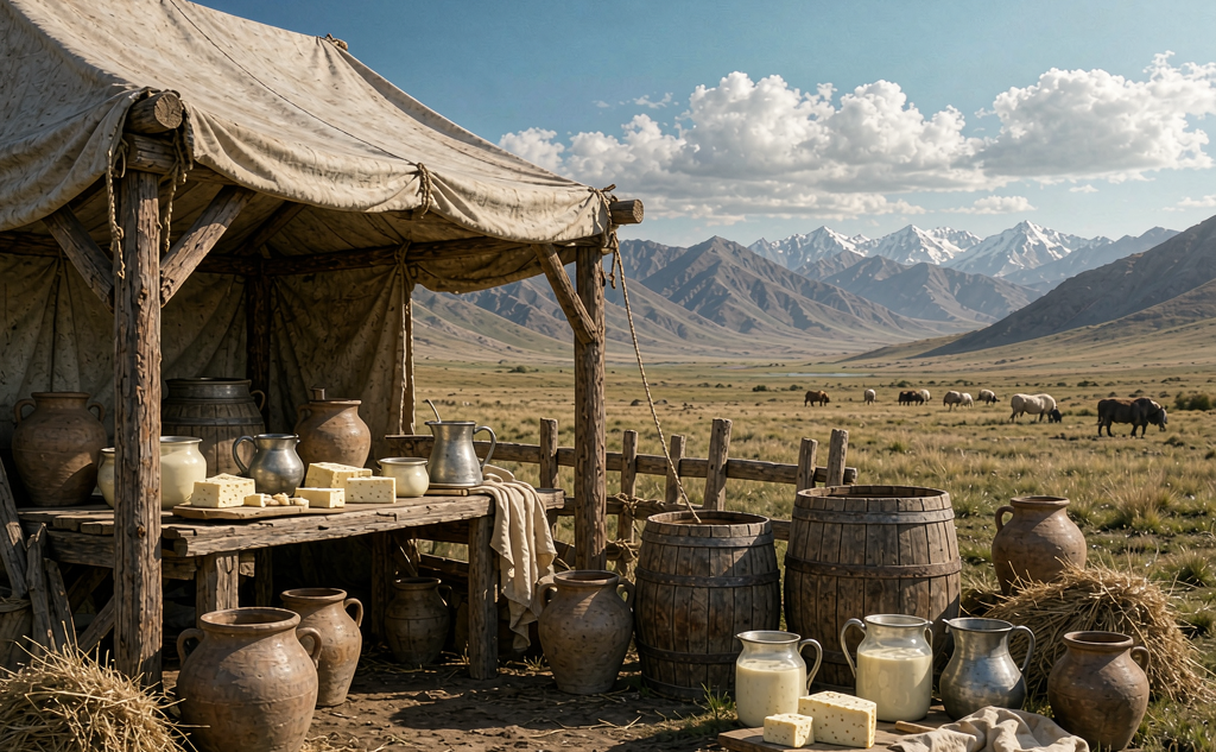
The nomad belt of Inner Mongolia and Qinghai is the heart of Chinese dairy. In Hohhot I tried suutei tsai (salt milk tea) for RMB 8 a bowl and airdried milk curds (wuru) for RMB 20 a bag, both sold at the morning market. In Qinghai around Xining, the Tibetan-style yogurt is the same thick strain you find further west, usually RMB 10 to 15 with sugar on the side. These are not dessert yogurts; they are sour, sometimes salty, and an acquired taste that I acquired fast on a cold morning at 2,200 meters. The fermentation basics are outlined on Yogurt at Wikipedia if you want to know why plateau milk cultures this way.
Tibet, China plateau yogurt
Travelers searching for Tibet, China yogurt will find it thickest and most memorable in Lhasa and Shigatse, where it is served in wooden tubs (the thick “Tibet, China yogurt” travelers search for) with honey or white sugar for RMB 12 to 18. The milk comes from yaks and dri, and the fat content makes it richer than anything in the lowlands. I ate it daily during the trip covered in our Lhasa, China travel guide, and it was the easiest way to keep calories up while adjusting to altitude. Note that the plateau diet is heavy and dairy-forward; our China altitude sickness guide advises eating light at first, so ease into the full-fat tubs over your first two days.
Xinjiang, China dairy and milk tea
The far west is a dairy powerhouse. In Xinjiang, China the Uyghur breakfast table centers on milk tea (sut chai), made with loose black tea, milk, and a pinch of salt, sold at morning naan stalls for RMB 5 to 8 a cup. I also found thick village yogurt (qatiq) for RMB 10, and a fresh cheese called quruut, dried into tangy nuggets, for RMB 25 a bag in the Kashgar market. The Xinjiang food guide maps the morning markets where these are cheapest, and I leaned on it to find a stall selling chilled yogurt under the ID checkpoints’ shade. This China plateau food region rewards early risers, because the dairy moves fast and the best tubs are gone by 10 a.m.
Yunnan rushan cheese and rose milk
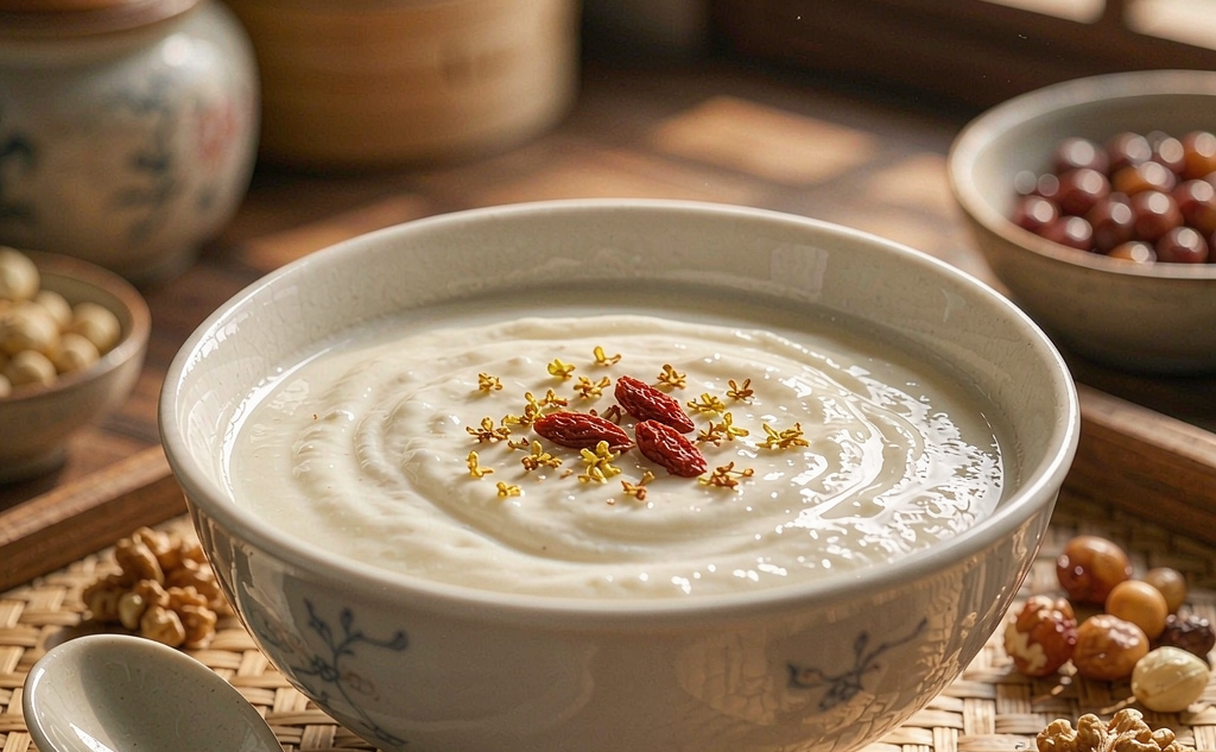
Down in Yunnan, the Bai people make rushan (乳扇), a sheet of grilled milk “cheese” brushed with rose syrup or rolled around sugar, sold at Dali’s night market for RMB 10 to 15 a stick. It is not yogurt but it is the closest thing to cheese in the Han south, and the rose-milk version is the one to try. Speaking of roses, Yunnan also bottles rose-flavored milk drinks (RMB 6 to 9), a sweet, floral counterpoint to the sour plateau yogurts up north. Our China vegetarian and vegan food guide notes that rushan is vegetarian-friendly, which made it a reliable option on days I skipped meat.
Chinese yogurt drinks and where to try them
The bottled Chinese yogurt drinks are everywhere: the Wintao (温淘) and Simply (简爱) brands sit in every convenience fridge at RMB 5 to 9, and the sour “suanyogurt” pouches from the north run RMB 4. For a traveler, the cheapest joy is the street tub: RMB 8 to 15 gets you a real fermented bowl in any plateau town, Beijing, or Yunnan market. Where to try yogurt China-wide comes down to one rule — follow the cold case at the back of a breakfast shop, not the tourist restaurant. Our street food in China safety guide covers how to judge a vendor’s hygiene, and I only ever bought yogurt from stalls with a steady local queue and a working fridge.
A sample dairy day on the road
To show how this stacks up, here is a real plateau day from my Xinjiang, China leg. Breakfast was milk tea and a naan for RMB 10 at a corner stall; mid-morning I bought a tub of qatiq yogurt with sugar for RMB 10; lunch included a plate of fried milk sheet (rushan-style) from a passing cart for RMB 12; and dinner ended with a sweet rose milk drink for RMB 8. Total dairy spend was about RMB 40, and it kept me full across a high-altitude day. The pattern repeats anywhere in China: a morning milk tea, a midday yogurt tub, and a cheese or curd snack. Where to try yogurt China-wide becomes easy once you treat the market fridge as your menu, and the Chinese yogurt drinks in every convenience store are the fallback when no stall is open. Keep the tubs cold and eat them the same day, because plateau milk spoils faster than the packaged versions.
Prices, seasons, and what to expect
Plan on RMB 5 to 15 for a street or market yogurt, RMB 6 to 10 for a bottled drink, and RMB 10 to 25 for regional cheeses and curds. Summer is the peak dairy season when animals are grazing high, so July to September gives the richest milk in the plateau and the west; winter yogurts are still good but a touch thinner. Keep the tubs cold — I carried a small insulated bag on the Xinjiang leg and it saved the Kashgar yogurt from turning by midday.
Is the dairy hunt worth it
For me, yes. A China yogurt guide like this one barely scratches the surface, but the through-line is simple: the further west and higher you go, the better the fermented milk. Build your route around a market breakfast, and let the yogurt be the daily constant while the scenery changes. From a Beijing jar at RMB 8 to a Lhasa tub at RMB 15, it is the cheapest authentic bite in the country.