

Tonghua (通化) rarely appears on foreign itineraries, which is a pity, because this city in the southeastern fold of Jilin sits at the crossroads of three things Northeast China does unusually well: cold-climate wine, deep history, and snow. A proper Tonghua travel guide has to cover all three, because the city is both a working wine town and the gateway to one of the most important ancient ruins in the region—the mountain fortress of the Goguryeo kingdom.
Tonghua lies in a narrow river valley near the border with North Korea, about 300 kilometers southeast of Changchun. It is a mid-sized city of around 1.7 million people, surrounded by forested mountains that turn white from November to March. The Yalu River system feeds the valley, and the long, bitterly cold winters are exactly what makes the local agriculture special. We have sent travelers here for a winter long weekend and watched them go from a ski slope to an ice wine cellar to a 2,000-year-old stone wall in a single day.
Best Time to Visit Tonghua
The best time to visit Tonghua splits into two clear seasons. For snow, skiing, and the ice wine harvest, come between December and February: temperatures sit well below freezing (often minus 15 to minus 25°C), the slopes are open, and the frozen vineyards are at their most photogenic. For ruins, hiking, and mild green valleys, late May to September is better, with warm days of 22 to 28°C and the mountain forts easy to walk.
We tell most first-timers to pick winter. The Tonghua ski resort winter season is the headline, and the ice wine tasting that follows a cold day on the slopes is the kind of combination you cannot get in most wine regions. Avoid the Chunyun holiday period around Chinese New Year if you can—trains and resorts crowd, and prices rise.
How to Get to Tonghua
Tonghua has a high-speed rail link (Tonghua West Station) connecting south to Dandong and Shenyang and north toward Jilin City and Changchun. From Changchun it is roughly 2 to 2.5 hours by high-speed train for 110 to 160 RMB. There is also Tonghua Sanyuanpu Airport with limited flights, mostly via Dalian or Shanghai, but the train is simpler for most visitors. From the station, local buses and taxis reach the city center in 30 to 40 minutes.
For a broader Northeast plan, our Changchun travel guide explains how to use the provincial capital as your rail base, and the Jilin City travel guide covers the river city a couple of hours north. If you are coming from the mountain, our Changbai Mountain guide shows how Tonghua works as a warmer, lower-elevation stop after the peak.
Things to Do in Tonghua
The single most famous thing to do in Tonghua is the Wunu Mountain ancient ruins (五女山山城), the mountain fortress that was an early capital of the Goguryeo kingdom. The site sits on a dramatic cliff-edged table mountain above the Huanren reservoir, about 90 minutes from Tonghua city near Huanren. You climb a stepped path (or take the shuttle and a short walk) to the summit, where stone foundations, a storage cistern, and long stretches of the original fort wall still stand, with sweeping views over the reservoir far below. Entrance is around 80 to 100 RMB including the shuttle. We have sent history-minded travelers up at opening and had them back in time for a late lunch—allow three hours round trip.
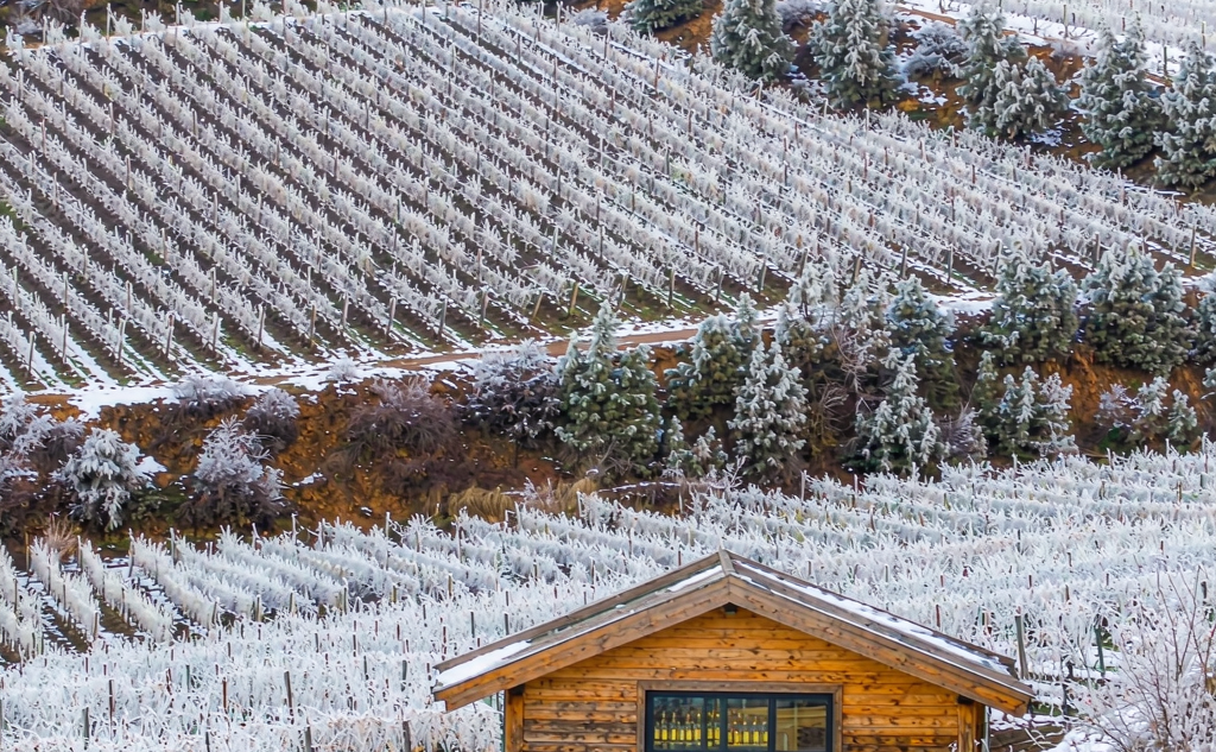
Tonghua is the heart of China’s ice wine country. The local brand Changyu Golden Ice Wine Valley makes a Canadian-style Vidal ice wine from grapes left to freeze on the vine—something only possible because of the region’s deep cold. A Tonghua ice wine tasting at the Golden Ice Wine Valley cellar (near Tonghua) costs around 50 to 120 RMB for a flight and tour, and bottles start at about 150 RMB. The cellars are cold and atmospheric, and the guides explain why the Yalu valley microclimate works. We consider this the best food-and-drink stop in the city.
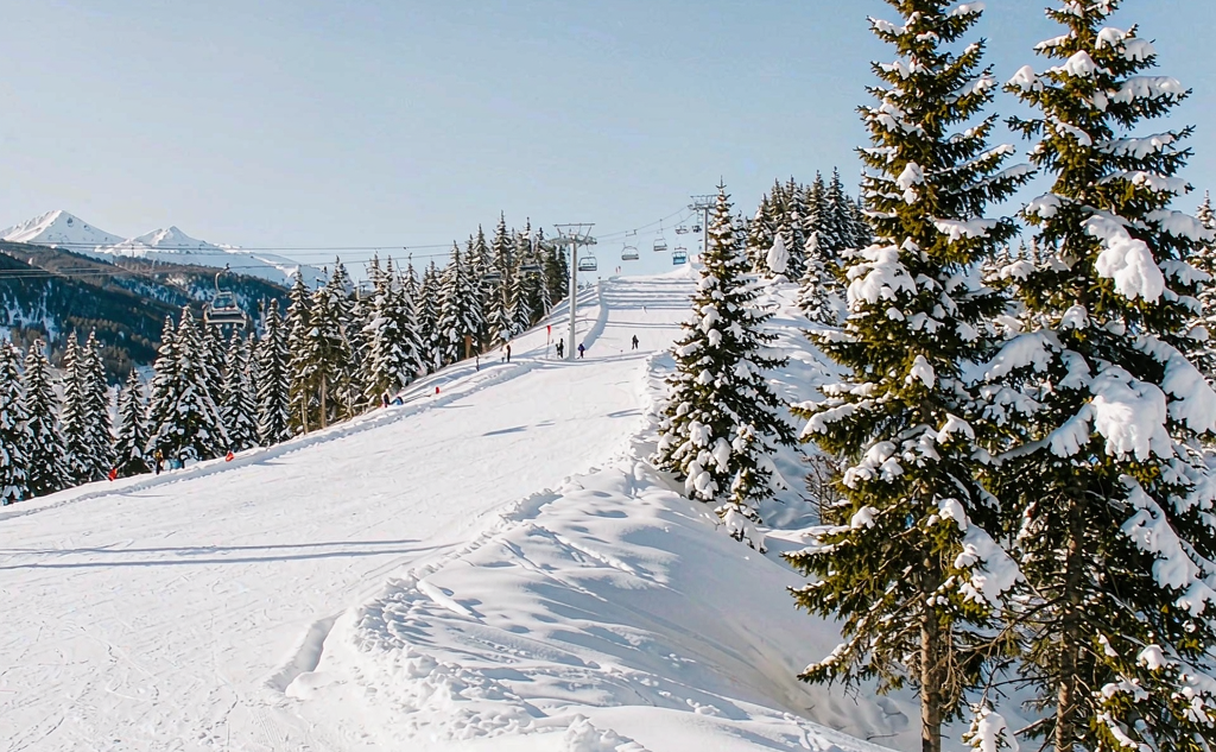
On the snow side, the Tonghua ski resort winter slopes are modest but friendly, good for beginners and families rather than experts. A day pass runs 120 to 220 RMB, equipment rental another 80 to 120 RMB, and the season runs roughly late November to March. For more serious downhill, our China winter sports guide compares Tonghua with bigger resorts across the Northeast, and the Harbin Ice Festival is a natural add-on several hours north.
A Suggested Tonghua Itinerary
A good Tonghua itinerary uses two full days. Day one: arrive, afternoon ice wine cellar tour and tasting, hotpot dinner. Day two: early drive to Wunu Mountain, late morning at the fortress, back for a ski session if it is winter or a riverside walk if it is summer. A third day can add the city museum and the smaller local temples. We always leave buffer for weather—mountain fog can close the Wunu summit views, so a clear forecast matters.
Where to Stay and What to Eat
Tonghua is inexpensive. A central business hotel runs 160 to 300 RMB per night; near the ski resort, simple lodges cost 200 to 400 RMB in season. Food leans hearty Northeast: sauerkraut and pork stew (酸菜白肉, around 40 to 60 RMB), cold noodles (15 to 25 RMB), and grilled river fish. A hotpot for two is 100 to 160 RMB. The local ice wine is the obvious souvenir, but buy at the cellar shop to be sure of the label.
For a regional frame, our best things to do in China list includes both ancient ruins and winter sports stops worth weighing against Tonghua. We also remind travelers that Tonghua makes a smooth rail add-on to a longer Jilin and Heilongjiang loop rather than a standalone destination.
Background and Practical Notes
Wunu Mountain is part of a UNESCO World Heritage grouping that recognizes the capital cities and tombs of the ancient Koguryo kingdom, a designation that underscores how significant this quiet Jilin hillside is to早期 Northeast Asian history. You can read about the full inscription on the UNESCO page for the Capital Cities and Tombs of the Ancient Koguryo Kingdom, which explains why the fortress and nearby tombs were protected. On site, stay on the marked paths—the cliff edges are real and unfenced in places—and wear grippy shoes; the stone gets slick in frost.
English signage at the ruins is patchy, so download an offline map and have your hotel write “五女山” in Chinese for the driver. Mobile payment works everywhere in the city; carry some cash for the smaller ruin kiosks.
Is Tonghua Worth It?
A Tonghua travel guide should be straight about this: it is not a polished resort town. But it is authentic, cheap, and packed with things you cannot do side by side anywhere else—climb a 2,000-year-old fortress, taste wine made from frozen grapes, and ski the same day. For travelers who like their Northeast China with a bit of history and a glass of something cold, Tonghua earns its place.