

Flying inside China as a foreign visitor is easier than the forums suggest and more particular than the airlines admit, and the gap between the two is where trips go wrong. This China domestic flights guide is the briefing we give everyone before they book a single seat, drawn from watching tourists miss flights over a name mismatch and wait an hour at a kiosk that would not read a passport. These China domestic flight tips come from the mistakes we see most often, and they apply to the domestic flights China foreigners book on every route from Beijing down to the south. Get the paperwork right and the system is fast and cheap; skip it and you will learn the hard way.
How to book domestic flights China is where the first trap sits. The Chinese apps that locals use, Ctrip’s Chinese site, Fliggy, and the airline own apps, often want a Chinese payment method and a local phone number, and a foreign card can fail at the final step even when the interface is in English. Trip.com, the international arm of Ctrip, takes international cards cleanly and shows the same flights, so for most visitors that is the path of least resistance. Book with your passport, and here is the part people miss: the name on the ticket must match the passport machine reading exactly, surname and given name in the right fields, spelled the way your passport spells it, not the way your credit card abbreviates it. A missing middle name or a swapped order can block boarding, and the desk will not bend the rule.
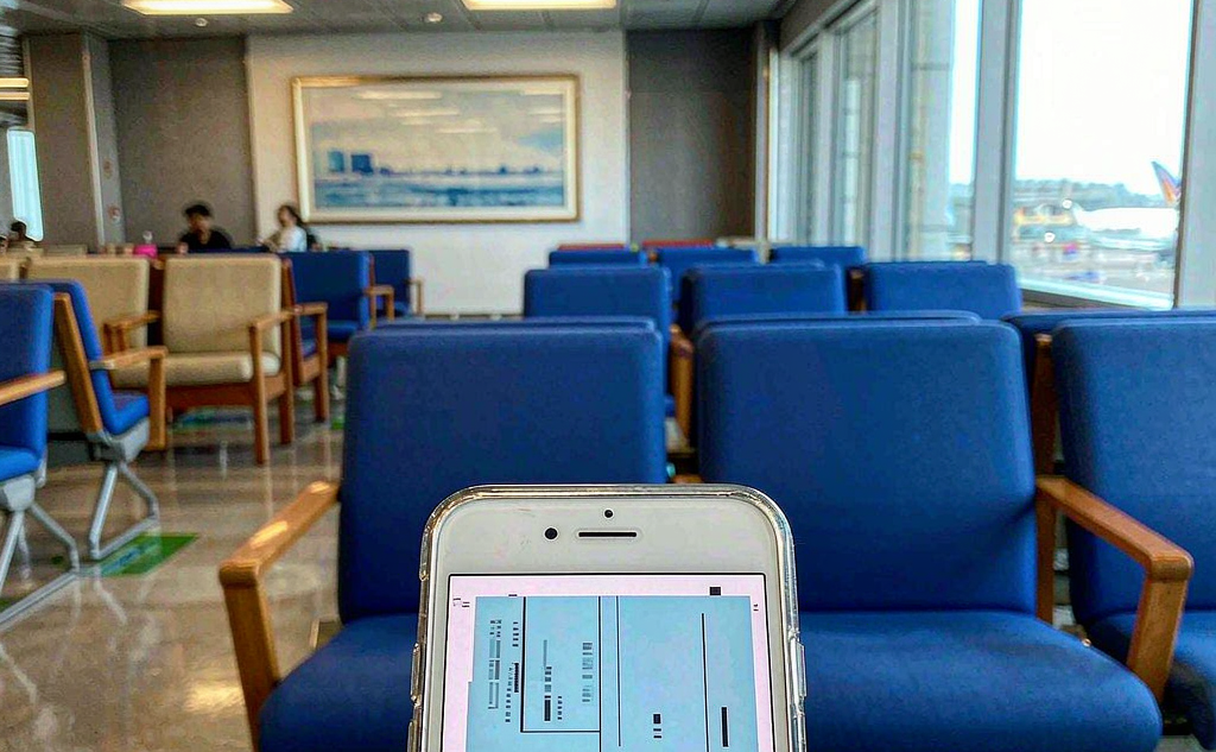
This China airport guide to the terminals starts with the two hour rule, because the airport itself runs on a rhythm you should learn before you arrive. For a domestic flight, reach the terminal two hours early; the lines move but the document checks add time. At the entrance and again at security your passport is scanned, and at security you separate liquids into a clear bag (each under 100 milliliters), take laptops and tablets out, and remove coats and belts. Lighters and matches are confiscated, and power banks must be in carry on with a visible capacity label, not in checked bags. The screening is thorough but routine, and a calm pace beats a sprint.
Baggage rules vary by airline in a way that surprises people. The best China airlines for tourists, the full service carriers, generally allow a checked bag around twenty kilograms in economy and a carry on near five kilograms, but the low cost and some regional lines sell a bare fare with no checked bag and a smaller cabin allowance. Read the fare class before you pay, because the savings vanish when you add a suitcase at the counter, where the rate is higher than online. If you travel with diving gear, bikes, or musical instruments, call the airline first; oversize handling is inconsistent and a surprise at drop off costs time.
Delays are normal, not exceptional. Summer thunderstorms and winter fog across the east and north regularly push flights back an hour or more, and a single weather cell can ripple across the afternoon. Build buffer into any connection, and if your plan is tight, prefer the morning departure, because delays compound as the day goes on. When a flight is canceled, the airline rebooks you, but the app and the gate screen are in Chinese, so a translation tool and a visit to the service desk settle it faster than staring at the board. Our China high speed train guide for foreigners is the backup plan for short hops, because when the weather shuts the sky, the rails usually still run.
Two more practical points save grief. Low cost and regional carriers sell the cheapest fares but charge for seat selection and sometimes for carry on weight at the gate, so weigh your bag at the hotel if you are close to the limit, because the gate scale is unforgiving and the fee is higher there. Pick a seat when you book if legroom matters, because the default assignment on a full plane can leave you in the last row by the lavatory. If you miss the check in cutoff, usually forty five minutes before departure for domestic, the airline may rebook you on the next flight for a fee or free depending on the fare, and the service desk handles it faster than the phone, so go straight there rather than refreshing an app.
Lounges and the between flight stretch are worth knowing. The major hubs sell day pass access at the door for a reasonable sum, and a tired traveler with a two hour connection gets showers, seats, and snacks that beat the terminal floor. Airport wifi works but registers through a Chinese phone number or a passport portal, so set it up before you need it. If you have an early departure and a late arrival the night before, the airport transit hotels we cover in the guide below beat a midnight cab across a strange city.

The China flight vs train call saves both money and sanity once you know the distances, and the rule is simple. As a rule, for any city pair under roughly eight hundred kilometers, the high speed rail wins on door to door time once you add airport transfers, security, and the usual delay. Beijing to Shanghai is the famous example where the train is competitive and central to central. For routes where the airports sit far from the cities, the gap is wider. If you are deciding how to buy rail for the legs the plane cannot serve, the how to book China train tickets 12306 guide explains the official platform and the foreign passport sign up that trips people up.
Check in and the boarding pass deserve their own note. Most airlines push the e boarding pass through their app or Alipay, and for domestic flights on a Chinese ID that works at the gate. With a foreign passport, some gates still want a paper pass or a printed one, so we tell visitors to grab the paper at a self service kiosk or the counter even if the phone shows a code. The kiosks read the passport, print in seconds, and save the argument at the door. Keep the passport out until you are seated, because the gate staff scan it again.
The big city airports hide a second trap: many have two airports, and the wrong one strands you. Beijing uses both Capital (PEK) and Daxing (PKX), on opposite sides of the city, and a taxi between them is over an hour. Shanghai splits international and most long haul at Pudong (PVG) from domestic and the Hongqiao (SHA) side, and Hongqiao sits on the metro with the high speed trains. Guangzhou and Shenzhen have their own pairs too. Match the airport to your hotel before you book, not after you land, and the new airport guides cover the terminals and the transfer times that decide which one to pick.
One special case worth knowing: flights to Hong Kong, China operate under a separate customs and border clearance, like an international leg, even though Hong Kong, China is part of the country. You clear immigration and customs on both ends, so build extra time and carry your documents as if flying abroad, and do not book a tight connection expecting a domestic style walk across the terminal. The same separate clearance applies to flights to Macau, China. Plan those as distinct steps in the day, not as a hop between mainland cities.
If a delay or an early flight leaves you in a terminal overnight, the airport transit hotel guides list the in terminal and airside options that take foreign passports, which beats the hard chairs. For visitors using the stopover to see the country, the China 240 hour visa free transit rule explains who qualifies and how the clock starts, and getting it wrong at the desk is a painful way to learn.
The short version is this. Book on a platform that takes your card, put the passport name exactly right, arrive two hours early, pack liquids small and power banks visible, take paper at the gate, and pick the airport that matches your hotel. Do those six things and domestic flying in China is a cheap, fast way to cross the country; skip them and you will meet the same lesson the hard way most travelers do.
For the official rules and the latest on baggage and security, the Civil Aviation Administration of China publishes the passenger guidance that the airlines draw from.