

Perched at about 3,700 meters in the mountains above Kangding, Mugecuo Lake is the largest alpine lake in the Jiajing region of Sichuan and one of the quietest high-altitude escapes in the eastern Himalayas. Known to locals as the “Mirror of the Sky,” the lake sits inside a national scenic area that wraps forests, waterfalls, hot springs, and Tibetan villages into a single day of exploring. For travelers already headed to western Sichuan, Mugecuo Lake travel fits neatly between Chengdu and the famous Daocheng Yading reserve, offering a gentler altitude step-up and fewer crowds than the headline parks.
Kangding as your base
Kangding, the historical gateway to the Tibetan plateau in Sichuan, is the natural jumping-off point. The town sits at around 2,560 meters, low enough to sleep comfortably while still giving your body a first taste of altitude before you climb to the lake. Our Kangding travel guide explains how to reach the town by bus from Chengdu, where the morning departures leave, and which guesthouses sit near the onward minibus stand. From Kangding it is roughly 25 kilometers up a winding mountain road to the Mugecuo scenic area entrance, and most visitors hire a local car or join a day tour because public transport to the gate is limited.
The drive itself is worth the fare. The road climbs through pine forest, past prayer-flag-draped passes, and beside small Tibetan hamlets where yaks graze on the roadside verges. On clear mornings the mist lifts off the valley in slow bands, and you begin to understand why this corridor has been a trading and pilgrimage route for centuries.
Things to do at Mugecuo Lake
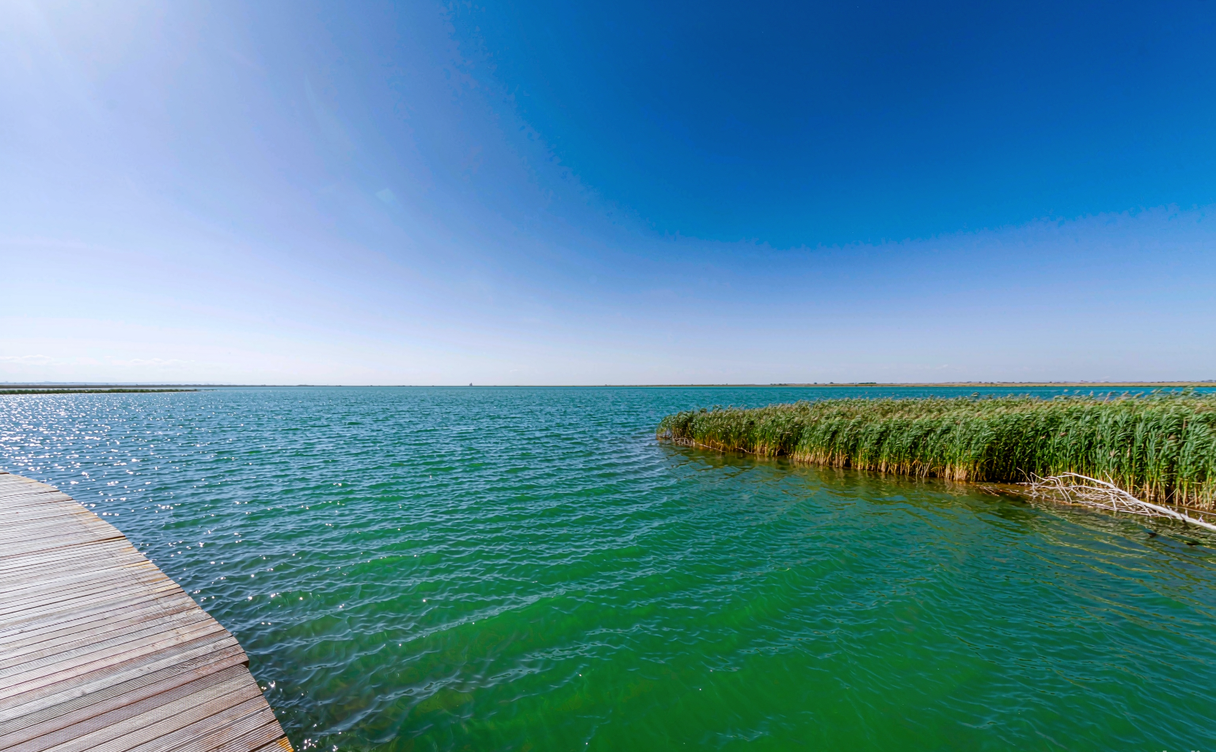
Once inside the park, a shuttle bus carries you up to the lakeshore, where a wooden boardwalk loops the eastern edge. The main activity is simply walking the shore and watching the water change color from jade to deep blue as clouds pass. A Mugecuo Lake hiking circuit of about 3 kilometers is easy and well maintained, suitable for most fitness levels, though the thin air at 3,700 meters will remind you to pause often. Bring water and walk slowly on your first hour at altitude.
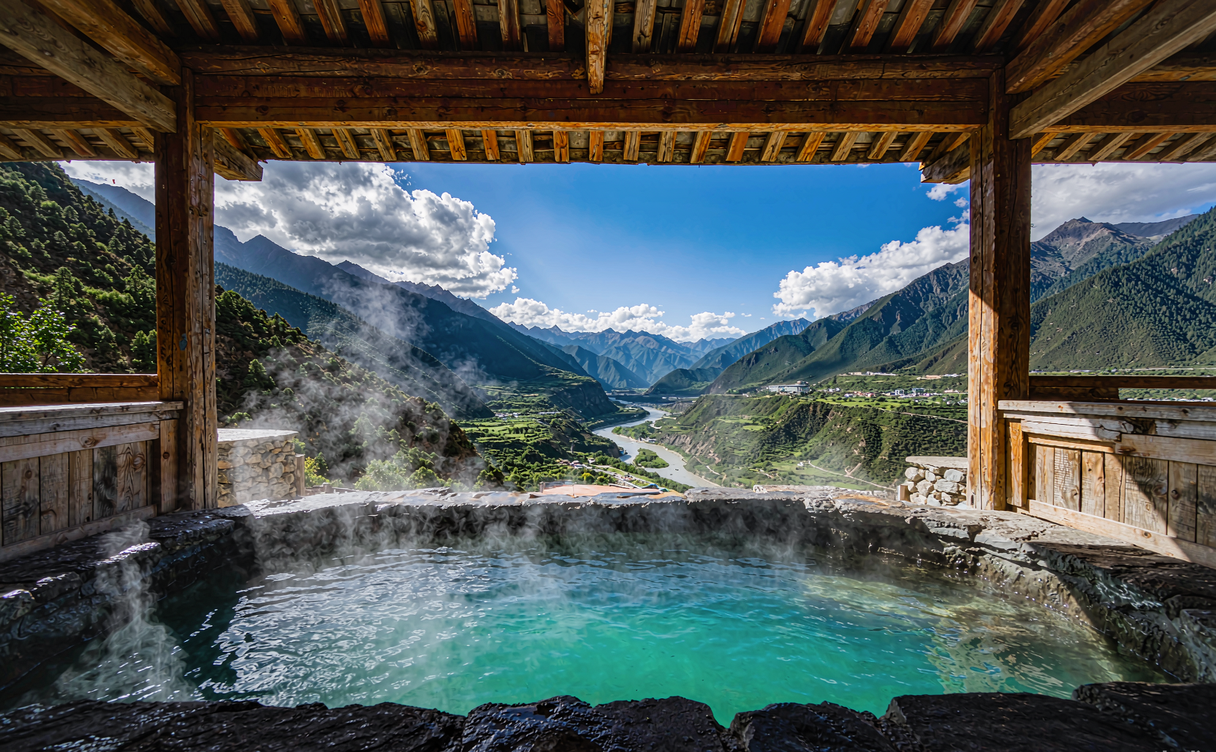
Just below the lake, the Seven Color Sea (Qise Hai) is a smaller pool famous for its shifting hues, and the nearby Fragrant Grass Pond lives up to the name in late summer when wildflowers carpet the banks. If you want a soak, the park’s hot spring area draws mineral water from the same fault line that feeds the lakes. The China hot springs resorts guide compares Mugecuo’s springs with other famous bathing spots across the country, which helps if you are planning a wider wellness-focused trip.
Best time to visit Mugecuo
The best time to visit Mugecuo is late April through early June, when the rhododendrons bloom across the hillsides, and again in late September through October, when the larches turn gold and the air is crisp. Summer brings rain and clouds that can hide the peaks, though the lake is fullest then. Winter closes some upper boardwalks with ice and snow, but the frozen surface and bare trees have a stark beauty for patient photographers.
Because the lake sits high, weather shifts fast. A sunny morning can turn to sleet by noon, so pack layers, a rain shell, and sunglasses to cut the glare off the water. Acclimatize in Kangding for a night before ascending, and avoid heavy exercise on your first day at the lake.
Mugecuo to Chengdu and beyond
Most travelers string Mugecuo together with other Sichuan highlights. The classic Mugecuo to Chengdu return is about 330 kilometers and takes five to six hours by bus or private car, making it an easy round trip from the city. Many people combine the lake with a stop in the nearby town of Xinduqiao, a photographer’s favorite for its golden poplars and Tibetan farmhouses. For a longer western Sichuan loop, our Daocheng Yading Sichuan guide details the sacred peaks further southwest, while the Yading guide covers permits and altitude planning for that higher park.
Chengdu itself is the usual start and end point. The Chengdu travel guide has flight and train details, plus notes on the tea-house culture that makes a soft landing after a few cold nights on the plateau. If you want a lower-altitude nature day before flying home, Mount Qingcheng near Chengdu is a peaceful Taoist mountain forest just an hour from the city.
Photography and the mountain light
The lake rewards patience more than gear. Early morning, before the tour buses arrive, the surface lies flat and mirrors the surrounding peaks, and a standard phone can capture the reflection that made Mugecuo famous. For richer images, a polarizing filter deepens the blue and cuts glare off the water, while a light jacket keeps you comfortable during the long blue hour. The boardwalk’s wooden angles and the red prayer flags make strong foregrounds against the pale peaks.
Late September turns the hillside larches gold, and that brief window draws the most photographers. If you visit then, arrive at the gate before it opens to claim the calm hour before the first shuttle. The nearby town of Xinduqiao, on the road toward the west, is so photogenic that locals call it a photographer’s paradise, and many travelers add a night there between the lake and the higher parks.
Altitude and health notes
At 3,700 meters the air holds roughly two-thirds of the oxygen you get at sea level, and the effect is real even for fit travelers. The safest plan is to sleep a night in Kangding at 2,560 meters, drink extra water, and avoid alcohol on your first plateau evening. Mild headaches and short breath are normal; persistent nausea or dizziness means descend and rest. The park’s higher boardwalks are gentle, but walk slowly and pause often.
Carry a basic kit with ibuprofen, rehydration salts, and any personal medication, because pharmacies near the lake are limited. Travel insurance that covers altitude evacuation is worth buying before you leave Chengdu. Most visitors adjust within a day and then enjoy the lake without trouble, but respecting the elevation is the difference between a great trip and a difficult one.
Where to eat and stay
Kangding has the widest choice of food, from Sichuanese hotpot to Tibetan butter tea and yak meat noodles. Up at the lake, the park runs basic noodle stalls near the entrance, but prices are high and choices thin, so eat a proper meal in town first. For lodging, Kangding offers everything from simple Tibetan guesthouses to mid-range hotels with heating, while staying inside the park is possible but limited and cold at night.
A useful outside reference is the Wikipedia entry on Kangding, which gives background on the town’s role as the historic meeting point of Han and Tibetan cultures, context that makes a walk through its old streets more meaningful.
A suggested two-day plan
Day one: travel Chengdu to Kangding, rest and hydrate, explore the town’s Tibetan quarter in the evening. Day two: hire a car to Mugecuo at opening, walk the boardwalk, soak in the springs, and return to Kangding for the night before heading back east or continuing toward Yading. This rhythm keeps altitude gain gradual and leaves buffer for weather.
Mugecuo rewards a relaxed approach. It is not the highest or the most famous lake in Sichuan, but the combination of easy trails, hot springs, and real Tibetan surroundings makes Mugecuo Lake travel a calm, restorative stop on any western Sichuan route.