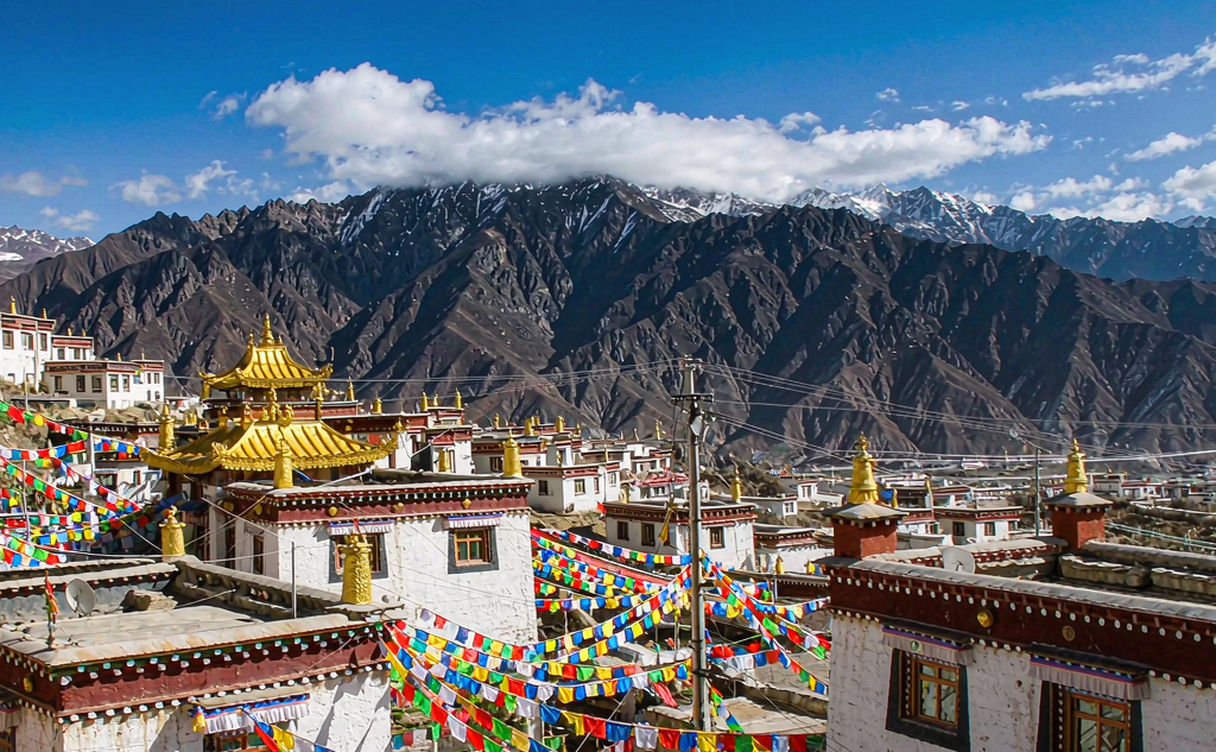
China is home to dozens of recognized ethnic groups beyond the Han majority, and meeting them is one of the most rewarding parts of a China ethnic minorities travel guide. The minority villages of China are not museum exhibits; they are living communities where language, dress, food, and festival calendars differ from town to town. Traveling to them takes more planning than a city trip, but the reward is genuine human exchange.
The southwest is the richest region for this kind of travel. Yunnan and Guizhou together hold the bulk of visible minority cultures, from rice terrace farmers to silver working silversmiths. A thoughtful minority villages China trip respects the fact that you are a guest in someone’s home village, not a spectator at a show.
Start in Guizhou, where the Miao and Dong peoples have built some of the most distinctive wooden architecture in the country. The Guizhou Xijiang Miao Village guide covers the largest Miao settlement, a hillside of hundreds of stilted wooden houses lit at night like a constellation. Go on a weekday if you can; weekends and holidays fill with domestic tourists. The Kaili travel guide is your base for reaching smaller Miao and Dong villages where the tourist layer is thinner and the welcome is warmer.

Miao Dong culture travel centers on a few experiences: watching a lusheng bamboo pipe dance, eating sour fish and sticky rice, and seeing women embroider in the open air. The Dong are famous for their wind and rain bridges and for multi story drum towers built without nails. In some villages you can stay in a guesthouse run by a family, eat at their table, and join an evening bonfire. Ask before photographing people, and consider hiring a local guide who speaks the language and can translate the stories behind the patterns on a jacket or the carvings on a rail.
Xishuangbanna covers the Dai and other groups near the Burmese border, where the climate turns tropical and the temples look more like Southeast Asia than central China. Lijiang introduces the Naxi, whose script is one of the few surviving pictographic writing systems in the world. Lijiang is heavily restored and commercial, so balance it with a visit to nearby villages where daily life is less staged.
For travelers interested in the high plateau, the Lhasa Tibet travel guide explains how to visit Tibet, China respectfully, including altitude preparation and permit rules for foreign travelers. Tibetan villages in Tibet, China let you see yak herding, prayer flag ceremonies, and monastery markets. Move slowly because of the altitude, and learn a few phrases of greeting before you go. The Tibetan areas reward patience: a relaxed schedule means invitations to homes and ceremonies you would otherwise miss.
Festivals are the easiest way to see minority culture at full volume. The Miao Lusheng festival, the Dong song festivals, and the Dai Water Splashing festival draw visitors for good reason. A China cultural travel guide should warn you that festival dates follow lunar or agricultural calendars, so confirm the exact week before booking trains. Best minority festivals in China tend to cluster in spring and autumn, when the weather is kind and harvest rituals are at their peak.
Practicalities matter more here than in cities. Roads to villages can be slow and winding; a private driver or a small group tour saves time and stress. Accommodation ranges from basic homestays to comfortable inns, but do not expect international hotels in remote areas. Book transport and guesthouses a week ahead in peak season, because the popular villages sell out and prices rise. Carry cash, because card and mobile payment coverage thins out. Pack layers, as mountain villages swing from warm days to cold nights.
Etiquette is the heart of a good trip. Dress modestly when entering a home or temple. Accept tea when offered, and learn the local way to refuse a second drink if you do not want it. A small gift from your hometown, offered when you are invited to eat, is remembered long after you leave. Buy handicrafts directly from makers rather than from resellers in big towns, because that income stays in the village. Bargaining is normal at markets but not in a family workshop where a price reflects real labor.
Language is the main barrier. Mandarin gets you through towns, but village dialects often differ sharply. A translation app helps with basics, and a local guide turns a confusing walk into a conversation. Tip guides who clearly enrich the experience, and recommend them to others; good local guides are the backbone of responsible minority tourism.
Health and safety are straightforward if you prepare. Rural clinics are basic, so carry a small medical kit and any personal medication. Altitude in Tibet, China requires acclimatization days and hydration. Travel insurance that covers remote areas is worth the cost, and a copy of your passport and permits stored offline saves trouble if papers go missing.
Food is a direct route into culture. In Guizhou, sour soups and pickled vegetables define the table. In Xishuangbanna, sticky rice steamed in bamboo and grilled river fish reflect the tropical setting. In Tibet, China, butter tea and tsampa are staples worth trying even if the taste is new. Accepting food is a form of respect, and asking how a dish is made often opens the longest, warmest conversations of the trip.
Photography deserves its own thought. In many villages, elders consider a camera intrusive if you point it without a word, while younger residents may happily pose for a small fee or a printed photo sent later. The polite default is to ask, smile, and lower the camera if someone shakes their head. Some festivals forbid photos during specific rituals, and those rules are there for reasons; respect them even when others ignore them.
Getting around the villages takes patience. Buses connect the main towns, but the smaller settlements often need a hired car or a motorbike taxi from the county seat. Roads twist through valleys and over passes, so build long buffers into transfers and never schedule a same day flight after a remote village visit. A driver who speaks the local language is worth more than a cheaper one who does not, because he becomes interpreter, negotiator, and cultural buffer in one.
Money and connectivity are limited. Carry enough cash for two days, because ATMs in county towns can be down and villages rarely take cards. Mobile signal fades in the valleys, so download offline maps and save key phrases before you leave the city. A power bank keeps your phone alive for translation and for the photos you will want to show later.
Responsible shopping keeps culture alive. Buy directly from the woman embroidering on her porch or the silversmith at his bench, and pay the asked price without aggressive bargaining when the item is clearly handmade. Mass produced copies sold in city tourist streets are tempting because they are cheap, but they send nothing back to the villages that hold the real skills. Ask how long a piece took; the answer tells you more about value than the price tag.
Safety is rarely a concern, but altitude, weather, and remoteness add real risk in the plateau regions. Tell someone your route, watch the sky, and turn back if a pass looks unsafe. The best minority trips are the uneventful ones where you simply sat, ate, and listened.
A practical tip for avoiding crowds: the famous villages are busiest from late morning to late afternoon and on weekends. Arrive the evening before, stay in a guesthouse inside the village, and walk the lanes at dawn when smoke rises from the kitchens and the only sound is the river. That hour is when photography and conversation both come easily, and it is free of the bus tour rhythm that flattens the experience later in the day.
For background on China’s ethnic diversity from an official source, the China National Tourist Office provides overviews of regional cultures and festival calendars that help you time a visit.