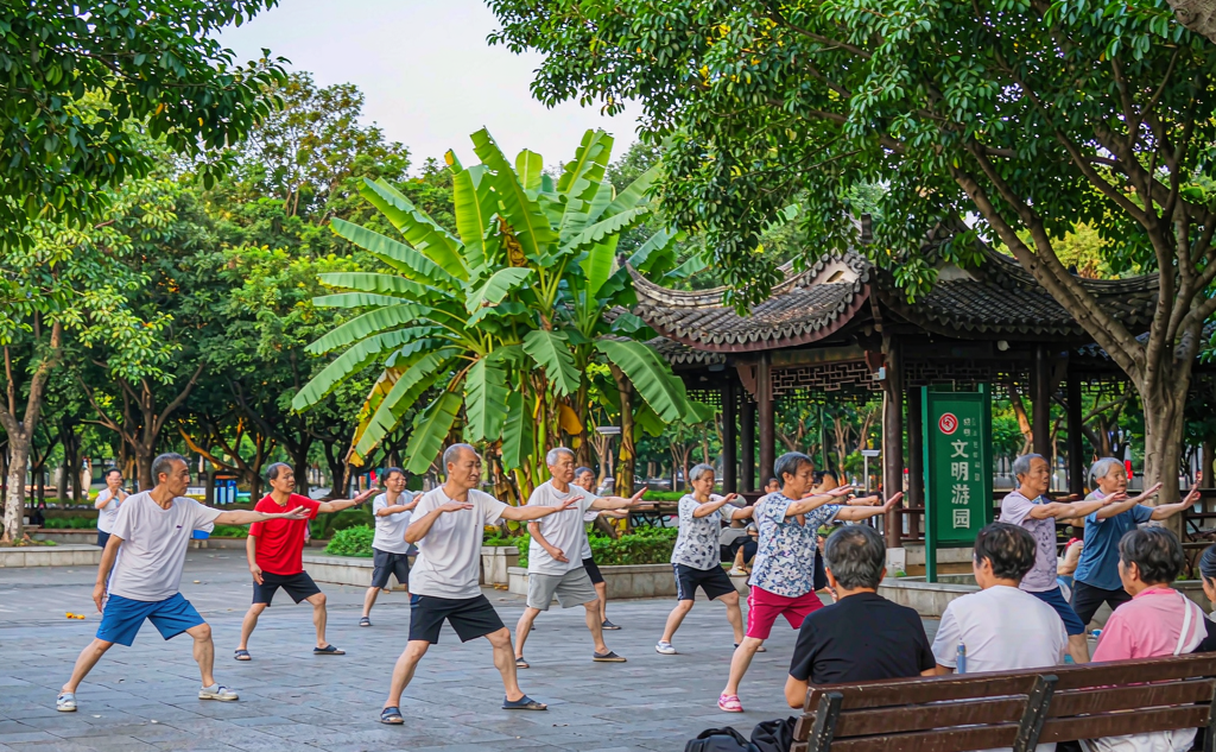
Martial arts draw more foreign travelers to China than almost any other single cultural pursuit. This China kung fu tai chi guide covers where to actually train, how long it takes to learn something real, and how to avoid schools that promise more than they deliver. The good news is that China has options for every budget, from a free dawn tai chi lesson in a Beijing park to a year at a residential kung fu academy in Henan.
The two arts feel different. Kung fu, or wushu, is a fighting system built on strikes, kicks, forms, and weapons. Tai chi, or taijiquan, began as a martial art but is practiced today mostly as slow, flowing exercise for health and balance. Many visitors want a taste of both, and that is easy to arrange.
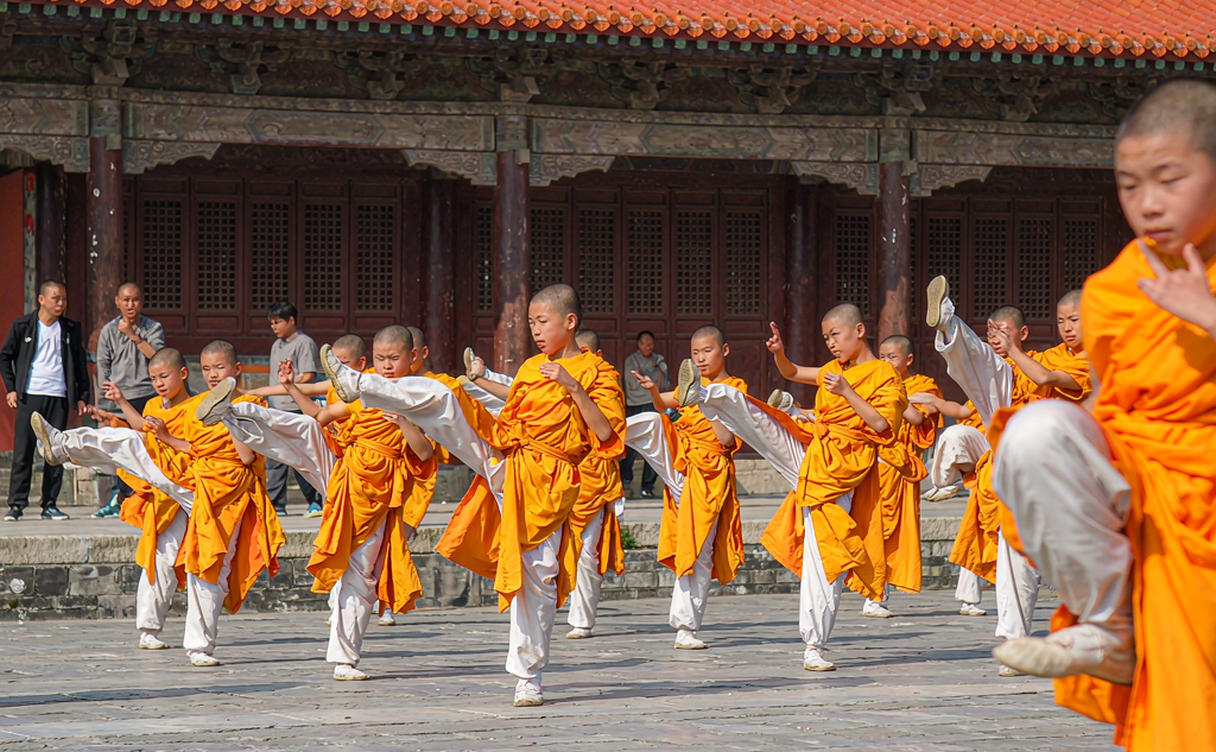
The most famous name in this China kung fu tai chi guide is the Shaolin Temple in Henan province. Shaolin is the birthplace of Chan Buddhism and of the fighting style that made Chinese martial arts famous abroad. The temple itself is a working monastery with a UNESCO listed pagoda forest, but the serious training happens at the dozens of academies in the nearby town of Dengfeng. A typical Shaolin Temple training day starts at five in the morning with running and stance work, moves to forms practice, and ends with flexibility drills. Beginners are welcome, and schools sort students by level rather than age. Our Shaolin Temple Henan guide explains how to reach the schools and what a typical course includes.
For those wondering where to learn kung fu in China without the crowds, Wudang Mountain in Hubei is the home of tai chi and of the softer, internal styles. The Taoist temples on the peaks train students in tai chi, baguazhang, and xingyiquan, often alongside meditation and breathing work. The setting, misty peaks and wooden halls, makes training feel like part of a longer tradition. The Wudang Mountain Hubei guide explains how to reach the schools and what a typical course includes.
Beijing’s parks are the right districts to fit a class between the Great Wall and the Forbidden City. Every morning in parks such as Temple of Heaven and Beihai, groups practice under the trees, and several English speaking teachers run drop in classes for visitors. Xi’an also has good tai chi clubs that welcome short term foreign students. A China martial arts travel plan often includes Chengdu, not for fighting but for the panda base and for relaxed, affordable tai chi meetups along the river that suit travelers who want exercise without a strict academy schedule.
Choosing a school takes care. Real academies post clear fees, visa support, and daily schedules. Be wary of any outfit that guarantees a black belt in a month or that keeps its training behind closed doors with no observability. Read recent reviews rather than promotional photos, because the teaching quality shows up in student stories, not brochures. Visit during a regular class before you pay. Ask how many long term foreign students are enrolled, because a school that only sees short term tourists may not teach deeply.
Costs vary widely. A month at a residential Shaolin academy, including room, board, and training, often runs a few hundred to around a thousand US dollars depending on the school and room type. Most schools ask for a deposit to hold your place, which is normal and usually deducted from the final fee. Private tai chi lessons in a city park cost far less per session but add up if you go daily. Most academies accept bank transfer or mobile payment rather than cards, so arrange funds before you arrive.
Visas matter. Short classes fit within a tourist visa, but staying several months for training usually needs a student or cultural exchange visa arranged through the school. Start this conversation early, because paperwork takes weeks. Shaolin schools with experience hosting foreigners handle most of the forms, but you still need a passport with enough blank pages and time.
What will you learn in a week? In kung fu, expect to pick up one or two basic forms, some stance and conditioning work, and a feel for discipline. In tai chi, a week is enough to learn the opening movements of a short form and to understand weight shifting and breath. Real fluency takes months, so set expectations honestly with yourself and with the school.
The best kung fu schools in China share a few traits: patient teachers, a clear progression, and a community of serious students. Talk to former students online before booking. Many schools have alumni groups where you can ask blunt questions about food, heating, and teaching quality. A school that dodges these questions is a school to skip.
Timing your trip helps. Spring and autumn have the most comfortable training weather. Summer is hot in Henan and Hubei, and winter training halls can be cold, though that builds character. Avoid the busiest national holiday weeks if you want personal attention, because domestic students flood the academies then.
Gear is simple. Loose clothing, flat shoes, and a water bottle are enough to start. Academies sell uniforms and shoes on site. Leave expensive electronics at home; training is physical and the days are long. A small notebook for remembering form sequences is more useful than a phone.
This China kung fu tai chi guide would be incomplete without a note on respect. Bow to the training hall, arrive on time, and follow the teacher without arguing technique on day one. The culture of deference is part of what you came to learn, and it makes teachers invest more in you. Learning the few Chinese terms for stance, punch, and bow goes a long way.
Health preparations are practical. Training at five in the morning is a shock to the body, so arrive a few days early to adjust sleep. Stretch daily to avoid injury, and tell the school about old injuries before you start. Most academies have a basic infirmary, but serious issues mean a trip to the nearest city hospital.
Deciding between kung fu and tai chi comes down to temperament. Kung fu suits people who like structure, sweat, and visible progress in strength and flexibility. Tai chi suits those who prefer slow, internal work and a meditative pace, though it is harder than it looks and demands its own discipline. Many travelers sample both in the first week and then commit to one, which is a sensible way to spend a limited trip.
Families with children have good options. Several academies run short holiday programs where kids learn basic stances and forms while parents train or explore nearby towns. The shared routine can be a highlight, but check that the school has experience with young foreigners and can provide suitable food and supervision. Teenagers often take to the physical challenge quickly, while very young children may tire of the early starts.
What to pack for training: breathable shorts and t shirts, a light jacket for cool mornings, and a pair of indoor shoes with thin soles. A refillable bottle, a small towel, and blister plasters earn their place in the bag. Leave dress clothes at home unless you plan a city night out, because academy life is casual and practical.
Money and communication: withdraw enough cash for small daily needs before reaching a remote academy, since ATMs near the schools can be unreliable. A local SIM or roaming data keeps maps and translation working, and a phrase book of training terms helps when the teacher speaks little English. Most schools post a weekly plan, so photograph it and track your own progress.
For an authoritative overview of tai chi as a recognized practice, the health oriented descriptions from China’s official tourism resources are a useful read before you go. The China National Tourist Office outlines cultural activities including martial arts that visitors can join, which helps you separate genuine schools from theater.