

A China temple stay offers something few hotels can: a night inside a working Buddhist monastery, woken by a 4 am bell and lulled by evening chanting. For spiritual travelers and curious visitors alike, sleeping in a mountain temple combines cultural immersion with genuine stillness. This guide explains where to find monastery accommodation in China, what it costs, how to book, and the etiquette that keeps you welcome.
What a Temple Stay Actually Involves
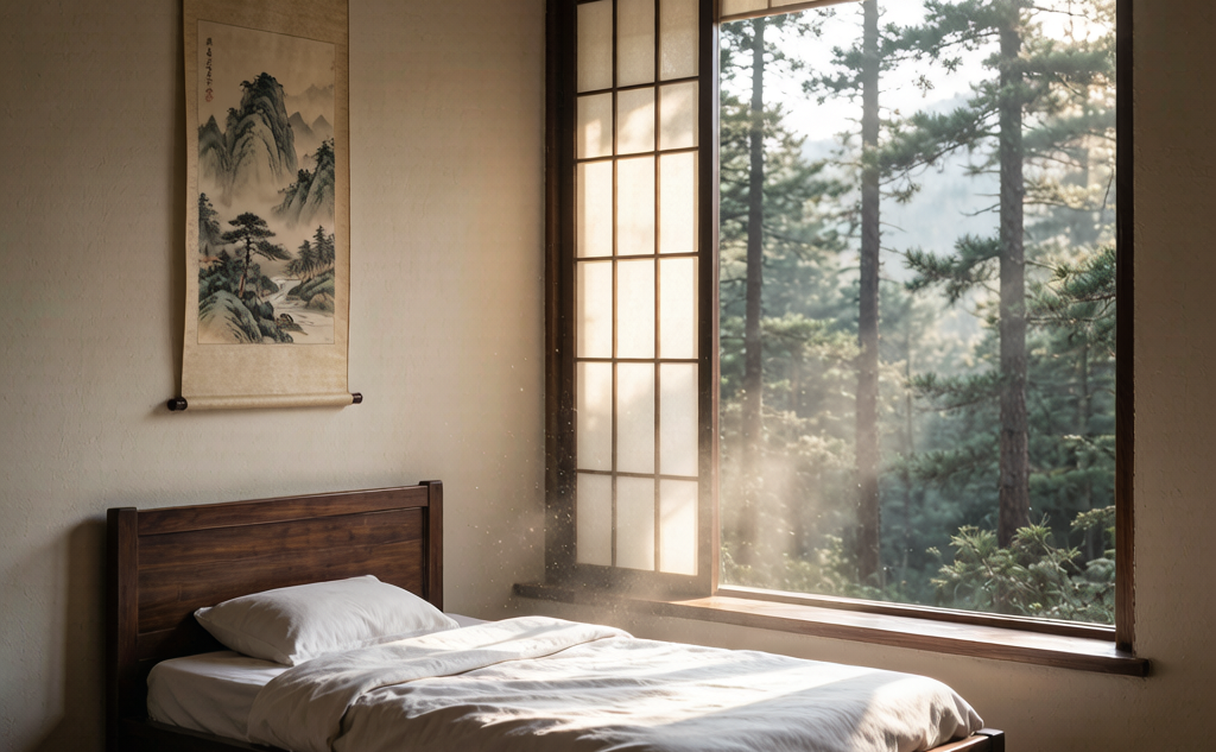
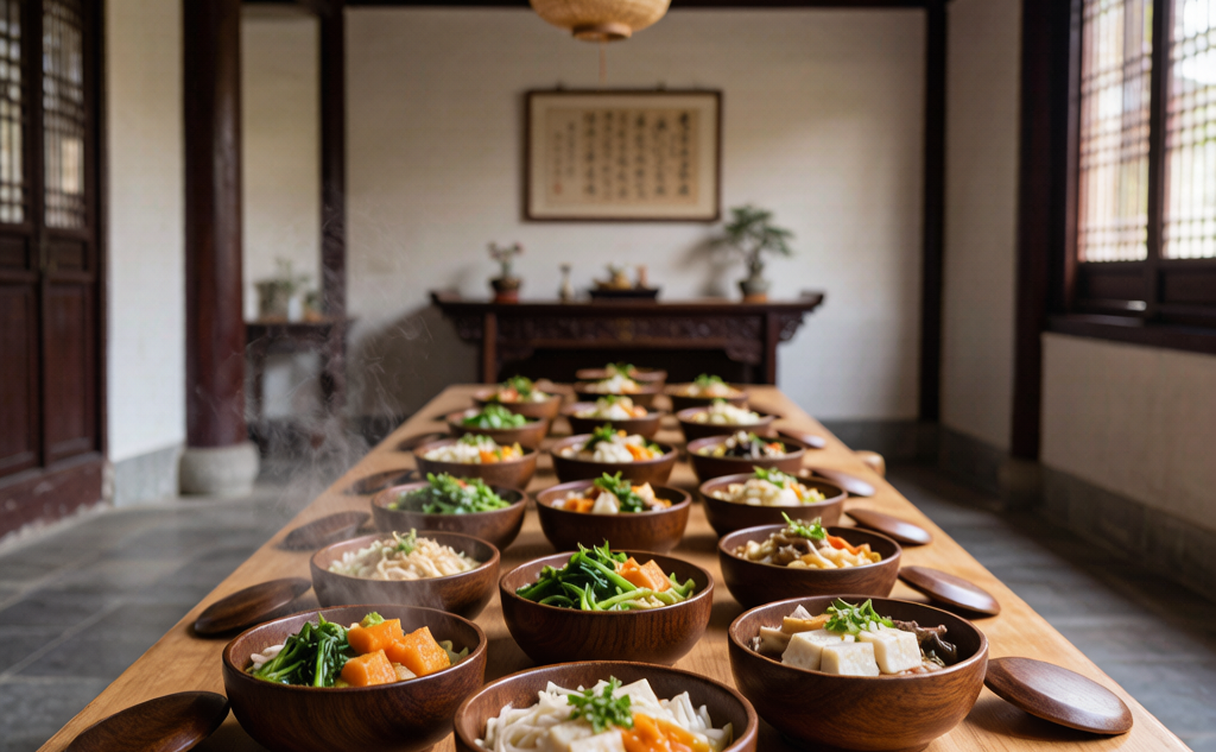
Unlike a hotel, a monastery accommodation China experience is simple by design. You usually sleep in a bare, clean room — often a shared dorm with a hard bed or a thin mattress on a raised platform. Meals are vegetarian and eaten in silence. The day may follow the monks’ schedule: morning chanting, communal labor, meditation, and evening sutras. You are a guest of the sangha, not a customer.
That simplicity is the point. A Buddhist retreat China strips away screens and noise. Many visitors report the best sleep of their trip simply because the temple enforces quiet and early lights-out. Our China off-the-beaten-path guide highlights other unconventional stays for travelers who want to leave the tourist trail.
Where to Stay: Four Famous Options
China has thousands of temples, but a handful are well set up for overnight guests:
- Putuo Mountain (Zhejiang): An island sacred to Guanyin, with many temples offering guest rooms. Our Putuo Mountain guide covers ferry access and which temples accept visitors.
- Shaolin Temple (Henan): The birthplace of Chan Buddhism and kung fu. The surrounding village has temple-affiliated guesthouses; see our Shaolin Temple Henan guide for context.
- Wudang Mountain (Hubei): A Taoist holy mountain with monasteries where you can wake to tai chi on the peaks. Our Wudang Mountain Hubei guide explains the hiking and lodging.
Each site has a different religious tradition — Buddhist or Taoist — so research the specific rules before you go. The Wudang Mountains are recognized by UNESCO as a World Heritage Site, which protects both the architecture and the living practice you may witness.
Costs: Cheaper Than You Think
A temple stay etiquette point first: payment is usually a donation, not a fixed rate, though popular sites now post clear prices. Expect the following ballpark:
| Stay type | Typical cost/night | Privacy | Meals |
|———–|——————-|———|——-|
| Monastery dorm | ¥80–¥200 | Shared | Included, vegetarian |
| Private temple room | ¥200–¥500 | Basic private | Included or ¥20–¥40 |
| Guided retreat (multi-day) | ¥600–¥1,500 | Shared | Included |
| Mountain hotel near temple | ¥400–¥900 | Standard | Separate |
Compared with a city hotel, a meditation retreat China program is excellent value, but remember you are subsidizing the monastery’s upkeep with your donation.
How to Book a Temple Guesthouse
Booking a staying overnight temple China room is different from a hotel. Most temples do not appear on international platforms.
- Call or message the temple directly via the contact on its official WeChat account.
- Go through a local travel agent who handles temple bookings on sacred mountains.
- Arrive and ask in person at less-famous temples, where spare rooms are first-come.
- Join an organized retreat if you want structure, translation, and a guaranteed bed.
Our China homestay guide has parallel tips for arranging stays directly with local hosts when platforms fall short. For a broader lodging comparison, see our hostel vs hotel in China article.
Etiquette: How to Be a Welcome Guest
Respect is the currency of a temple guesthouse booking. A few rules keep you invited back:
- Dress modestly: Cover shoulders and knees; remove hats indoors.
- Observe silence in halls and during meals; turn your phone off.
- Don’t point feet at statues or sit with soles facing the altar when on the floor.
- Join, don’t disrupt: You may watch chanting, but follow the monks’ lead rather than photographing mid-prayer.
- Offer a donation even where a room seems free; it supports the community.
- No alcohol, smoking, or meat on the premises.
These are not just rules — they are the heart of spiritual travel China, where the goal is to step back rather than stand out.
Combining a Temple Stay With Nearby Sights
A monastery is rarely the only reason to visit a sacred mountain, and planning a few daylight activities around your retreat makes the trip richer. At Putuo, the island’s beaches and fishing villages balance the solemnity. At Shaolin, a kung fu demonstration or a hike to the nearby pagoda forest fills the afternoon. At Wudang, the cable car to the golden summit is a highlight you should not skip. Keep one principle: let the temple set the morning and evening rhythm, and fill the middle of the day with gentle exploration. This balance is what makes a Buddhist retreat China restorative rather than rigid, and it gives non-meditating travel companions something to enjoy too.
Many visitors also pair a temple night with a longer spiritual travel China route, linking two or three mountains across a week. Trains and buses connect most sacred sites to regional hubs, though schedules are sparse — build buffer days. A temple guesthouse booking at each stop keeps costs low and the experience coherent, turning separate day trips into one continuous journey of slowing down.
What to Pack
- Warm layers: mountain temples are cold at night even in spring.
- Slip-on shoes for removing at thresholds.
- A small flashlight for pre-dawn walks to the hall.
- Earplugs if you are a light sleeper (some dorms are thin-walled).
- Cash in small bills for donations and incense.
A Deeper Look at Daily Temple Life
Understanding the rhythm helps you relax into a China temple stay rather than merely enduring it. A typical day begins before dawn with the sound of a wooden fish and bell, followed by chanting that may last an hour. Guests are welcome to sit at the back of the hall; you need not recite, only observe respectfully. Mid-morning often brings communal work — sweeping the courtyard, tending the garden, or washing bowls — which many visitors find unexpectedly restorative. Afternoon is usually free for walking the mountain, reading, or quiet reflection. Evening chanting closes the day, and lights-out is early, frequently by 9 pm. This structure is the real product of a meditation retreat China experience: not a spa, but a reset.
Health, Altitude and Comfort Notes
Most famous temples sit at elevation or on steep slopes, so pace yourself on arrival. Mountain air is cool even in summer, and unheated stone rooms feel cold at night — pack thermal layers regardless of season. Vegetarian temple food is wholesome but carb-heavy; if you have dietary needs, bring supplements, as monasteries cannot accommodate special requests. Visitors with knee problems should research stair counts before choosing a cliff-side temple. Above all, manage expectations: a staying overnight temple China room is clean and safe, but thin walls and early bells mean light sleepers should bring earplugs and an open mind. The reward is rare stillness.
A Sample Two-Night Retreat
- Day 1: Arrive by mid-afternoon, settle in, join evening chanting, early rest.
- Day 2: 4:30 am bell, meditation, vegetarian breakfast, hike the sacred trails, evening sutra.
- Day 3: Quiet morning, help with temple tidying, depart after lunch.