

Pu’er, in the south of China’s Yunnan Province, is the namesake of the dark, aged tea that travels the world — but the city itself is a quiet green base for exploring ancient tea forests, misty mountains, and the cultures that tend them. This Pu’er travel guide covers the best time to visit, how to arrive, the top things to do, where to stay, what to eat, and an itinerary built around tea mountains and rainforest. Less famous than Lijiang, Pu’er rewards travelers who like slow roads, fresh leaves, and the chance to walk among trees that have been picked for a thousand years.
Best Time to Visit Puer
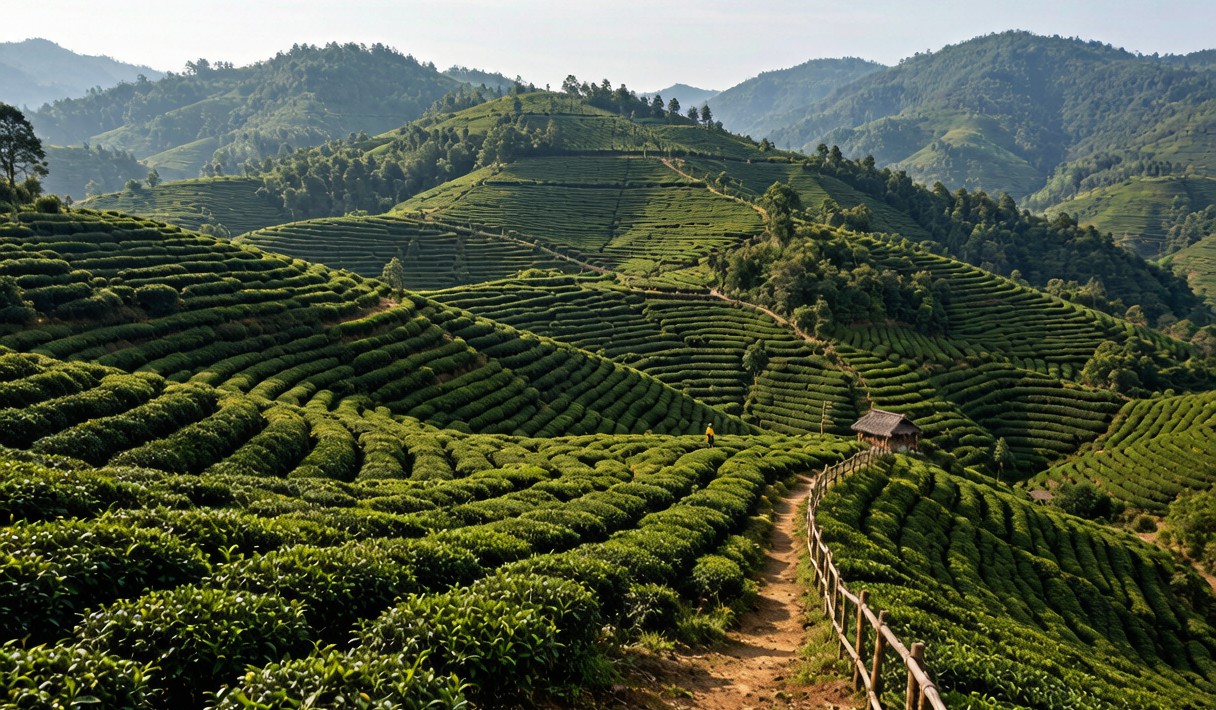
The best time to visit Puer is autumn (October–November) and spring (March–May), when the air is cool (18–26°C) and the tea mountains are at their most photogenic. Autumn is harvest time for the fat, ripe tea leaf and the season of clear mountain views; spring brings fresh buds and blooming flowers across the valleys. Summers are warm and wet, with rain that keeps the forest lush but can cloud the peaks, while winters are mild and quiet, good for a peaceful tea-focused trip.
Avoid the National Day holiday if you want quiet guesthouses, and note that the high tea forests sit at 1,400–1,800 meters, so nights are cooler than the daytime heat suggests. A light jacket and good shoes are enough for most visits. If you time the trip for the autumn harvest, you can join a village pick and even help turn the leaves, an experience that turns a sightseeing day into a memory.
How to Get There
Pu’er has its own airport and a high-speed rail station that links it smoothly with the Yunnan capital. For train times, check China Railway (12306).
- By air: Pu’er Simao Airport (SYM) has direct flights from Kunming and a few other hubs; a taxi reaches the city in about 20 minutes.
- By high-speed train: The line from Kunming reaches Pu’er in roughly 3 hours, making it an easy stop between the capital and Xishuangbanna to the south.
- By road: Buses and private cars connect Pu’er with Kunming, Xishuangbanna, and the tea-forest counties; the roads are good but winding, so budget time for the mountain stretches.
Top Things to Do in Puer
Jingmai Mountain Ancient Tea Forests
The heart of any things to do in Puer plan is Jingmai Mountain, a UNESCO-recognized landscape where ancient tea trees grow among forest giants tended by Blang and Dai communities for generations. Walk the shaded groves, visit a village tea house, and learn why these old trees produce some of the most prized leaves in China. Sunrise mist here is unforgettable.
Pu’er Tea Tour and Tasting
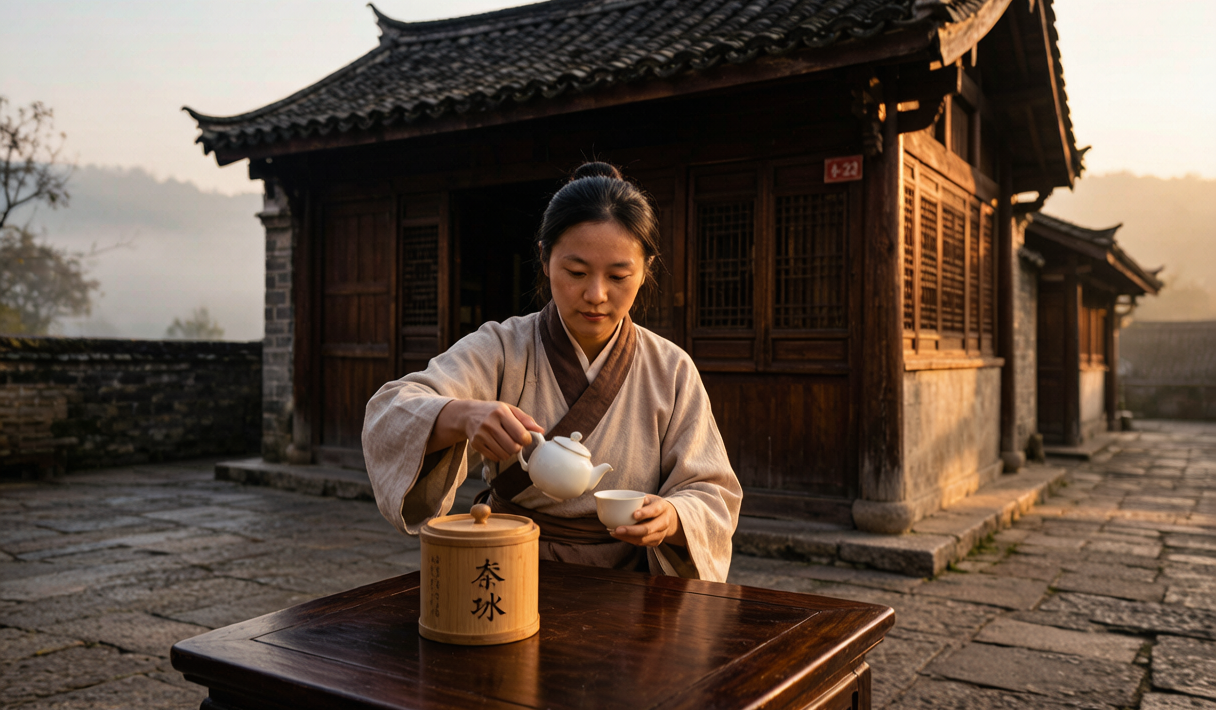
A Pu’er tea tour is the reason most visitors come. Tour a workshop to see the fermentation of dark tea, taste young versus aged cakes, and learn how storage changes the flavor over decades. Even casual drinkers leave with a new respect for the leaf, and the villages sell honest, fairly priced cakes direct from the source.
The Forest and Hot Springs
Around Pu’er, protected forests shelter gibbons and rare birds, with marked trails for easy walks. After a day in the hills, the nearby hot springs offer a soak with a mountain view, a low-key pleasure that pairs perfectly with the slow pace of the region.
The City and Local Markets
Pu’er city itself is calm and green, good for an evening stroll and a morning market where hill tribes sell herbs, mushrooms, and tea. It is a gentle place to acclimatize before heading into the mountains, with friendly cafes and few tourists.
Where to Stay in Puer
Stay in Pu’er city for convenience and easy transport, with mid-range hotels around ¥250–500 per night. For the real experience, book a village guesthouse on Jingmai Mountain — simple, wooden, and surrounded by tea, though Wi-Fi and heating can be basic. Reserve the mountain stays ahead in autumn, the peak harvest, and confirm transport, as the last stretch to the villages is often a winding rural road best done in daylight. A village stay also means shared meals with your hosts, so you taste home cooking that no city restaurant can match.
Puer Food and Local Specialties
Pu’er’s table leans on the forest: wild mushrooms, bamboo shoots, river fish, and of course tea cooked into dishes and sweets. The night market in the city is the easiest place to graze, and a pot of local dark tea aids the digestion of rich meals. Try tea-smoked fish and the mushroom hotpot that appears the moment the rains begin, both dishes that taste of the forest around you. For a wider sweep of the province’s kitchens, our best things to do in China guide links out to regional food roundups worth bookmarking before you go.
Puer Itinerary
A Pu’er itinerary of two to three days lets you taste and trek:
- Day 1: Arrive in Pu’er city, explore the market and a city tea house.
- Day 2: Full day on Jingmai Mountain — groves, village lunch, and sunset mist.
- Day 3 (optional): Hot springs and forest walk, then train south to Xishuangbanna.
Many travelers pair Pu’er with Xishuangbanna to the south for a tea-and-tropics loop, or loop north to Kunming. Keep one day flexible in the wet season for rain.
Puer Travel Tips
A few Pu’er travel tips: the mountain villages are cool and damp at night, so pack a warm layer and slip-proof shoes for the grove trails; buy tea from village houses rather than the city for better value, and ask about age and storage. English is limited, a translation app is essential, and DiDi covers city runs but not the remote mountains, where you’ll need a driver. Respect the forests — don’t pick protected trees — and carry cash for small stalls. Signal in the mountains is patchy, so download offline maps before you leave the city and tell your guesthouse which trail you plan to walk.
FAQ
Is Puer worth visiting for foreign tourists?
Yes — it is the tranquil, authentic home of aged tea, far from Yunnan’s busiest towns.
Do I need a visa for Puer?
Most foreign visitors need a Chinese visa; check current entry rules before travel.
How many days do I need in Puer?
Two to three days covers the tea mountains and city at a relaxed pace.
What is Puer most famous for?
Its ancient tea forests and the dark, aged pu’er tea traded worldwide.
Final Thoughts
This Pu’er travel guide shows why the south of Yunnan deserves more than a transit stop: ancient tea trees, misty mountains, and a calm that big destinations lack. Time your visit in the best time to visit Puer of autumn or spring for the clearest hills. Pair it with our Dali Yunnan travel guide to add lakes and old towns to a tea-focused Yunnan journey. The mix of quiet groves and busy lakeside towns is the balance that makes a Yunnan trip feel complete.