

Wuyishan, in the northern mountains of China’s Fujian Province, is where the Nine Bend River twists between rust-red danxia cliffs and terraced tea gardens that produce the famous rock tea known as yancha. This Wuyishan travel guide covers the best time to visit, how to arrive, the top things to do, where to stay, what to eat, and an itinerary built around bamboo-raft floats and misty peak hikes. A UNESCO World Heritage site and a former imperial tea estate, Wuyishan is quieter and greener than China’s megacities, a place where the morning starts with the smell of oolong and ends with the river turning copper at sunset.
Best Time to Visit Wuyishan
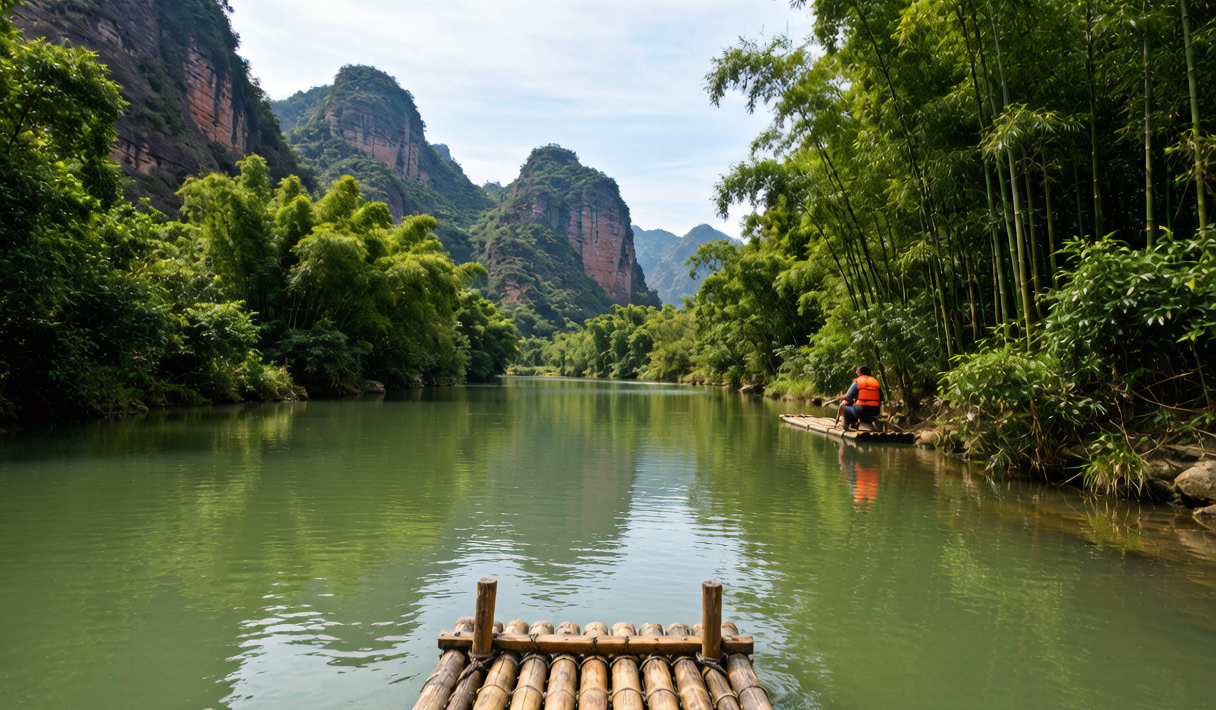
The best time to visit Wuyishan is spring (March–May) and autumn (September–November), when temperatures sit comfortably at 18–26°C and the peaks are clear enough to photograph. Spring brings fresh tea-picking across the terraces and mist that makes the cliffs look painted; autumn is dry, golden, and ideal for hiking. Summers are hot and humid with afternoon rain, while winters are cool (8–15°C) and quiet, with few crowds but occasional low cloud that hides the views.
Try to avoid the National Day holiday in early October and the May holiday if you want empty trails. The tea harvest in late spring is the most atmospheric time to visit, as the villages come alive with picking and roasting.
How to Get There
Wuyishan has its own airport and a high-speed rail station, making it one of the easier mountain destinations in Fujian to reach. For train times across the region, check China Railway (12306).
- By air: Wuyishan Airport (WUS) has flights from Xiamen, Shanghai, and a few other cities; from the airport a taxi reaches the scenic area in about 20 minutes.
- By high-speed train: Wuyishan North Station connects to Xiamen in roughly 3 hours and to Hangzhou or Fuzhou with a transfer, putting the mountains within easy reach of the east coast.
- By road: Long-distance buses and private drivers link Wuyishan with Xiamen and the tulou villages of Nanjing; the mountain roads are smooth but slow, so budget half a day for the transfer.
Top Things to Do in Wuyishan
Nine Bend River Bamboo Raft
The signature experience on any things to do in Wuyishan list is a bamboo raft float down the Nine Bend River. The slow current carries you past hanging cliffs, cave tombs, and tea terraces while a boatman points out the shapes in the rock. Go early for calm water and soft light, and bring a hat, as the midday sun is strong on the open river.
Tianyou Peak and the Cliffs
Climb Tianyou Peak for the classic panorama over the river bends and the sea of green below. The stone steps are steep but well kept, and the view at the top is the postcard shot of the whole park. Nearby Yixiantian (One-Line-Sky) is a narrow fissure where the sky becomes a bright slit — a fun, cool break on a hot day.
Wuyishan Tea Culture
Wuyishan tea is the soul of the region: Da Hong Pao (Big Red Robe) and other rock oolongs grow on the mineral-rich cliffs. Visit a tea farm for a tasting, watch the roast over charcoal, and learn why “rock rhyme” (yan yun) matters to connoisseurs. A tea-focused afternoon is the best way to understand why emperors shipped this leaf north for centuries.
The Ancient Hancheng and Temples
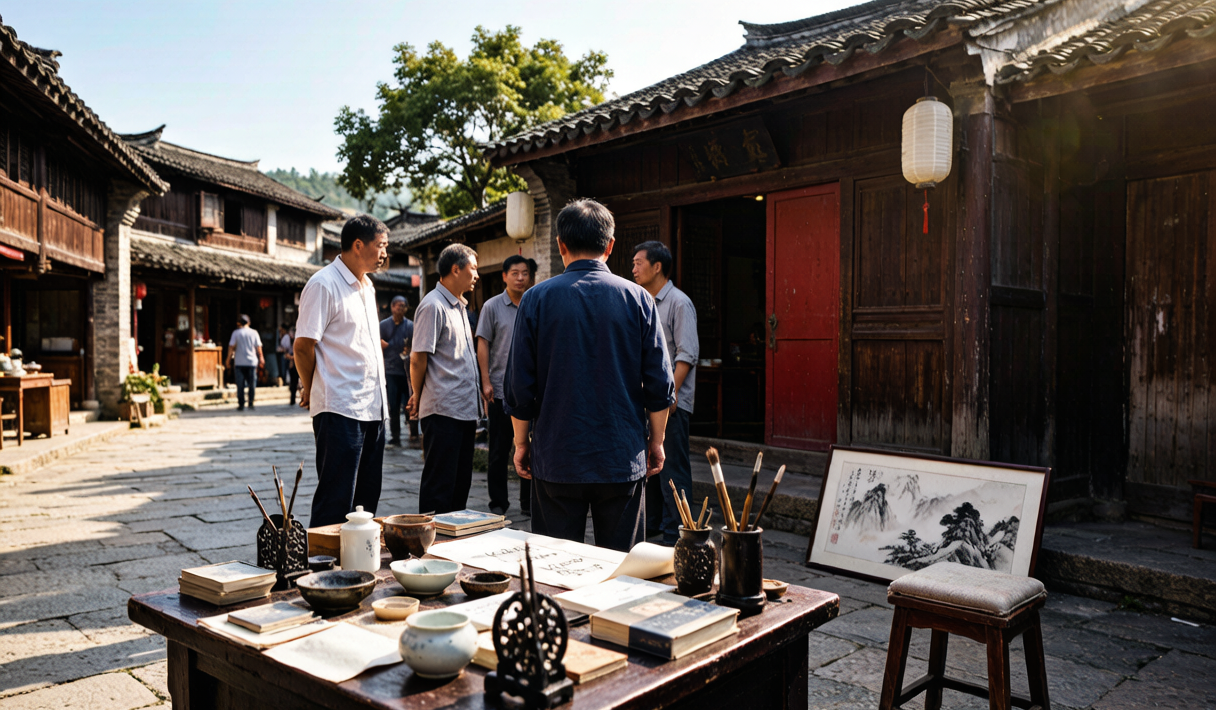
At the foot of the mountains, the old town of Chongyang and the nearby temples offer a calm counterpoint to the peaks. Wander the lanes, sample snacks, and watch the evening market set up — a gentle close to an active day of hiking.
Where to Stay in Wuyishan
Stay in the resort strip near the scenic-area entrance for walkable access to shuttles and rafts; mid-range hotels run about ¥300–600 per night. Inside the park, a few heritage lodges put you close to the trailheads but book out months ahead in peak season. Budget travelers will find guesthouses in the nearby town with simple rooms and hearty local food. Reserve early for spring and autumn, and confirm whether your stay includes the park shuttle pass. Families and tea lovers may prefer a stay on the outskirts near a working tea farm, where the morning picks and roasts become part of the experience rather than a scripted tour.
Wuyishan Food and Local Specialties
Wuyishan eats the gentle, savory cooking of northern Fujian: stream fish from the Nine Bend River, bamboo shoots, wild herbs, and smoky rock-tea duck. The night market near the resort strip is the easiest place to graze, and a pot of local oolong is served with almost every meal. Look also for salty baked tea, a local drink of fried leaves with sesame, and sweet taro cakes sold from roadside stalls in the old town. For a wider sweep of Chinese flavors, our best things to do in China guide links out to regional food and culture roundups worth bookmarking.
Wuyishan Itinerary
A Wuyishan itinerary of two to three days covers the essentials:
- Day 1: Arrive, raft the Nine Bend River, watch the sunset from the resort strip.
- Day 2: Climb Tianyou Peak, walk One-Line-Sky, tour a tea farm in the afternoon.
- Day 3 (optional): Visit Chongyang old town and nearby temples, then train on toward Xiamen.
Many travelers pair Wuyishan with Xiamen’s coast or the earthen tulou towers, building a round Fujian trip. Keep one day loose for weather, since the peaks are best on a clear morning after rain.
Wuyishan Travel Tips
A few Wuyishan travel tips: buy the combined park ticket and shuttle pass on arrival, wear proper shoes for the steep stone stairs, and carry water for the climbs. English signage is limited, so a translation app helps, and DiDi covers airport and station runs. The scenic area is large, so use the free shuttles rather than walking between far-apart sights, and start hikes at opening time to beat both the heat and the tour groups. If you plan to photograph the cliffs, the hour after a passing shower often clears the mist and lights the red rock at its most vivid.
FAQ
Is Wuyishan worth visiting for foreign tourists?
Yes — it combines dramatic red-rock scenery, a gentle river float, and world-class tea in one compact, walkable park.
Do I need a visa for Wuyishan?
Most foreign visitors need a Chinese visa; check current entry rules before travel.
How many days do I need in Wuyishan?
Two to three days covers the river, peaks, and tea farms at a relaxed pace.
What is Wuyishan most famous for?
Its danxia cliffs, the Nine Bend River bamboo raft, and prized rock oolong tea.
Final Thoughts
This Wuyishan travel guide shows why Fujian’s red mountains deserve a spot on your China list: a river you float, peaks you climb, and tea you taste where it is grown. Time your trip in the best time to visit Wuyishan window of spring or autumn for the clearest light. Pair the mountains with our West Lake Hangzhou guide to round out a classic east-China journey of water and hills.