

This Shenyang travel guide is for travelers who want to explore the birthplace of the Qing dynasty and the gritty, friendly character of China’s northeast (Dongbei). Shenyang is the capital of Liaoning province and was once the Manchu capital of “Mukden” before the Qing court moved to Beijing. Today it offers a compact imperial palace, atmospheric royal tombs, fascinating modern history, and some of the heartiest food in the country. It also makes a natural warm-up for a winter trip north to the Harbin ice festival travel guide region.
Best Time to Visit
The best time to visit Shenyang is late spring (May to June) and early autumn (September to October), when temperatures are mild and the city’s parks are green. Summers are warm and occasionally humid, while winters are long, dry and very cold, often below -10°C — but that cold is exactly what draws visitors who continue to Harbin’s ice festival. The shoulder seasons let you enjoy the tombs and palaces comfortably without bundling up. For a national view of seasonal patterns, see our guide to the best time to visit China.
How to Get There
Shenyang is a major northeastern hub.
By high-speed train: Shenyang North and Shenyang stations sit on the high-speed network. Trains from Beijing take about 4–5 hours, from Tianjin around 4.5–5.5 hours, and from Harbin roughly 2–2.5 hours. For ticketing and class tips, consult our China high-speed train guide for foreigners.
By air: Shenyang Taoxian International Airport (SHE) has flights from major Chinese cities and some international routes, about 40–50 minutes from the center by metro or car.
By road and bus: Long-distance buses and trains connect Shenyang with Dalian, Changchun and Harbin.
Top Things to Do
Shenyang’s highlights are compact and history-heavy, with a few surprises.
Shenyang Imperial Palace (Mukden Palace)
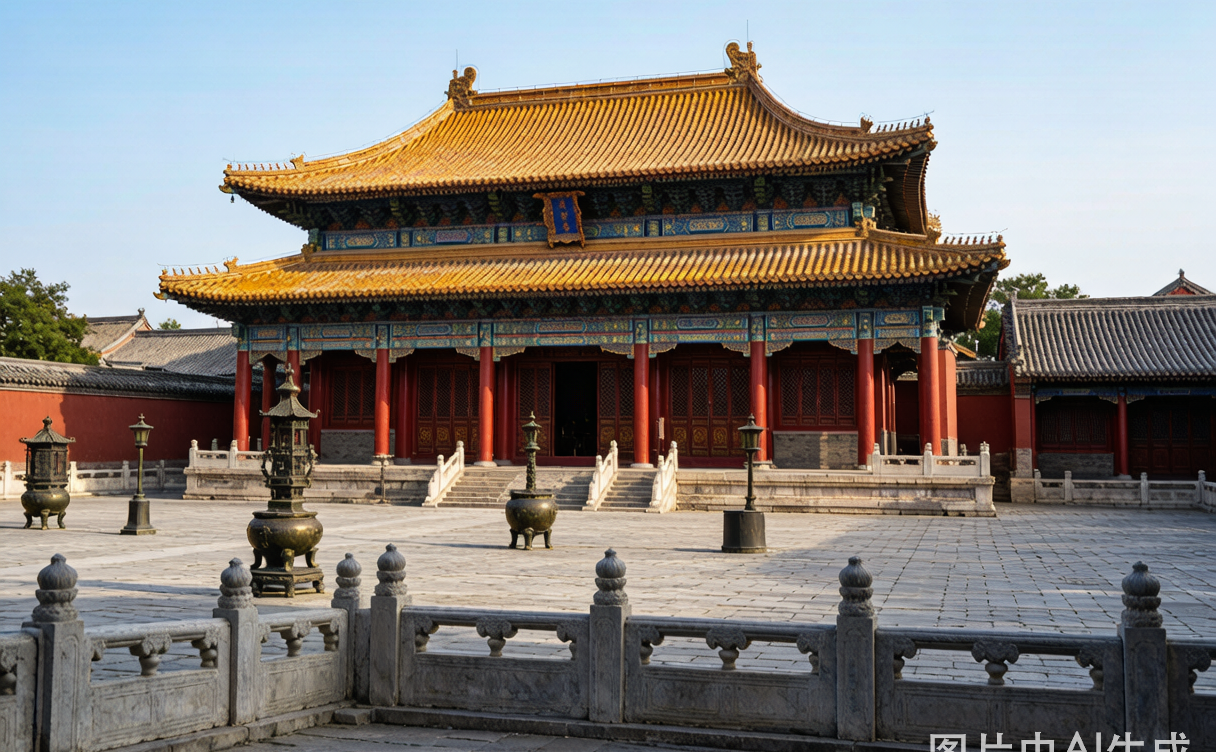
The city’s headline sight, the Shenyang Imperial Palace was built by the early Manchu rulers and later used by Qing emperors when visiting the northeast. Smaller and more intimate than Beijing’s Forbidden City, it shows a blend of Han, Manchu and Mongol architectural styles, with distinctive high platforms and octagonal pavilions. It is part of a UNESCO World Heritage property — the official UNESCO World Heritage Centre page lists it alongside the Beijing palaces as the “Imperial Palaces of the Ming and Qing Dynasties.” Allow at least two to three hours.
Zhaoling Tomb (North Tomb) and Beiling Park
The tomb of Huang Taiji, the founding Qing emperor, sits inside Beiling Park, a lovely green space where locals walk, dance and fly kites. The tomb’s spirit way, with stone animals and an ornate gate, is atmospheric and far less crowded than the palace.
Fuling Tomb (East Tomb)
The resting place of Nurhaci, the Manchu leader who united the tribes, Fuling Tomb lies in a wooded hillside east of the city. It is quieter than Zhaoling and rewarding for visitors interested in early Manchu history.
September 18th History Museum
A sobering and important stop, this museum documents the 1931 Mukden Incident that preceded Japan’s occupation of northeast China. The exhibits are extensive and moving, with English context that helps international visitors understand a pivotal moment in modern Chinese history.
Zhang Xueliang’s Former Residence and 1905 Creative Park
The restored mansion of the warlord Zhang Xueliang shows Republican-era life, while the nearby 1905 Creative Park — built in an old factory — is the city’s hip quarter of cafes, galleries and live music. These Shenyang things to do show the city’s modern, industrial soul. For more national inspiration, browse our best things to do in China.
Where to Stay
Stay near Shenyang North Station or the palace district for convenience. International and Chinese chain hotels are plentiful, with mid-range rooms around ¥250–450 per night and budget options from ¥150. The city’s metro is modern and cheap, so almost any central base works. Travelers watching costs will find the northeast gentle on the wallet; our China budget backpacking guide has more on hostels and local eats.
Getting around Shenyang is easy thanks to a modern metro and cheap taxis. The imperial palace, the 1905 Creative Park and the main shopping streets are clustered in the center and walkable, while the tombs sit at the ends of metro lines and make pleasant half-day outings. Ride-hailing apps handle trips across the city for around ¥15–30, and the train stations are well connected to the metro. The city’s large Korean community means you are never far from a good cold-noodle shop, and the night-food streets come alive after dark. If you are building a northeast route, Shenyang is the logical hub before heading north to the Harbin ice festival travel guide region, and our China travel guide for first-timers has more on multi-city planning.
Food and Local Specialties
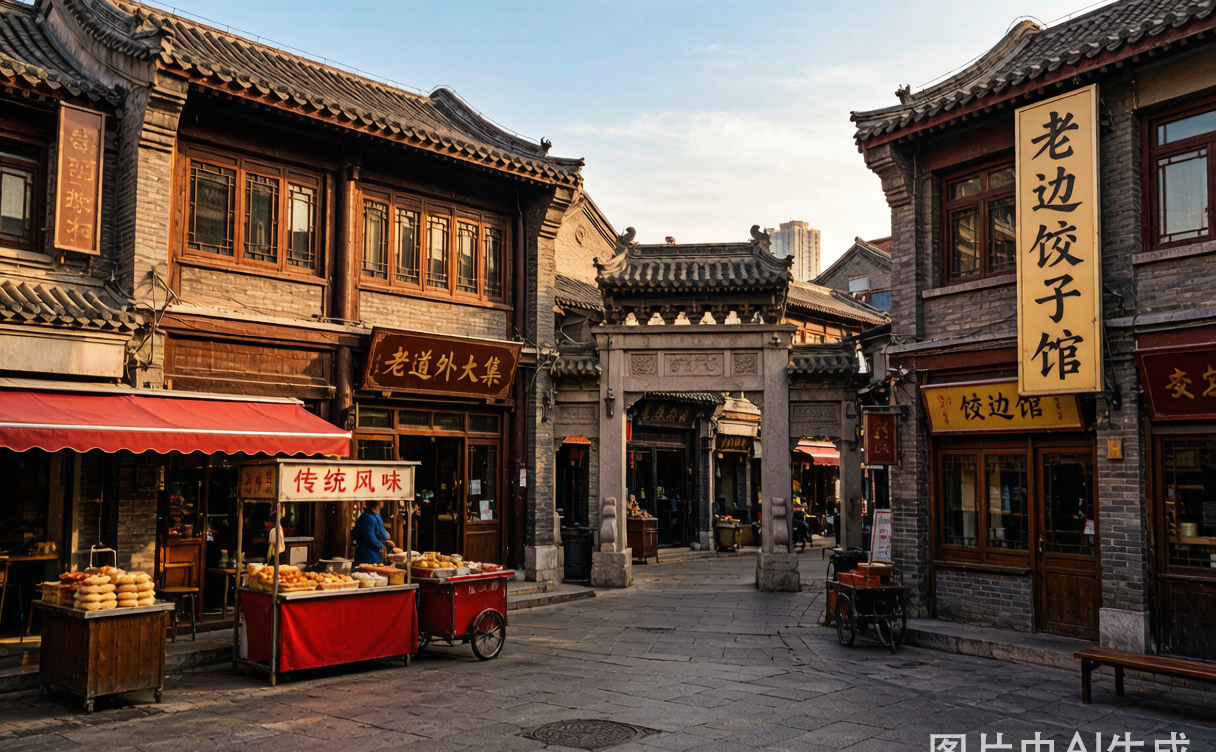
Northeastern (Dongbei) cuisine is the comfort food of China: filling, savory and built for cold weather. Shenyang is famous for guo bao rou (crispy sweet-and-sour pork), lamb and beef barbecue, big steamed buns, and hearty dumplings. The city also has a large Korean community, so Korean dishes — cold noodles, bibimbap, grilled meat — are excellent and authentic. A satisfying meal rarely tops ¥40–60 per person. These Shenyang travel tips — follow the locals to the bustling night-food streets, order family-style, and try the barbecue — make dinner the best part of the day.
Shenyang Travel Guide: Sample Itinerary
2-Day Shenyang Itinerary
- Day 1: Shenyang Imperial Palace in the morning, Zhang Xueliang’s residence and 1905 Creative Park in the afternoon.
- Day 2: Zhaoling Tomb and Beiling Park, then the September 18th Museum before departing.
3-Day Shenyang Itinerary
- Day 1: Imperial Palace and old town.
- Day 2: North and East Tombs, parks and local food.
- Day 3: History museums and a creative-park evening, or a train north toward Harbin.
Shenyang Travel Guide: FAQ
Is Shenyang worth visiting for foreign tourists?
Yes. It is the best place in China to understand Manchu and Qing origins, and it is far less touristy than the headline cities.
How many days do I need in Shenyang?
Two days covers the main sights; three lets you add both imperial tombs and the history museums.
Is Shenyang cold in winter?
Very, often below -10°C, but that is part of its appeal and a good lead-in to Harbin’s festival.
How do I get to Shenyang from Beijing?
High-speed trains take about 4–5 hours, and flights are also frequent.
Closing
A strong Shenyang travel guide shows you a side of China that the coastal megacities don’t — one shaped by frontier history, imperial ambition and a famously warm, down-to-earth local culture. From the Mukden Palace to the royal tombs and the sizzling barbecue streets, Shenyang rewards the curious traveler with substance over spectacle. If you are visiting the country for the first time, start with our China travel guide for first-timers and consider building a northeastern route that ends among the ice sculptures of Harbin.