

By Karl Huang · Last verified November 2026. I have bought CoCo cups from mall counters in Shanghai, from street kiosks in Chengdu and from a mini-program at a hotel in Hangzhou. Prices, queue times and branch facilities below are what I actually encountered, not fixed rules; anything that changes by city or store is labelled typical, and I say plainly when you should confirm on site.
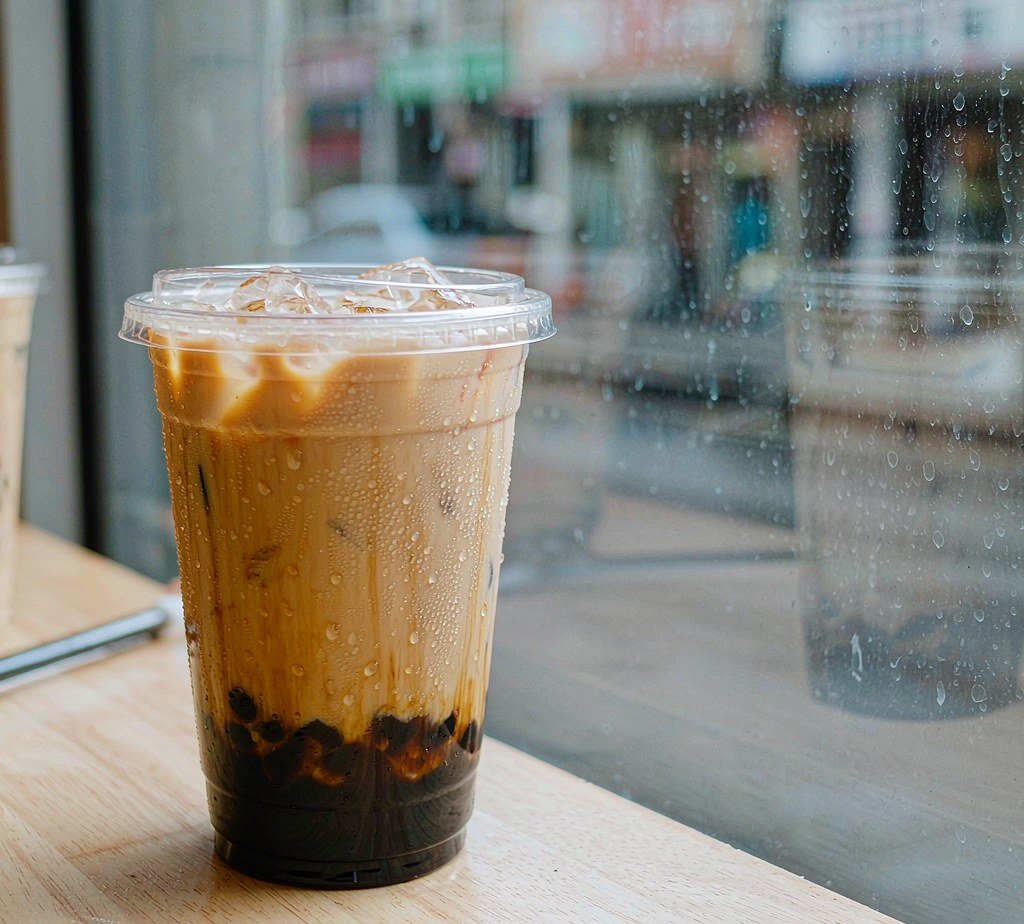
The sealer made a soft thunk, the clerk turned the cup upside down to check for leaks, and a plastic bag with a straw was pushed across the counter. In my hand was a large cup of three-brothers milk tea: dark pearls, a pale square of pudding and near-black grass jelly sinking through sweet tea. I had watched the whole thing take under ninety seconds. That little ritual — order, crimp, bag, go — is CoCo in one gesture, and it is why the green-and-white cups are one of the most common sights in a Chinese city street.
The short answer: CoCo (Ke Ke Dou) is a Taiwan-origin milk-tea and fruit-tea chain founded in 1997, with thousands of branches across China and abroad. It sits in the middle of the market: cheaper and more traditional than Heytea or Nayuki, pricier than Mixue. Order at the counter or through the WeChat mini-program, choose your sugar and ice, and expect a typical 9–18 yuan per cup on the mainland. For a first cup, the three-brothers milk tea or the fresh passion-fruit double shot are the two names worth knowing.
Key Takeaways
- What it is: a Taiwan-style milk-tea chain, founded in 1997 in Tamsui, north of Taipei, and in mainland China since 2007.
- First order: three-brothers milk tea (pearls, pudding and grass jelly) or the fresh passion-fruit double shot.
- Price: roughly 9–18 yuan a cup on the mainland, higher for fresh-milk or taro drinks; Taiwan menus are priced in NT dollars.
- Ordering: counter, self-service kiosk or WeChat mini-program; sugar from no-sugar to full and ice from hot to no-ice are standard dials.
- Dietary: most drinks are vegetarian; many contain dairy and caffeine, and sugar can be high. Vegan and low-sugar orders need care.
- On site: most branches are small takeaway counters with little seating and no restroom — confirm facilities at the specific store.
What CoCo actually is, and why the green cup is everywhere
CoCo began in 1997 in Tamsui, a riverside town just north of Taipei, and opened its first mainland China store in Suzhou in 2007. That timing matters: the brand arrived before the premium “new tea” wave, so its identity is built on the older Taiwanese milk-tea playbook — tea shaken with milk or fruit, plenty of chewy toppings, and a price ordinary students and office workers could afford every day. It is now one of the most recognisable drinks chains in the country, though the exact count is contested: the brand has reported well over 5,000 stores worldwide, while one 2024 industry tally put its operating doors nearer 4,000. Treat both as approximate and confirm on site rather than quoting a single figure.
That middle position is the reason you see the cups so often. CoCo is not trying to be a status symbol; it is the reliable cup you grab between meetings or after dinner. If you want to understand how it fits into the wider scene, our guide to bubble tea and milk tea in China sets out the families of drinks and where each chain sits.
The first cup: what to order at CoCo if you have never been
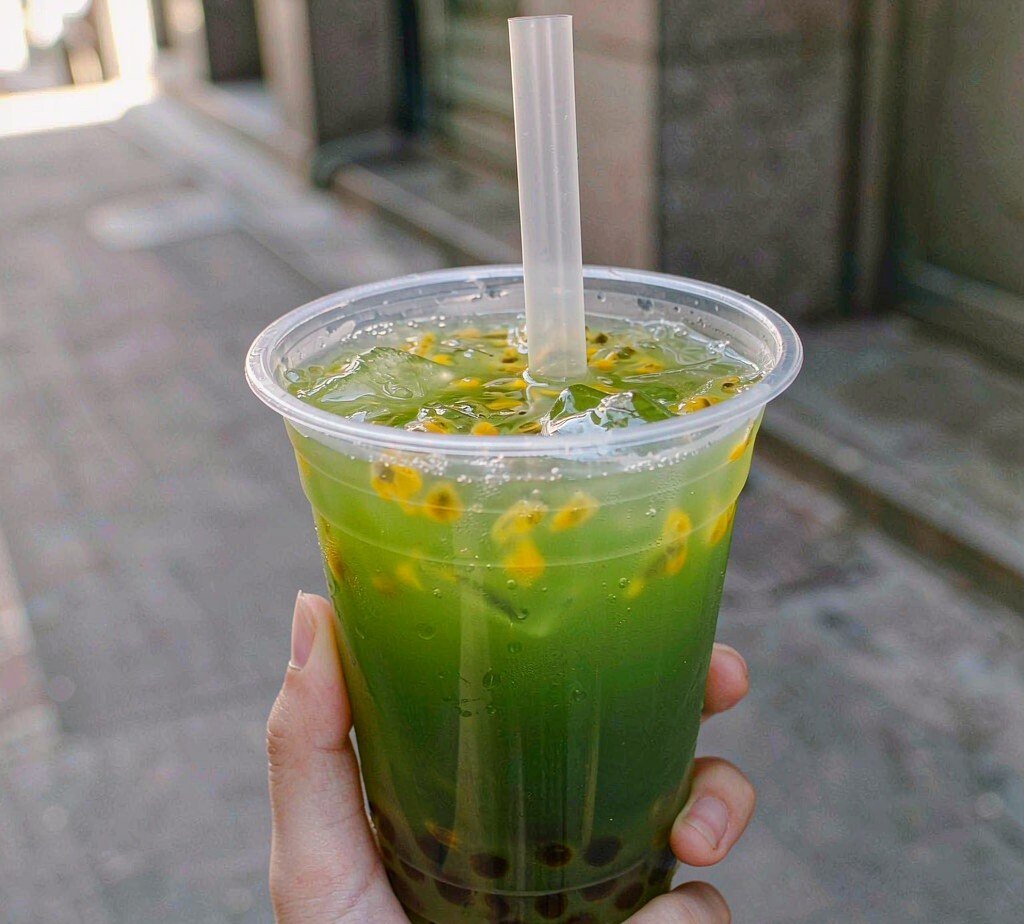
Menus run long, and the wall posters change with the season. Two drinks cover most first-time needs. Three-brothers milk tea is the signature: black tea with milk, pearls, pudding and grass jelly together, so you get chew, softness and a slightly bitter herbal edge in one cup. Served cold, the texture is thick enough that the straw takes a firm pull; ask for less ice and the flavours hold up better. Fresh passion-fruit double shot is the opposite — bright, tart and juicy, with real passion-fruit pulp and often a second fruit or coconut jelly for body. It is the better choice in summer and the one I hand to people who say milk tea is too heavy.
Beyond those, the CoCo menu worth knowing includes pearl milk tea, taro milk tea (made with real taro in many branches, and one of the sweeter options), rose-salt cheese-foam green tea, jasmine milk tea, kumquat lemon tea and a coffee line added in 2015. Portions on the mainland are typically 500 ml standard or 630 ml large; a large cup is a meal in itself if you load it with toppings. Some items are region-only — a highland-barley or red-bean series appears in western outlets — so what you saw in Shanghai may not exist in Chengdu. Confirm on site.
CoCo milk tea price range and how to pay
A typical mainland cup falls between 9 and 18 yuan. At the time of my last visits, a plain pearl milk tea was around 10 yuan, three-brothers about 12 yuan, and the fresh passion-fruit double shot closer to 16 yuan; fresh-milk and taro drinks sit at the top of that band. Prices rise in airports, theme parks and premium malls, and delivery apps add a fee. In Taiwan the same-style drinks are listed in NT dollars, broadly NT$30–75 depending on size and toppings, so do not assume the two markets share a price.
Payment is straightforward but very local. Counters take WeChat Pay and Alipay; most also take cash, and some kiosks are card-only through those apps. A foreign credit card usually will not work at the till. Set up a linked Wallet or carry cash, or you will be the person holding a full cup while everyone behind you pays in two seconds. Coupon deals on Meituan and Ele.me can cut a two-cup order noticeably if you are staying in one city for a few days.
How to order CoCo in China: counter, kiosk or mini-program
Three routes are common. In a mall branch you usually queue at the counter, point at the picture menu, say your size and sugar, and pay. Busier stores have a self-service touchscreen: tap your drink, choose ice and sugar, pay by QR, then collect at the pick-up shelf. The WeChat mini-program, introduced in 2016, lets you order and pay before you arrive and pick up without queuing — the option I use when a branch is busy. Delivery through Meituan or Ele.me is the third route and is fast in central districts.
The two dials that matter are sugar and ice. Sugar runs from no-sugar (wu tang) through light (wei tang), less (shao tang) and half (ban tang) to full (quan tang); ice runs from hot through no-ice (qu bing) and less ice (shao bing) to regular. Ask for half sugar and less ice if you want to taste the tea rather than the syrup — “ban tang, shao bing” is the phrase that will serve you well. Toppings such as pearls, coconut jelly, pudding and grass jelly are standard; taro balls and the chewy starch cubes some branches push are seasonal. A drink is normally made in two to four minutes, but at the 17:00–19:00 rush and on weekend afternoons a mall counter can take ten minutes or more. Ordering ahead on the mini-program skips that line.
Is CoCo milk tea vegetarian, dairy-free or healthy?
Most of the menu is vegetarian, and the fruit teas and plain teas are usually vegan — but “usually” is doing real work here. Classic milk tea is made with a non-dairy creamer in many branches, while the fresh-milk line uses actual milk; both can carry dairy traces, so anyone with an allergy should ask rather than assume. Pudding and cheese foam contain dairy, and some toppings may be processed with wheat or shared equipment. There is no meat in standard drinks and no alcohol, despite a few old menu names that sound boozy. Caffeine is present in the tea and coffee drinks; the fruit-only options are the safe choice late in the day.
On health, be honest with yourself: a large three-brothers milk tea at full sugar with pearls is a dessert. Going half-sugar, skipping the pudding and choosing a fruit tea cuts both sugar and calories substantially. If this is a daily habit on a long trip, rotating in a plain tea is easier on your digestion. For a fuller rundown of ingredients and allergy phrases, see our practical food-tour guide to eating in China.
Inside a typical CoCo branch: seats, air-con, queues and small details
This is where guides usually go vague, so here is what a traveller actually meets. The large majority of branches are small counter-service units inside malls, near metro exits or on a shopping street. Seating is limited: many have none at all, some have a pair of stools or a shared mall bench outside. Air-conditioning is standard inside malls, but a street kiosk may be open-air; smoking is banned indoors in malls, though a pavement queue can smell of it. Restrooms are generally not part of the shop — use the mall or a public toilet, where squat pans are common and paper is not always provided. Confirm on site; newer flagship-style stores differ.
You will get a straw, a sealed lid and usually a thin plastic bag; napkins or wet wipes are sometimes available at the counter but not guaranteed. Takeaway is the norm, so ask for a carrier if you are ordering two cups. Parking in central Shanghai or Chengdu is awkward — a metro ride is far easier. A useful concrete example is the branch on Hankou Road in Huangpu district, near Guangxi North Road, which has been listed with hours around 09:00–21:00, though hours vary by store and season. The best time to visit is mid-morning or the 14:00–16:00 lull; the 18:30–20:00 window is the crush. If you plan to make several such stops on foot, a central Shanghai hotel base makes the metro hops short.
CoCo vs Heytea vs Nayuki vs Mixue
Travellers often ask which chain to spend their limited cup budget on. This table compares the four names you are most likely to see, using typical figures — confirm exact prices and store counts on site.
| Chain | Started | Position | Typical cup | Best for |
|---|---|---|---|---|
| CoCo (Ke Ke Dou) | 1997, Tamsui | Mid-market, traditional Taiwanese style | 9–18 yuan | Everyday milk tea and fruit tea with toppings |
| Heytea | 2012, Guangdong | Premium “new tea” | 19–32 yuan | Cheese-foam and modern fruit tea |
| Nayuki | 2015, Shenzhen | Premium, tea plus bakery | 20–35 yuan | Sit-down treat with bread |
| Mixue | 1997, Zhengzhou | Budget, huge network | 4–10 yuan | Cheap soft-serve and simple tea |
The practical read: CoCo is the dependable middle. If you want to compare premium options in the same trip, our tea-focused tour through China covers how these chains fit alongside traditional tea houses.
Where to find CoCo in Shanghai, and where to stay nearby
CoCo branches cluster where people move: metro concourses, mall food floors, university streets and office towers. In Shanghai you will find them around People’s Square, East Nanjing Road, the Hongqiao transport hub and most large shopping centres. Overseas outlets exist in parts of Asia, North America and Europe, but the menu and price are local to each market. A search inside WeChat or any map app for “CoCo” plus the district will show the nearest branch and its current hours — more reliable than any printed list.
If milk tea is part of why you came, staying near a metro line in the centre means late-night cups and early-morning tea houses are both within reach. Our notes on Shanghai’s local benbang cuisine pair well with a CoCo stop on a food-focused day.
CoCo milk tea FAQ
Is CoCo milk tea the same as Mixue or Heytea?
No. CoCo is a mid-market Taiwanese-style chain built on milk tea and fruit tea with toppings. Mixue is the budget option with a much simpler menu, and Heytea is the premium “new tea” brand with higher prices and cheese-foam drinks. Same category, different price and style.
What should I order at CoCo for the first time?
Order three-brothers milk tea at half sugar and less ice if you want the classic experience, or the fresh passion-fruit double shot if you prefer something lighter and tangier. Both appear on most mainland menus, though availability varies by branch.
How much does CoCo milk tea cost in China?
Typically 9–18 yuan per cup on the mainland, with fresh-milk and taro drinks at the upper end and airport or mall branches higher. Ordering through a delivery app adds a fee. Taiwan prices are in NT dollars and are not the same.
Is CoCo milk tea vegetarian, and does it contain dairy or caffeine?
Most drinks are vegetarian and the fruit and plain teas are often vegan, but classic milk tea may use non-dairy creamer while the fresh-milk line contains real milk. Pudding and cheese foam contain dairy, and tea and coffee drinks contain caffeine. Ask at the counter if you have an allergy.
Can I order CoCo without sugar or ice, and how do I say it?
Yes. Sugar runs from no-sugar to full, and ice from hot through no-ice to regular. “Wu tang” means no sugar, “ban tang” half sugar, “qu bing” no ice. Pointing at the printed options on a kiosk also works if you do not want to speak.
Where can I find CoCo in Shanghai and how do I order?
Look near metro exits, mall food floors and shopping streets in areas such as People’s Square and East Nanjing Road. Order at the counter, on a self-service screen, or through the WeChat mini-program to skip the queue. Confirm the exact branch’s hours on a map app before you go.
CoCo will not be the most elaborate cup you drink in China, and that is the point. It is the dependable one: made fast, cheap enough to repeat, and flexible enough to order exactly how you like it. Learn two drink names and the phrase for half sugar, and a green cup becomes a small, easy part of getting around the country — one you can find again in almost any city you land in.