

What Is Guming, the “Good Me” Milk Tea Chain Most Foreign Visitors Have Never Heard Of
In the spring of 2010, a 21-year-old named Wang Yun’an was having a terrible time selling milk tea. His first shop sat in Daxi, a small town in Wenling, on the humid southeastern coast of Zhejiang province, and for the better part of a year it barely took in enough to cover the rent. The story goes that he eventually loaded a tricycle with sample cups and wheeled it through the streets, handing out free drinks so people would at least know the brand existed. The name on that tricycle was Guming (古茗), which the company later rendered in English as “Good Me.”
Fifteen years later, that tricycle operation runs more than 13,000 stores across China and trades on the Hong Kong Stock Exchange. By store count it is the second-largest freshly made tea chain in the country, behind only Mixue. And yet if you ask a first-time visitor to China where to find Guming, most will blink and guess it is a furniture brand. Guming is the kind of company that dominates a landscape you have not been looking at: not the glittering tier-one malls of Shanghai and Beijing, but the county towns, prefecture cities, and provincial streets where most Chinese actually live.
If you are planning a trip and want to understand China’s wider bubble tea and milk tea scene, Guming is the chain that explains how the country’s tea-drink boom really works outside the big tourist bubbles.
Guming’s Founding Story: A Tricycle, a Small Town, and 13,000 Stores
Guming was founded in April 2010 in Daxi Town, Wenling, Zhejiang, by Wang Yun’an, who remains chairman and chief executive. The early years were less a startup fairy tale than a slow grind: a single underperforming store, a first franchise partner in 2011, and a long stretch of recipe and service tweaks before volumes climbed. The brand stayed close to home in Zhejiang and neighboring Fujian and Jiangxi for years before pushing outward.
What changed the trajectory was supply chain, not marketing. From around 2013 the company began building its own delivery network, in 2017 it switched on a cold-chain system, and today it runs more than twenty regional warehouses that replenish stores every two days. That “two-day delivery” promise is the quiet engine behind the brand. Fresh fruit spoils; most small-town tea shops cannot guarantee it. Guming’s trucks can. By the end of 2024 the chain reported 9,778 stores, roughly 80 percent of them in cities below tier two, and by the end of 2025 that number had grown past 13,000 across about 17 provinces and 230-plus cities.
In February 2025 Guming Holdings listed on the Hong Kong Stock Exchange under the code 01364.HK, becoming the third Chinese “new tea” brand to go public after Nayuki and Chabaidao. The listing raised on the order of US$230 million and confirmed what county-town customers already knew: the heart of China’s tea-drink market is not where the tourists are.
The Cold-Chain Edge — Why Guming’s Fruit Tea Tastes Different
Most travel writing about Chinese milk tea fixates on flavors and ignores logistics, which is exactly why Guming is easy to underestimate. The chain’s whole identity rests on fresh fruit and a controlled cold chain rather than powdered mixes and shelf-stable syrups. It operates a dedicated lemon plantation in Xishuangbanna, Yunnan, sources tea and fruit directly from growing regions, and runs a research team of more than a hundred people who reformulate drinks around what is in season.
For a traveler this matters in a practical way. A grape drink in November and a grape drink in July are not the same product at Guming; the menu shifts with the harvest. That is the difference between a chain that ships a uniform syrup everywhere and one that ships the fruit itself to everywhere it can keep it cold. It is also why Guming’s footprint stops where its refrigerated trucks cannot profitably reach — which is why you will struggle to find it in much of northern China.
If your trip includes tea country, pairing a few Guming stops with a proper China tea tour guide is a neat way to see how a 1,000-year-old beverage got reinvented for the smartphone generation.
Guming Menu and What to Order First
Guming’s menu is broader than its reputation suggests, spanning fresh fruit tea, light milk tea, classic milk tea, pure tea, and a small coffee line. But a few drinks carry the brand, and these are the ones worth ordering on a first visit.
Super A Cheese Grape — Guming’s Signature Drink
If you order one thing, order the Super A Cheese Grape (超A芝士葡萄). It layers real grape pulp and juice beneath a cap of lightly salted cheese foam, and the contrast — cold, jammy fruit against savory cream — is the drink most customers point to as the reason they came back. It is sweet but not cloying, and the cheese foam keeps it from reading like a dessert smoothie. This is the safest “best drink at Guming” answer for almost any palate.
Mango Pomelo Sago and the Rest of the Fruit-Tea Line
The mango pomelo sago (杨枝甘露) is the other headline fruit tea: mango, pomelo, and sago pearls in a creamy mango base, closer to a chilled pudding you drink through a wide straw. Beyond those two, seasonal offerings rotate grapes, peaches, blueberries, and citrus depending on the month. The fruit-tea family is where Guming beats chains that lean on milk and powder, and it is the clearest reason to pick Guming over a generic milk-tea stall.
Light Milk Tea and Classic Milk Tea
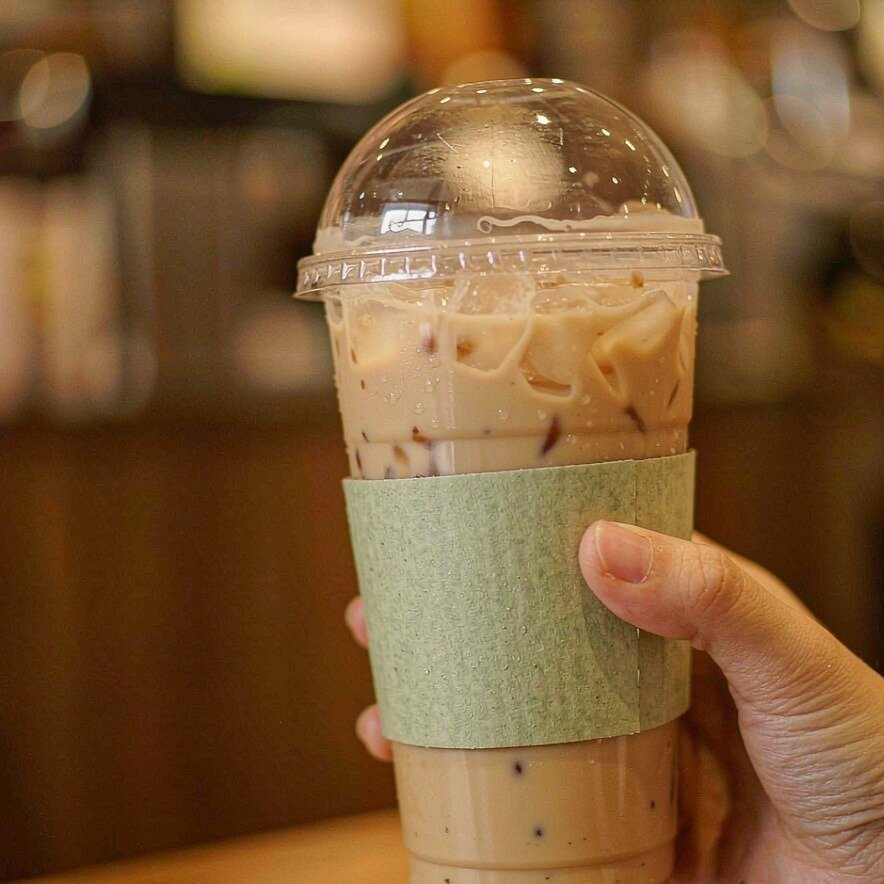
For a quieter order, the Yunling Jasmine White (云岭茉莉白) is a light milk tea built on jasmine-scented tea with a clean, low-sweetness finish — a good choice if cheese foam and fruit feel like too much. The signature lemon tea (招牌柠檬茶) is the hot-weather workhorse, brisk and not too sweet, while the classic “Uncle” milk tea (大叔奶茶) is the throwback creamy cup for anyone who wants the old-school version. There is also a “one cup, double” option that splits two flavors in a single glass for the indecisive.
Guming Price Range and How to Order on the App
Guming sits in the value tier: most fruit teas land around 12 to 18 yuan, light and classic milk teas around 8 to 14 yuan, and coffee near 10 to 13 yuan. That is cheaper than HeyTea or Chagee and a notch above Mixue, which positions Guming as the “affordable but fresh” middle — the cup you can buy every day without thinking about it, which is precisely the brand’s stated ambition (“have a good day,” one cup at a time).
Ordering is almost entirely digital. Guming runs its own mini-program, the “Guming Tea Ordering” app, with well over 100 million registered users. You scan the in-store code, build your drink, choose sugar and ice level, add toppings like pearls or coconut jelly, pay, and wait for a pickup number. Walk-up counter ordering works too, but the queue moves faster if you order on the phone first. Customization is limited compared with Western coffee apps — you are mostly toggling sweetness, ice, and a topping or two — but it is enough to dial a drink down if Chinese standard sweetness is more than you want.
Where to Find Guming Stores in China (and a Hangzhou Travel Tie-In)
Guming is concentrated in southern and central China: Zhejiang, Fujian, Jiangxi, Guangdong, Guangxi, Hunan, Hubei, Sichuan, and nearby provinces, with a particularly dense presence in its Zhejiang home turf. You will see it constantly in Hangzhou, where the company now keeps a major office, and across the Yangtze Delta. It is far thinner in Beijing, Tianjin, and the northeast, and largely absent from many northern cities entirely.
For a traveler, the practical move is simple: if your itinerary stays in the south and east — Shanghai, Hangzhou, Chengdu, Guangzhou, Xiamen, Changsha — you will trip over a Guming on most commercial streets. If you are doing a Hangzhou food guide circuit, treat a Super A Cheese Grape as a cheap, refreshing counterpoint to the city’s richer dishes, and use the app to skip the line at busy West Lake-area branches.
Guming vs Mixue, HeyTea and Chagee — How the Chains Compare
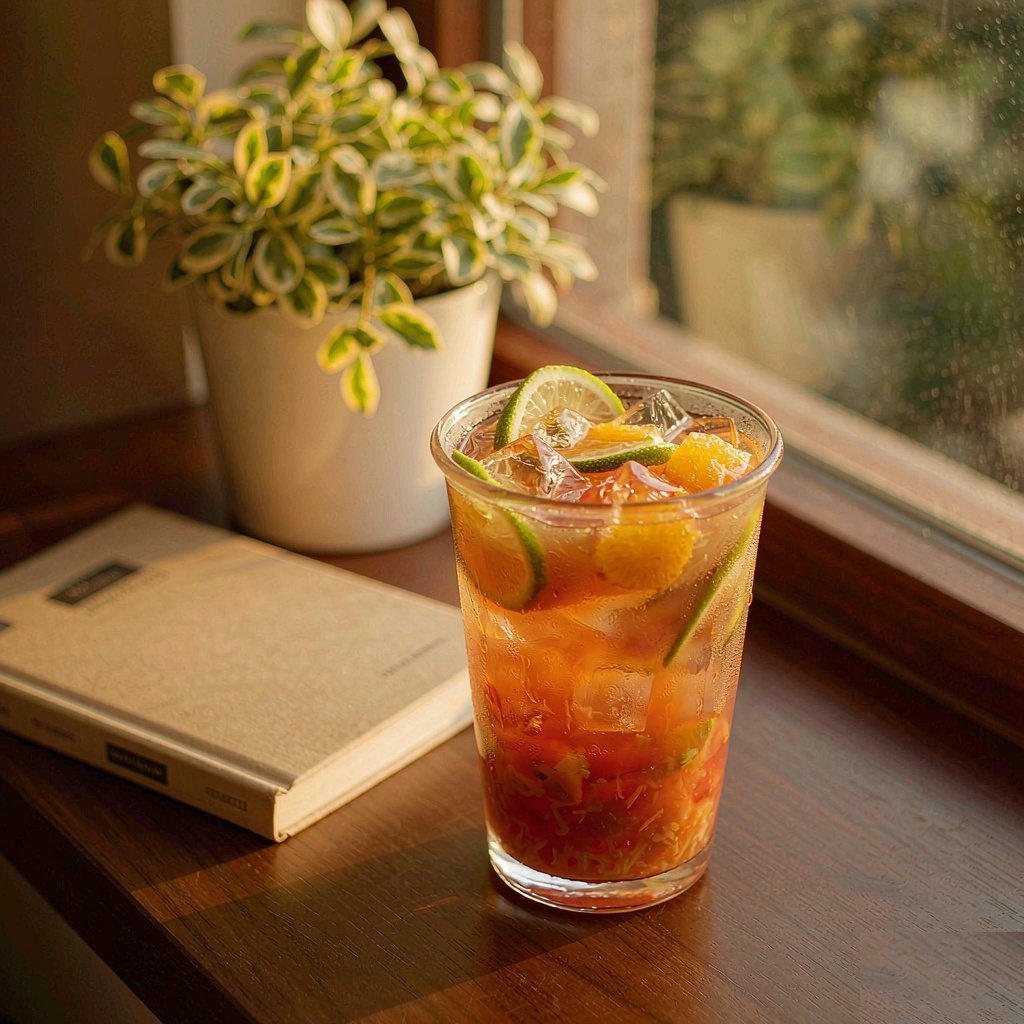
Four names come up whenever travelers compare Chinese milk tea: Mixue, Guming, HeyTea, and Chagee. They look similar from a distance but occupy different lanes.
- Mixue is the extreme-value king — 2 to 8 yuan ice cream and lemonade, everywhere including the north, famous for its Snow King mascot. Cheapest, least focused on fresh fruit.
- Guming is the fresh-fruit, lower-tier-city specialist with the strongest cold chain among the four, priced just above Mixue and well below the premium pair.
- HeyTea is the premium pioneer of cheese tea, tier-one-mall positioned, priced highest, and the one foreign visitors in Shanghai or Beijing are most likely to encounter.
- Chagee (Ba Wang Cha Ji) leans into “tea house” branding and jasmine/light milk teas, expanding aggressively both domestically and across Southeast Asia.
| Chain | Typical price | Signature strength | Where you’ll see it |
|---|---|---|---|
| Mixue | 2–8 yuan | Ultra-cheap ice cream & lemonade | Nationwide, incl. north |
| Guming | 8–18 yuan | Fresh fruit tea + cold chain | South & central China |
| HeyTea | 18–30 yuan | Premium cheese tea | Tier-one malls |
| Chagee | 14–22 yuan | Jasmine light milk tea | South + Southeast Asia |
So the short version: choose Mixue when the goal is the cheapest possible cold drink, choose Guming when you want real fruit at a fair price and you are traveling in the south, choose HeyTea for a premium treat in a big-city mall, and choose Chagee if you prefer fragrant tea-forward cups. For a broader map of China’s bubble tea and milk tea brands, those four cover most of what you will actually encounter.
Who Guming Is For (and Who Might Skip It)
Guming is built for everyday drinkers: students, office workers, and travelers who want a reliable, fresh, not-too-sweet cup without paying mall premiums. If you like fruit-forward drinks and care that the grape tastes like grape rather than syrup, it is an easy recommendation. Vegetarians and those avoiding dairy will find plenty of fruit-tea and pure-tea options; the cheese-foam drinks are the obvious exception.
You might skip Guming if you are touring northern China, where stores are scarce, or if you specifically want the prestige-cafe experience and imported toppings of a premium chain. It is also not a destination in itself — it is a happy, frequent habit, not a once-in-a-lifetime cup. Think of it the way you would think of a really good local coffee chain at home: unremarkable in the best sense, and exactly what you will miss when you leave.
Frequently Asked Questions About Guming
What is the best drink to order at Guming?
The Super A Cheese Grape is the safe first choice, with mango pomelo sago a close second. Both showcase the fresh fruit that separates Guming from powder-based competitors. If you prefer something lighter, the Yunling Jasmine White light milk tea is the quiet winner.
How much does a Guming milk tea cost?
Most drinks run 8 to 18 yuan. Fruit teas sit at the top of that range (around 12–18 yuan), while classic and light milk teas start near 8–14 yuan. It is noticeably cheaper than HeyTea or Chagee and a step above Mixue.
Is Guming cheaper than HeyTea or Chagee?
Yes. Guming prices generally land between Mixue and the premium chains, so a Guming fruit tea typically costs several yuan less than a comparable HeyTea or Chagee cup while using real fruit. You trade a bit of mall ambiance for better value.
Where can I find Guming stores near me in China?
Guming is densest in Zhejiang, Fujian, Jiangxi, Guangdong, and the Yangtze Delta, and common across central and southern provinces. It is far rarer in Beijing and northern cities. The quickest way to locate one is the brand’s mini-program, which shows nearby stores and lets you order ahead.
Is Guming fruit tea made with real fruit?
Largely yes, and that is the brand’s central claim. Guming sources fruit directly, runs its own lemon plantation in Yunnan, and delivers to stores on a two-day cold-chain cycle. Some components (like cheese foam and certain bases) are processed, but the fruit itself is fresh rather than reconstituted syrup.
Does Guming have a mobile app or mini-program?
Yes. The “Guming Tea Ordering” mini-program is the standard way to buy: scan in store, customize sugar and ice, add toppings, pay, and pick up by number. It has well over 100 million registered users and is the fastest way to avoid a queue at busy branches.