

A Heavy Little Disc and the Ritual of Cutting It Into Quarters
The first time someone handed me a mooncake, I almost laughed. It was the size of a small coaster and weighed more than the thin china saucer it sat on. We were on a friend’s balcony in Guangzhou, the full moon low and orange over the Pearl River, and she did something I now know every Chinese household does without thinking: she took a knife, scored the golden pastry into four neat wedges, and passed the plate around. One cake, four people. That small, deliberate act — sharing a dense, sweet-savory disc under the brightest moon of the year — is the entire point of the thing.
Most visitors first meet a mooncake as a gift box: a heavy lacquered carton of individually wrapped pastries that appears in every office, train station, and hotel lobby in China for about three weeks each autumn. What is inside looks like a cookie and behaves like a brick. If you bite into a whole one expecting a light snack, you will be overwhelmed by sugar and fat. If you quarter it, brew some strong tea, and take your time, you will understand why this odd little cake has outlasted empires. This guide walks through what a mooncake actually is, how to make mooncakes at home, and which regional styles are worth chasing on a trip through China.
What Does a Mooncake Actually Taste Like?
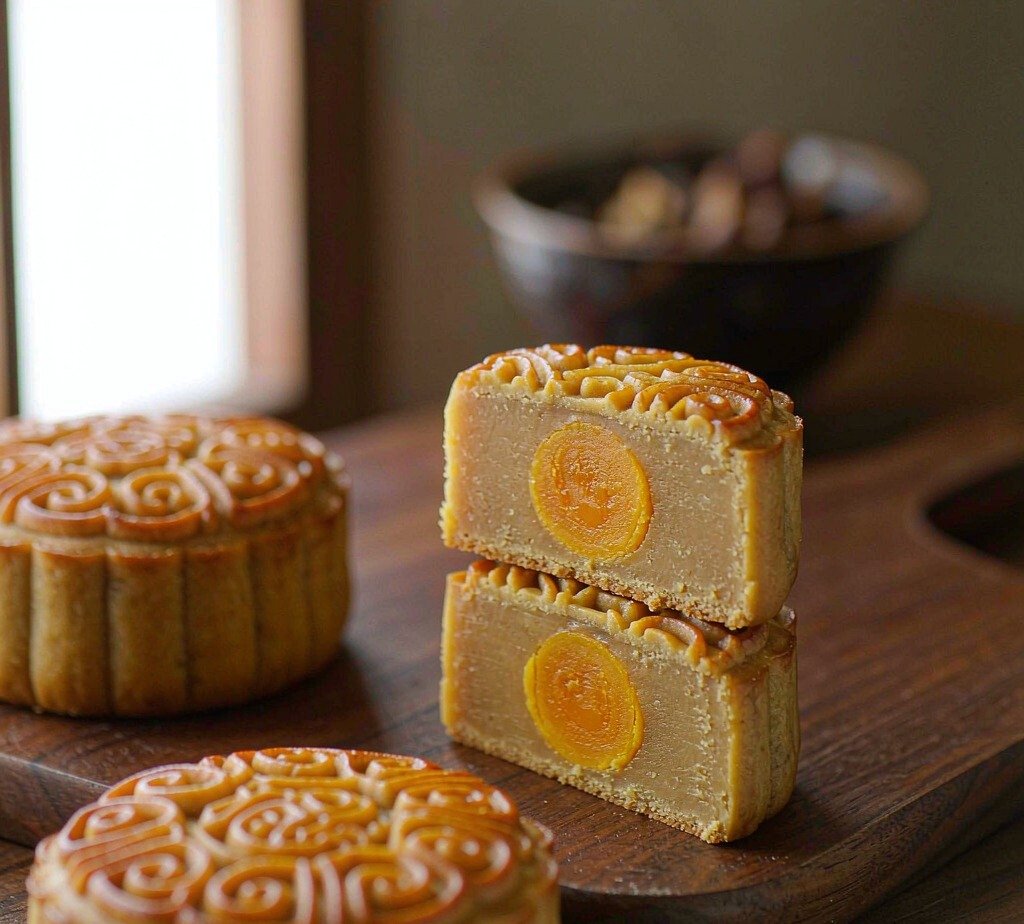
Describing the taste is harder than it sounds, because “mooncake” is a family of pastries, not one recipe. Start with the classic Cantonese version, the one with the glossy amber crust. The skin is thin, chewy, and faintly caramel-toasty from fermented golden syrup, with a soft bite that sits between a shortbread and a firm brioche. It is mildly sweet on its own.
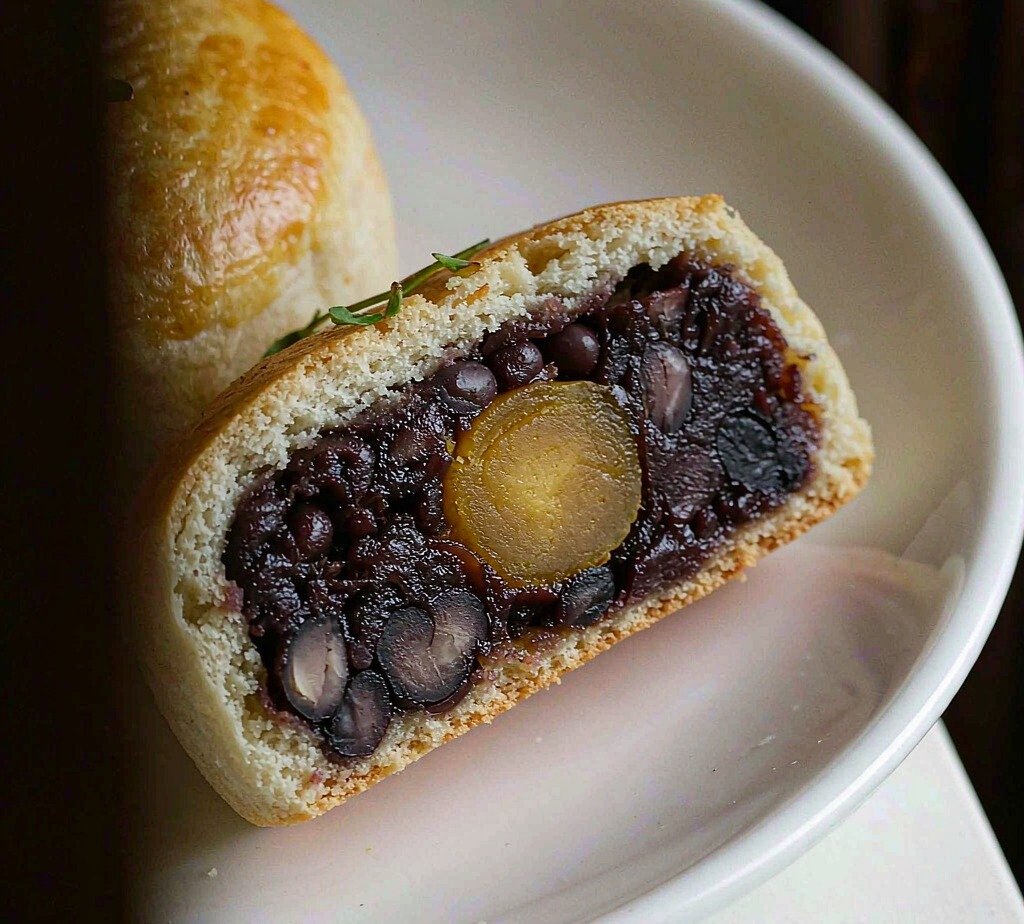
The filling is where the personality lives. Smooth lotus seed paste is the benchmark — sweet but restrained, with a clean nutty depth — and it usually wraps one or two cured salted duck egg yolks. Those yolks are the surprise: dense, faintly grainy, and aggressively savory, like a concentrated hard-boiled yolk with the volume turned up. The magic is the contrast in a single bite, sweet paste against salty yolk against that fragrant crust. Red bean paste versions skip the yolk and lean fully sweet and earthy. Snow skin mooncakes, a modern Cantonese twist, ditch the baked crust entirely for a cold, mochi-like wrapper and fruit or custard fillings — closer to a Japanese daifuku than to the traditional cake.
Where Mooncakes Come From: A Mid-Autumn Calendar Eight Centuries Old
You cannot really understand the cake without the holiday. The Mid-Autumn Festival (Zhongqiu) falls on the 15th day of the eighth lunar month, the night of the year’s fullest, brightest moon, and it is built around harvest gratitude and family reunion. The mooncake history is the story of this festival’s edible symbol: round like the full moon, shared like the family circle. The most repeated legend claims that in the late Yuan dynasty, rebels hid messages coordinating an uprising inside these cakes — a story almost certainly embroidered after the fact, but one that stuck because it captures how seriously Chinese communities take the ritual of gifting them.
What is certain is that by the Ming dynasty the cakes were already a fixed autumn custom, and that the gift box culture we see today — elaborate tins, tiered presentations, premium fillings — grew out of the cake’s role as a token of respect between families, clients, and colleagues. If you want to see the wider world of these seasonal eats, our China festival food guide covers what appears on the table for each major holiday. The mooncake is simply the most physically impressive of the lot.
Traditional Mooncake Ingredients, With Real Amounts
An easy mooncake recipe is more about patience than exotic shopping. The crust relies on a few items you can buy online or at an Asian supermarket. This batch makes eight standard 100-gram mooncakes using the classic 7:3 filling-to-skin ratio (70g filling, 30g skin), which keeps the pastry from cracking and the yolk centered.
For the crust:
- 100g all-purpose flour
- 70g golden syrup (invert sugar syrup — the non-negotiable ingredient that keeps the skin soft and shiny)
- 25g neutral oil (peanut or sunflower)
- 2g alkaline water (lye water, known as jianshui or kansui — it reacts with the syrup to give the amber color and tender chew)
- a small pinch of salt
For the filling:
- 350g lotus seed paste (store-bought is fine; homemade is smoother but a project)
- 8 cured salted duck egg yolks, separated from the whites and rinsed
- optional 40g candied winter melon or chopped walnuts for texture
For the glaze:
- 1 egg yolk whisked with 1 teaspoon water and strained
Notice there is no butter and no baking powder. The skin is deliberately lean and pliable so it can be rolled thin and wrapped around a heavy filling without tearing — which is exactly why the traditional mooncake ingredients list looks so unlike a Western pastry.
Who Mooncakes Are For — and Who Should Pace Themselves
Mooncakes are a celebration food, not a daily one, and the honest answer to “who should eat them” is: everyone in moderation, almost nobody in bulk. A single 100g Cantonese lotus-and-yolk cake is the benchmark for mooncake calories, running roughly 350–450 and packing 15–25g of sugar plus a hefty dose of saturated fat from the paste and yolk. That is why the quartering ritual exists — it is portion control disguised as etiquette.
They suit travelers who want a genuine cultural touchstone, gift-givers during Mid-Autumn, and anyone who enjoys dense, sweet-savory confections. People managing blood sugar, watching weight, or sensitive to very rich food should treat one wedge as the serving, not one cake. Snow-skin and red-bean styles are a little lighter but not dramatically so; the salted-yolk lotus version is the heaviest. If you are exploring Cantonese baking more broadly, the same kitchens that perfected the mooncake also gave us the Cantonese dim sum tradition, and the two share a love of fine-textured, lightly sweet pastries.
How to Make Mooncakes at Home: A Step-by-Step Method
This is a mooncake step by step for the baked Cantonese style. Read it once before starting; the timeline matters because the dough needs a short rest and the baked cakes need a day to “return oil” (huí yóu) and soften.
Step 1 — Prep the yolks. Rinse the salted yolks, pat dry, and bake at 160°C for about 5 minutes until just opaque. A light brush of rice wine cuts the funk. Cool completely.
Step 2 — Make the crust dough. Whisk golden syrup, oil, and alkaline water until emulsified, then fold in the flour until a soft dough forms. Rest it, covered, for at least an hour at room temperature. Do not skip this — rested dough wraps cleanly.
Step 3 — Portion the filling. Weigh 70g of lotus paste per cake. Press a pocket into each portion and nestle one (or two, for a richer cake) yolk inside, sealing the paste around it completely.
Step 4 — Wrap. Weigh 30g of dough per cake, flatten into a disc, lay the filled paste ball on top, and gently stretch the dough down and around until the filling is fully enclosed. Keep your hands lightly oiled to prevent sticking.
Step 5 — Mold. Dust a wooden or plastic mooncake mold with a little flour, press the ball in seam-side up, and tamp firmly on a board. A clean, confident press gives the crisp imprinted top. Ease the cake out onto a lined tray.
Step 6 — First bake. Bake at 180°C for 8 minutes to set the shape. Cool for 10–15 minutes; the surface will look pale and slightly cracked, which is normal.
Step 7 — Glaze and finish. Brush the strained egg wash thinly over the tops and imprinted ridges only — too much pools in the crevices. Return to the oven for another 12–15 minutes until deep amber.
Step 8 — Rest. Cool, then seal in an airtight container for 24–48 hours. The crust will soften and turn glossy as the oil redistributes. This waiting period is the difference between a good mooncake and a great one.
Practical Tips, and Cantonese vs Suzhou vs Snow-Skin
A few things separate frustrating attempts from clean results. Weigh everything — the 7:3 ratio is the single most important number. Keep the dough and filling cold; warm paste leaks oil and breaks the seal. And resist eating them hot: a fresh-baked mooncake tastes dry and firm, while a rested one tastes like the real thing.
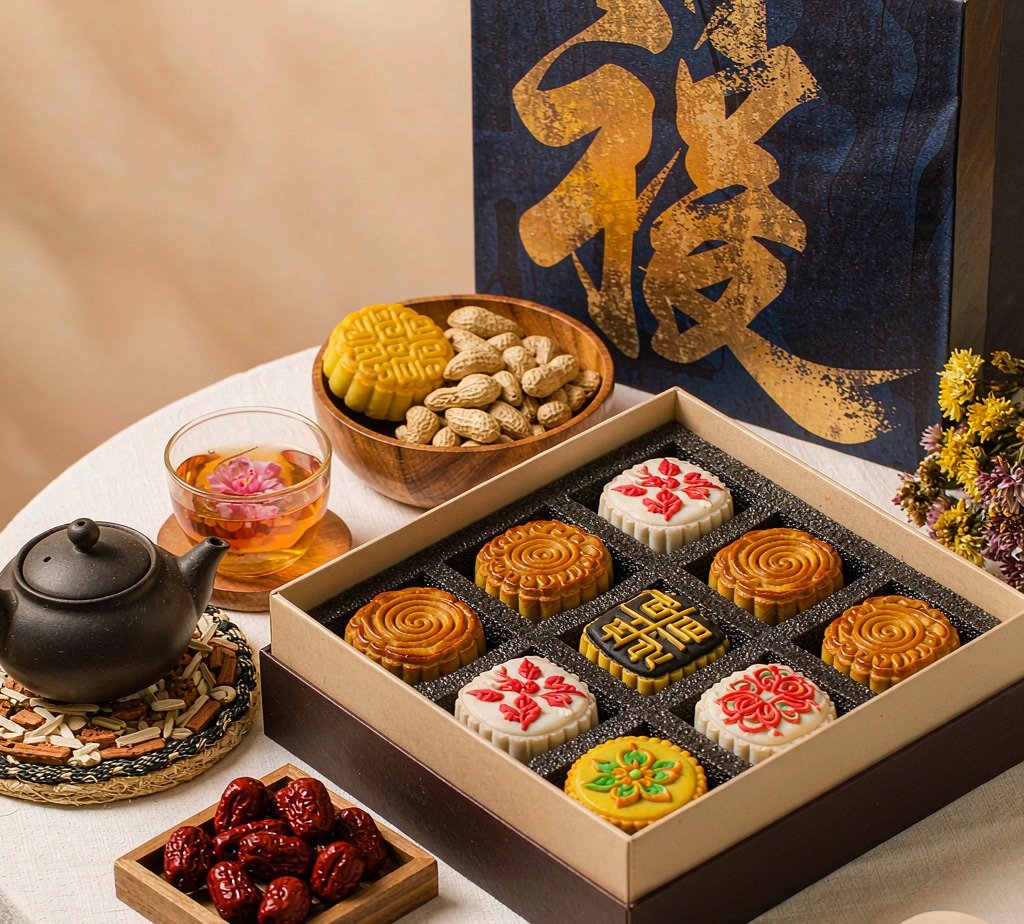
The regional variety is the fun part for travelers. The Cantonese vs Suzhou mooncake question comes up constantly, and they are genuinely different pastries. Cantonese style has the soft, sweet, syrup-glazed crust and refined paste fillings described above. Suzhou (Su-style) mooncakes have a flaky, layered, almost puff-pastry crust — the savory version is filled with pork and resembles a crispy shortcrust pie, eaten fresh and warm rather than aged. Then there is the snow-skin mooncake, a late-20th-century Hong Kong innovation with a glutinous, no-bake, chilled wrapper and fillings from mango to custard. Beijing-style adds a slightly crumbly crust with mixed nuts and rock sugar; Yunnan versions fold in ham and rose. The differences are large enough that “best mooncake filling” has no single answer — it depends on whether you want chewy, flaky, or cold.
If you want to trace how one province’s baking style rippled across the country, our introduction to China’s regional cuisines lays out the map. Mooncakes are the clearest proof that “Chinese food” is really a continent of local traditions wearing the same round shape.
Frequently Asked Questions
How long do homemade mooncakes last, and how should I store them?
Baked Cantonese mooncakes keep at room temperature in an airtight container for about 7–10 days thanks to the sugar and oil acting as preservatives; snow-skin versions must be refrigerated and eaten within 2–3 days. Avoid the fridge for baked ones — it dries the crust. The freezer works for a month if well wrapped, though the texture softens slightly on thawing.
What is the best mooncake filling — lotus, red bean, or snow skin?
For a first-timer, lotus paste with a single salted yolk is the classic benchmark and the safest crowd-pleaser. Red bean is the choice if you want fully sweet and no yolk funk. Snow skin wins with people who dislike baked, heavy pastries or want something fruity and cold. There is no wrong answer, only a preference for chewy, sweet, or refreshing.
How many calories are in one mooncake?
A standard 100g Cantonese lotus-and-yolk cake is roughly 350–450 calories; mini 50g versions run about 180–220. The salted yolk and the oil-rich paste drive most of that number, which is exactly why the traditional quarter-serving exists. Treat a wedge as a dessert portion, not a snack.
Do I need a special mooncake mold?
Yes, but it is cheap and reusable. A wooden or food-grade plastic mold with a plunger presses the decorative top and shapes the sides in one motion. Without it you can free-form rounds, but you lose the iconic imprint and the clean edges that help the cake hold together. A basic mold costs a few dollars and lasts for years.
Can I make a snow-skin mooncake without baking?
Absolutely — that is the whole appeal. The wrapper is cooked glutinous rice flour (steamed or simmered into a dough), cooled, and shaped around a cold filling, then chilled. No oven required, which is why snow-skin mooncakes became a summer-friendly, beginner-friendly entry point for home cooks who find the baked version intimidating.
How do you properly eat a mooncake during Mid-Autumn?
Quarter it, pair it with unsweetened tea (oolong or pu-erh cuts the richness beautifully), and share it slowly with others under the moon. Learning how to eat mooncake the traditional way — quartered, with strong tea — is as important as getting the recipe right. The cake is meant as a small, communal ritual rather than a solo indulgence, which is also the practical way to keep the sugar and calories in check while still enjoying the tradition.
Why the Little Cake Is Worth the Effort
There are easier desserts, and there are certainly lighter ones, but few carry this much history in a single round shape. Making mooncakes at home demystifies a pastry that most people only ever receive as a sealed gift, and tasting the difference between a Cantonese lotus cake, a flaky Suzhou pork mooncake, and a cold snow-skin version turns a holiday souvenir into a genuine education in regional Chinese cooking. Brew the tea, cut one into quarters, and let the full moon do the rest.