

Reed Flute Cave Guilin is often promoted under the formal name “Palace of Natural Arts,” but the nickname that actually sticks with visitors is simpler and far more evocative: the Crystal Palace. Tucked into a wooded hillside on the northwest edge of the city, this limestone cavern has been one of Guangxi’s headline attractions for more than half a century, thanks to its dense forest of stalactites, quiet mirrored pools, and a lighting system that washes the stone in shifting reds, blues, greens, and golds. If you have room for only one underground stop during your trip, Reed Flute Cave Guilin is the safe, spectacular choice, because the experience is reliable in any weather and needs no hiking, climbing, or luck with the skies.
The cave earns its crystal-palace reputation the moment you step off the surface ramp. The air drops about ten degrees, goes still and mineral-cool, and a whole underground city of stone opens in front of you. Locals named it after the reeds that once grew near the entrance and were cut to make flutes, and the name fits the dreamlike atmosphere inside. For many first-time travelers to southern China, this is the single easiest “wow” moment in Guilin, and it photographs beautifully even on a phone.
What to see inside Reed Flute Cave
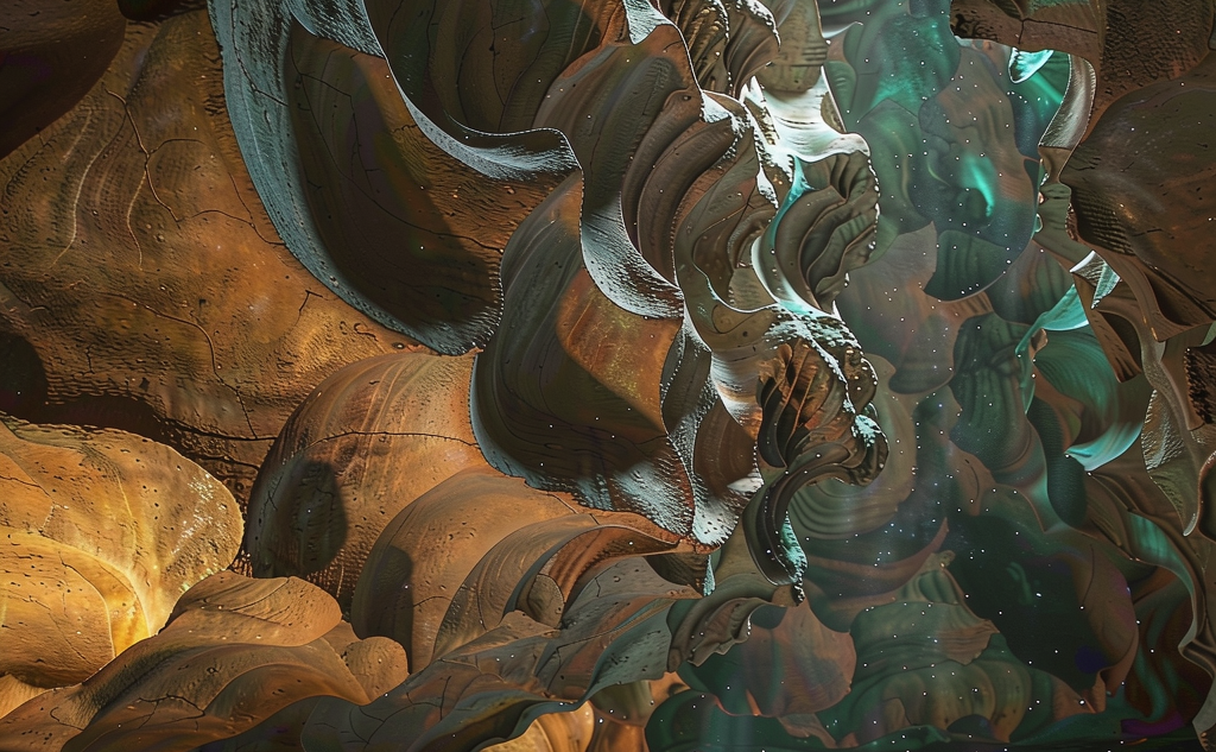
Understanding what to see inside Reed Flute Cave helps you slow down and actually look, because the walkway is one-way and about 500 meters long. Most visitors spend forty to sixty minutes on the loop, and the path is paved, railed, and gentle enough for strollers and travelers with limited mobility. The rock is classic karst limestone, dissolved and redeposited by groundwater over millions of years, and the result is a gallery of stalactites, stalagmites, stone curtains, and pillars that have merged floor to ceiling.
The centerpiece is the Crystal Palace, a cathedral-sized hall where a calm pool mirrors the colored ceiling so perfectly that the chamber seems to double. Guides love to point out named formations such as the “Pine in Snow,” the “Virgin Forest” of stone pillars, and the “Dragon King’s Crystal Palace” tableau, and while the comparisons are fanciful, they capture how locals read the rock. Smaller chambers along the route show thin, rippled “curtains” that look like frozen fabric and towering columns where the floor and roof have joined into a single solid mass. Water still drips in places, a reminder that the cave is alive and still growing, which is exactly why touching the formations is discouraged.
Reed Flute Cave Guilin tickets and the practical basics
Getting the logistics right is easy once you know the numbers. Reed Flute Cave Guilin tickets typically run around 90 RMB for a standard adult admission, with discounted rates for children, students, and seniors, and the site is managed as a formal scenic area with fixed pricing at the official counter. You can usually buy at the gate, though reserving through a major Chinese travel platform saves a few minutes at peak times. Opening hours generally run from early morning to late afternoon, with the last entry about an hour before closing, and the cave sits roughly five kilometers from the city center, about a thirty-minute taxi or ride-hail ride northwest.
The simplest way to arrive is by taxi or Didi and a short show of the destination name to the driver. Public buses are cheaper but slower and involve a walk at the end, and most one-day Guilin city tours bundle the cave with Elephant Trunk Hill or Seven Star Park. My strong recommendation is to arrive right at opening: the tour buses tend to roll in after ten in the morning, and the difference between an empty walkway and a packed one is dramatic. Bring a light layer, because the interior holds a steady eighteen to twenty degrees Celsius year-round, which feels wonderful in summer but cool if you arrive sweaty from the heat outside.
Reed Flute Cave vs Silver Cave
A question that comes up constantly is Reed Flute Cave vs Silver Cave, because both are lit show caves near Guilin and both deliver the multicolored karst experience. The honest answer depends on where you are basing yourself. Reed Flute Cave is inside the city, effortless to reach, and more compact and theatrical, with a tightly developed loop and a famous light-and-sound sequence. Silver Cave, known as Yinziyan, sits much farther south toward Yangshuo and is larger in scale, celebrated for its “Three Wonders” and “Three Treasures,” and usually paired with a countryside stay rather than a quick city half-day.
If your hotel is in Guilin and your time is tight, Reed Flute Cave wins on pure convenience and reliability. If you are already planning to sleep in Yangshuo and want a bigger, less urban cavern, Silver Cave is the better add-on. Many travelers do both on a longer Guangxi route, using Reed Flute as the city introduction and Silver Cave as the rural encore, and either way you are seeing the same remarkable limestone chemistry from two different angles.
Why it works as one of the family things to do in Guilin
Because the path is flat, paved, climate-controlled, and well lit, the cave is consistently ranked among the best family things to do in Guilin. There are no steep climbs, no weather cancellations, and no risk of a tired toddler facing a mountain trail, which makes it an easy anchor for a day with young children or older relatives. The colored light show feels like a walk-through art installation to kids, and the named formations give them a treasure-hunt of shapes to spot along the route.
To round out a family day, pair the morning underground with an afternoon of easier above-ground fun. A stroll down Yangshuo West Street works beautifully if you are staying in the countryside, while in the city a bowl of Guilin rice noodles is a cheap, kid-friendly meal that most children enjoy. For broader meal planning, our Guangxi cuisine guide walks through the regional dishes worth trying and which ones tend to suit timid palates.
Building a Guilin underground karst tour
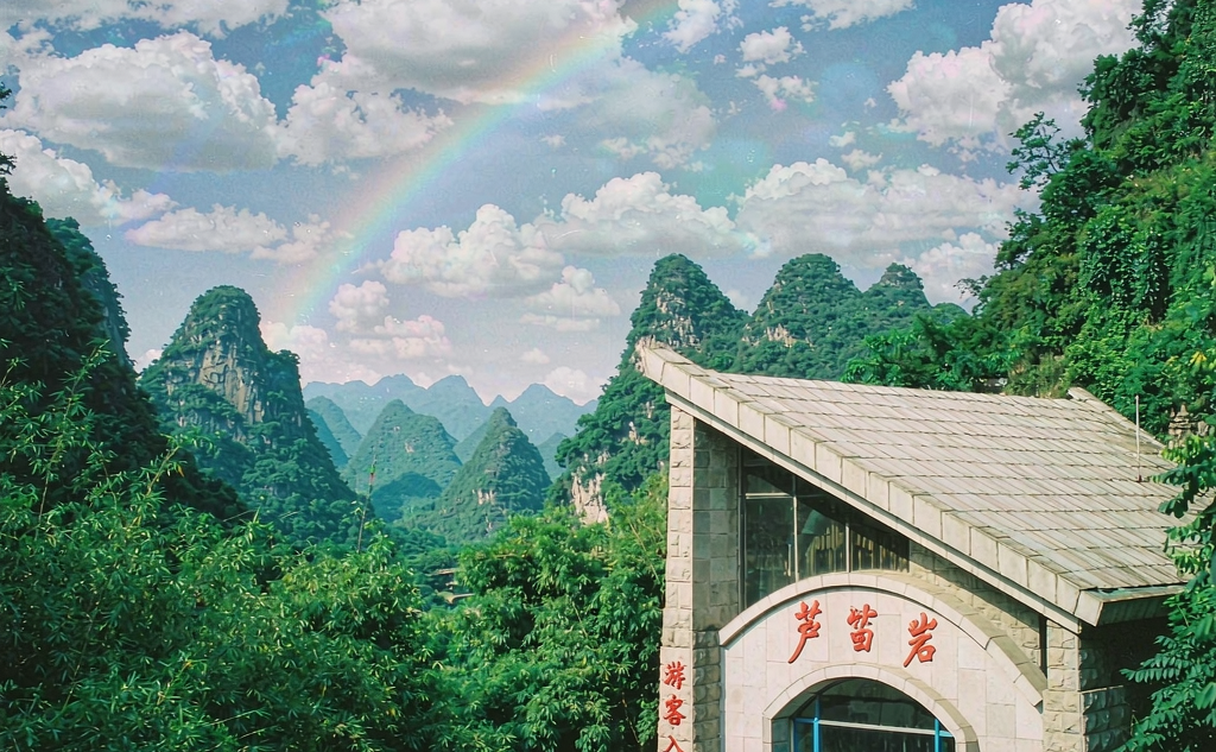
Reed Flute Cave is the natural centerpiece of any Guilin underground karst tour, and the smart move is to frame it as one stop in a wider limestone story rather than a standalone errand. The karst terrain that produced the cave is part of the South China Karst, a landscape UNESCO has inscribed as a World Heritage property for its outstanding geological value, and you can read the official scientific description on the UNESCO South China Karst page. Seeing the cave through that lens turns a pretty light show into a lesson in how water and stone sculpt a region over deep time.
If you want to extend the underground theme, you can combine Reed Flute with other karst formations in the same day, or contrast it with cave art from elsewhere in China. Our Mogao Caves guide covers the famous Buddhist cave temples of Dunhuang, which could not be more different in purpose yet shares the fascination humans have long felt for sheltered rock spaces. Closer to Guilin, the minority-rich hinterland described in our Sanjiang Guangxi travel guide offers wind-and-rain bridges and terraced villages that make a rewarding above-ground counterpoint to the subterranean spectacle.
The best time to visit Guilin caves
Because the interior temperature barely changes, the best time to visit Guilin caves is less about the cavern itself and more about the rest of your itinerary. The cave is an all-weather, all-season attraction, which makes it the perfect rainy-day backup when the Li River mist rolls in or a summer thunderstorm washes out outdoor plans. Spring brings green hills and occasional showers that barely touch the underground experience. Summer is hot and humid in the city, so the cool cave is a genuine relief, provided you arrive early to dodge the tour buses. Autumn, especially October, offers the most comfortable temperatures and clearest skies, which is why it is peak season and the easiest time to combine the cave with riverside and peak-viewing excursions. Winter is quiet and uncrowded, with the steady cave temperature feeling mild against chilly Guilin days.
If your schedule is flexible, aim for a weekday in the shoulder seasons. You will get shorter lines, a calmer walkway, and cleaner photographs, and you will still have the energy afterward to explore the city’s above-ground icons.
A few honest tips before you go
The colored lighting divides opinion, and it is worth setting expectations. If you arrive expecting a raw, dark cavern, the illuminated display will feel theatrical; if you arrive expecting a designed spectacle carved from real rock, you will love it. Either way, do not fight the lights, because they are exactly what makes the cave so accessible and photogenic for every age group. A phone with a steady hand captures the color well, while a small tripod helps with the lower-light pools. Wear shoes with a little grip, since the paved path can be damp near the water, and buy your ticket at the official counter rather than from anyone approaching you outside the gate. Plan about two hours in total including transport, and you will leave with some of the most surreal images of your whole China trip.
Reed Flute Cave Guilin endures as the city’s signature underground wonder because it is both effortless to reach and impossible to forget. Whether you go at opening when the walkway is yours alone, or midday when the light show is in full swing, the multicolored Crystal Palace captures the romance that has drawn travelers to Guangxi for generations. Build it into the start of your journey, pair it with the region’s other landmarks, and let the slower rhythms of stone and water set the tone for everything that follows.
Ready to build the perfect Guangxi route around Reed Flute Cave Guilin? Explore our Guangxi cuisine guide to pair your underground adventure with the region’s best local flavors.
Planning to base yourself in the countryside? Our Yangshuo West Street guide shows you where to stay, stroll, and eat after a day of karst sightseeing.
Want to compare cave cultures across China? Read our Mogao Caves guide and discover how different regions turned stone shelters into art, pilgrimage, and legend.