

At three in the afternoon on a Saturday, the HeyTea counter on the ground floor of a Shenzhen mall is doing what it always does: a screen of order numbers ticking upward, a row of finished cups waiting under a warm lamp, and a staff member in a white apron pressing a thick disc of cheese foam onto iced tea with the steady rhythm of someone who has done it ten thousand times. Nobody in the queue looks impatient. They are watching the cup get built.
That small piece of theatre is the whole business in miniature. HeyTea did not invent milk tea, and it did not invent boba. What it did was make a cup of tea worth queuing for — and in the process it changed what tea costs, looks like, and signals in urban China. This is the chain that turned a drink into a design object, then turned that object into a company with thousands of stores.
What HeyTea Actually Is (and Why the Queue Exists)
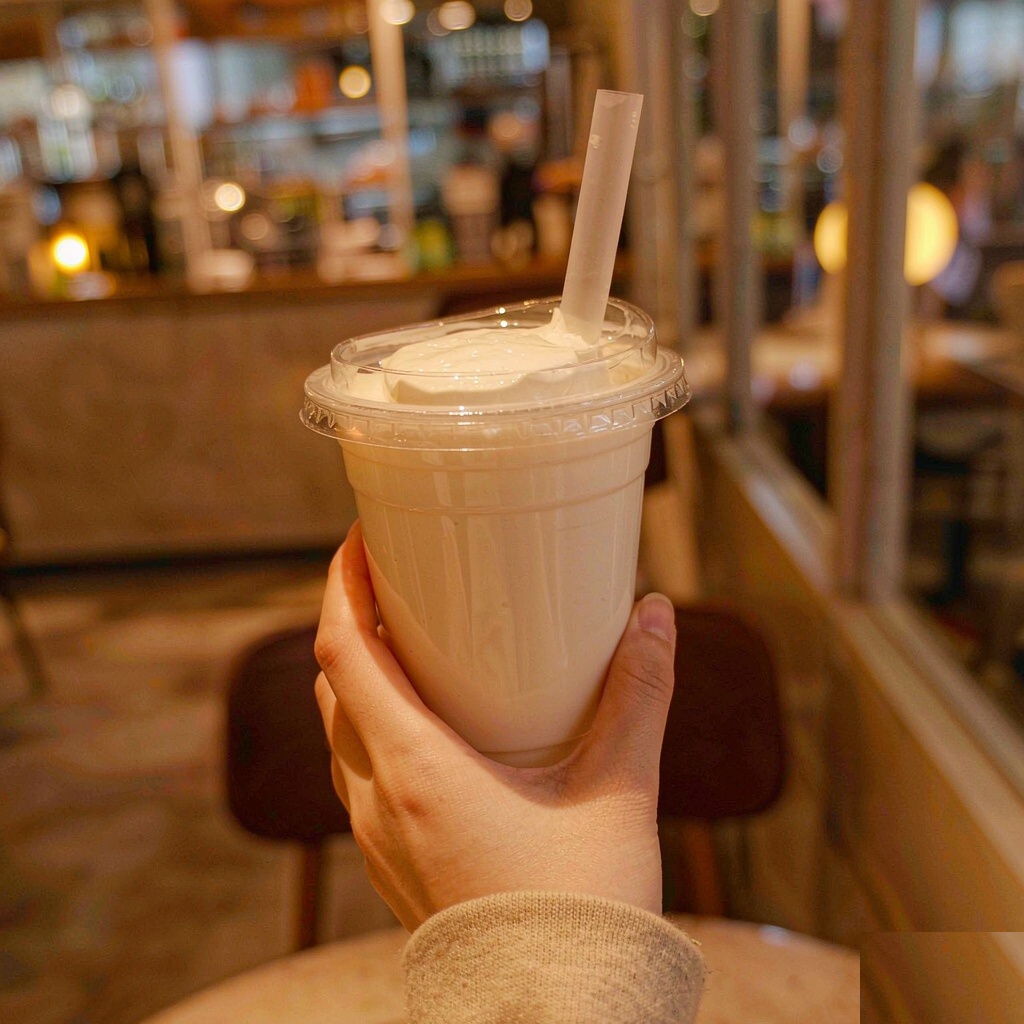
HeyTea is a Chinese tea chain built around fresh tea, fresh fruit, and a thick foam cap. The Chinese name is 喜茶 — roughly “shee chah” — romanised as Xi Cha, though almost everyone outside China knows it by the English brand. It sits in the premium tier of the market: not a dessert shop, not a cheap boba stand, but a tea brand that behaves a little like a fashion label. Stores are designed rather than decorated, with pale wood, matte finishes, and lighting chosen to flatter a photograph. Limited-edition cups and collaborations with artists or other brands are a regular part of the calendar.
The positioning matters because it explains the price. HeyTea is not selling sugar water; it is selling the idea that tea can be a small, affordable luxury — the same logic that made a certain Seattle coffee chain a global habit. The slogan the company has leaned on, “tea of inspiration,” is marketing, but the underlying claim is real enough: the fruit is juiced or muddled to order, the tea is brewed in batches that get discarded rather than left to stew, and the foam is made in small quantities through the day. If you are new to the category, our overview of China’s bubble tea and milk tea scene covers the vocabulary — boba, foam, fruit tea, pure tea — that makes the rest of this article legible.
From a Jiangmen Side Street to More Than Three Thousand Stores
The HeyTea history begins in 2012 in Jiangmen, a city in Guangdong province west of Guangzhou, where a then-21-year-old named Nie Yunchen opened a small shop. The first shop was small and the original name was not HeyTea at all — it was 皇茶, “Royal Tea.” The rebrand to 喜茶 came in 2016, after trademark disputes made the old name hard to defend. By then the company had already moved its headquarters to Shenzhen and was spreading across Guangdong, and the new name travelled with it.
The expansion that followed is one of the faster retail stories in modern China. HeyTea went from a regional curiosity to a national brand in roughly five years, opening in Shanghai and Beijing, then pushing into second-tier cities where a premium tea shop had previously been unthinkable. By the mid-2020s the HeyTea China network had grown to more than three thousand stores across well over two hundred cities, with a small but symbolic overseas footprint in Singapore, London, New York, and Australia. Store counts in this industry move fast, so treat any specific figure as a snapshot rather than a fixed number — but the scale is not in doubt.
The signature innovation, the thing that made the brand’s reputation, is the cheese foam cap. More on that below, because it is the single most misunderstood item on the menu.
The HeyTea Menu: What to Order First
Walk up to the counter for the first time and the Xi Cha milk tea menu can look like a wall of near-identical drinks. It is not. The HeyTea menu breaks into a handful of families, and knowing them is the difference between a good first cup and a confusing one.
- Cheese tea (芝士茶): Cold tea — usually green, oolong, or black — under a salted cream-cheese foam. This is the house speciality and the reason the brand exists.
- Fruit tea (水果茶): Fresh fruit muddled or layered into tea. The grape, strawberry, mango, and grapefruit versions are the best known, and they are what most regulars actually order.
- Pure tea (纯茶): Brewed tea, hot or iced, with little or nothing added. Underrated, and the best way to taste what the company is buying.
- Milk tea (奶茶): The classic milk-and-tea base, usually with boba or another topping. Good, but not the reason to seek the brand out.
- Seasonal and limited releases: Rotating drinks tied to a fruit harvest, a holiday, or a collaboration. These sell out and are worth trying if you see one.
If you only have one cup in you, order the grape fruit tea or the strawberry cheese tea. Both show the house style — real fruit, a clean tea base, a controlled amount of sweetness — better than the straight milk tea does. The brown-sugar boba drinks are fine, but they are a crowded category and HeyTea is not the cheapest place to buy one.
Cheese Tea, Explained — and Why It Is Not Cheesecake
The phrase puts people off, and understandably so. “Cheese tea” sounds like a dare. In practice the foam is a lightly salted whipped cream made with cream cheese, whipping cream, milk, sugar, and a pinch of salt, beaten until it holds a soft peak and then floated on top of cold tea. It is savoury-sweet, faintly tangy, and about as close to cheesecake as whipped cream is to butter.
A HeyTea cheese tea is sipped, not stirred, and that is the part visitors get wrong. You do not stir first. You tilt the cup and sip through the lid so the foam and the tea hit your mouth together, then you drink again, and only at the end do you mix the two. The salt in the foam cuts the sugar; the fat softens the tannins in the tea. Done properly, a cheese tea tastes rounder and less sweet than the same tea without the cap. Done badly — stirred into a uniform beige — it just tastes like sweet milk.
This is the drink that made cheese tea in China a category rather than a novelty, and it is still the fairest test of whether a shop knows what it is doing. If you want to understand the tea sitting underneath the foam, our China tea tour guide goes deeper into the leaves themselves.

How to Order HeyTea Without Standing in Line
The queue is optional, and regulars treat it that way. HeyTea runs its orders through the HeyTea app and a WeChat mini-program, and in most stores you can order before you arrive, watch the status update, and collect from a shelf when your number appears. The practical steps look like this:
- Open WeChat, search the HeyTea mini-program, and allow location access so it shows the nearest store.
- Pick a store, then a drink. The listing includes a photo, a price, and a short description — enough to order without reading Chinese fluently.
- Set sugar level (full, less, half, none) and ice level (regular, less, none, hot). Defaults are sweeter than many visitors expect; go one notch lower than you think.
- Add toppings if you want them — cheese foam, boba, coconut jelly, grass jelly, pudding. Each adds a small charge.
- Pay through WeChat Pay or Alipay, then wait for the pickup number. Peak times can mean twenty minutes or more.
If you are ordering at the counter instead, pointing at a photo works. Staff in bigger city stores usually manage basic English, but the app is more reliable, and it lets you see exactly what you are getting before you pay. A short note on timing: the busiest windows are lunchtime and the hour after offices close, and a store that looks empty at 10 a.m. can have a forty-minute wait by 6 p.m.
HeyTea Prices: What a Cup Actually Costs
Expect to pay somewhere between 15 and 32 yuan for a cup in mainland China, with most of the menu clustering in the low-to-mid twenties. Plain tea sits at the bottom of that range; fruit teas and anything with a foam cap sit near the top. A large fruit tea with an extra topping can edge past 30 yuan, which is roughly the price of a simple sit-down meal in many Chinese cities. That is deliberate. The brand is not competing on value.
Overseas, the same drink costs considerably more — a London or New York cup typically lands in the equivalent of six to eight US dollars once tax and local costs are folded in. If you are comparing HeyTea prices across markets, the gap is mostly rent and labour, not a different recipe.
Where to Find HeyTea in China
HeyTea locations in China now reach essentially every major city, and a surprising number of smaller ones. The densest coverage is in Guangdong, where it started — Shenzhen and Guangzhou have stores in most large malls and on busy commercial streets. Shanghai, Beijing, Hangzhou, Chengdu, and Chongqing all have plenty. If you are planning a trip around food, our Shenzhen food guide and Guangzhou food guide both put tea shops in the context of a wider day of eating, which is the right way to approach them.
For travellers, the practical rule is simple: malls first. HeyTea stores cluster in shopping centres and transport hubs, so a mall visit for air-conditioning or a train connection is also a tea stop. Standalone street stores exist but are less common than in the brand’s early years. If you are outside China, the Singapore, London, New York, and Australian stores follow the same menu logic, with a few local adaptations.
HeyTea vs Nayuki vs Mixue: How the Big Chains Compare
The Chinese tea market is not one market. It is at least three, and the three biggest names sit in different ones. A quick comparison makes the positioning clear:
| Brand | Pinyin | Typical price | Signature | Positioning |
|---|---|---|---|---|
| HeyTea | Xi Cha | 15–32 yuan | Cheese-foam fruit tea | Premium, design-led |
| Nayuki | Nai Xue | 18–35 yuan | Fruit tea plus soft bakery | Premium tea and bakery |
| Chagee | Ba Wang Cha Ji | 16–25 yuan | Jasmine milk tea | China-chic, national style |
| Mixue | Mi Xue Bing Cheng | 6–12 yuan | Ice cream and lemonade | Ultra-value, mass market |
The HeyTea vs Nayuki comparison is the closest one, because both chase the same urban customer at a similar price. Nayuki pairs tea with a bakery counter and builds sit-down space; HeyTea leans harder on fruit tea and on the drink as an object. The HeyTea vs Mixue comparison is really a comparison of two different countries inside one country: Mixue sells volume at a price that makes a cup an everyday purchase, while HeyTea sells an occasion. Neither is better. They are answering different questions.
Is HeyTea Worth It? Who It Suits and Who Might Skip It
It suits people who like fruit-forward drinks, who care about how a place looks, and who are willing to pay a premium for fresh ingredients and a well-made foam. It also suits travellers who want to understand a genuinely important piece of contemporary Chinese consumer culture rather than just tick off a drink.
It is a poor fit for anyone who wants a cheap, very sweet boba fix — that is Mixue’s territory, and you will pay a third of the price there. It is also a poor fit for people who dislike dairy or salty-sweet combinations, since the cheese foam is the house signature and appears across much of the menu. And if you want a strong, bitter, unsweetened tea, order from the pure tea list and skip the rest.
Frequently Asked Questions
How many calories are in a HeyTea drink?
HeyTea calories depend heavily on sugar level and toppings, and the company does not publish a single figure that covers the menu. As a rough guide, a medium fruit tea at half sugar lands in the 150–250 calorie range, while a full-sugar milk tea with boba and a foam cap can pass 400. Choosing less sugar and skipping the extra toppings is the easiest way to bring the number down.
What is the best milk tea brand in China?
There is no single answer, because the question hides a price bracket. If you mean premium fruit and cheese tea, HeyTea and Nayuki are the two names most people mean. If you mean everyday value, Mixue wins on price and reach by a wide margin. If you mean China-chic milk tea, Chagee is the one to try. The honest answer is that the best brand is the one matching the drink you actually want.
Is HeyTea the same as Xi Cha?
Yes. Xi Cha is the pinyin romanisation of 喜茶, the Chinese name. The brand uses HeyTea in English and Xi Cha in romanised form, and the two refer to the same company and the same menu.
Does HeyTea have caffeine?
Yes, and more than many people expect. The base is brewed tea, usually green, oolong, or black, all of which contain caffeine. A large iced tea can carry a meaningful dose, comparable to a strong cup of coffee. Fruit teas are not caffeine-free unless you specifically choose a non-tea base, and the pure tea list is the strongest of all.
Is HeyTea healthier than boba tea?
Not automatically. A fruit tea with real fruit and less sugar can be lighter than a syrupy boba drink, but a cheese-foam drink is rich in fat, and sweetness is set by the customer. The useful lever is the order, not the brand: lower the sugar, skip the foam if you are watching calories, and treat it as a treat rather than a daily habit.
Can I order HeyTea in English?
In big-city stores, often yes — staff usually manage enough English for a simple order, and menus carry photos. Outside major cities, the app is the safer route, since it shows pictures, prices, and customization options you can select without speaking. Pointing at a photo also works, and nobody minds.
HeyTea is worth understanding even if you never queue for it. It is the clearest example of how a drink became a design language in China — a cup of tea with a salted foam cap that convinced a generation to wait twenty minutes and pay triple, and then convinced the rest of the industry to follow. Order the grape tea, sip the foam before you stir, and you will see what the fuss was about.