

Mengding Mountain rises just northwest of Ya’an in Sichuan province, a low range of green hills wrapped almost year-round in mist. It is one of the most important places in the history of tea, yet it remains quieter than the famous peaks nearby. For travelers who enjoy slow mornings, terraced fields, and the smell of fresh leaves, this Mengding Mountain guide will help you plan a rewarding day or overnight trip.
Ya’an is famous across China as the “rainy city.” The same constant drizzle that locals joke about is exactly what makes the slopes here so good for tea. Mist slows the growth of the leaves, concentrates their flavor, and gives Mengding its signature sweet, smooth green tea. If you want a gentle escape from the big cities, the cloud tea terraces above the rain of Ya’an are worth the journey.
Where Is Mengding Mountain
Mengding Mountain, sometimes written Mengdingshan, sits in Mingshan District of Ya’an, about 15 kilometers from the city center. It is part of the broader mountainous belt that separates the Chengdu Plain from the Tibetan Plateau foothills. The mountain is not tall or dramatic in the way Mount Emei or Mount Qingcheng are. Instead it is a series of rounded ridges covered with orderly tea terraces, temples, and stone paths.
The area is easy to combine with a wider Sichuan trip. Many travelers first spend a few days in Chengdu, then head west toward the mountains. If you are building a Sichuan itinerary, our Chengdu travel guide is a good starting point, and our Ya’an travel guide covers the wider region in more detail.
A Mengding Mountain Guide to the Tea Terraces
The heart of any visit is the tea. Mengding is credited as one of the birthplaces of tea cultivation in China, with a recorded planting tradition that goes back more than two thousand years. Legend says a monk named Wuzhen planted seven tea trees on the summit, and those trees became the ancestor of cultivated tea across the country. Whether or not you believe the legend, standing among the terraces makes the history feel real.
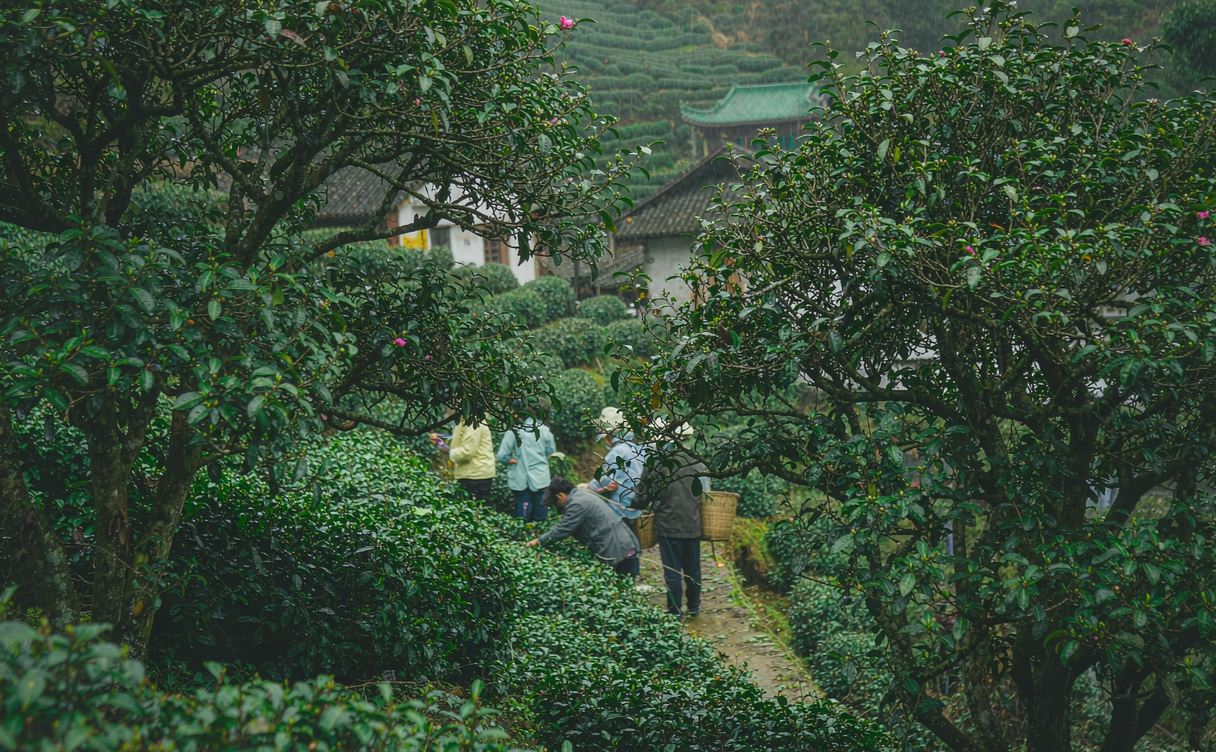
The terraces climb in neat bands up the slopes. In spring, new shoots turn the hills bright green, and you can watch pickers move through the rows with small baskets. Several family farms and state-run plantations offer short tours where you can pick leaves, see the wok-firing process, and taste different grades side by side. A cup of Mengding Ganlu, or “Sweet Dew,” is the local classic and a nice souvenir to bring home.
Before you go, check the Mengding Mountain tea terrace tickets online or at the gate. Ticket prices change by season and by whether you include the cable car. A standard entry pass usually covers the main scenic area and the temple cluster, while tea-tasting sessions and guided picking are often paid separately. Buying a combined ticket at the entrance saves money compared with adding activities one by one inside the park.
How to Get to Mengding Mountain from Chengdu
The most common question from first-time visitors is how to get to Mengding Mountain from Chengdu. The good news is that the trip is short and straightforward.
By high-speed train, take a Chengdu–Ya’an line train from Chengdu West Railway Station to Ya’an Station. The ride takes roughly one hour. From Ya’an Station you can take a taxi or a local bus toward Mingshan and then to the Mengding Mountain scenic area entrance, about twenty to forty minutes depending on traffic.
By car or private driver, leave Chengdu on the expressway toward Ya’an. The drive is usually around two hours in good weather, though rain and holiday traffic can slow it down. A private car is the most flexible option if you want to stop at village tea houses along the way.
By bus, long-distance coaches run from Chengdu’s bus stations to Ya’an, and from there you switch to local transport. This is the cheapest option but also the slowest and least comfortable with luggage.
If you enjoy combining mountain trips, our Chengdu Mount Emei guide and our Mount Qingcheng near Chengdu article show two other great day trips from the same city base.
Mengding Mountain Ancient Tea Trees
One of the quiet highlights of the mountain is its old growth. The Mengding Mountain ancient tea trees are not the towering giants you might imagine from Yunnan. Here they are gnarled, low, and carefully protected, some said to descend from the original seven planted centuries ago. They grow near the summit inside fenced plots that visitors can view but not pick.
These trees matter because they connect the modern terraces to the deep past of Chinese tea. Scholars and tea masters still come to study them, and local parks display old stone steles recording imperial tributes of Mengding tea sent to the capital. Even if you are not a tea expert, the sense of continuity is moving: the same leaves that were prized a thousand years ago are still grown on this hill.
For travelers interested in the wider story, our China tea tour guide links Mengding with other famous tea regions you can visit across the country.
Mengding Mountain Temple and Springs
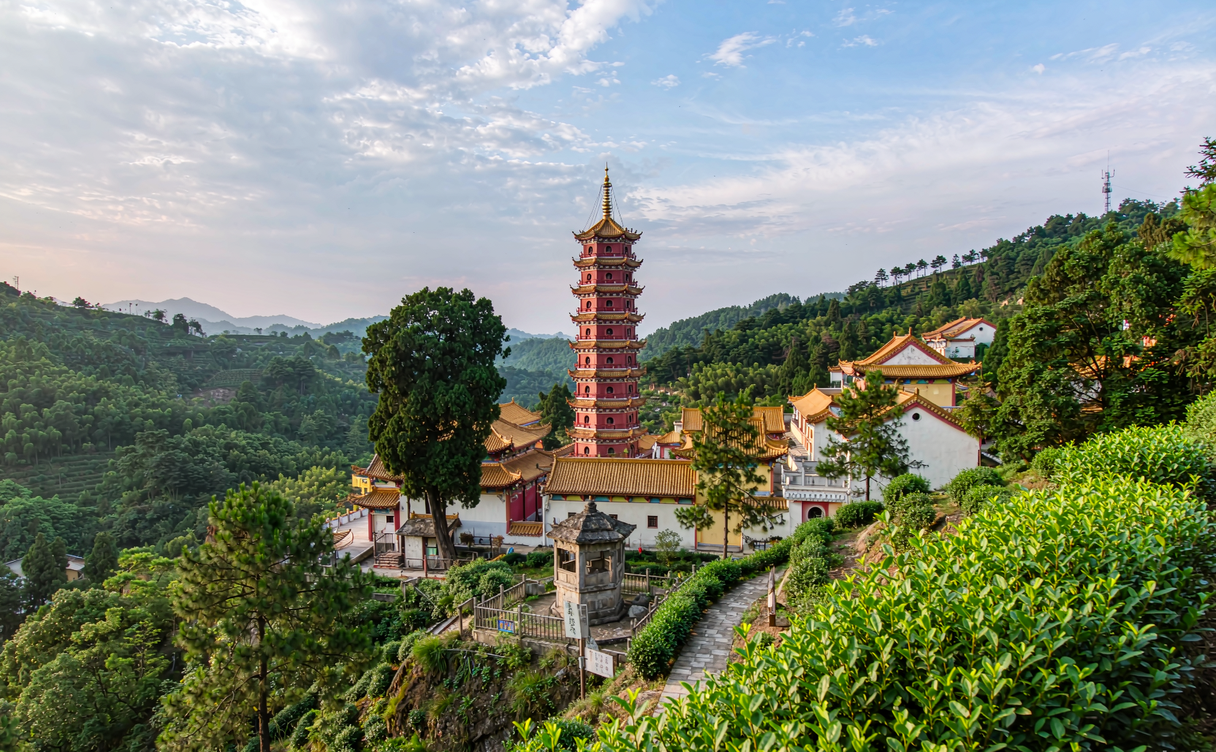
Beyond tea, the mountain has a calm spiritual side. The Mengding Mountain temple and springs form a small circuit of sacred sites near the summit. The main temple, Tiangai Temple, sits among the old tea plots and offers wide views over the terraces and the valley below. Monks have kept the site for generations, and the atmosphere is peaceful rather than crowded.
Near the temple are naturally flowing springs. Locals fill bottles with the cool mountain water, and small pavilions invite you to rest and listen to the dripping. The combination of temple bells, wet stone, and tea scent is what many visitors remember most. Wear shoes with grip, because the stone steps get slippery in the frequent rain.
A short walk from the temple leads to the viewing platforms where you can see the full sweep of the terraces and, on clear days, the distant ranges. Photography is best in the early morning when the mist still hangs low over the fields.
Best Time to Visit Mengding Mountain
The best time to visit Mengding Mountain depends on what you want to see. Spring, from late March to May, is the peak tea season. The new leaves are picked, the hills are vivid green, and the tea festivals bring extra energy. This is also the most crowded period, so arrive early.
Summer is warm and wet, with the famous Ya’an rain at full strength. The mountain stays lush and the mist is dramatic, which many photographers love. Autumn, from September to November, brings cooler air, clearer skies, and comfortable hiking. Winter is quiet and cold, with few tourists and a chance of frost on the terraces.
If your goal is tea tasting and picking, plan for spring. If you want solitude and moody scenery, choose a rainy summer weekday. Either way, pack a light rain jacket no matter the season, because the weather here changes fast.
What to Eat and Where to Stay
Around the base of the mountain and in nearby Mingshan, small restaurants serve simple Sichuan country food: stir-fried tea leaves, free-range chicken, river fish, and plenty of tofu dishes. Many tea farms also run guesthouses where you can sleep above the fields and wake to the smell of morning dew on the leaves.
Staying one night lets you catch the terraces at dawn, when the light is soft and the tour groups have not yet arrived. If you are on a tight schedule, a single long day from Chengdu still works well, especially if you take the morning train and return on the last train back.
Planning Your Trip
Mengding Mountain rewards slow travel. Give yourself time to walk the terraces, sit in a tea house, and breathe the cool mountain air. It pairs naturally with other Sichuan highlights, and it fits easily into a broader China plan. For more ideas on what to include, see our best things to do in China list.
The mountain’s place in tea history is recognized by cultural and agricultural heritage programs in China. For background on the country’s tea heritage and protected cultural sites, the official China culture and tourism resources site is a useful reference.
Ready to explore Sichuan’s tea country? Plan your route with our full Ya’an travel guide and start building your trip today.
Practical Tips Before You Go
Bring cash as well as mobile payment, since small tea houses and temple shops may not take cards. Wear comfortable non-slip shoes, carry a rain layer, and keep your camera ready for the mist. The cable car helps if you want to save energy for the upper temple and old tea plots, but walking the stone path is the more atmospheric choice.
Guides are available at the entrance and can explain the difference between the local teas, which helps if you plan to buy. Compare prices between the official shops and the family stalls, and trust your own taste when you sip.
Want a custom tea-focused itinerary? Pair Mengding with other regions using our China tea tour guide and make the most of your visit.
Final Thoughts
Mengding Mountain is a gentle, green counterpoint to China’s busy megacities. It offers history you can taste, mist you can walk through, and silence you can almost drink. Whether you come for the ancient trees, the temple springs, or simply a quiet cup above the rain of Ya’an, this Mengding Mountain guide should help you arrive prepared and leave relaxed.
Book your Chengdu base now with our Chengdu travel guide and take the short train west to the tea terraces of Mengding Mountain.