

On the warm bend of the Jinsha River where Sichuan tips into Yunnan, there is a city most foreign travellers have never put on a map — and that is exactly why it works. This Panzhihua travel guide covers a subtropical river city that calls itself the “Sunshine Flower City,” grows some of China’s best late mangoes, and hides a 240-metre dam wall above a deep blue reservoir canyon. We’ve routed winter-escape travellers here from Chengdu and Kunming and the constant sunshine is the kind of detail you only believe after a grey northern January.
Why Visit Panzhihua
Panzhihua (攀枝花) is a prefecture-level city in southwest Sichuan, built around a massive vanadium-titanium steel complex but blessed with an unusual climate. Sitting at about 1,100 metres on the Jinsha (upper Yangtze) and Yalong rivers, it gets roughly 2,700 hours of sun a year and almost never sees frost. The result is a place where bougainvillea blooms in January, mango orchards climb the valley walls, and you can stand on a dam bigger than a skyscraper in the morning and eat fresh fruit by the river at night. It is also a genuine crossroads: trains run north to Chengdu and south to Kunming, so it slots neatly into a Sichuan–Yunnan loop.
Best Time to Visit Panzhihua
December to February — the headline window. The Panzhihua winter sunshine climate is the city’s selling point: dry, cloudless days of 18–25°C while Chengdu and most of the north sit under grey drizzle. This is the best time to visit Panzhihua for a warm break without heading all the way to the tropics.
March to May. Warm and dry, 22–32°C, with the bougainvillea at its peak and the reservoirs full. Excellent for the canyon.
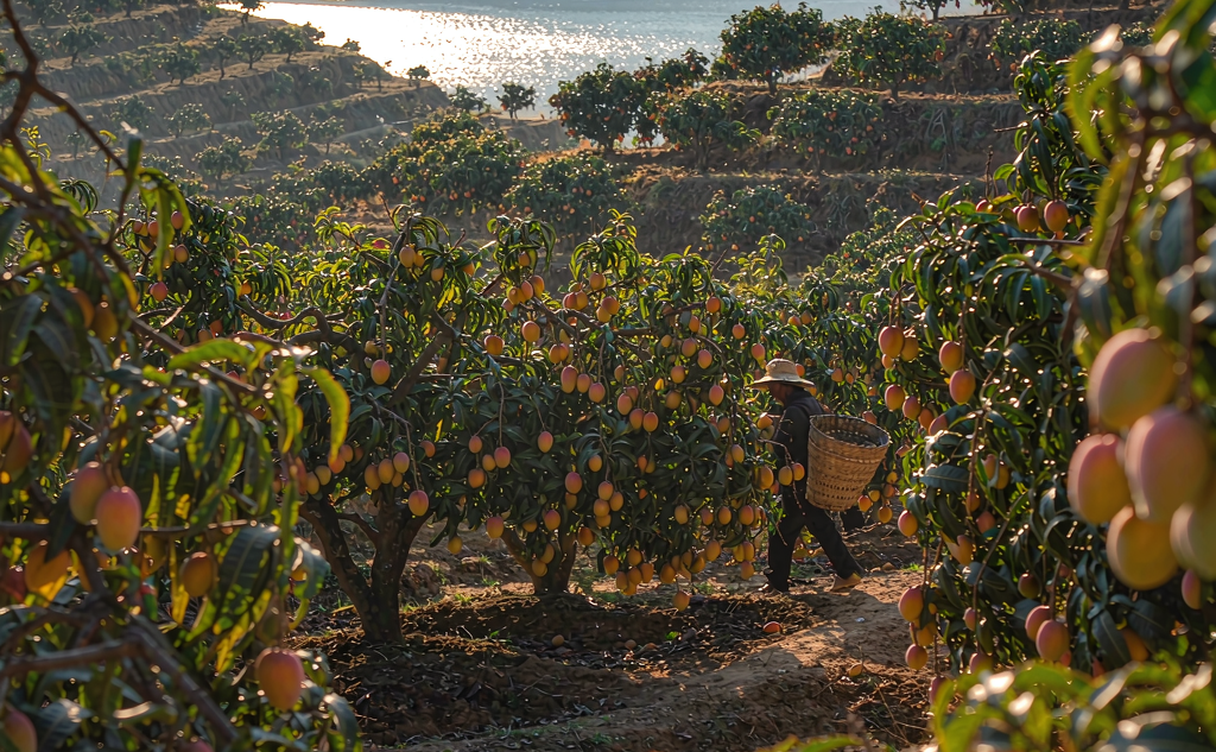
June to September — mango season. Hot, 28–35°C, with the summer monsoon bringing afternoon storms. The Panzhihua mango season runs from June into September, later than almost anywhere else in China because the fruit ripens slowly in the cool nights. If fruit is your goal, come in July or August.
October to November. Mild, 20–28°C, quieter, and good for hiking before winter.
How to Get to Panzhihua
Panzhihua sits on the rebuilt Chengdu–Kunming railway. The main passenger station is Panzhihua South Station (攀枝花南站), served by EMU trains on the new line.
| From | Mode | Duration | Approx. cost |
|—|—|—|—|
| Chengdu South → Panzhihua South | EMU train | 3 hr – 4 hr | ¥150–210 (US$21–29) |
| Kunming → Panzhihua South | EMU train | 2 hr – 3 hr | ¥110–160 (US$15–22) |
| Xichang / Liangshan → Panzhihua | EMU train | 1 hr – 1 hr 30 min | ¥50–80 (US$7–11) |
| City centre → Ertan Dam | Bus / taxi | 50–70 min | ¥25 bus (US$3.50) |
Book with your passport on 12306. Inside the city, buses are ¥1–2 and DiDi is cheap; for the canyon and orchards, hire a car with driver for ¥400–500 a day. If you are starting from Sichuan’s capital, our Chengdu travel guide covers the train hub and the pandas before you head south.
Things to Do in Panzhihua
Ertan Reservoir and Canyon
The single biggest sight. The Ertan reservoir canyon Panzhihua stretch was created by the Ertan Hydropower Station, completed in 1999 on the Yalong River — at the time China’s largest dam, with a 240-metre double-curvature arch wall. The lake behind it runs 145 km into the gorge, a deep narrow blue backed by near-vertical limestone walls. A sightseeing boat leaves from the Yalong River bridge area and cruises up the reservoir for about ¥80–120 (US$11–17) per person; allow two to three hours. The dam viewpoint on the Panzhihua side is free and worth the stop for the scale alone. Bring a shell — the canyon wind picks up by midday.
Mango Orchards and the Valley Terraces
Panzhihua’s mangoes are a point of local pride: the city produces more than a million tonnes a year, and the late ripening means fruit in shops when southern provinces are finished. Around the districts of Renhe and Xiandong you can visit orchards in season — many sell at the gate for ¥6–12 per jin (about 500 g), far cheaper than the cities. The terraced mango slopes above the Jinsha are also pleasant to drive in spring, when the valley turns green and the river glints below.
Gesala and Yi Highland Country
Northwest of the city, the Gesala Eco-tourism Area (格萨拉) is Yi and Tibetan highland country at 2,000–3,000 metres: alpine meadows, azalea slopes in May–June, and Yi villages where you can watch weaving and eat roasted potatoes with sour cheese. Entry is about ¥50–80 (US$7–11). It is a half-day drive each way, so budget a full day or an overnight in the nearby town of Yanbian.
The City Itself
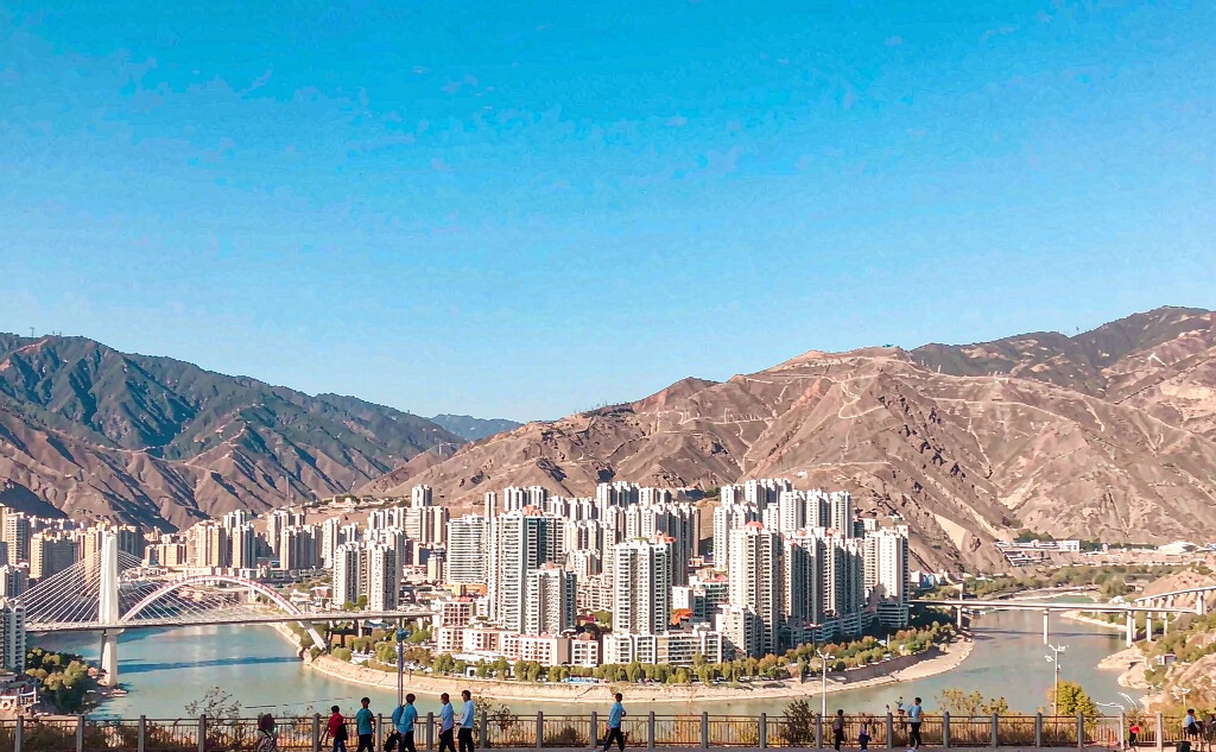
Panzhihua is spread along the river in terraces, unusual for China in having almost no ancient core. The pleasant bits are the Jinsha riverside greenway, good for an evening walk, and the Brongainvillea (三角梅) gardens that the city plants everywhere — entire overpasses and hillsides go red and purple in winter. The Panzhihua Museum gives a short, bilingual-enough rundown of the steel-town story and the local Yi and Lisu cultures.
Lanjia Hill and Hot Springs
A few kilometres out, Lanjia Hill (兰家火山) is a viewing point over the open-pit mining terraces — stark but interesting if you like industrial landscapes. Closer to town, several hot-spring hotels tap warm groundwater; a soak costs ¥50–90 (US$7–13).
Where to Stay in Panzhihua
Budget — ¥110–190 (US$15–27). Chain hotels near Panzhihua South Station and the east bank. Basic, clean, app check-in.
Mid-range — ¥240–420 (US$33–60). Riverside business hotels in the city centre, the best base for food and the greenway.
Splurge — ¥550–900 (US$75–125). Hot-spring resorts on the city edge, comfortable and quiet, good after the canyon drive.
All register foreign passports.
What to Eat in Panzhihua
The cooking mixes Sichuan heat with Yunnan Highland ingredients.
- Mango everything. Fresh mango, mango juice, mango ice in summer; the late fruit is genuinely sweet.
- Jinsha River fish. Freshwater fish steamed or boiled in a sour broth, ¥40–70 a dish.
- Yi roast meat. Lamb and pork rubbed with chili and cumin, eaten with flatbread.
- Cross-bridge米线 (rice noodles). The Yunnan noodle soup, here as you head toward Kunming.
- Wild greens. Highland ferns and fungi in spring and autumn.
For a wider Sichuan–Yunnan food picture, our Liangshan travel guide covers the Yi heartland just north.
Sample Itinerary: Two Days
Day 1. Morning EMU from Chengdu or Kunming. Afternoon Ertan dam viewpoint and reservoir boat. Riverside walk and mango dessert in the city.
Day 2. Orchard drive or Gesala highland (full day), or a slow morning at the bougainvillea gardens and museum, then train onward.
Practical Tips
- Two rivers, one station. Everything runs off Panzhihua South; the canyon is 50–70 minutes west.
- Sun protection. The “Sunshine City” nickname is literal — bring a hat and sunscreen even in winter.
- Mango timing. For fruit at the gate, target July–August; the orchards are quiet but green the rest of the year.
- Altitude. The city is low; Gesala climbs high, so pace yourself if you go up.
- Passport. Train, hotel and the dam-area entry all need it.
- Background. The city’s odd origins as a planned steel town are summarised at Wikipedia’s Panzhihua page — worth a read before you arrive.
FAQ
Is Panzhihua worth visiting?
For most foreign tourists, no — unless you like warm winter weather, dams, fruit and off-map China. We send it to travellers already crossing Sichuan to Yunnan who want a sunny, cheap break.
How many days?
One full day covers Ertan and the city. Two lets you add orchards or Gesala.
Can I visit as a day trip from Chengdu?
Technically yes by EMU, but at 3–4 hours each way we recommend at least one night.
Is there much English?
Little. Translation apps and Chinese addresses handle it.
Written by Karl, China Travel Places — updated August 2026.