

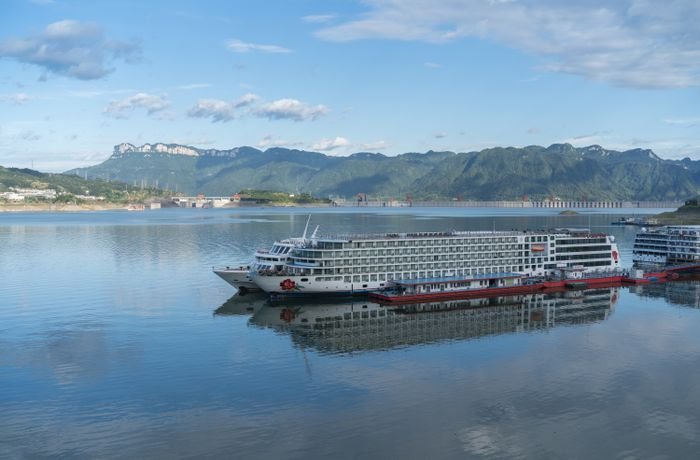
A Yangtze River cruise is the single most relaxing way to see the heart of China, and the good news is that the standard route is simple: you board in Chongqing and sail downstream to Yichang, passing the Three Gorges and the massive Three Gorges Dam. Most people book either a 3-night or a 4-night sailing, and you can compare Yangtze cruise cabins and bundle the cruise with your international flight and a Chongqing hotel on one platform. In this guide I’ll walk through exactly what’s included, how to pick a cabin, when to sail, and how to lock the whole trip in without juggling five tabs.

What the standard Chongqing–Yichang route actually looks like
Nearly every foreigner-friendly cruise follows the same downstream path. You board in the late afternoon at Chaotianmen Port in central Chongqing. Day one is mostly settling in, dinner, and a nighttime sail past the city lights. Day two and three are the scenic heart: Fengjie and the Qutang Gorge, the Wu Gorge with its twelve peaks, and finally the Xiling Gorge before the ship transits the locks of the Three Gorges Dam. In Yichang you’re bussed off the dam and dropped at the Yichang East railway station or the airport, usually by mid-morning, which makes connecting to a high-speed train to Shanghai or Xi’an easy.
The upstream version (Yichang to Chongqing) exists but takes a night longer and many travelers find the downstream run more dramatic because the gorges open up ahead of you rather than behind. For a first trip, go downstream.
What’s included in the fare (and what isn’t)
One thing that surprises people: a Yangtze cruise is far more all-inclusive than a European river cruise. On the mainstream ships (think Century, Victoria, Yangtze Gold, and the newer President lines), your fare typically covers:
- Your cabin for the full sailing, with daily housekeeping.
- All main meals in the dining room — usually a buffet breakfast and lunch, plus a seated dinner. Chinese and some Western options are always available.
- The core shore excursions: the Three Gorges Dam visit, Shibaozhai pagoda or Fengdu Ghost City (depending on the line), and a smaller boat ride into the Shennong Stream or Goddess Stream.
- Onboard evening shows, tai chi lessons on the deck at sunrise, and basic Wi-Fi in public areas.
What you pay extra for: drinks beyond water and tea, the optional excursions (the White Emperor City visit runs roughly $30–45 per person), spa treatments, and gratuities for the crew. Budget about $80–120 per cabin for tips and a couple of paid add-ons and you won’t be caught out.
3-night vs 4-night: which should you book?
Most ships offer a 3-night “classic” sailing and a 4-night version that adds a stop or a slower pace. Here’s the practical breakdown:
| Option | Time on board | Best for | Price range (per person) |
|---|---|---|---|
| 3-night downstream | About 3 days, 4 nights in port-to-port terms | Tight schedules, first-timers who want the gorges without a long commitment | $420–$700 depending on cabin and season |
| 4-night downstream | Adds a relaxed day, sometimes a Yangtze side-branch cruise | People who want to actually read a book and not rush excursions | $560–$900 |
If your China trip is two weeks or longer, take the 4-night — the extra day is the difference between “I saw the dam” and “I actually enjoyed the river.” If you’re on a 10-day sprint, the 3-night keeps you moving.
Inside cabin vs balcony: how to pick your deck
This is the decision that actually matters for your experience. Here’s how the cabins stack up:
| Cabin type | View | Pros | Cons |
|---|---|---|---|
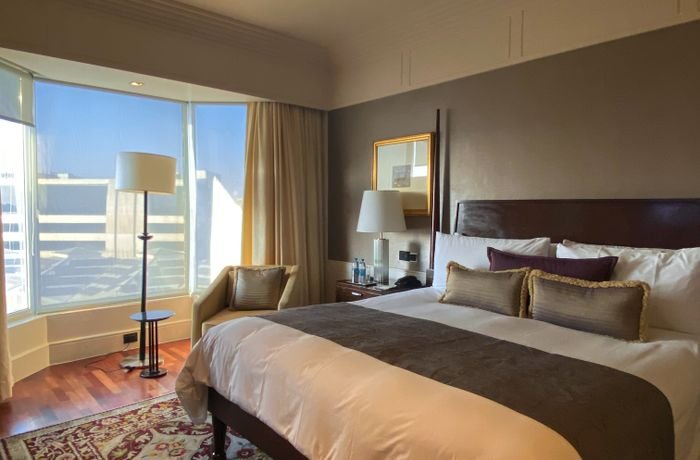
| Inside (no window) | None | Cheapest, around $420–$520 | You’ll miss the gorges from bed; only the public decks give you the view |
| Outside (window) | Fixed window, no balcony | Natural light, mid price $520–$650 | Can’t step out for photos at sunrise |
| Balcony | Private step-out balcony | Watch the gorges with coffee, best for photographers | Priciest at $700–$950, sells out first in autumn |
My honest take: a balcony is worth it if this is your one big splurge in China. The gorges are the point, and being able to slide the door open at 6 a.m. when the mist is on the water is the memory you keep. If budget is tight, an outside window cabin is the sweet spot — skip the inside cabin unless you just want a place to sleep.
Best season to sail
The river has a real season. Spring (April–May) and autumn (September–October) are the comfortable windows: temperatures sit in the high 60s to low 80s Fahrenheit, the gorges are green or gold, and the water levels are stable. Summer (June–August) is hot, humid, and can hit the 90s, plus it’s peak domestic travel — cabins fill and the deck gets crowded. Winter is quiet and cheap but gray, and some smaller excursions pause.
Autumn is the standout, and that’s also when balcony cabins sell out months ahead. If you want an autumn sailing, book by June. Spring is more forgiving and you can often find space 6–8 weeks out. Either way, read our guide to the best time to visit China and booking around the holidays before you commit dates, because National Day week in early October will wreck both availability and price.
How to book the whole chain on one platform
The friction in a Yangtze trip isn’t the cruise — it’s the logistics around it. You need to fly into Chongqing (or train in from Chengdu or Xi’an), spend a night before boarding, then get from Yichang onward. Booking these separately across three sites is how people overpay.
- Lock your Chongqing hotel and cruise bundle first, because cabin availability drives your dates.
- Add your international flight on the same platform so the dates line up and you have one itinerary to manage.
- Reserve the onward high-speed train from Yichang East to your next city once the cruise confirms your arrival time.
- Pay attention to the pre-boarding night: most cruises board by 6 p.m., so a flight landing at 9 p.m. means you arrive the day before and need that hotel.
This is also where booking cheap flights to China for 2026 on the same account pays off — the platform holds your full chain together, sends one set of confirmations, and makes rebooking far less painful if a flight shifts. For the timing tactics behind those fares, our cheap flights to China guide breaks down the windows when transpacific and regional seats are cheapest.

Mistakes to avoid when booking a Yangtze cruise
- Booking the wrong port. Chongqing’s cruise terminal is Chaotianmen, not the main railway station. Confirm the exact meeting point and give yourself a buffer the night before.
- Assuming all “Yangtze cruises” are equal. Some budget operators use older ships with thin walls and limited English. Stick to the well-known international-friendly fleets.
- Forgetting the dam bus. The ship arrives at the dam, not a regular pier. The included shuttle to Yichang East is part of the experience — don’t pre-book a private car that can’t meet you there.
- Skipping travel insurance for the add-ons. If you take the White Emperor City excursion and weather cancels it, a refund depends on the operator, not the platform.
- Waiting for autumn. If you’re set on an October balcony sailing, June is already late. Earlier is genuinely cheaper.
Frequently asked questions
Do I need a visa for a Yangtze cruise?
Most foreign travelers still need a Chinese visa, but the 144-hour visa-free transit can apply if you’re flying in and out of eligible cities with a confirmed onward ticket. Chongqing qualifies as a transit port, so a cruise-plus-flight itinerary can sometimes fit. Check the current rules before you book.
Is the food on board okay for picky eaters or kids?
Yes. Buffets always include rice, noodles, eggs, fruit, and simple proteins, plus a Western corner with bread and cereal at breakfast. Vegetarian options are available; tell the line your dietary needs when you book.
Can I do the cruise with just carry-on luggage?
You can, and many do. Cabins are compact, so a 20–24 inch suitcase fits under the bed but a giant checked case gets awkward. Pack light and you’ll move through the dam transfer more easily.
How rough is the water — will I get seasick?
The Yangtze on this stretch is a calm reservoir behind the dam, not open ocean. Motion sickness is rare. If you’re sensitive, a morning on the open deck in the gorges is usually fine.
What’s the Wi-Fi like on the ship?
Public-area Wi-Fi exists but is slow and intermittent in the gorges. Download maps, your train tickets, and offline reading before you board. Don’t count on streaming.
Should I book directly with the cruise line or through a platform?
A platform that also holds your flight and hotel lets you manage one itinerary and often bundles a small discount. The cruise line won’t help you if your inbound flight is delayed, whereas a single booking chain is easier to adjust.