

A China visa invitation letter is one of the most misunderstood documents in the whole application process. Most first-time visitors to mainland China never need one, but if you fall into a specific travel category, the consulate will refuse your application without it. We run a small China inbound desk and over the past year we’ve helped roughly 140 clients sort out exactly this paperwork, so we’ve seen where people get stuck: they assume every tourist needs a letter, or they assume nobody does. The truth sits in the middle, and getting it wrong means a wasted trip to the visa center and a two-week delay.
Who Actually Needs an Invitation Letter
For the standard tourist (L) visa, the majority of applicants do not need an invitation letter. You can submit a round-trip flight reservation, a hotel booking, and your itinerary. Where the letter becomes mandatory is for certain non-tourist purposes: business (M) visas, certain family-visit (Q2/S2) cases, and some longer-stay or group arrangements. If your Chinese counterpart — a company, a trade fair organizer, or a relative — is formally inviting you, the consulate wants proof on official paper.
In practice, our clients most often need a China tourist visa invitation only when they are joining a sponsored tour run by a licensed Chinese travel agency, or when they are visiting friends and staying at a private residence in a way the local consulate requires documented. Requirements vary by country of application, so always check the specific Chinese embassy or visa center serving your passport.
What the Letter Must Contain
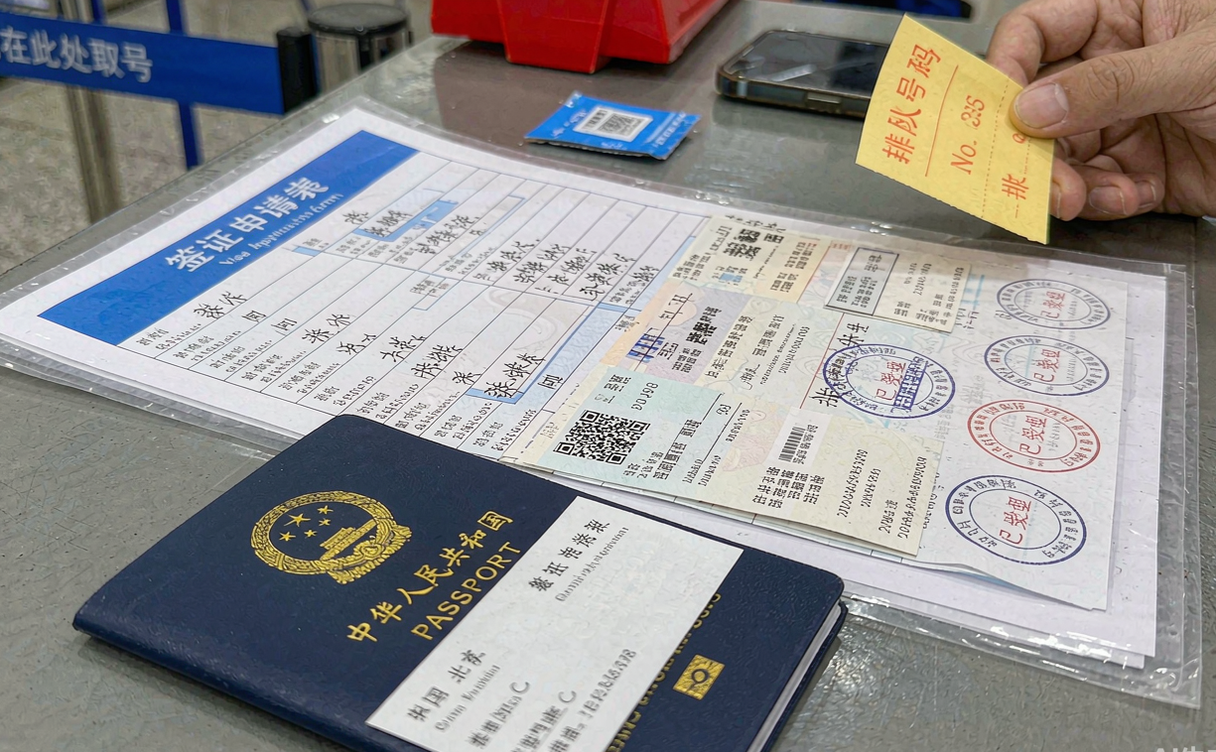
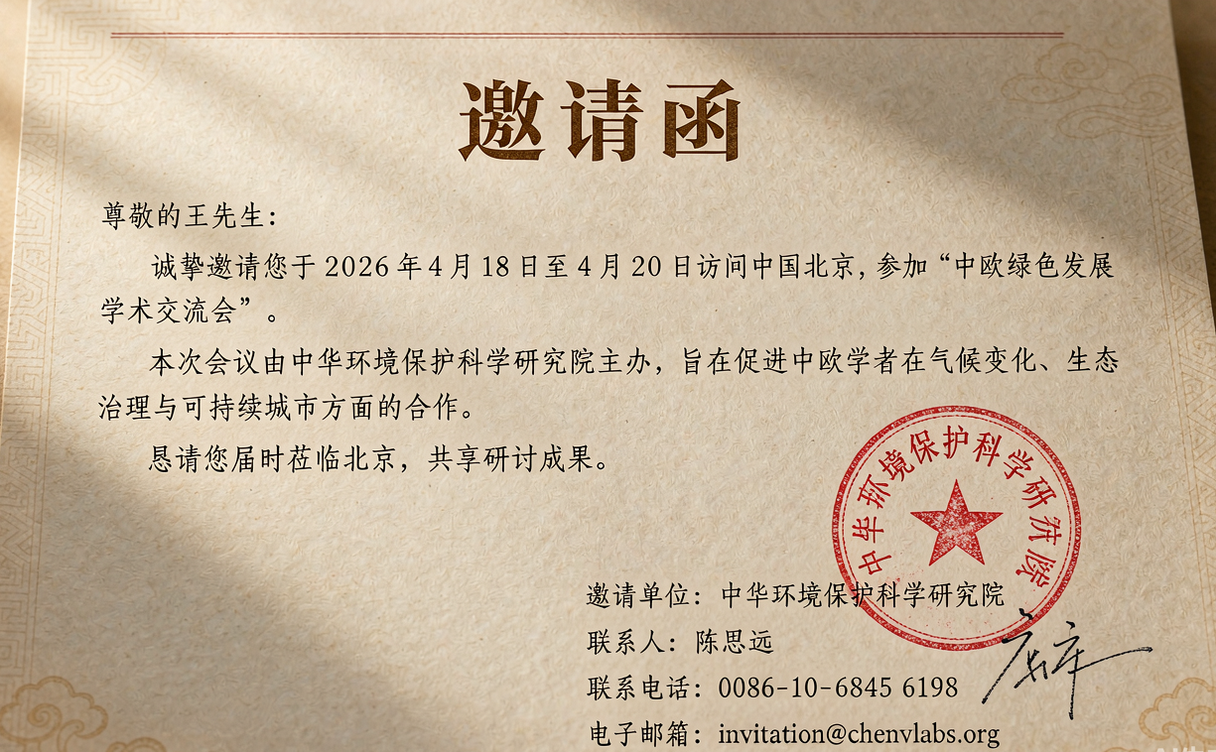
A proper invitation letter is not a casual email. Whether issued by a company or an individual, it should be printed on letterhead (for business) and include the host’s full name, contact details, and Chinese address; your full name, passport number, and birth date; the purpose and length of the visit; where you will stay; and who covers the costs. For a company, the document usually needs a stamp and a signatory. We’ve had letters rejected in Shanghai’s jurisdiction because the inviting firm forgot to add its unified social credit code — a nine-digit business identifier printed on every Chinese company license.
If you are wondering how to get China invitation letter documents quickly, the fastest legitimate route is to ask the Chinese party to issue it directly and scan it as a PDF. Agencies cannot invent one for you; they can only forward a real letter from a real host. Anything offering a “guaranteed fake invitation” is a scam and will get you banned.
Business Visits and Trade Fairs
The China business visa letter is the most common version we process. If you’re attending Canton Fair in Guangzhou, a machinery expo in Shanghai, or factory visits in the Pearl River Delta, your Chinese partner or the event organizer issues the invitation. Note that the old “PU letter” (officially the Notice of Invitation) was largely replaced in 2023 by a simpler confirmation form, but some jurisdictions still call it a PU letter out of habit. Don’t let the terminology confuse you — what matters is the official stamp and the visa center’s acceptance.
For business travelers, double-check the latest entry rules before booking, since policies shift. Our China visa updates 2026 page tracks the changes we see clients hit most often.
Family Visits and Private Stays
The other frequent case is visiting relatives. If a Chinese citizen or permanent-resident family member invites you, a Q2 (short-visit family) visa normally requires their invitation plus proof of the relationship — a birth or marriage certificate, often with a certified translation into Chinese or English depending on the consulate. We’ve handled cases where the client and the host share a surname but the document trail was thin, and the consulate then asked for more evidence, adding a week to the process. Our standing advice is to gather the relationship proof before you book the flight, not after. For longer family stays the Q1 route exists, but it requires paperwork notarized and legalized in China first, a heavier lift we plan months in advance rather than days.
A Sample Letter Outline We Send to Hosts
When a Chinese partner is unsure what to write, we forward a bare one-page template. It should carry the host’s letterhead and official stamp; the host’s name, ID number, and Chinese address; your full name, passport number, birth date, and nationality; an explicit purpose line such as “business negotiations” or “tourism”; the exact entry and exit dates; the cities you will visit; your accommodation address; and a final line stating who bears the costs. Consulates read for those few facts, not for eloquence. The usual failure mode we see is a letter that buries the dates or forgets the stamp — both are easy to fix before you submit.
Where an Invitation Letter Is NOT Required
Here is the part that saves people money. If you qualify for the transit programs, you need no invitation letter at all. The China visa-free transit guide explains the classic 72/144-hour routes, and the newer China 240-hour visa-free transit rule now covers many more ports of entry for short stays. Several of our clients flying via Beijing or Shanghai simply used the transit window and skipped the invitation paperwork entirely. Likewise, if your home country has a mutual visa-free agreement for tourism, you won’t need any letter — see our China visa-free policy updates 2025 summary.
Timeline and Practical Tips
Start the invitation letter process at least four weeks before your flight. The Chinese host may be slow to respond during Golden Week (early October) or Spring Festival, when offices close for a week or longer. Have your passport scan, flight dates, and hotel plan ready so the host can fill the template in one go. Keep both the original and a few printed copies — border officers rarely ask, but a consulate sometimes wants the hard copy. One more habit we insist on: carry two identical passport photos (35x45mm, white background) in your daypack. A handful of jurisdictions still want a printed photo taped to the application even when you also upload one, and buying them locally in a Chinese city is easy but eats a morning. Also confirm which consulate covers your state or province — China routes applications by jurisdiction, and mailing to the wrong center is a classic, avoidable delay we see around peak summer.
If you’re still deciding between visa types, our China tourist visa application walkthrough breaks down the document checklist step by step.
For the official legal framing of who qualifies and under what categories, the background on Visa policy of China is a useful reference we point clients to before they call a consulate.