

If I could pick one season to send a first-time visitor to mainland China, it would be autumn. The rice terraces turn gold, the cities shake off summer’s humidity, and the autumn foliage in China — from Beijing’s ginkgo avenues to the red maples of the south — is genuinely spectacular. This China autumn travel guide comes from years of chasing that perfect October light, and I have come to think of autumn as the country’s best-kept scheduling secret: great weather, gorgeous color, and (outside one holiday week) manageable crowds.
China autumn weather: the Goldilocks season
The short version of China autumn weather: September and October are dry, mild, and sunny across most of the country, with comfortable 15–25°C days and cool nights. The north cools fast after mid-October; the south stays warm into November. It’s the most stable weather window of the year, which is why it’s also popular. I have worn a T-shirt in Guilin in early November and a puffy jacket in Beijing by late October — layering solves both.
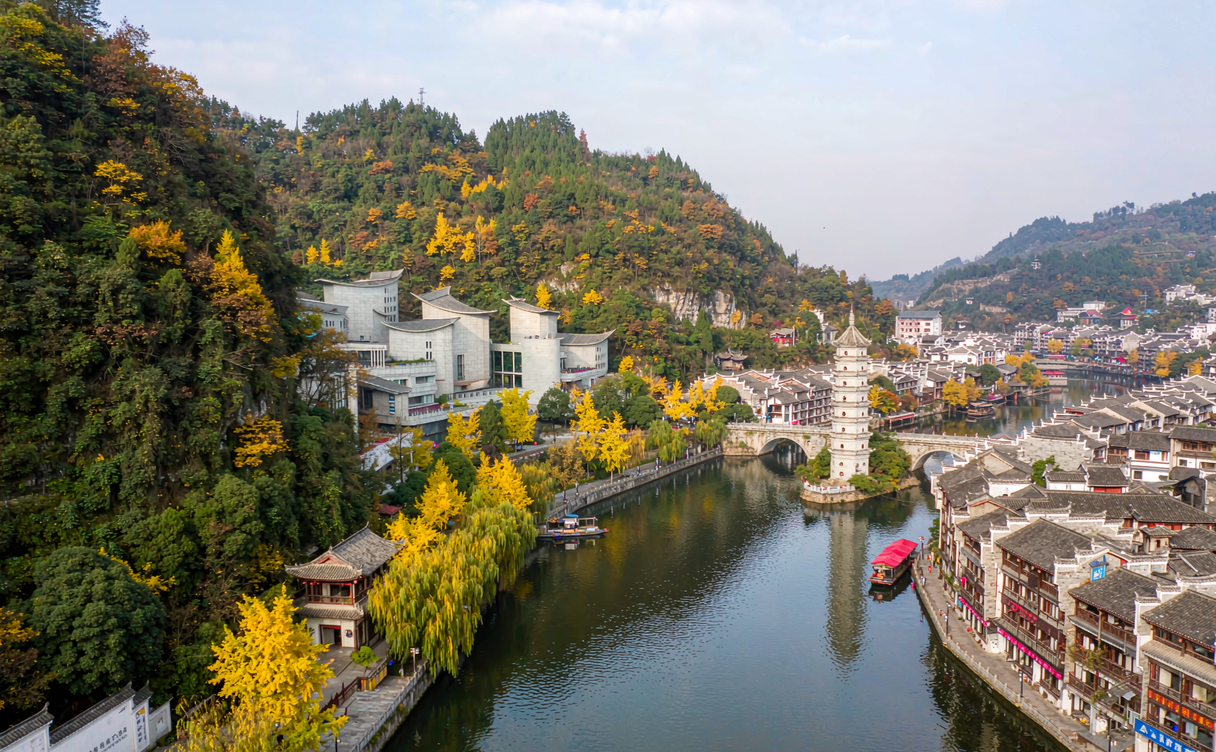
Best places to visit in China autumn
For best places to visit in China autumn, my list blends foliage, festivals, and comfortable touring:
- Beijing: blue skies and golden ginkgo boulevards; the Great Wall is glorious in October, with far fewer crowds than spring.
- Jiuzhaigou and Huanglong (Sichuan): the UNESCO-listed Wulingyuan scenic area near Zhangjiajie also peaks in color now, but Jiuzhaigou’s lakes plus autumn reds are my top pick.
- Guilin and Yangshuo: misty karst hills and rice harvests; the Longji terraces go from green to gold between September and early October.
- The Yellow Mountains (Huangshan): sea-of-clouds mornings and crimson maples; book the cable car early to catch sunrise.
- Yunnan’s old towns: still-warm days and clear light, perfect for slow walking.
Pair these with our things to do in China guide.
A China autumn itinerary
A China autumn itinerary I love: Beijing (4 days, catch the ginkgo and the Wall), high-speed train to Xi’an (2 days for the Terracotta Army and Muslim Quarter), then fly to Guilin (3 days of rivers and rice terraces). Ten days, all in peak comfort. Another strong loop swaps Guilin for Jiuzhaigou and Chengdu, trading karst for highland color. For train booking, see our high-speed train guide for foreigners, and keep in mind that the National Day week jams every route.
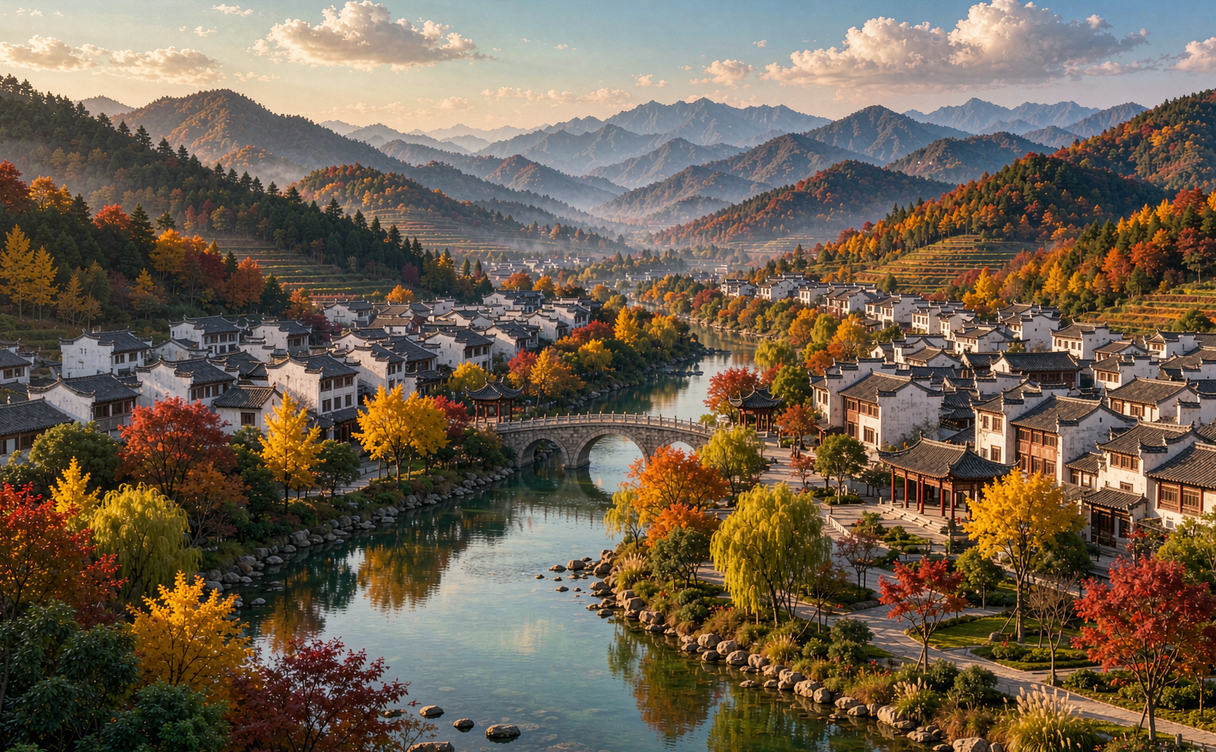
Autumn foliage in China: where and when
Timing autumn foliage in China is an art. Beijing’s ginkgo turns mid-to-late October; Huangshan’s maples peak early November; the northeast (Heilongjiang, Jilin) flames red in September. I once mistimed Heilongjiang by a week and caught bare branches — lesson learned: chase latitude northward as the season progresses. The south, by contrast, holds green longer, so save Yunnan and Guilin for late October or November. Our favorite ancient towns in China guide highlights walkable old towns that look their best in fall light, especially the water towns near Shanghai and the walled towns of the north.
China autumn travel tips
My essential China autumn travel tips:
1. Book late September–October early — it’s the second busiest season after summer holidays.
2. Layer clothing: warm afternoons, chilly dawns, especially in the mountains.
3. Watch the National Day holiday (Oct 1–7); domestic travel spikes and prices jump. Our China festivals guide explains the dates and what to expect.
4. Photograph at golden hour — autumn light is the year’s best, especially on the terraces and the Great Wall.
5. Carry a refillable bottle; the dry air is gentler than summer but still dehydrating.
6. Book sunrise spots in advance — Huangshan and the Wall both limit early access, and autumn sells out fastest.
Seasonal planning
Autumn is covered in depth in our best time to visit China comparison, and first-timers should read our China travel guide for first-timers before flights. If your dates are flexible, aim for the September 20–October 20 window and skip the National Day week for the calmest experience.
Three bonus autumn destinations
Beyond the core list, three spots deserve a mention when friends want something different:
- Kashgar and the southern Silk Road (Xinjiang, China): October is the single best month there — crisp air, golden poplars around the oasis towns, and the famous Sunday bazaar at its liveliest. Pair it with our Xinjiang, China travel guide if you want the full western loop.
- The Longji rice terraces (Guangxi): arguably the iconic autumn image in China, the paddies turn from green to gold between late September and early October, and the minority-village guesthouses make a peaceful base.
- Chengdu and the nearby mountains: warm days, clear skies, and an easy jump to the cool highlands if you want a quick altitude escape.
Each fits a relaxed autumn itinerary and adds color beyond the usual Beijing–Xi’an axis.
Food and harvest season
Autumn is harvest time: crabs from the Yangtze, fresh pears, persimmons, and new rice. I ate my weight in Shanghainese hairy crabs one October and have booked that trip every year since. Street markets in old towns overflow with dried chilies and nuts — perfect snacks for train rides. In the north, roasted chestnuts and sweet potatoes from street carts became my evening ritual, while Yunnan’s mushroom season (through September) is a culinary event worth planning around.
Budget reality for autumn
Autumn rooms cost more than summer in cool destinations but less than the spring peak. I budget about US$50–80 per night for mid-range hotels in smaller towns, US$100–160 in big cities during October, and US$25–40 per day for food. Flights from international hubs are reasonable in September and late October; the National Day week is the one period to avoid or book far ahead.
Photography and packing notes
Pack a light down jacket, comfortable walking shoes, and a camera with extra memory — you will use it. The terraces at sunrise, the ginkgo tunnels of Beijing’s imperial colleges, and the red maples of the south all reward patience. I also carry a small tripod for low-light Wall shots, and a foldable daypack for market finds.
A note on the National Day week
The one caveat to autumn is the Oct 1–7 National Day holiday, when hundreds of millions of domestic travelers move at once. Trains sell out weeks ahead, headline hotels double in price, and marquee sites like the Great Wall and the Forbidden City become shoulder-to-shoulder. My strategy: either arrive before September 28 or depart after October 8, and treat the holiday week itself as a slow, local, big-city stay rather than a touring sprint. The China festivals guide lists the exact dates each year so you can plan around them.
My verdict
China autumn travel offers the year’s best weather, color, and food, with manageable crowds outside the National Day week. If you can swing it, come in October — you’ll see mainland China at its most photogenic and most comfortable. Few experiences beat standing on a quiet stretch of the Great Wall as the leaves turn, or watching the terraces glow gold at dawn.