

An hour by high speed train from Beijing, Baoding is the Hebei city that history keeps bumping into. For centuries it was the seat of the Zhili governor, the official who answered directly to the emperor for the province wrapped around the capital, and the old administrative quarter still reads like a Qing dynasty civics lesson. A Baoding travel guide is a guide to that layered past, plus a base for the lakes, gorges and countryside that stretch south toward the Taihang foothills.
Most foreign visitors rush from Beijing to Chengde or the Great Wall and skip Baoding entirely. That is a shame, because the city is compact, cheap and rich with courtyards you can walk through without a ticket queue. If you want a Baoding to Beijing day trip that is the reverse of the usual crowd, this is the easy answer: sleep north of the capital, commute south, and be home before dark.
Getting to Baoding
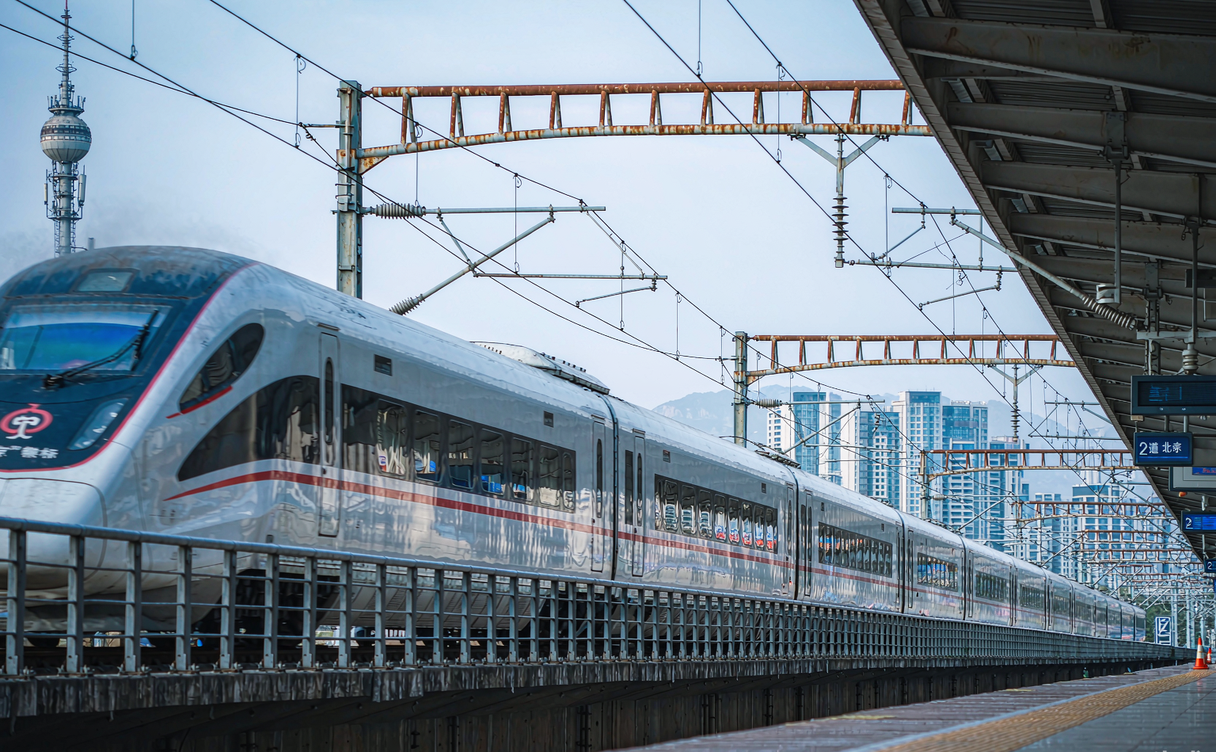
The high speed line from Beijing West reaches Baoding East in about 45 minutes to an hour, with frequent departures through the day. Our China high speed train guide for foreigners walks through buying tickets, the real name rules and which app to use, and the same account works for this run. From Baoding East a short taxi puts you in the old city, where most of the sights sit within walking distance of each other.
If you are building a wider Hebei loop, the Beijing first time travel guide covers the capital’s airports and transit you will likely start from, while the Chengde travel guide describes the former imperial summer capital to the northeast, an easy next stop by train. The Shijiazhuang travel guide points south to the provincial capital, useful if you want to continue the historic city thread.
The Governor’s Office and the old city
The headline sight is the Zhili Governor’s Office, the best preserved provincial government compound from the Qing dynasty still standing in China, which the Wikipedia page for the Zhili Governor’s Office describes in detail, including its layout of reception halls and prison wings. You walk a straight axis of courtyards from the ceremonial gate to the inner residence, and the scale tells you how much power sat here. Give it a slow hour; the side rooms hold exhibits on the officials who passed through.
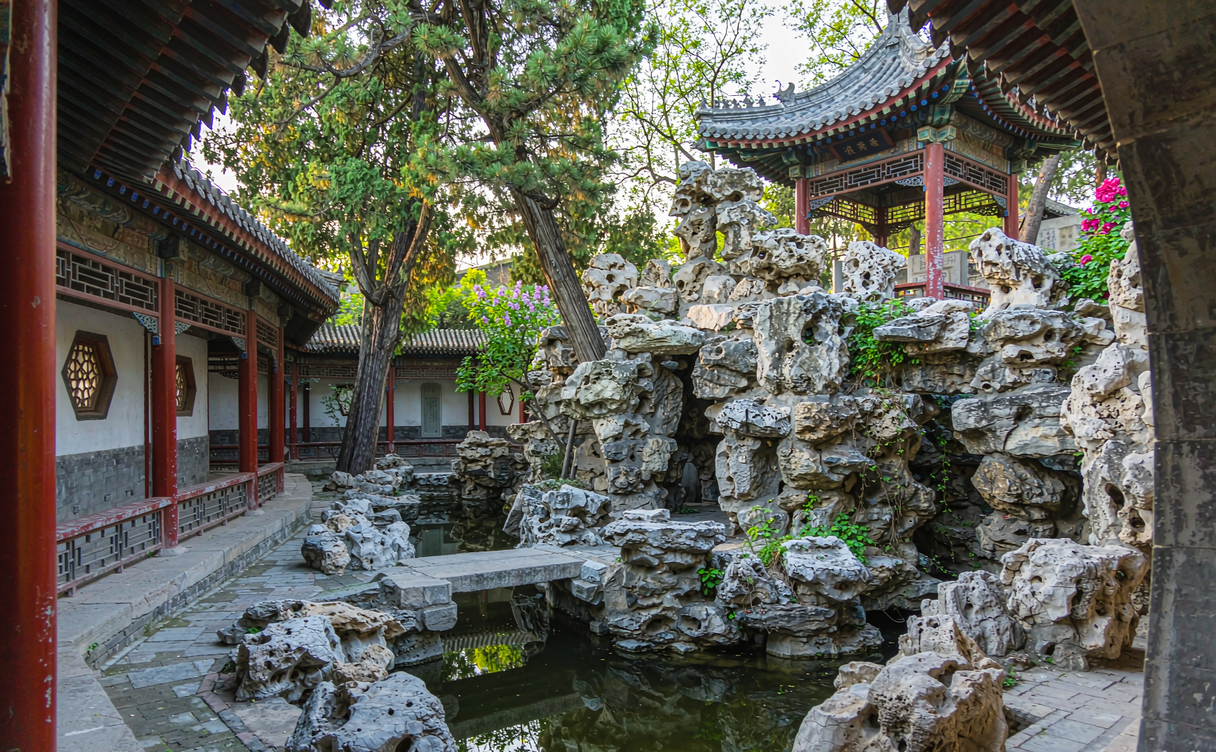
A few streets away, the Ancient Lotus Pond is a classical garden built around a quiet pool, with covered walkways, rockeries and a library pavilion that scholars once used. It is the calm counterpoint to the governor’s formality, and a good place to sit after the courtyards. The Baoding Military Academy site, a short ride out, was one of the earliest modern officer schools in China, and its museum explains the turbulent republican years with photographs and uniforms.
The Baoding ancient city core is walkable and unhurried, with the sort of low rise lanes where you find a breakfast stall before you find a map. This is the Hebei countryside near Beijing made approachable: not remote villages but a walled town that kept its bones while the capital sprawled. Mornings are best, when the light falls along the tiled roofs and the locals are doing tai chi by the pond. In the evening the lanes fill with slow foot traffic and the smell of roasted seeds, and a short walk east reaches a night market where the skewers are priced by the stick.
Baoding eats like the rest of the north: wheat noodles, stuffed bing, and a generous use of garlic and vinegar. The local specialty to look for is the braised donkey meat stuffed bun, a Hebei classic sold from steam carts near the old gates, and the sesame seeded cakes that go with it. Meals are cheap and fast, the portions are northern, and a bowl of knife cut noodles with tomato and egg makes a fine lunch between courtyards. Hotels in the old city are modest but clean, and you can comfortably base yourself on foot without ever calling a cab.
Lakes, tombs and gorges nearby
If you want to extend beyond the city, two excursions stand out. The Mancheng Han Tombs, carved into a hillside southwest of the city, hold the burials of a Han dynasty prince and his wife, famous for a jade burial suit sewn with gold wire that is now displayed in a nearby hall. The setting is cool and cave like, a strange, glittering contrast to the open courtyards of town.
To the north, Baiyangdian, the largest freshwater lake on the North China Plain, spreads into a maze of reeds, channels and fishing villages, best visited by boat in summer when the lotus is out. Closer to the Taihang edge, the Yesanpo scenic area offers karst gorges and rafting for travelers who want the Hebei countryside near Beijing with a bit of adventure. Both trips are doable as long day returns or as an overnight in a lakeside guesthouse. For travelers with a car, the loop from the Han Tombs north to Baiyangdian and then west to Yesanpo makes a satisfying two day drive through changing scenery, from carved stone to open water to red cliffs. Local drivers in Baoding charge reasonable day rates and save you the puzzle of rural bus timetables, which are posted only in Chinese and run thin in the afternoon. The reed beds of Baiyangdian are also the setting of a famous modern novel about the lake’s resistance fighters, which gives the boat ride a literary echo if you happen to know the story.
The best time to visit Baoding is spring, from April to May, and autumn, from September to October, when the air is clear and the courtyards are comfortable for slow walking. Winters are dry and cold with a grey light that suits the stone, summers hot but bearable thanks to the indoor sights, and the lunar new year brings temple fairs in the old town though trains fill, so book ahead if you travel then. A calm weekday in April, with the lotus pond just coming into leaf, is the most pleasant window of the year.
A simple Baoding travel itinerary runs two days. Day one: morning train from Beijing, the Governor’s Office, the Lotus Pond, an evening in the old lanes. Day two: Mancheng Han Tombs or Baiyangdian, then back to the capital or onward to Chengde. With a third day, add Yesanpo or continue south toward Shijiazhuang. The great wall Beijing day trip guide also pairs well if you want a wall morning before the courtyards.
Baoding is the kind of stop that rewards a loose plan. The sights are close, the food is northern Chinese without fanfare, and the hotels cost a fraction of Beijing. Learn the characters for the governor’s office and the lotus pond, keep a map app open, and let the courtyards set the pace. It is history you can walk through rather than read about.
For travelers who came for the wall and the Forbidden City, Baoding is the quiet extra chapter. The historic courtyards, the jade filled tombs and the reed lakes together make a Hebei that is older and calmer than the capital’s noise. Take the early train, stay a night, and see the province that once governed Beijing before Beijing governed everything.