

The first time I stepped out of Lhasa airport, the thin air hit me like a wall — and then the view of the Potala Palace glowing at dusk rewired something in my brain. Lhasa, Tibet, China is not a place you visit casually; it is a high-altitude city (about 3,650 meters) that rewards slow travel and good lodging. After three trips, I have learned that where you sleep in Lhasa shapes the whole experience. This guide to the best boutique hotels in Lhasa is built from those stays, with real prices, practical booking notes, and the honest pros and cons foreign guests should know. I have tested properties across price bands, and the character you get in a boutique stay here is unlike anywhere else in mainland China.
Why boutique, and why Lhasa?
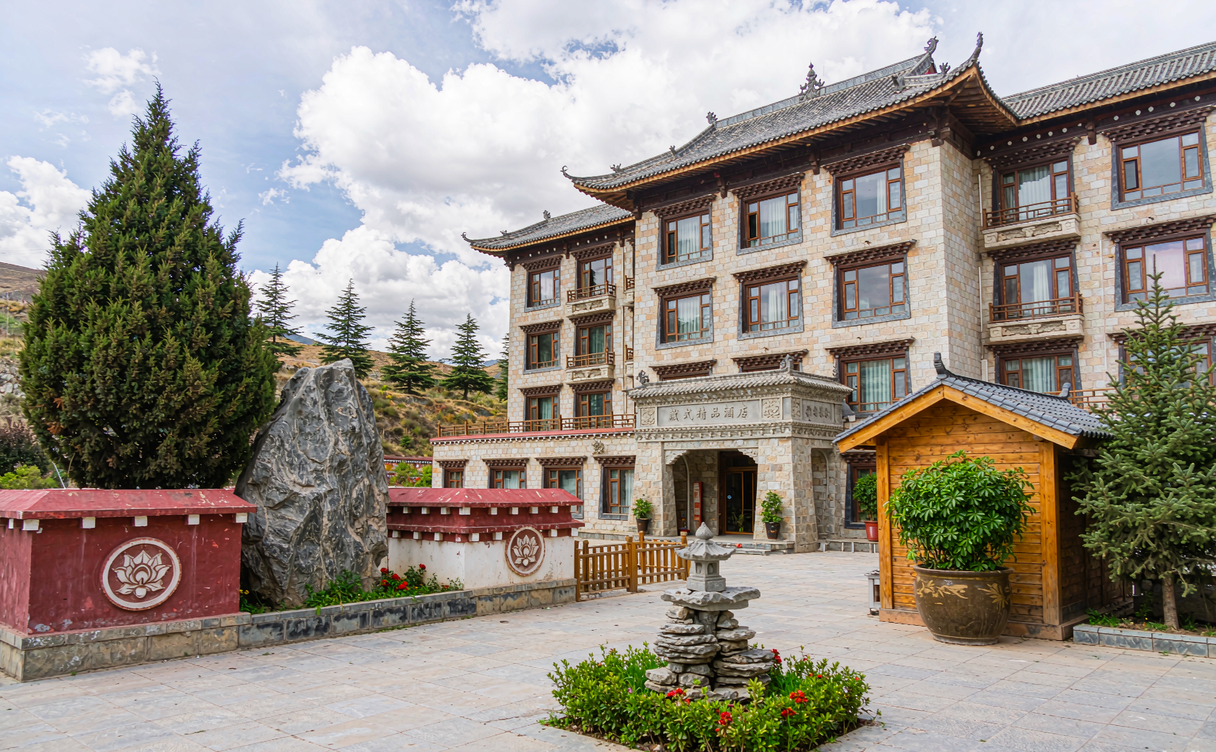
Unlike the international chain towers in China’s eastern cities, Lhasa’s charm lives in smaller, design-led properties that weave Tibetan aesthetics into modern comfort. A Tibetan style hotel Lhasa offers hand-carved wooden beams, prayer-flag courtyards, butter-tea lounges, and staff who gently help you acclimatize. For many travelers, that atmosphere is the point. If you want the larger chain experience, our guide to the best hotels in Lhasa covers the bigger options too.
The one permit you must handle first
Before talking rooms, the practical reality: foreign travelers need a Tibet Travel Permit, arranged through a registered tour operator, and you must travel with that operator inside Tibet, China. This is non-negotiable and affects your booking — most Lhasa Tibet boutique hotels will ask for your permit details at check-in. I booked mine via a Chengdu-based agency and flew in from Chengdu; our Chengdu travel guide explains why that city is the usual gateway. Plan at least 15–20 days ahead, because permits take time. Your operator typically delivers the permit to your Chengdu hotel the night before your flight, so build buffer into the schedule.
The old town stay: sleep next to the action
For atmosphere, nothing beats a Lhasa old town stay. Boutique hotels tucked into the lanes near Barkhor Street put you within walking distance of the Jokhang Temple and the spinning prayer wheels locals circle at dawn. Prices for a well-run boutique room here run US$60–130 per night, depending on season. I stayed in one such lane property where the rooftop looked straight at the Potala; mornings began with distant chanting and ended with a sunset over the fortress-like palace. The downside is thin walls and narrow alleys that taxis cannot enter, so pack light. One property I loved had just nine rooms and a tiny in-house altar; the owner personally walked me to the nearest tea house on my first morning.
The luxury boutique tier: US$150–350
The top of the luxury hotels Lhasa scene blends five-star service with Tibetan design — heated floors (essential at this altitude), oxygen-enriched lobbies, and saunas for acclimatization. Expect US$150–350 per night. One property I visited near the Norbulingka summer palace had a stunning inner courtyard, a library of Tibet books, and a restaurant serving both Tibetan and Western food. For travelers worried about altitude, these hotels’ built-in oxygen systems are worth the premium. Another I toured near the river paired hand-painted murals with a serious espresso machine — small comforts that matter when you’re adjusting to the elevation.
Mid-range boutique: US$70–140
A strong middle tier of best boutique hotels in Lhasa offers clean, heated rooms, friendly English-speaking staff, and a Tibetan breakfast (try the tsampa and sweet tea) for US$70–140. These are where I send friends who want character without splurge. Check that rooms have proper heating and double-glazed windows; Lhasa nights get cold even in summer. I once saved money here and spent the difference on a private guide to Drepung Monastery, which was the better trade.
Acclimatizing from your hotel base
Your hotel is your acclimatization headquarters. Arrive a day early, drink the complimentary oxygen if offered, skip the shower on night one (a quick cold-to-hot swing can trigger headaches), and walk slowly. Several boutique properties loan oxygen cans and offer free afternoon sweet-tea ceremonies, which doubled as my favorite ritual. Hydration stations in the lobby are common; I carried a refillable bottle everywhere.
Where to stay: a quick decision guide
- Want atmosphere and walkability? Choose the old town.
- Want comfort and altitude support? Choose a luxury boutique near Norbulingka or the river.
- Want value? Choose a mid-range boutique a short taxi ride from the center.
Deciding where to stay in Lhasa really comes down to how much you value being inside the old town versus sleeping well at altitude.
Timing and altitude
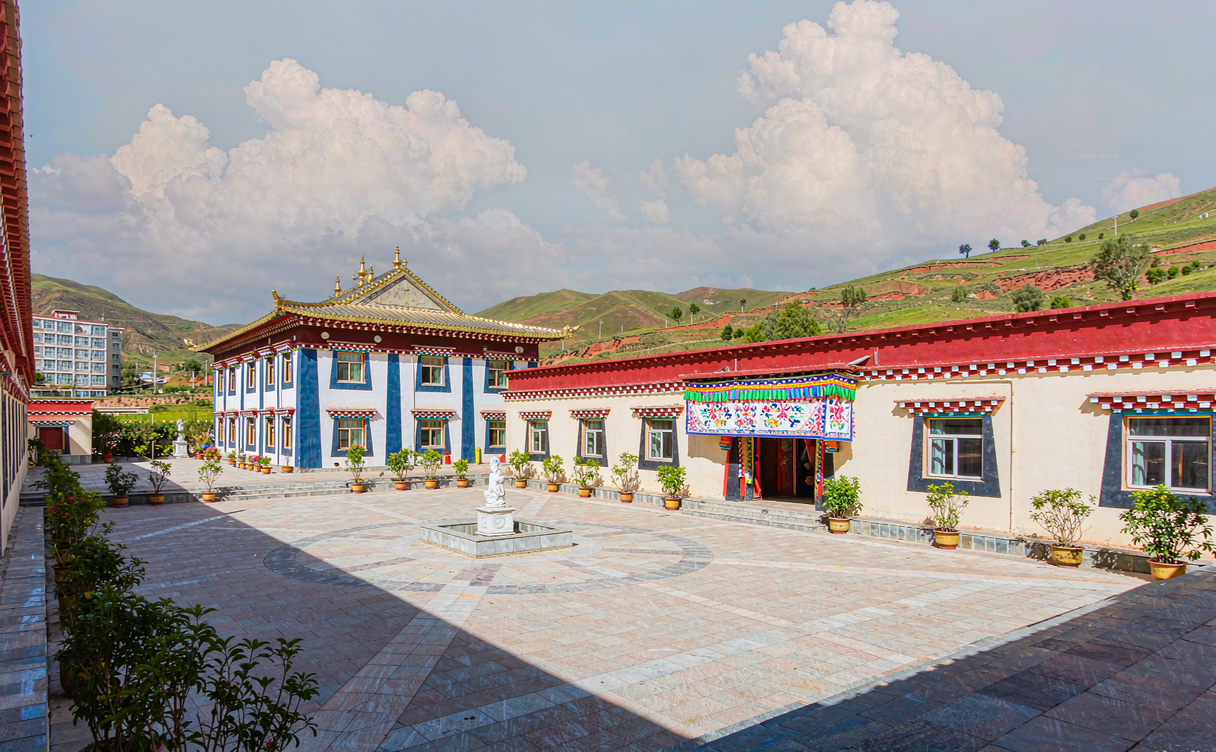
The most comfortable months are April–June and September–October, with clear skies and manageable crowds. Our best time to visit China guide breaks this down by region, and note that winter in Lhasa is brutally cold but stunningly empty. Whatever season, arrive a day early, rest, hydrate, and avoid heavy exercise for the first 24 hours. Winters can drop below freezing at night, so the heated-floor boutiques become essential rather than optional.
Beyond Lhasa
Lhasa is usually the start of a wider Tibet, China journey — Shigatse, the high lakes, the monasteries. If you are also curious about China’s other dramatic western region, our Xinjiang, China travel guide covers another vast landscape entirely. And for first-timers to the country, our China travel guide for first-timers is the place to start.
The sight you cannot miss
The Potala Palace, the former winter residence of the Dalai Lama, is a UNESCO World Heritage site and the visual heart of Lhasa. Visiting requires advance timed tickets, and the climb is steep — take it slowly. You can read the official heritage description at the UNESCO Potala Palace listing before you go.
Food, cost, and daily life
Inside boutique hotels you’ll find Tibetan, Sichuan, and Western options; a hotel dinner runs US$15–30 per person. Step outside and a bowl of thenthuk (hand-pulled noodle soup) costs under US$4. I loved starting days with butter tea in the lobby before wandering Barkhor. Many boutique hotels also lend oxygen cans and offer free afternoon sweet-tea ceremonies. For payments, Alipay works at most shops, but carry some cash for the small stalls around the temple.
My honest take
The best boutique hotels in Lhasa are not the cheapest sleeps in China, but they deliver something rare: a sense of place. After long days of temples and altitude, returning to a courtyard strung with prayer flags and a heated room felt like a reward. Choose character over square footage, and Lhasa will stay with you.
Final tips before you go
Bring a good moisturizer (the air is painfully dry), slip-on shoes for temple visits, and a copy of your passport and permit at all times. Tipping is not expected. And build in rest days — Lhasa is best absorbed slowly, from a comfortable base you actually like.