

We have sent travelers to Xichang precisely because almost no one else does, and in our experience that is the point. This Xichang travel guide covers a highland city in southern Sichuan where a calm lake, Yi minority culture, and one of China’s busiest rocket bases sit within an hour of each other. Xichang is warm and sunny when Chengdu is grey, which is why locals call it the “Little Spring City.” It is an easy add-on to a Sichuan loop if you want nature without the altitude of the far west.
Things to do in Xichang
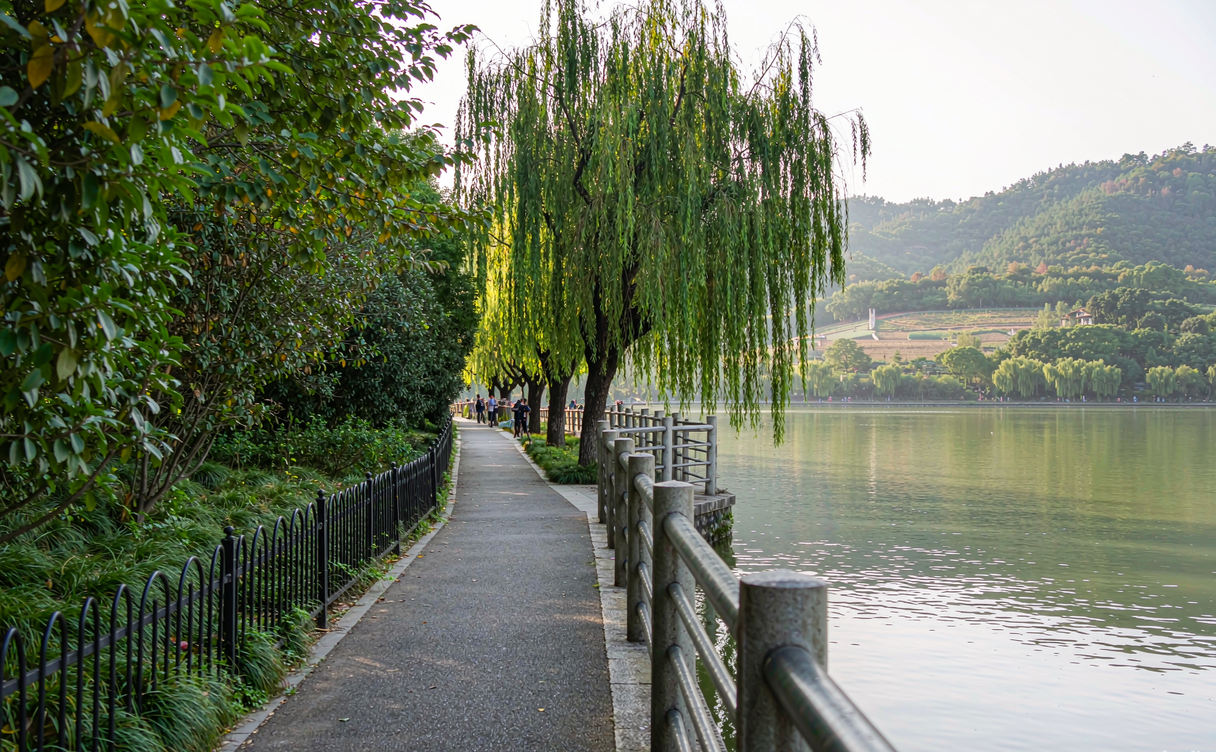
The centerpiece is Qionghai Lake, a shallow highland lake ringed by a 36-kilometer boardwalk and bike path. A flat lakeside ride or walk takes two to three hours and costs almost nothing; rented e-bikes run 30 to 50 RMB a day. The Qionghai Lake Xichang loop passes fishing villages, lotus ponds in summer, and the Moon Lake wetland on the northwest shore. Up the hill, Lushan Park gives a panorama over the lake and the city’s red-tiled roofs. For culture, the Liangshan Yi Slave Liberation Museum and the old town’s Yi embroidery stalls are the best introductions to the region’s largest minority group. We tell travelers to save one evening for the lakeside music fountain square, which lights up after dark.
Xichang satellite launch center tours
The Xichang satellite launch center tours are the city’s headline novelty. The base sits about 60 kilometers northwest, and during scheduled launches the area opens designated public viewing zones where you watch a Long March rocket climb on a column of fire — a genuinely jaw-dropping sight. Tours must be booked through authorized agents or your hotel, never independently, and launch dates are announced only days ahead, so stay flexible. A viewing-plus-transfer package runs 200 to 400 RMB per person; bring warm layers, because nights on the plateau get cold even in summer. We have found that coupling the lake by day with a possible launch by night makes Xichang feel unlike anywhere else in Sichuan.
How to get to Xichang
How to get to Xichang is straightforward. The high-speed rail from Chengdu takes about 3 to 4 hours (150 to 260 RMB) and drops you at Xichang West station, 20 minutes from the lake by bus or DiDi. Flights reach Xichang Qingshan Airport from Chengdu, Kunming, and a few other hubs; the airport is 30 minutes from the city center. Within town, e-bikes and ride apps cover the lake loop, and a green bus runs the ring road for 2 to 5 RMB. If you are building a wider Sichuan route, our Chengdu travel guide is the natural hub before the southward train.
Best time to visit Xichang
The best time to visit Xichang is March to June and September to November, when days are sunny and 20 to 28°C, and the lake is at its clearest. Winters are dry and bright — a popular escape from Sichuan’s grey season — though nights dip near freezing. July and August bring the rainy peak and the most launch activity, but also humidity and the occasional washed-out view. We avoid national holidays; otherwise Xichang stays pleasantly uncrowded year-round.
Food and local culture
Xichang eats like a cross of Sichuan and Yi highlands: lake fish (Qionghai carp, steamed or in sour soup), roast goat, and buckwheat pancakes alongside the usual mapo and gongbao. A lakeside fish dinner for two runs 120 to 280 RMB. The Yi minority’s embroidery, silver, and torch-festival culture (around the lunar June 24) are worth timing a visit around; the torch festival turns the lakefront into a night of fire and dancing. We steer travelers to the morning market near the old town for smoked meats and wild mushrooms in season.
Side trips worth the haul
From Xichang you can reach Lugu Lake, a stunning plateau lake shared with Yunnan famous for its mosuo culture and cinematic blue water — our Lugu Lake Yunnan guide covers the logistics. The far west of Sichuan pulls toward the snow peaks of Daocheng Yading, detailed in our Daocheng Yading Sichuan guide, though that demands more altitude acclimatization than Xichang’s gentle 1,500 meters. We treat Xichang as the gentle warm-up before those bigger mountain goals.
Practical tips
Xichang’s altitude is low enough that almost nobody feels it, which is exactly its advantage over the high alpine peaks of western Sichuan. Carry cash for market stalls; Alipay and WeChat Pay cover the rest. The lake wind picks up after noon, so ride in the morning and picnic at dusk. We have found three days is the sweet spot: a day on the lake, a day for the launch base or a Lushan hike, and a day tripping toward Lugu or just relaxing lakeside. The lake’s west shore is the quiet alternative to the busy east boardwalk — fewer vendors, more egrets, and better sunset angles. Bring binoculars if you like birding, because Qionghai sits on a migration path in spring and autumn, and the lakeside barbecue stalls at dusk do a mean grilled tofu and maize if you want a cheap, cheerful alternative to a sit-down meal.
Where to stay lakeside
Base yourself on the east or north shore of Qionghai for sunrise walks straight off your balcony. Lakeside guesthouses run 200 to 400 RMB a night; the bigger resort hotels with heating and bikes are 450 to 800 RMB. The city center is 10 minutes away by e-bike and cheaper, but you lose the lake calm. We book lakeside for first-timers so the boardwalk is a step from the room, and it makes the early-morning ride the easiest part of the day rather than a commute.
A sample daily budget
A day in Xichang runs: 200 to 400 RMB for a lakeside room, 50 to 100 RMB for food (the lake fish dinner pushes it higher), 30 to 80 RMB for e-bike rental and local buses, and 200 to 400 RMB if a launch viewing is on. Two people can do three easy days for 1,200 to 2,000 RMB all-in excluding rail. It is one of Sichuan’s cheapest scenic stays, which is part of why locals from Chengdu treat it as a low-cost warm-weather reset.
Health, altitude and timing
At 1,500 meters you will not feel altitude, but the plateau sun is strong — sunscreen and a hat are non-negotiable, and dehydration sneaks up on hikers. The lake wind is cool even in warm months, so pack a light layer for the evening boardwalk. If you are combining Xichang with Daocheng Yading or Lugu Lake, spend a night here first to ease into the region before the higher passes. We have found travelers who acclimatize in Xichang enjoy the far west far more.
Festivals and photography
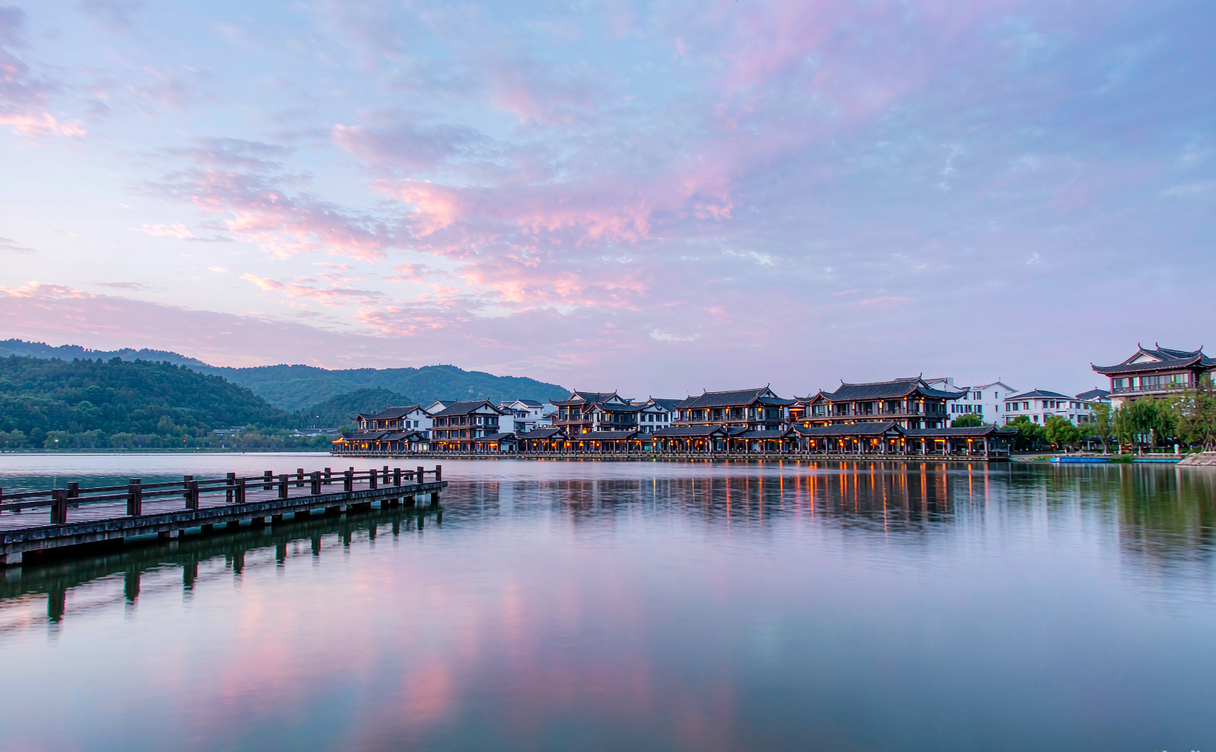
The Yi torch festival, around lunar June 24, is the headline event — fire, dance, and markets across the lakefront — and worth planning around despite the heat. For photos, dawn on the northwest boardwalk is glassy and empty; the Moon Lake wetland glows at sunset; a launch night needs a tripod and a clear horizon. We tell photographers to keep one morning free with no plan beyond the lake light, because that is when Xichang looks most like the postcards.
Want a full Sichuan circuit? Our Sichuan 7-day itinerary shows how to stitch Xichang, Chengdu, and the western peaks into one route.
Timing the weather across the province? Our best time to visit China guide maps the seasons that keep Xichang’s lake and launches clear.
Riding the rail from Chengdu? Our China high-speed train guide for foreigners walks you through booking Xichang West without the usual friction.
For the city’s background, the Xichang page on Wikipedia covers its climate, the Liangshan Yi region, and the launch center’s history.