

Jinan calls itself the “Spring City” (Quancheng), and the nickname is literal: more than seventy named artesian springs bubble up through the urban core, feeding the moat, the canals, and the famous Baotu Spring that has flowed without pause for a thousand years. In our experience Jinan is the most under-rated stop in Shandong — a calm, green capital that makes a perfect base between the coast and the sacred mountain. The phrase best hotels in Jinan for most visitors means a spring-belt room in Lixia, because that is where the water — and the whole point of the city — actually is.
Where to stay in Jinan: spring belt vs. rail edges
Where to stay in Jinan splits between the central Lixia District — wrapping Baotu Spring, Daming Lake, and the business boulevards — and the high-speed rail edges at Jinan West and Jinan East. Lixia is the obvious base: you walk to the springs, the lake, and the best restaurants, and the metro Lines 1, 2, and 3 meet near the center. The rail-station districts suit travelers arriving late from Beijing or Qingdao, or using Jinan as a one-night hinge to Mount Tai. We have based first-timers in Lixia every time, and only routed overnight rail connections to the station hotels. For the full district map, our Jinan travel guide covers the spring belt and the metro interchanges.
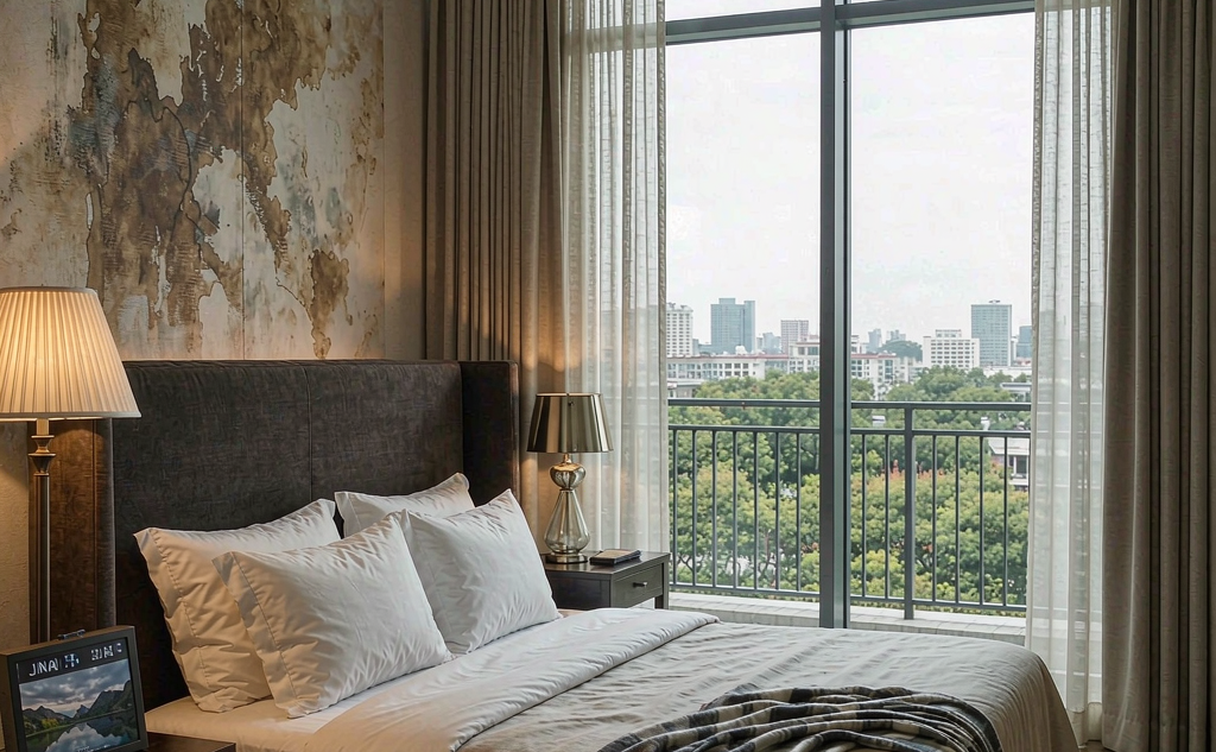
Jinan spring city hotels near the springs
The best Jinan spring city hotels sit within a 10-minute walk of Baotu Spring and the spring-fed canal that runs to Daming Lake. The Shangri-La Jinan anchors this belt with a central location, a pool, and club floors; deluxe rooms run ¥800–1,200 in peak season. The Sofitel Jinan Silver Plaza and the Crowne Plaza Jinan city-center property serve the business crowd with polished lounges and dependable breakfasts, typically ¥650–1,000. For a Jinan luxury hotels experience with a view, we look at the smaller Lixia houses a block off the spring park, where a balcony can overlook the flowing water — a detail worth naming in writing, since “central” does not always mean “spring view.” A Jinan hotel near Baotu Spring specifically means a Lixia address; our Baotu Spring guide maps the park gates and the best photo spots a few minutes’ walk from any of these.
Jinan budget stays and station picks
Jinan budget stays follow the national pattern: Atour, Vienna, HanTing, and Home Inn line the metro and the railway stations, with private rooms from ¥160–300 including breakfast. If you arrive at Jinan Yaoqiang Airport (TNA, ~40 km north) or the central railway station, a station-area room saves a transfer; if your goal is the springs, book in Lixia and DiDi the last mile. A key logistics note: high-speed rail puts Beijing 1.5–2 hours north, Qingdao 2.5 hours east, and Tai’an (Mount Tai) under 30 minutes south, so Jinan is an effortless hinge. Non-Chinese passport holders should confirm “foreigner-friendly” (外宾接待) at smaller inns, as a few are not licensed for overseas guests. The lake is the evening showpiece, and our Daming Lake guide maps the moat boat route that links it to Baotu Spring, an easy walk from every Lixia hotel.
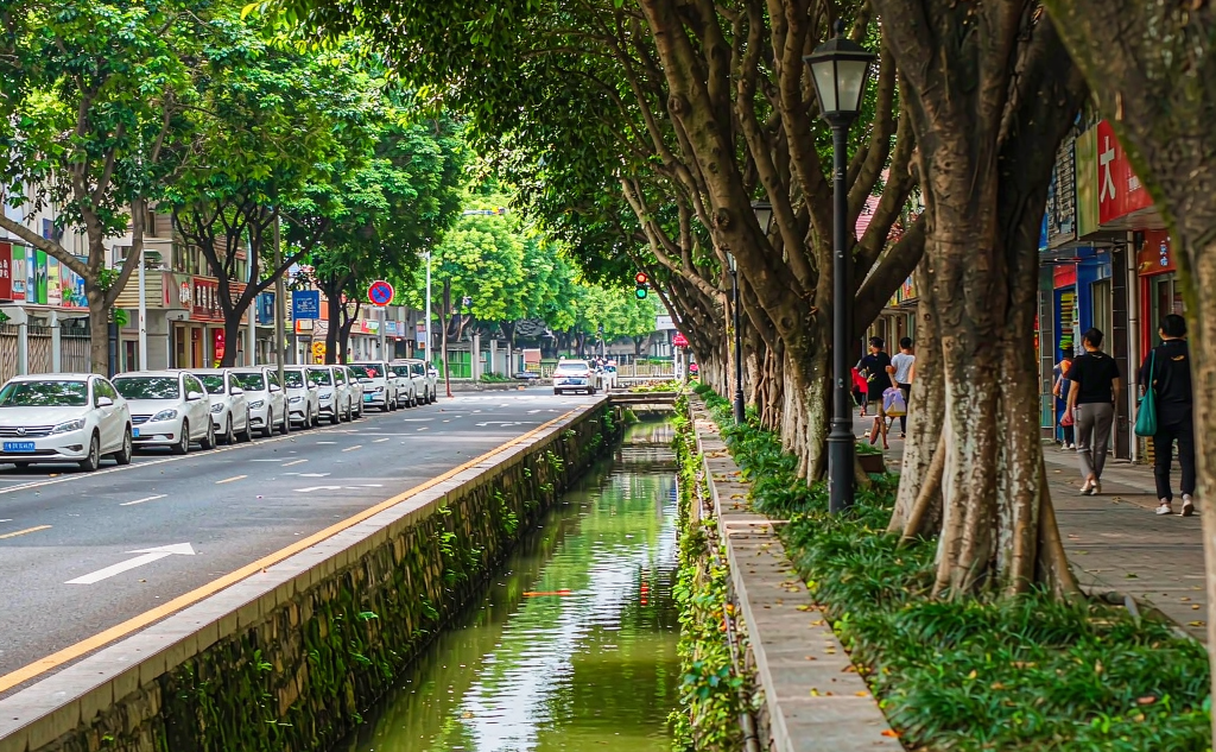
Daming Lake, Mount Tai, and the coast link
A Jinan stay pairs naturally with the landmarks just beyond the center. Daming Lake, a large spring-fed lake inside the old city, is walkable from every Lixia hotel and is the city’s evening showpiece. South of the city, Mount Tai — Shandong’s sacred peak — is a half-hour high-speed ride to Tai’an, an easy day or overnight climb; see the Mount Tai Shandong guide for the ascent plan. And east along the coast, Qingdao offers a seaside contrast that we routinely chain after Jinan; compare rooms in best hotels in Qingdao and build the leg with the Qingdao travel guide. Background on the city’s signature spring is on Wikipedia’s Baotu Spring page if you want the hydrology before you go. We usually tell first-timers to spend one night in Jinan, climb Tai in the morning, and roll into Qingdao by afternoon — a compact Shandong loop that rarely disappoints.
Timing, transport, and prices
The best windows are April–May, when snowmelt from the Taihang foothills swells the springs to their most dramatic flow, and September–October, when the air is crisp and the lake is calm. Summer is hot but the springs stay cool; winter is cold yet the artesian water flows year-round at a constant temperature, so the city never loses its character. Rates peak during the October National Day holiday and the May holiday; the soft weeks in April and November are the value window. Within the city, metro Lines 1–3 and DiDi (¥10–25) cover everything, and the spring-belt hotels mean you rarely need a ride at all. We usually pair a Jinan night with a Qingdao coastal finish and a Mount Tai morning for a compact Shandong loop first-timers love, and the rail connections make the whole thing almost frictionless.
What to expect in the room
Jinan hotels track the national standard: kettle, slippers, thermos of boiled water, and a free breakfast of congee, noodles, and Shandong wheat cakes. The spring-belt luxury houses add pools, club floors, and — at the best addresses — a water view. One Jinan-specific note: the city’s tap water is spring-fed and famously soft, which regulars claim is why the tea tastes better, so we steer visitors toward properties that lean into local sourcing and a proper tea set rather than the generic buffet. If you want the postcard, book a room that names the spring or the lake in the description, not just the district, because a Lixia address can still sit a block from the water and miss the whole point of staying in Spring City.
Booking tips that save money and stress
Rates in Jinan are quoted per room with tax and breakfast included, and the free morning spread of congee and Shandong wheat cakes is standard even at the budget tier, so the price you see is the price you pay. We tell spring visitors to book the Lixia room with free cancellation, because the April snowmelt that swells Baotu Spring also draws domestic crowds, and a flexible rate lets you shift a night if the lanes get busy. Loyalty members at the global chains often get a club-floor upgrade mid-week, which adds a lounge and a pool to a ¥800 room for free. The clearest saving is the shoulder season: the same spring-belt room that runs ¥1,200 in the May holiday drops to ¥800 in a quiet April or November week, enough to cover a moat boat ride and a spring-side dinner. For the Mount Tai climb, we book Jinan as the hinge and never the mountain itself, because a Lixia room plus a 30-minute train beats a cold Tai’an hotel every time, and you keep the soft spring water at your door.
A quick neighborhood cheat-sheet
One night only: book Lixia and walk to Baotu Spring at opening. Two nights: add the springs evening boat on Daming Lake and keep the same room. Rail hinge: Jinan West or East saves a transfer to Tai’an or Qingdao. We have refined this over many bookings, and the pattern is steady — the spring belt is the stay, the station is the stopover — so pay for the Lixia address once and you get the city’s signature for free. Jinan rewards travelers who treat the water as the attraction rather than a backdrop.
Lock in a spring-belt room: compare neighborhoods and live rates in our best hotels in Qingdao guide as a coastal benchmark, and reserve your Jinan base early if you are traveling during the April spring-flow peak.
Build the Shandong loop with our Qingdao travel guide for the seaside finish, and climb Mount Tai at dawn between the two cities for a route we recommend to first-timers.
Plan the springs first: read our Mount Tai Shandong guide for the ascent, then book Jinan as the hinge and Qingdao as the coast so the whole province strings together on high-speed rail.