

Most travelers blow through Gansu’s Hexi Corridor chasing the headline acts — the rainbow mountains at Zhangye, the fort at Jiayuguan, the caves at Dunhuang. On our last sweep west along the old Silk Road, we built in a two-night pause at Jinchang, and it turned out to be one of the strangest, most photogenic stops in the whole province. This is a Jinchang travel guide written from the ground, not from a brochure, and the short version is this: a mining city that reinvented itself around a Martian landscape and a summer sea of purple flowers.
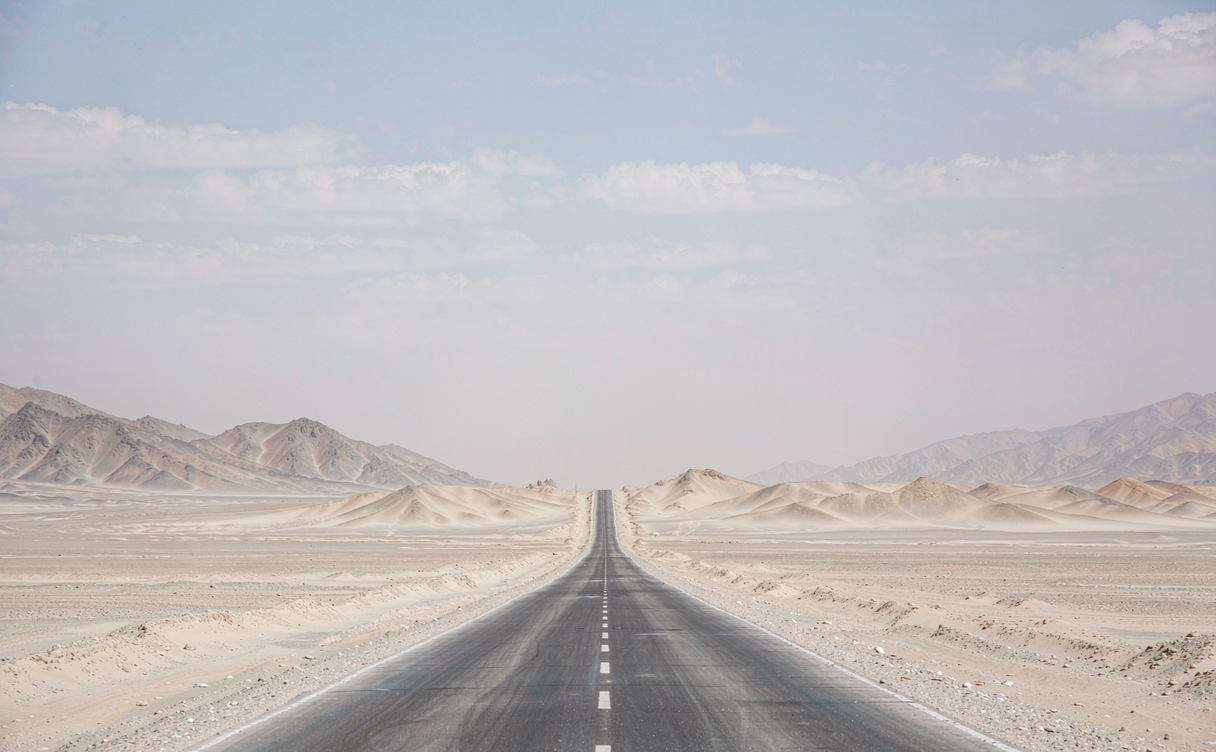
Jinchang sits in north-central Gansu, roughly halfway between Wuwei and Zhangye, on the southern edge of the Badain Jaran Desert. The city itself is functional and a little gritty, but step outside it and you hit terrain that looks like it was lifted from another planet. The government leans hard into that identity — there are “Mars” themed roads, a planetarium, and a fully built Mars simulation base where you can suit up and pretend you’ve colonized the red planet.
Getting there and getting around
Let me be practical about how to get to Jinchang, because it is not a place with its own major airport. The nearest serious air hub is Lanzhou (about 350 km east), but most international and domestic travelers actually approach from the corridor itself. The cleanest rail option is the high-speed line: trains from Lanzhou West to Jinchang North take around 3 to 4 hours, and there are also frequent services from Zhangye (under an hour) and Wuwei (30–40 minutes). If you are building a Silk Road route, you can simply hop off here between Wuwei and Zhangye rather than backtracking. See our Wuwei travel guide for the eastern anchor of this stretch.
Within the city, Didi and local taxis are cheap and plentiful. The catch is the attractions: the Mars base (called the Jinchang Mars Base or 火星1号基地) is out in the desert about 40 km from the city center, and the lavender fields at the Purple Gold Flower Sea (紫金花城) are closer, roughly 15 km out. For both, we recommend hiring a car for the day — figure on ¥200–¥300 for a driver, which is far simpler than wrestling with sporadic rural buses. If you are on a longer self-drive, Jinchang makes a natural China Silk Road itinerary overnight.
The Mars simulation base
The Mars simulation base — locally called the Jinchang Mars Base, or 火星1号基地 — is the reason most curious travelers detour here, and it does not disappoint if you set expectations right. This is not a serious astronaut training facility — it is a part-educational, part-theme-park experience built among genuinely Martian-looking rust-colored hills. The main dome has simulated living quarters, a control room, and a “capsule” sleeping area. Tickets run around ¥100–¥160 depending on whether you add the VR and spacesuit photo package. We’ve sent families here who came out grinning; the kids get to wear mock pressure suits and “walk on Mars” on a boardwalk laid over the rusty scree.
Timing matters. Go mid-morning for the flattest light and fewest tour groups, and bring a scarf — the desert wind picks up by early afternoon and the red dust gets everywhere. The landscape around the base is the real draw; even without going inside, the drive out past the strangely eroded ridges is worth the trip.
The flower sea and the “Jinchang stopover” logic
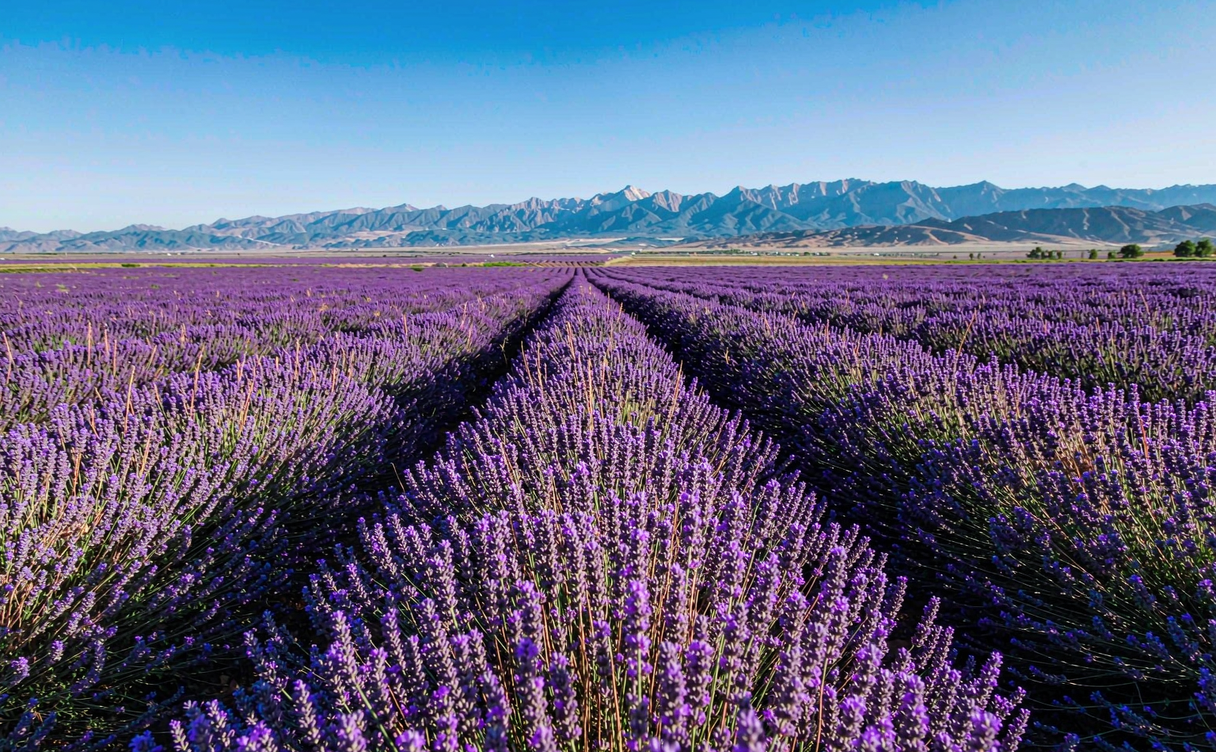
Here is the part most guidebooks miss. Jinchang brands itself the “City of Purple” (紫金花城), and for good reason. Every summer the surrounding plateau erupts in lavender, rape, and cosmos. The Jinchang flower sea season runs roughly from late June through early August, peaking in mid-July. During those weeks the fields outside the city are a rolling purple and gold carpet, and the local government even stages a lavender festival. If your trip lands in that window, Jinchang jumps from curiosity to genuine highlight. Out of season, the fields are plain farmland — still pleasant, but not the postcard.
This is why we frame Jinchang as a Jinchang stopover on the Hexi Corridor rather than a destination you fly across the country to reach. It slots perfectly between the Zhangye Danxia rainbow mountains to the west and Wuwei to the east. Spend one night for the flowers and the Mars base, and you’ve added a surreal, low-cost memory to an otherwise classic route. Pair it with the Gansu Jiayuguan Fort further west and you have a coherent corridor loop.
When to go
The single most important planning question is best time to visit Jinchang, and the answer is narrow but rewarding: late June to early August for the flowers, or September to early October for crisp desert light and the harvest glow without the summer crowds. Winters here are brutal — temperatures regularly drop to -15°C and the wind cuts straight through you. Spring (March–May) brings sandstorms. We generally tell people to aim for July if flowers are the goal, or late September if they want the Mars landscape in peace.
For background on the corridor’s history and why this route mattered for millennia, the Silk Road overview on Wikipedia is a solid read before you go.
Where to stay and what to eat
Jinchang is a small city, so don’t expect five-star international chains — but the mid-range options are clean and good value. The central districts near the Jinchuan district government area have the best cluster of hotels; expect ¥200–¥400 a night for a comfortable business hotel. If you are doing the Mars base as a once-in-a-lifetime thing, consider the on-site “Mars cabin” overnight experience (book ahead, ¥400–¥600 with meals), which our travelers have described as gloriously gimmicky but fun.
Food in Jinchang is hearty Gansu corridor cooking. The signature is lamb — hand-grabbed mutton (手抓羊肉) served with raw garlic and flatbread, and niurou mian (牛肉面), the Lanzhou-style beef noodle soup that you’ll find on every corner for ¥10–¥15 a bowl. In summer, the lavender shows up in ice cream, honey, and tea sold at the flower-sea entrance; it’s touristy but the honey is genuinely good. For a deeper dive into the wider northwest palate that bleeds into Gansu, the corridor’s halal and lamb traditions are well covered across our regional guides.
A suggested two-day plan
Day one: arrive from Zhangye or Wuwei by late morning, check in, then drive out to the Mars base for the afternoon. Dinner on beef noodles back in town. Day two: if it’s July, spend the morning at the Purple Gold Flower Sea for photos before the light hardens, then either continue west to Jiayuguan or loop back east. If you have a third day, the nearby Dunhuang Mogao Caves guide is the grand finale of any corridor trip, about four hours further west by train.
Off the beaten path
Jinchang will never make a “top 10 China” list, and that’s exactly its charm. It is the kind of place that rewards travelers who like a weird photo and an empty viewpoint. For more on this style of travel, browse our China off the beaten path guide, which is where Jinchang properly belongs.
Practical tips before you go
Carry cash for the rural stalls; the flower-sea vendors don’t always take foreign cards. Sunscreen is non-negotiable — at this altitude and latitude the UV is fierce even on cool days. And give yourself buffer time: trains along the corridor are frequent but not hourly, so check the schedule the night before. With a little planning, Jinchang delivers one of the most unusual 24 hours in all of northwest China.