

China rewards short trips the way few countries do, because the high speed rail network puts a different city within reach in the time it takes to watch a movie. If you are based in Beijing or Shanghai and have a free Saturday and Sunday, the China weekend getaways question is less about whether to go and more about which direction. For China short break ideas, the high speed rail is the answer, and the best China weekend destinations split neatly by rail time from the two hubs. We have sent hundreds of visitors on one and two night loops, and these easy China getaways share one trick: match the rail time to your appetite for motion. A China 2 day trip works best when you pick one base and stay put rather than chasing three cities.
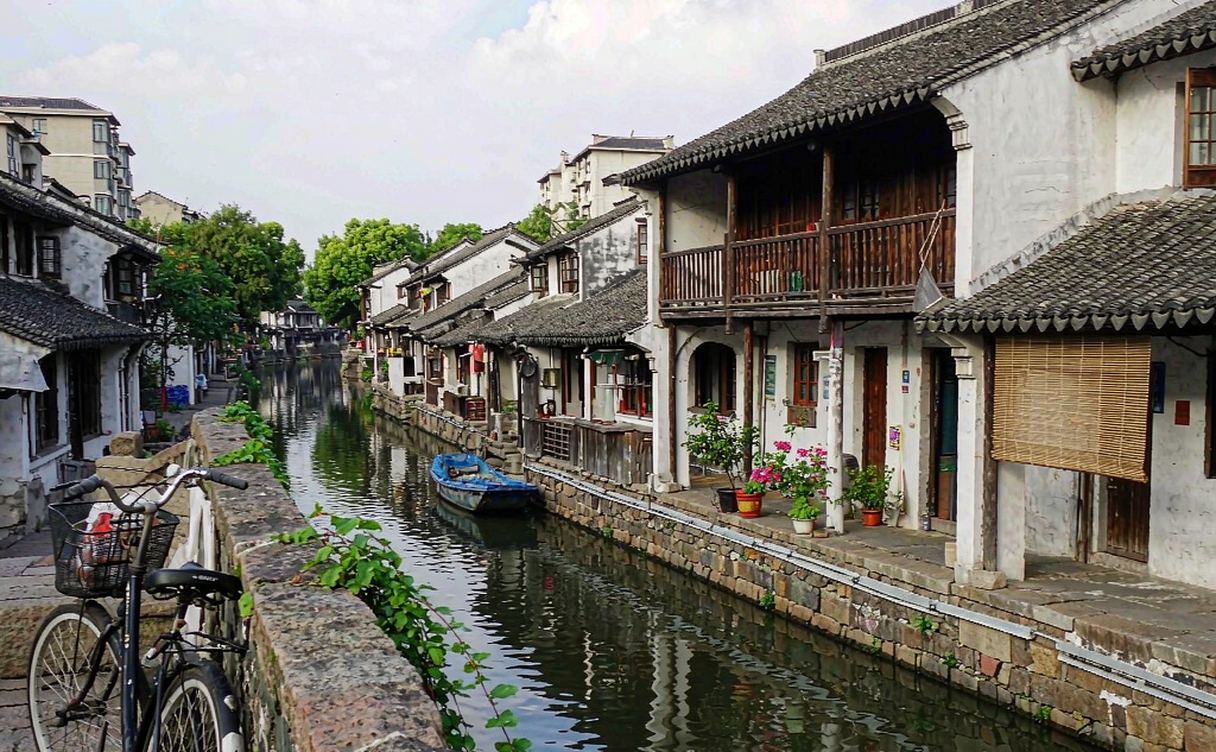
From Shanghai, the classic weekend trips from Shanghai start with the closest escapes, which are almost absurdly easy. Suzhou sits twenty five minutes out on the high speed line, and the classical gardens plus the canal town of Tongli nearby make a clean one nighter. Zhujiajiao, a water town on the metro edge of the city, is under thirty minutes and needs no train booking at all. These are the within one hour options, and our best water towns near Shanghai guide maps the lanes, the boat rides, and the teahouses worth the walk. The plan is simple: leave Saturday morning, walk the gardens or the canals, eat the noodles, sleep in a restored shophouse, and drift back Sunday before dark. Ticketing is trivial because the frequencies are every few minutes; buy at the station or on the app, and you will never be stranded.
Hangzhou and Nanjing fill the one to two hour band from Shanghai. Hangzhou is about seventy five minutes, and the West Lake alone justifies the trip, with a bike loop, the tea hills of Longjing, and a sunset cruise. Two days there look like this: Saturday on the lake and the old streets, Sunday morning in the tea villages, train back by midday. Nanjing, roughly ninety minutes, gives you the city wall, the memorials, and a food scene that punches above its size; do the wall and the Confucius temple on day one, the museums on day two. Both cities run trains every half hour, but book the return Sunday by Friday because the evening slots fill with weekenders. The China high speed train guide for foreigners walks through the app, the seat classes, and the ID rule that catches people out.
The two to three hour ring from Shanghai reaches Huangshan, the yellow mountains, around two and a half hours plus a bus from the station to the base. This is the ambitious weekend: arrive Saturday late morning, ride up the cable car, sleep on the summit or just below, watch the sunrise over the granite peaks, and descend Sunday for the train home. It is tight, so book the summit hotel weeks ahead and check the weather, because clouds wipe out the view. Ticketing here needs planning because the fast trains to Huangshan are fewer and the popular departures sell out; buy as soon as the thirty day window opens. For travelers who like the road less paved, the China off the beaten path guide lists the smaller bases that deserve a weekend but sit outside the standard brochures.
From Beijing, the weekend trips from Beijing begin with the one hour belt, Tianjin, thirty minutes south, a city of European style squares, a riverwalk, and better seafood than the capital. A Saturday there is the concession architecture, the morning market, and the Haihe at night; Sunday is the museums and the train back. Qufu, the hometown of Confucius, sits about an hour and a half out and makes a focused one nighter: the temple, the cemetery, and the manor, all walkable. Chengde, the old summer capital with its vast resort and temples, is roughly an hour to an hour and a quarter and suits a two day slow trip.
The two to three hour ring from Beijing reaches Tai’an and Mount Tai, about two hours, for the classic sunrise climb, and Datong, around two hours, for the Yungang caves and the hanging temple, a longer but richer two day. Pingyao, the walled Ming town, is near three hours and rewards a full Saturday and Sunday with its intact streets and night watchtowers. These farther hops share a booking rhythm: the popular morning departures sell out first, so grab them the moment the window opens and pick a hotel within a cab of the station.
The logistics are the same each time. Book the outbound Friday or Saturday morning and the return Sunday by midday, because that is when everyone else travels and the fast trains cap out. Carry your passport for the station check, match the name exactly to the ticket, and arrive twenty minutes early; the gates close a few minutes before departure and there is no running back. The Shanghai two day itinerary we keep shows how to stack a city break without wasting the morning, and the Beijing three day itinerary does the same for the capital before you peel off on a rail escape.
The practical weekender packing list is short but specific. One small roller or a backpack is enough for one night, and a second outfit for the restaurant beats the jeans you traveled in. Carry your passport, because the station gate reads it against the ticket and a hotel may need it at check in too. A translation app covers menu reading in the smaller towns where English signs thin out, and a power bank keeps the rail app alive through a long day of maps and tickets.
Booking windows decide whether you get the train you want. The system opens tickets thirty days out, and the Friday evening and Sunday afternoon departures are the first to fill, because everyone else runs the same clock. For the under one hour hops you can gamble on the day, but for Huangshan, Datong, and Pingyao buy both legs the moment the window opens, then pick a hotel within a cab of the station so a missed connection does not sink the plan. If your preferred train is full, look one departure earlier or later rather than switching cities; the frequency on the busy lines means a seat usually appears within the hour.
Money on the road is simpler than people fear. The big cities take foreign cards at hotels and malls, but the water town guesthouses and the mountain lodges often want a China payment app or cash, so keep a few hundred yuan on hand for the places that do not. Tipping is not expected, the breakfast is included more often than not, and the street food is cheap enough that you can try three things and still spend less than a coffee back home.
A note on the weather and the crowd: the popular weekend bases get busy on the holiday Mondays that dot the Chinese calendar, and a three day weekend turns Suzhou and Hangzhou loud. If your Saturday is fixed, shift the outing to a less obvious base like Qufu or Datong, where the crowds thin and the sights stay open. The rail makes the obscure choice easy, and the whole point of a weekend escape is the break, not the queue.
Keep one meal unscheduled. The best thing we hear about from visitors is the dumpling stall or the lake side noodle they did not plan, and a packed itinerary leaves no room for it. Pick the landmark, book the train, and leave the afternoon loose.
A few rules of thumb. Under one hour, no need to book ahead, just show up. One to two hours, book the return by Friday. Two to three hours, book both legs the moment the window opens and pick a hotel within a cab of the station. Pack light because you are only gone one night, and keep one afternoon loose for the thing you did not plan.
One more habit that pays off: screenshot your train time, gate, and seat before you lose signal in the countryside, because the app can stall between cities and a saved image settles any argument at the platform. The conductors check tickets on board too, so keep the code open until you are off the train, and you will avoid the awkward walk back to the gate.
The beauty of these loops is the low cost of failure. A bad dinner in Suzhou is still a Suzhou dinner, and a cloudy Huangshan is still a mountain. The rail puts you home before Monday, and that safety net is exactly why we push visitors to use the weekends instead of saving China for a someday two week trip.
Want a tighter Shanghai plan? Our Shanghai 2 day itinerary stacks the gardens, the water towns, and the food into one clean loop.
Starting from the capital? Our Beijing 3 day itinerary covers the core sights before you peel off on a weekend rail escape.
Thinking bigger than a weekend? Our China 1 week itinerary links these hops into a longer route without backtracking.
For the rail backbone itself, the Wikipedia page on China Railway High speed gives the network scale that makes all of this possible on a Saturday morning.