

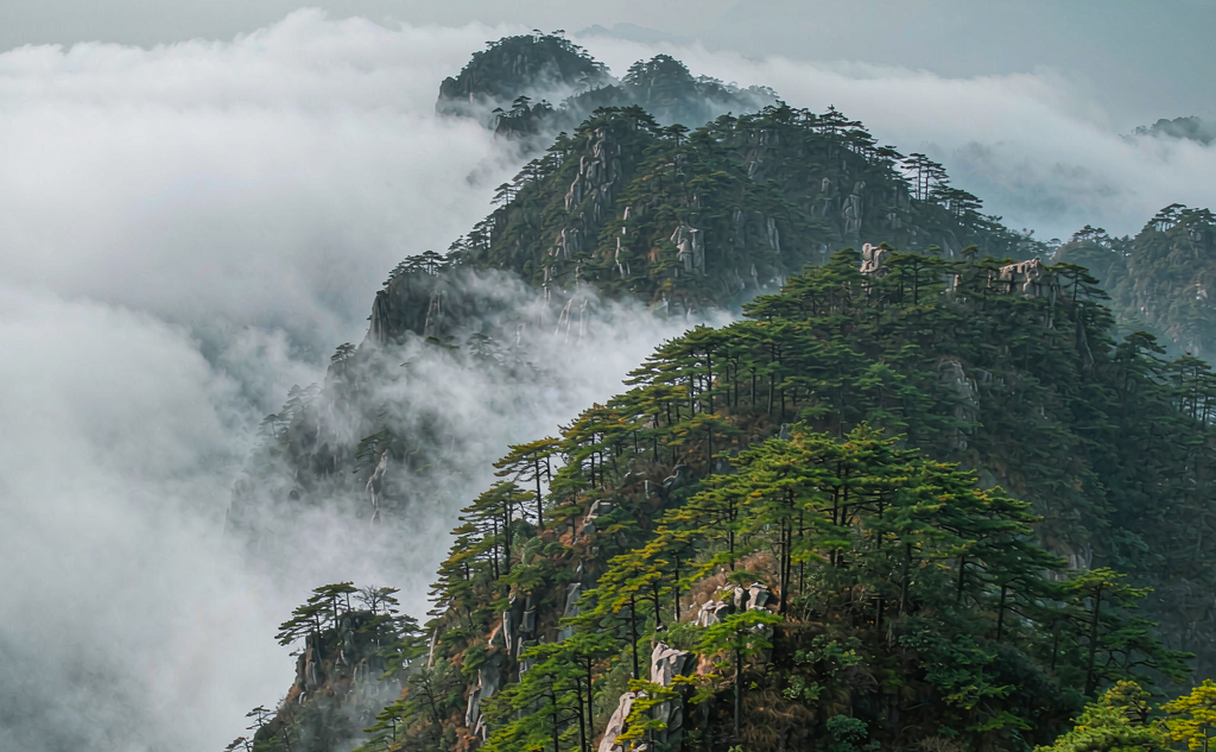
Rising along the border where Jiangxi meets Hunan, Jinggang Mountain — locally Jinggangshan — is one of those Chinese destinations that wears two identities at once. Officially the peaks sit within Jinggangshan Jiangxi, a county-level city whose whole identity revolves around the mountain and its history. To historians it is the “cradle of the revolution,” the rugged redoubt where Mao Zedong and Zhu De planted the first rural revolutionary base in 1927. To hikers and summer escapees, it is a cool, misty range of pine-covered ridges, waterfalls, and cloud seas that feels worlds away from the cities. This Jinggang Mountain guide explains how to get there, what to see, and when to visit, so you can enjoy both the scenery and the story without missing either.
How to Get to Jinggang Mountain
The mountain sits in the west of Jiangxi Province, roughly a five- to six-hour drive from Nanchang, the provincial capital. Most travelers approach through Ji’an city or take a flight into Jinggangshan Airport, which has connections to major hubs. From Ji’an, frequent buses and hired cars cover the remaining mountain road in about two hours. If you are traveling by rail, our China high-speed train guide for foreigners explains how to reach Ji’an or nearby Pingxiang first; from there, a bus or taxi completes the journey. Within the scenic area, shuttle buses link the main sights, and the central town of Ciping makes a convenient base for exploring.
Because the dispersed attractions are spread across a large mountainous zone, the through-ticket system includes shuttle transport, and trying to drive yourself through the checkpoints is more trouble than it is worth. Plan on the shuttles as your default way of moving between trailheads and memorial sites, and buy the combined pass at the main gate rather than piecemeal.
Things to Do at Jinggang Mountain
The appeal here is a blend of history and nature, and you can easily spend two full days without repeating yourself. The Jinggang Mountains on Wikipedia give a useful historical overview before you go, especially if the revolutionary period is new to you.
- Huangyangjie Pass. The highest and most famous viewpoint, where clouds pour through the saddle between peaks. A short trail and a small museum explain its revolutionary role, and the panorama on a clear morning is the postcard image of the whole range.
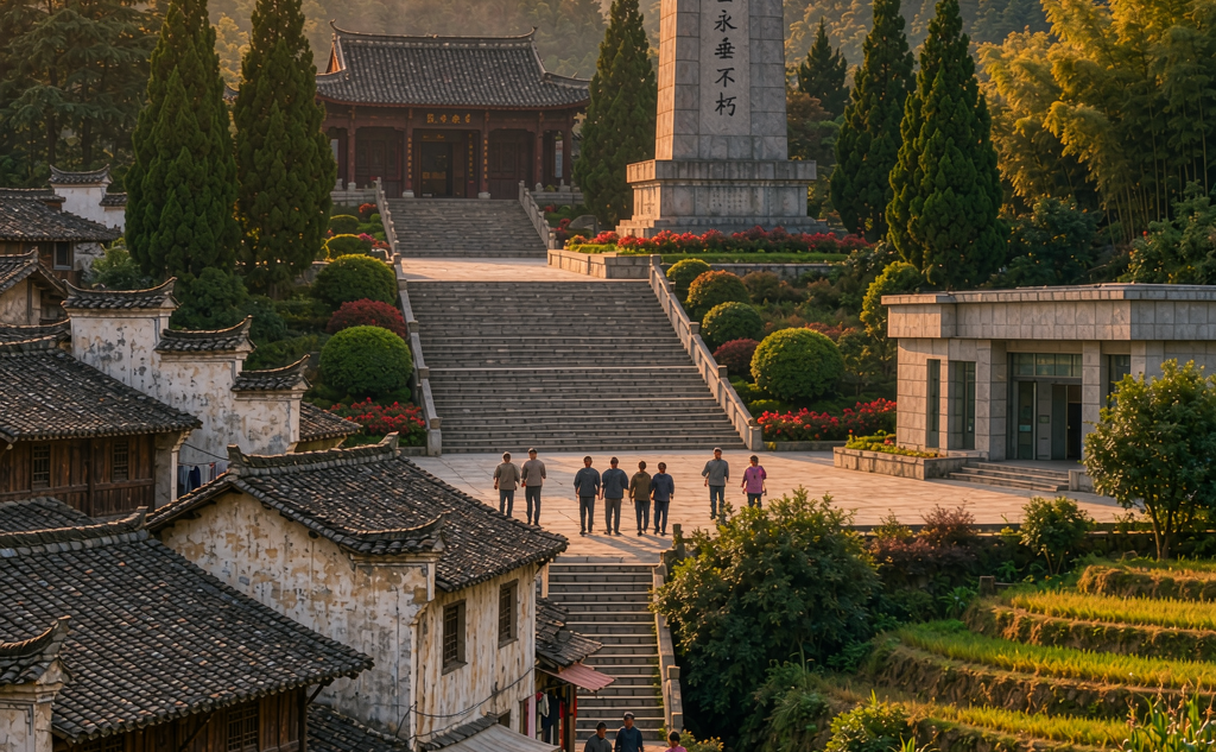
- Ciping Town. The administrative and lodging hub, with memorial halls, the former headquarters, and a relaxed evening promenade along the stream.
- Five-Finger Peak. The tallest summit, named for its hand-like ridge line, best appreciated from a distance or on a longer trek that few casual visitors attempt.
- Dragon-Pond Waterfall cluster. A series of tiered falls and pools reached by a shaded forest walk, refreshing in summer and dramatic after rain.
- Bamboo rafting and forest trails. Several streams offer gentle rafting, while the lower slopes are laced with bamboo paths that glow green in the wet season.
History buffs will enjoy the revolutionary sites, while our best things to do in China guide can help you balance mountain time with city stops elsewhere on a longer itinerary.
Jinggang Mountain Hiking
Jinggang Mountain hiking suits a range of abilities. The marked routes around Huangyangjie and the waterfall cluster are short and well maintained, fine for casual walkers and families. More committed trekkers can tackle longer ridge lines that pass through virgin forest and open onto panoramas of layered blue hills fading into haze. Because the area is high and humid, trails can be slippery after rain, so sturdy shoes with grip matter more than fancy gear.
The cool air makes summer the busiest hiking season, and you will share the paths with domestic tourists rather than crowds from abroad. For technique and gear advice across the country, see our China hiking and treks guide, which covers everything from day walks to multi-day routes.
Best Time to Visit Jinggang Mountain
The best time to visit Jinggang Mountain is spring (April to June) and autumn (September to November), when the clearest views and the most comfortable temperatures arrive, and the famous sea of clouds is most likely after rain. Summer is warm but far cooler than the lowlands, which is why locals treat the mountain as a natural air conditioner and fill the resorts in July and August.
Winter is cold and occasionally snowy, with fewer services but a quiet, frosted beauty that photographers prize. The region’s weather fits the broader pattern described in our best things to do in China guide, so plan around the same shoulder seasons you would for central China, and book mountain lodging ahead during summer holidays.
Food, Stay, and Nearby Stops
Ciping has the widest choice of hotels, from simple guesthouses to resort-style properties with mountain views. Local food leans rustic: river fish, bamboo shoots, free-range chicken, and smoked pork, often cooked with the chili and fermented flavors typical of Jiangxi cuisine, which is sharper and more sour than the sweeter styles to the south. Night markets in town serve grilled skewers and rice noodles, and a few restaurants specialize in the medicinal herb chicken stews that mountain regions are known for.
If you want to extend the trip, the porcelain city of Jingdezhen is a few hours away and worth a detour — our Jingdezhen travel guide covers its kilns and workshops. Tea lovers might also enjoy the Wuyishan travel guide, where cliff-grown tea meets dramatic gorges, or the Nanchang travel guide for the provincial capital’s lakefront energy and revolutionary museums that pair naturally with a Jinggangshan visit.
A Two-Day Itinerary
A sensible plan devotes one day to the revolutionary sites around Ciping and Huangyangjie, and a second to the waterfalls and forest trails. Start at the memorial museum to understand the history, then ride the shuttle to the pass for the views. On day two, take the Dragon-Pond walk slowly, swim or raft where permitted, and finish with a bamboo-forest stroll before dinner in town. This split keeps the two identities of the mountain in balance and avoids a rushed, checklist feeling.
Practical Tips
Pack layers; mountain weather shifts quickly and mornings are cool even in July. English signage is limited, so a translation app is handy for menus and ticket desks. Entrance to the scenic area is by through-ticket, and the shuttle buses are the easiest way to reach dispersed sights. Allow at least two days if you want both the historical sites and a proper hike, and bring cash for small stalls that do not take mobile payment. Mobile coverage is strong around Ciping but fades on the remote ridges, so download offline maps before you set out on a longer trail.
Final Thoughts
Jinggang Mountain rewards travelers who like their landscapes with a layer of meaning. You can stand in the clouds on a revolutionary pass in the morning and listen to a waterfall in the afternoon, then eat smoked pork in a quiet mountain town at night. It is a destination that surprises people who expected only museums — and leaves many wishing they had stayed longer. For foreign visitors, the blend of accessible nature and approachable history makes it one of the more satisfying stops in the Jiangxi hinterland, and a calm counterpoint to the busy cities of the east.