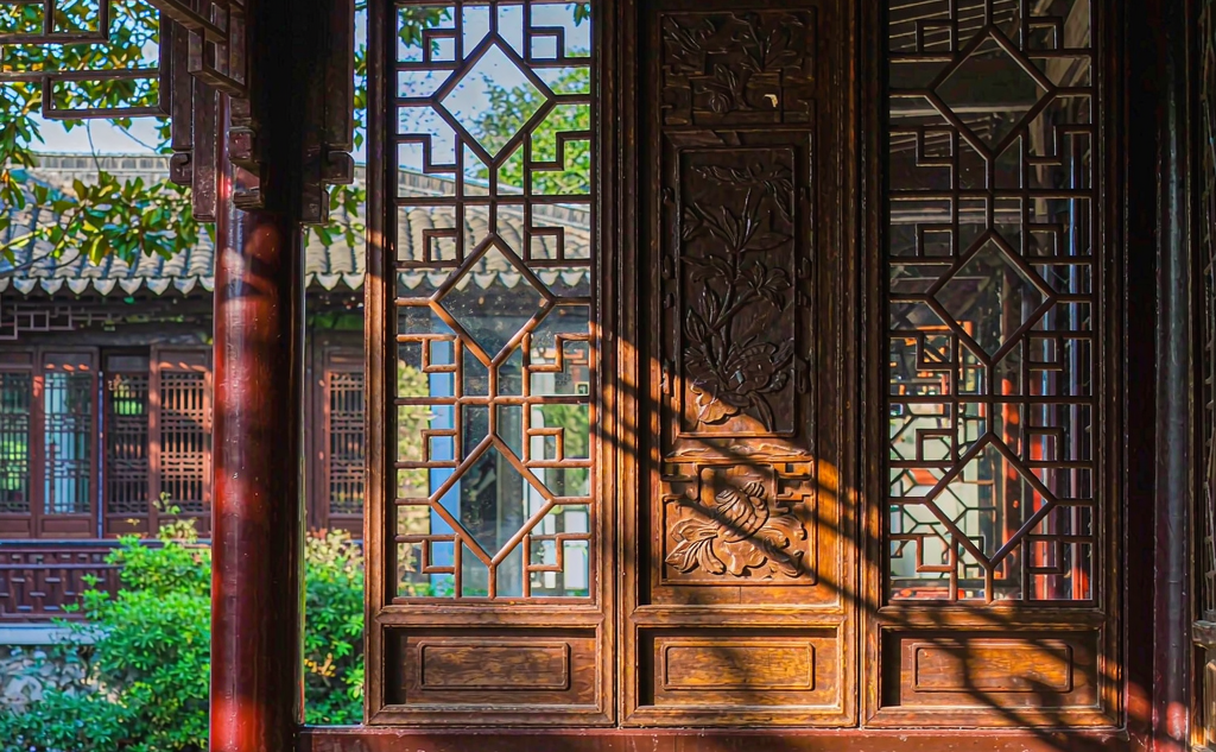
The classical gardens of Suzhou are among the most refined places you can visit in China, and this China classical gardens guide explains how to see them well rather than rushing through. These walled estates were built by scholars, officials, and merchants between the eleventh and nineteenth centuries as private retreats where rocks, water, pavilions, and planted windows were arranged to suggest vast natural landscapes inside a small city plot.
Suzhou earned its reputation because it sat close to the imperial capital’s cultural orbit yet belonged to a prosperous merchant class that had the money and taste to build. A Suzhou gardens tour usually centers on a handful of estates that survive in remarkable condition. The design logic is consistent across them: nothing is straight when it can bend, nothing is fully revealed at once, and every opening frames a composed view like a scroll painting.
The Humble Administrator’s Garden is the largest and most celebrated. Built in the early sixteenth century, it uses ponds and islands to create a sense of openness rare in a dense city. Walk the central lake, then take the covered walkways that skirt the water so you can watch the reflections shift. Our Suzhou Humble Administrator Garden guide breaks down the route and the best photo spots, because the garden is busy by mid morning and timing changes everything.
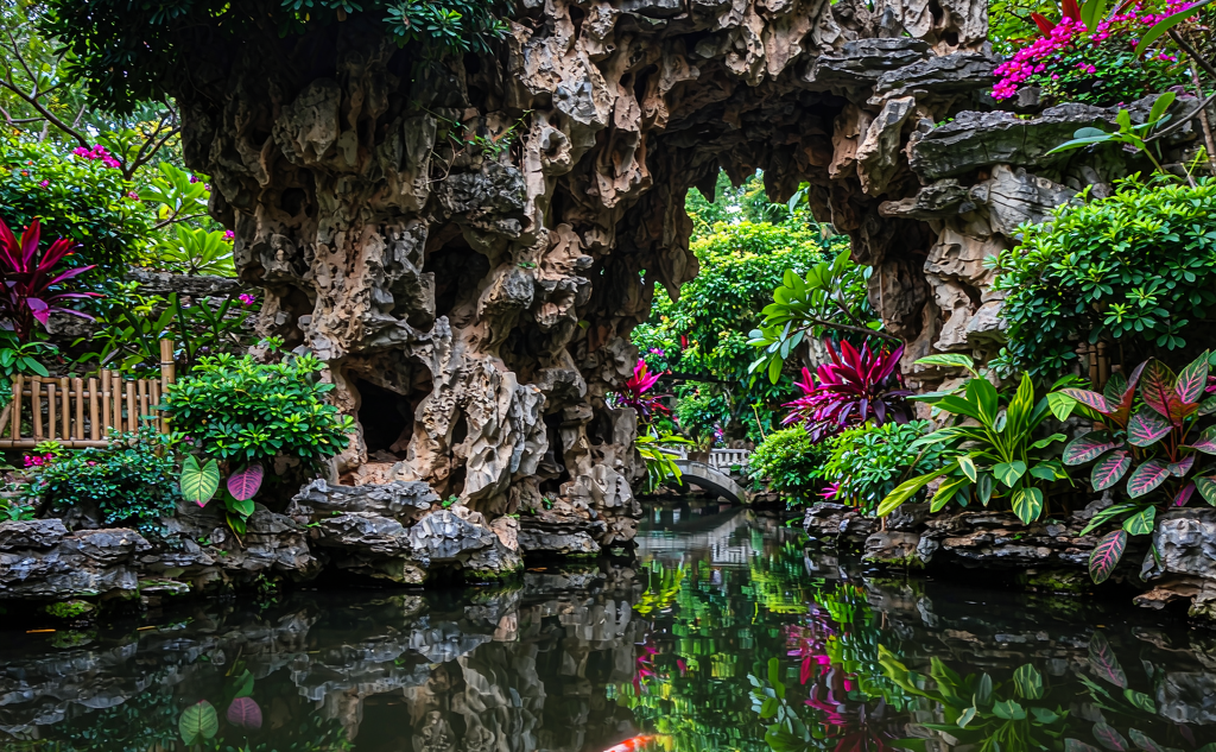
The Lingering Garden is smaller but denser, famous for its corridor of lattice windows and a collection of Taihu rocks. These rocks, eroded by water into strange holes and ridges, were prized as garden centerpieces. The Suzhou Lingering Garden guide explains how to read the rock arrangements, which turns a quick walk into something far richer. The Lion Grove Garden takes the rock obsession further: its maze of stone peaks is said to resemble lions, and children love climbing the paths between them.
Chinese garden design history rests on a few ideas worth knowing before you go. One is borrowed scenery, where a garden quietly includes a distant pagoda or hill as part of its composition. Another is the moon gate and the framed window, openings that turn a slice of garden into a living picture. A third is the careful imbalance of rocks and water, meant to feel natural rather than designed. Once you notice these moves, every garden in China starts to speak the same language.
The UNESCO angle is real and useful for planning. Several Suzhou gardens are inscribed as a group on the World Heritage List, and the UNESCO Suzhou gardens page describes why they matter globally. Reading it before arrival gives you the vocabulary to appreciate what you see, and it explains the conservation work that keeps these sites alive.
Hangzhou offers a different but related experience. The West Lake is an imperial scale landscape garden where the city and water blur together, and a lake walk pairs naturally with garden visits. Shanghai’s Yu Garden is a compact, busy example from the Ming dynasty, and it makes a good half day if Suzhou is not on your route. Both pair naturally with a Suzhou base.
Suzhou garden travel tips start with timing. Arrive at the first garden when it opens, do two in the morning, break for lunch in the old town, then do one more in the late afternoon when tour groups thin out. Buy a combined ticket if you plan three or more estates, since it saves money and queuing. Wear comfortable shoes; surfaces are uneven stone and the gardens involve more walking than they look from photos.
Guides make a difference. A knowledgeable local can point out the hidden inscriptions, the symbolic plant choices, and the sightlines the designers intended. Hire one at the entrance or book ahead. Audio guides are available but flatter than a person who can answer questions, and the best stories are about the families who lived behind these walls.
Food and rest are easy in Suzhou. The old town around the gardens is full of noodle shops and quiet teahouses where you can sit by a window and watch a small private garden next door. Suzhou’s soft dialect and slow pace suit the subject; do not rush the city the way you might rush a bigger metropolis. A canal evening boat ride after the gardens closes the day gently.
Best classical gardens in China extend beyond Suzhou, but Suzhou is the densest cluster and the easiest to reach from Shanghai by high speed train, about thirty minutes. That makes an overnight stay realistic. Stay overnight if you can, because the gardens at dawn, before the gates open to crowds, are when you feel what the original owners intended. Several heritage hotels sit within walking distance of the main estates.
Photography is allowed in most gardens, but drones are not, and tripods can be a problem in tight spaces. Early light through the lattice windows is the prize shot. Be patient and let groups pass so you can frame clean images, and remember that some of the best compositions are small: a single branch over a white wall, a koi breaking the surface.
A final note on respect: these are historic sites, not theme parks. Stay on paths, do not climb the rocks, and keep voices low near the scholars’ study pavilions. The quiet is part of the design, and other visitors came for the same calm you did. Litter and loud calls break the spell for everyone.
If your interest runs deeper, read about the scholar class that built these gardens and the poetry carved into their walls. The inscriptions are not decoration; they are the owners talking across centuries about retirement, friendship, and the pleasures of a well placed rock. A good guide will translate a few, and that single act often changes how the whole garden reads.
How to read a garden like a local takes a little practice. Stand at the main entrance and notice that you cannot see the whole garden at once; the path turns, a wall blocks the view, and a window offers just a slice. This is intentional. Walk slowly and pause at each framed opening, because the designer placed it to deliver one specific picture. The best moments are often the small ones: a single rock reflected in still water, or a branch drawn against a blank white wall like ink on paper.
Season changes the gardens completely. Spring brings peonies and new willow, summer turns the ponds green and loud with frogs, autumn lays down maple color, and winter strips the bones bare so the architecture shows. If you can, visit the same garden in two seasons; the second visit feels like a different place. Rain has its own charm, softening the light and emptying the paths, though bring shoes with grip for wet stone.
Budget and tickets are straightforward. Each major garden charges its own entry, but the combined ticket for several estates is the better deal if you plan three or more. Arrive at the first opening and you often have the paths nearly to yourself for an hour. Student and senior discounts exist, so carry ID. Guided tours at the gate are reasonably priced and worth it for the first garden, after which you can explore alone with more confidence.
Where to stay matters for mood. The canalside guesthouses inside the old city put you within walking distance of several gardens and good noodle shops. Staying outside saves money but costs time, and the gardens reward a slow start that a long commute undermines. Book ahead in spring and autumn, when Suzhou fills with domestic travelers on the same pleasant weekends you will want.
Photography etiquette is worth a word. Ask before photographing people in the gardens, and avoid blocking the narrow paths while setting up a shot. The gardens are public and beloved, so the considerate visitor steps aside, lets groups pass, and finds the quiet corner rather than the crowded one. That patience is exactly the habit the gardens were built to teach.