

This Shaoxing travel guide is born from my favorite kind of day trip in Zhejiang: a slow morning on a black-awning boat, a cup of warm yellow rice wine, and lanes where China’s most beloved modern writer actually grew up. Shaoxing is the water town that hasn’t been turned into a theme park. Forty minutes from Hangzhou, it rewards travelers who want canals, literature, and arguably the best 黄酒 (huangjiu) in the country without the crowds of the famous canal cities or the ticket gates of the big resorts.
Content Preview
- [Shaoxing Travel Guide: Best Time to Visit Shaoxing](#shaoxing-travel-guide-best-time-to-visit-shaoxing)
- [Shaoxing Travel Guide: How to Get to Shaoxing](#shaoxing-travel-guide-how-to-get-to-shaoxing)
- [Where to Stay in Shaoxing](#where-to-stay-in-shaoxing)
- [Things to Do in Shaoxing](#things-to-do-in-shaoxing)
- [Sample Shaoxing Itinerary](#sample-shaoxing-itinerary)
- [Frequently Asked Questions](#frequently-asked-questions)
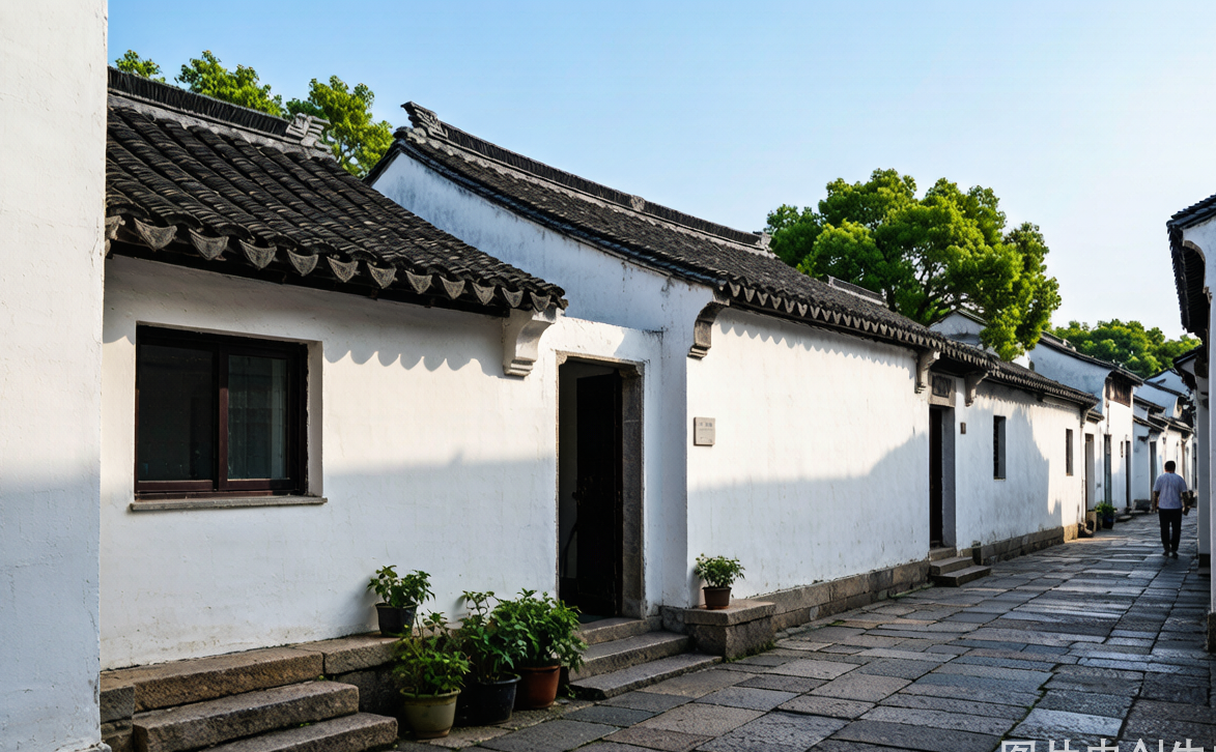
Shaoxing Travel Guide: Best Time to Visit Shaoxing
The best time to visit Shaoxing is March to May and September to November. Spring sees the canals at their prettiest, with willows greening the banks, and autumn brings cool, clear days ideal for walking Lu Xun’s old lanes. I avoid the humid July-August stretch and the National Day week (Oct 1-7), when the Lu Xun Native Place gets packed and the boat queues stretch around the block.
The same shoulder-season thinking that works across the region keeps Shaoxing calm and photogenic, so I time my visits to dodge the two big holiday surges and catch the morning light on the water instead. Spring also brings fresh green tea from nearby mountains, which pairs absurdly well with the local rice wine in the evening.
Shaoxing Travel Guide: How to Get to Shaoxing
A Shaoxing day trip from Hangzhou is the most common plan, and it’s easy. Here’s the routing:
| Mode | Route | Time | Cost (RMB) |
| — | — | — | — |
| High-speed train | From Hangzhou East | 20-40 min | ¥20-¥35 |
| High-speed train | From Shanghai | 1.5-2 hrs (via Hangzhou) | ¥80-¥120 |
| Metro + bus | From Hangzhou (metro to border, bus) | ~1.5 hrs | ¥15 |
| DiDi/taxi | Within Shaoxing center | 10-20 min | ¥15-¥30 |
Most visitors arrive at Shaoxing North Station (high-speed) or Shaoxing Station (conventional). From the north station, a 15-minute DiDi reaches the old town; from the city station you can walk to Lu Xun Native Place in 20 minutes. Buy tickets with your passport — the 12306 system accepts foreign IDs at counters and through the app once registered, and the English interface is reliable.
Where to Stay in Shaoxing
For a water-town feel, stay near Cangqiao Straight Street or Lu Xun Native Place, where you can step onto the canals at dawn before day-trippers arrive. Boutique hotels and guesthouses run ¥300-¥600; comfortable business options start at ¥200. If you’re only doing a day trip from hangzhou-travel-guide, you won’t need a room — but an overnight lets you catch the evening light on the water and a quiet breakfast by the quay.
For a calmer base, a few riverside homestays near Bazi Bridge put you steps from the water at ¥250-¥450, and the owners often lend you a bike to reach the quieter eastern canals. I once stayed above a wine shop and rolled out at 7 am to buy warm huangjiu straight from the vat — ¥15 for a ceramic bottle that made the morning boat ride far more memorable. Book these small places a week ahead, because there are only a handful and they fill with domestic weekenders on holiday weekends. If you’d rather be central, the business hotels by Shaoxing Station start at ¥220 and put the trains at your door.
Things to Do in Shaoxing
The obvious anchor is the Lu Xun hometown Shaoxing district (Lu Xun Guju), a free, large restored area covering his former residence, the Hundred Plant Garden, and the Sanwei Study where he was schooled. It’s the most visited sight, so go at opening (8 am). Nearby, Shen Garden (¥40) is a classical garden tied to a famous Song-era love poem, with evening opera shows (¥80-¥120).
For the signature experience, take a Shaoxing canals boat ride in a wupeng black-awning boat — short hops cost ¥30-¥60, longer loops ¥120. The Bazi Bridge area and Cangqiao Straight Street show the city’s unpolished water-town soul, with stone bridges every few meters. East of the center, Donghu Lake (¥50) carves cliffs above a narrow waterway best seen by boat.
Beyond the boat rides, Cangqiao Straight Street at night is the best place to graze: stinky tofu fried to order (¥10), rice-wine ice cream (¥18), and youtiao dipped in soy milk (¥6). I treat the street as a moving tasting menu and never spend more than ¥60 an evening. If you want a proper gift, the Kuaiji Mountain vintage shops sell aged huangjiu in painted urns from ¥120, far cheaper than the airport duty-free versions and a genuine piece of the city to carry home.
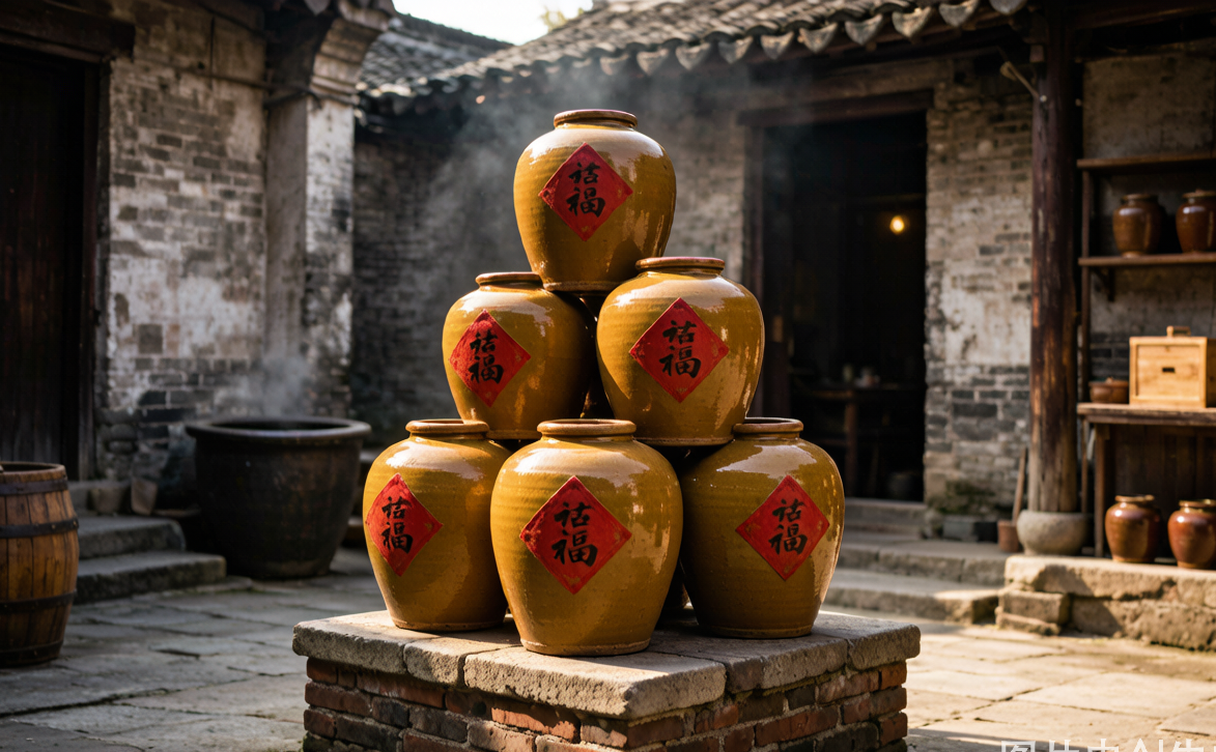
Then there’s the drinking. Shaoxing rice wine (huangjiu) is the city’s pride; the China Yellow Wine Museum explains the craft, and tasting flights of warm wine run ¥20-¥40. I like buying a small jug (¥30) and sipping it riverside with a plate of fennel beans (¥10) — the exact snack from Lu Xun’s stories. Beyond the center, Lanting (Orchid Pavilion), 30 minutes west, is where calligrapher Wang Xizhi wrote his masterpiece; regional guides rank Shaoxing among the best-preserved old towns in China.
Shaoxing also sits on the UNESCO-listed Grand Canal of China; the East Zhejiang Canal section threads right through the old city, which is why the waterways feel so integral rather than decorative. For comparisons, the best-water-towns-near-shanghai list and the xitang-water-town guide show neighboring canal towns with a different rhythm and bigger crowds.
Sample Shaoxing Itinerary
Here’s a Shaoxing itinerary that works as either a day trip or an overnighter:
Morning. Arrive from Hangzhou (¥25 train), walk Lu Xun Native Place (free, 2 hrs) at opening, then Cangqiao Straight Street for breakfast (¥20).
Midday. Wupeng boat ride (¥40), lunch of stinky tofu and yellow wine (¥60), visit the Yellow Wine Museum (¥30).
Afternoon. Shen Garden (¥40) or Donghu Lake boat (¥50). If staying overnight, catch Shen Garden’s evening opera.
Optional Day 2. Lanting (¥70) or compare Shaoxing with the canal towns nearby before heading back to Hangzhou by train.
Frequently Asked Questions
Is Shaoxing a good day trip from Hangzhou?
Excellent — high-speed trains take 20-40 minutes and cost ¥20-¥35. Most sights are walkable, so a single day covers the highlights comfortably.
What is Shaoxing famous for?
Canals and stone bridges, being the hometown of writer Lu Xun, and Shaoxing rice wine (huangjiu), plus dishes like stinky tofu and fennel beans.
How much does a canal boat ride cost?
Short wupeng boat hops are ¥30-¥60; longer guided loops run about ¥120. Bargain gently at the quay and agree the price first.
Is Lu Xun Native Place free?
Yes, entry is free, but it’s very popular — arrive at the 8 am opening to enjoy the lanes before tour groups.
When is the best time to visit Shaoxing?
March-May and September-November offer mild weather and green canals. Avoid midsummer humidity and the National Day holiday week.