

This Fuzhou travel guide is the piece I wish someone had handed me before my first trip to the capital of Fujian. Most foreign visitors rush past Fuzhou on the way to Xiamen or Wuyishan, but after a dozen visits I’ve come to love its slow rhythm: banyan-shaded lanes, steaming hot-spring bathhouses, and a food scene that rarely makes the highlight reels. If you want a Chinese city that feels lived-in rather than staged, Fuzhou is the easy choice, and it pairs beautifully with the coast and the mountains on either side of the province.
Content Preview
- [Fuzhou Travel Guide: Best Time to Visit Fuzhou](#fuzhou-travel-guide-best-time-to-visit-fuzhou)
- [Fuzhou Travel Guide: How to Get to Fuzhou](#fuzhou-travel-guide-how-to-get-to-fuzhou)
- [Where to Stay in Fuzhou](#where-to-stay-in-fuzhou)
- [Things to Do in Fuzhou](#things-to-do-in-fuzhou)
- [Sample Fuzhou Itinerary](#sample-fuzhou-itinerary)
- [Frequently Asked Questions](#frequently-asked-questions)
Fuzhou Travel Guide: Best Time to Visit Fuzhou
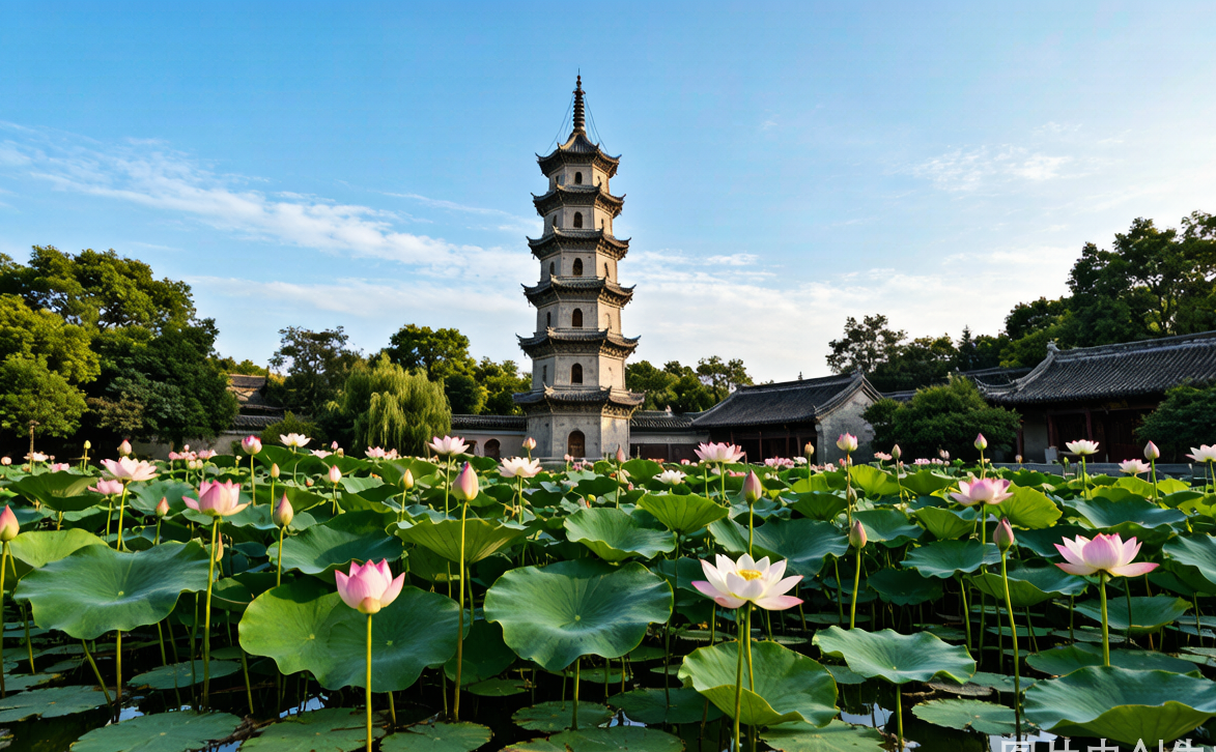
The best time to visit Fuzhou is March to May and September to November. Spring brings mild temperatures around 18-25°C and the city’s banyan canopy is at its greenest; autumn is dry and comfortable, perfect for walking the old town. I tend to avoid July and August, when the mercury sits above 35°C with sticky humidity, and the weeks around Spring Festival (Feb 17, 2026), when many small eateries close for family reunions.
If you’re syncing with a wider China plan, the same shoulder-season thinking that works elsewhere in the south applies here too, so I time Fuzhou for the calm windows and save the peak weeks for somewhere less crowded. One local bonus: summer nights are when the “blue tears” bioluminescence appears on nearby Pingtan Island, about two hours away, turning the shoreline into a field of glowing waves that photographers travel across the country to see.
Fuzhou Travel Guide: How to Get to Fuzhou
Fuzhou is a major high-speed rail hub, and flying in is also easy. Here’s the transport breakdown I give friends:
| Mode | Route | Time | Cost (RMB) |
| — | — | — | — |
| Flight | Changle Int’l Airport (FOC) to city | 50 min by metro/airport bus | bus ¥25, taxi ¥120 |
| High-speed train | From Xiamen | 1.5-2 hrs | ¥70-¥110 |
| High-speed train | From Hangzhou | 2.5-3 hrs | ¥150-¥210 |
| High-speed train | From Shanghai | 4.5-5 hrs | ¥280-¥400 |
| High-speed train | From Wuyishan | 3-4 hrs | ¥120-¥180 |
The city has two main stations: Fuzhou (north, central) and Fuzhou South (metro interchange). I usually arrive at Fuzhou Station because it drops me steps from the metro and a DiDi ride to the old town costs under ¥20. From the airport, the metro line now reaches the center in about 50 minutes for ¥7, which beats a ¥120 taxi if you’re traveling light.
Where to Stay in Fuzhou
I recommend two bases. The first is around Sanfang Qixiang (Three Lanes and Seven Alleys), where you can walk to almost everything and feel the old city after dark. Mid-range hotels here run ¥350-¥600 a night; the Shangri-La and Westin on the riverfront go for ¥900+. The second base is near Fuzhou Station if you’re using the city as a rail hub — clean business hotels like Holiday Inn Express start at ¥250.
Whatever you pick, choose somewhere with a hot-spring bathtub if you can; Fuzhou brands itself as a “Hot Spring City,” and several properties pipe in natural geothermal water. After a long train day, that ¥400 room with a private spring beats any sightseeing, and it means you can soak at midnight without hunting for a public bathhouse across town.
Things to Do in Fuzhou
The heart of things to do in Fuzhou is the Sanfang Qixiang Fuzhou historic district. This grid of Ming-Qing lanes is free to wander, though a few restored courtyards (like the Yan Fu former residence) charge ¥20-¥30. Go at 8 am before tour buses, when locals do tai chi between the white walls and the smell of breakfast congee drifts out of side alleys.
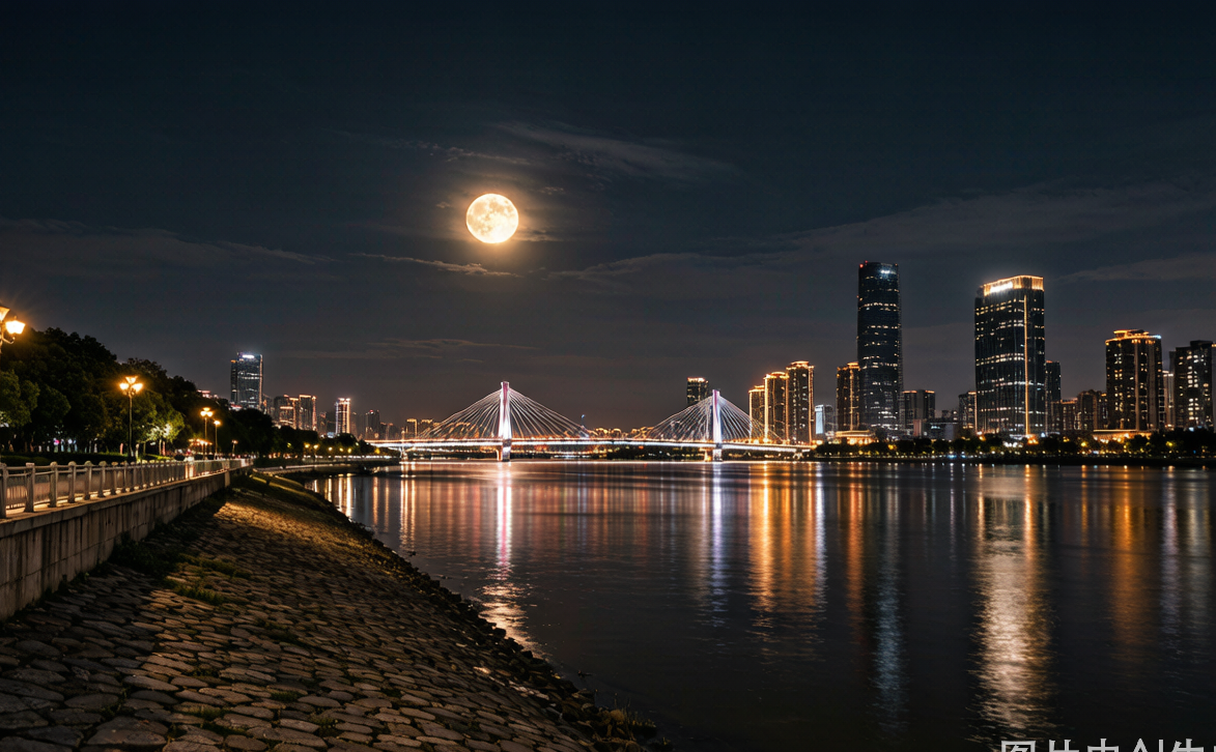
For a Fuzhou food guide, start in the lanes: try rouyan (wonton-thin meat wrappers, ¥15 a bowl), fish balls (¥10), and lychee pork (a sweet-sour classic, ¥38). The famous banquet dish Buddha Jumps Over the Wall is a ¥300+ indulgence best shared. My favorite dinner spot is a small hui-cuisine place near the Min River where a full seafood meal for two lands around ¥200.
A Fuzhou hot springs session is non-negotiable. Public bathhouses like the historic Mingguang charge ¥120-¥180 for a soak plus sauna, while resort spas in the Gucheng area run ¥300-¥500 with pools and massages. I go at least once every visit — the mineral water is naturally warm and genuinely relaxing after a day of walking.
Beyond the center, climb Drum Mountain (Gushan) for the Yongquan Temple and a ¥50 cable car with river views, and visit Xichan Temple for its Song-dynasty pagoda. If you have a free day, the wuyishan-travel-guide covers the UNESCO-listed peaks of Mount Wuyi, a half-day train ride and one of the finest Mount Wuyi World Heritage landscapes in the country. The pingtan-island-guide covers the blue-tears beaches I mentioned, and xiamen-travel-guide is your next stop south along the coast.
Sample Fuzhou Itinerary
Here’s a tight Fuzhou itinerary I’ve tested with visiting friends:
Day 1 — Old town slow walk. Morning at Sanfang Qixiang (2 hrs), lunch on rouyan and fish balls (¥40), afternoon Xichan Temple (¥20 entry), evening hot-spring soak (¥150). Dinner by the Min River promenade.
Day 2 — Mountain and museum. Cable car up Drum Mountain (¥50), descend for the Fujian Museum (free), late afternoon coffee in the banyan-shaded streets. Optional evening train to Xiamen if you’re continuing south.
Day 3 — Day trip. Head to Pingtan Island (¥25 bus, 2 hrs) for beaches and, in summer, blue tears at night; or swap in Wuyishan for bamboo-raft scenery and a cliffside hike.
If Fuzhou is your first stop in China, pair this with our wider planning resources to build a longer route that links the coast and the interior without backtracking.
Frequently Asked Questions
Is Fuzhou worth visiting for foreign tourists?
Yes, especially if you prefer calm, local cities over mega-tourist hubs. The old town, hot springs, and food are the draws, and it’s an easy rail link to Xiamen and Wuyishan.
How many days do I need in Fuzhou?
Two full days covers the core; three lets you add a Pingtan or Wuyishan day trip. I’d never spend less than 36 hours or you’ll miss the evening lane atmosphere.
What is Fuzhou famous for?
Banyan trees (it’s called the Banyan City), natural hot springs, the Sanfang Qixiang historic lanes, and Fuzhou cuisine including fish balls and Buddha Jumps Over the Wall.
How do I get from Fuzhou to Xiamen?
High-speed trains run every 30-60 minutes and take 1.5-2 hours, costing ¥70-¥110. Book via the 12306 app or at the station with your passport.
When is the best weather in Fuzhou?
March-May and September-November are mild and dry. Summer is hot and humid; winter is cool but rarely freezing.