

This Mangshi travel guide is for travelers who have already ticked off Yunnan’s headline stops and want something slower, greener, and genuinely local. Mangshi (芒市) is the seat of the Dehong Dai and Jingpo Autonomous Prefecture in western Yunnan, China, sitting in a warm river valley a short drive from the Myanmar border. It is a place where golden Buddhist pagodas rise over tropical street markets, where the air smells of lemongrass and roasting coffee, and where you can wander for days without meeting another foreign tourist. If you are planning a Yunnan trip that goes beyond the usual circuit, our China travel guide for first-timers pairs well with the tips below.
Content Preview
- Mangshi Travel Guide: Best Time to Visit
- Mangshi Travel Guide: How to Get There
- Top Things to Do in Mangshi
- Where to Stay in Mangshi
- Sample Mangshi Itinerary
- FAQ
Mangshi Travel Guide: Best Time to Visit
The best time to visit Mangshi is from November to April, during the dry season. Days are warm and sunny, with temperatures between 18°C and 28°C, and the humidity that defines Yunnan’s far southwest drops to a comfortable level. This is also when the markets are fullest and the pagoda festivals are most active.
The rainy season runs from May to October. June through September brings heavy afternoon downpours, higher humidity, and the occasional road washout on the mountain routes toward Ruili. That said, the landscape is at its most lush, and July and August are excellent for tropical fruit — mangoes, pomelo, and dragon fruit are cheap and abundant.
Avoid the week-long national holidays in early May and early October if you can; prices rise and transport books out. For photography, November and December offer clear skies and soft morning light over the Golden Pagoda.
Mangshi belongs to Dehong prefecture, a tropical border region of Yunnan; background on the area is available from Wikipedia’s Dehong article.
Mangshi Travel Guide: How to Get There
Mangshi is served by Dehong Mangshi Airport (LUM), which has daily flights from Kunming and regular connections from Chengdu, Guangzhou, and Baoshan. From Kunming the flight takes about 70 minutes. There is also a high-speed rail link: trains from Kunming to Mangshi take roughly 6.5 to 7.5 hours, with fares from around ¥250 in second class, making it an easy add-on if you are already following our Kunming travel guide. Buses connect Mangshi with Dali (about 6 hours) and Ruili (about 2 hours).
| Mode | Route | Time | Approx. Cost |
|——|——-|——|————–|
| Flight | Kunming (KMG) → Mangshi (LUM) | 1h 10m | ¥400–900 |
| High-speed train | Kunming → Mangshi | 6.5–7.5h | ¥250–400 |
| Long-distance bus | Dali → Mangshi | ~6h | ¥120–160 |
| Bus | Ruili → Mangshi | ~2h | ¥40–60 |
| Taxi / Didi | Airport → city center | 20–30m | ¥30–50 |
Getting around town is easy on foot or by Didi (the local ride app). Tuk-tuks and shared minivans run to the outer hot springs. If you plan a Ruili side trip, hire a car for the day — about ¥250–400.
Top Things to Do in Mangshi
Meng Huan Great Golden Pagoda
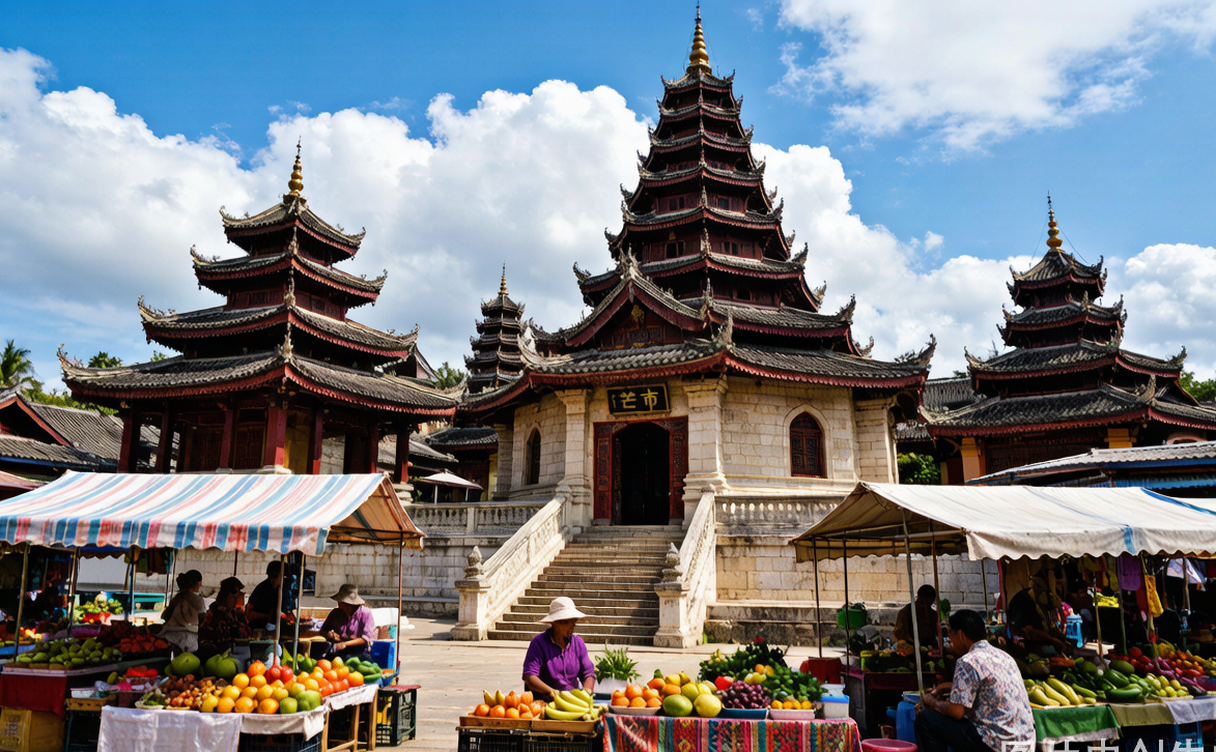
The Meng Huan Great Golden Pagoda (勐焕大金塔) is the symbol of Mangshi. Built on a hilltop southeast of the city, it is one of the largest golden Buddhist pagodas in the region, its spire visible from almost everywhere in town. Visit at dusk when the lights switch on and the gold glows against the darkening sky. Entry is around ¥40.
Silver Pagoda and Night Views
Just below the Golden Pagoda sits the newer Silver Pagoda (勐焕银塔), a brilliant white structure with manicured gardens and a giant white Buddha statue. It is quieter than its golden neighbor and a favorite spot for evening strolls. Together the two pagodas form the postcard image of Mangshi.
Mengbanaxi Rare Botanical Garden
The Mengbanaxi Rare Botanical Garden (勐巴娜西珍奇园) is a sprawling park near the city center showcasing tropical trees, bonsai, and a small collection of local fossils and jade. It is an easy half-day visit, especially good for families, and the shade makes it pleasant even in the warm season.
Local Food and Markets
Mangshi food is the real draw for many visitors. The night market along the main commercial street serves Dai-style rice noodles, sour bamboo-shoot fish, beef jerky, and sapie (撒撇), a pungent dipping sauce made from herb and beef bile that is an acquired but unforgettable taste. Burmese influence shows in the curries and sweet milky tea. For a fuller picture of regional eats, see our rundown of the best things to do in China, which highlights Yunnan’s food trails.
Hot Springs and Day Trips
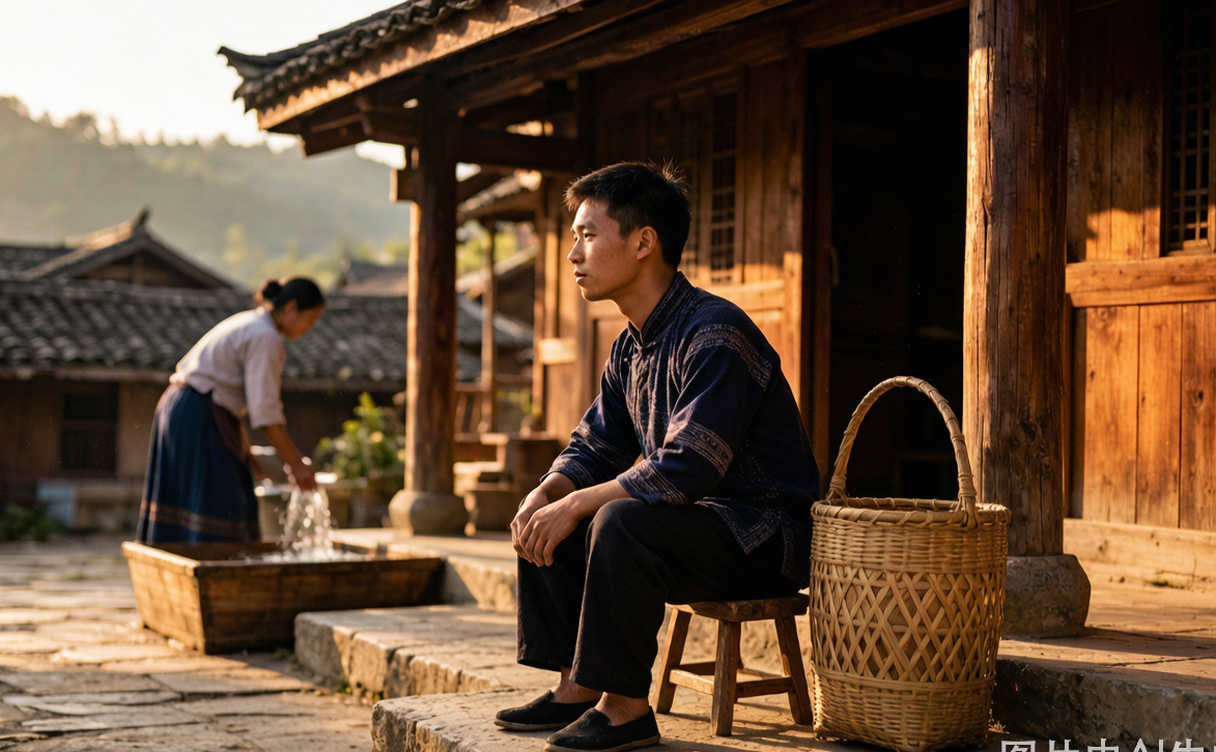
A few kilometers outside town are natural hot springs where locals soak on weekends. You can also use Mangshi as a base for a day trip to Ruili or a longer drive up into the cooler hills of the Jingpo region. The nearby Tree-Wrapping Pagoda (树包塔), a banyan tree that has grown around an old stupa, is a short walk from the center and free to visit.
Where to Stay in Mangshi
Most visitors stay in the city center, within walking distance of the Golden Pagoda and the night market. Mid-range hotels here cost ¥180–350 per night and include breakfast. If you want quieter surroundings, choose a hotel near the airport road or on the eastern hills with pagoda views. Budget hostels and guesthouses run ¥60–120. Book ahead during the Dry Season festival weeks.
Mangshi Travel Guide: Practical Tips
A few practical notes will make your Mangshi travel guide plan run smoothly. Buy a local SIM card (China Mobile or China Unicom) at the airport arrivals hall for cheap 4G/5G data, since hotel WiFi can be slow and inconsistent. Carry enough cash for the night market and tuk-tuks, and link Alipay or WeChat Pay to a Chinese bank card for everything else; foreign credit cards are rarely accepted outside large hotels.
Getting around is simple: Didi covers the center, while a hired car (about ¥250–400 per day) is best for the hot springs and a Ruili day trip. English is limited, so a translation app and the Chinese names of sights saved offline are essential. Dress modestly for pagodas — cover shoulders and knees — and remove shoes before entering temple halls.
Finally, drink bottled water, pack mosquito repellent for the warm season, and keep a light rain jacket from May to October. With these basics handled, Mangshi is an easy, low-stress stop on any Yunnan route.
Sample Mangshi Itinerary
Day 1: Arrive by flight or train, check in, and walk to the Tree-Wrapping Pagoda. Evening at the Golden Pagoda for the light-up, then dinner at the night market.
Day 2: Morning at the Silver Pagoda and Mengbanaxi Garden. Afternoon hot-spring soak or a half-day bus trip toward Ruili. Evening food crawl.
Day 3 (optional): Day trip to Ruili’s jade markets, or an early drive into the hills before heading back to Kunming.
FAQ
Do I need a visa for Mangshi? Yes, standard China tourist visa rules apply. Mangshi is in Yunnan, China, and there is no border crossing into Myanmar for casual visitors.
Is Mangshi safe? Yes. It is a relaxed, friendly town. As with anywhere, watch your belongings at busy markets.
How many days do I need? Two full days covers the highlights; add a third for a Ruili side trip.
Can I use foreign cards? Mostly no. Carry cash and use Alipay or WeChat Pay linked to a Chinese bank, or a travel card accepted at major hotels.
What should I wear? Light, breathable clothing for the warm season; a light rain jacket May–October. Cover shoulders when entering pagodas.
By Karl — Last updated July 26, 2026